Reviewed · OSAKA
Cook Michelin Grade Tempura & Miso Soup
Cooking in Osaka is fun. Cooking with Yuki Wada is practical fun.
This class centers on two things that matter when you cook at home: proper tempura technique and miso soup made with hand-shaved dried bonito. I especially like how the teaching is hands-on, and how Yuki is patient with both beginners and more experienced cooks. One possible drawback: the class is held in a quieter residential area and requires good weather, so you’ll want to plan around the day if conditions are rough.
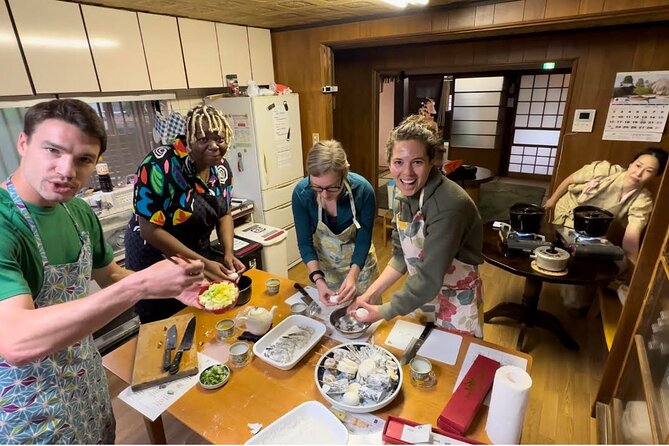
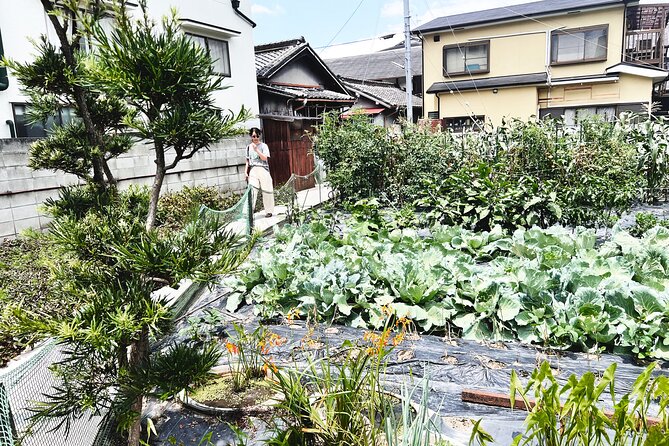
The setting adds real atmosphere. You cook in a historic Japanese-styled home dating back about a century, with elegant Japanese gardens nearby, and the group stays small, up to 6 people, so you get attention instead of standing back and watching. If you want a bigger, high-energy group experience, this one might feel more calm than you expect.
In This Review
- Key things that make this Osaka cooking class worth your time
- Tempura and miso in one lesson, done the Japanese way
- Where you cook: a century-old home in Higashiosaka
- Tempura Don-buri: crisp shrimp and veg that stay crisp
- The batter and frying habits you’ll actually use again
- Miso soup with hand-shaved bonito, not shortcuts
- Tasting your results, plus a relaxed chat after class
- Price and value: $84.95 for two dishes and small-group teaching
- Who this class fits best (and who might want something else)
- Should you book this Osaka cooking class?
- FAQ
- What is the duration of the experience?
- Where does the class take place?
- What dishes will I cook?
- How is the miso soup made in this class?
- Is the class vegetarian-friendly?
- How many people are in the group?
- Do I get a mobile ticket?
- What is the cancellation policy?
- What happens if the weather is poor?
Key things that make this Osaka cooking class worth your time
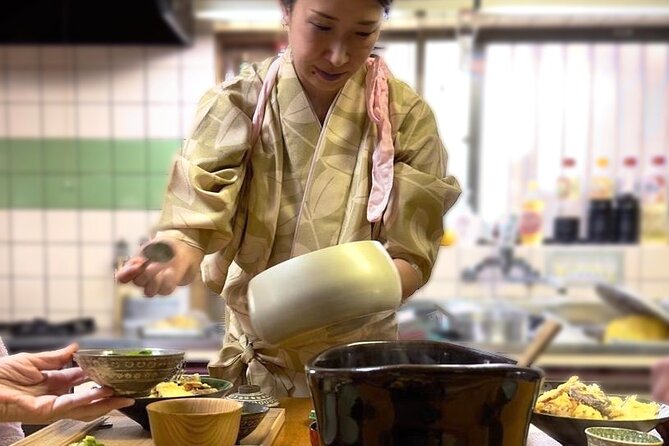
- Hand-shaved bonito for miso soup using handcrafted shaving equipment, a technique most locals never try
- Tempura Don-buri focus, rice + tempura in one dish, built around crisp results
- Straight shrimp tempura plus vegetable tempura, taught with hidden techniques for crunch
- Small group size (max 6), which means you can ask questions without waiting
- Vegetarian option available if you tell Yuki in advance about dietary restrictions
- Quiet century-old home setting in Higashiosaka, where you cook among Japanese gardens
Tempura and miso in one lesson, done the Japanese way
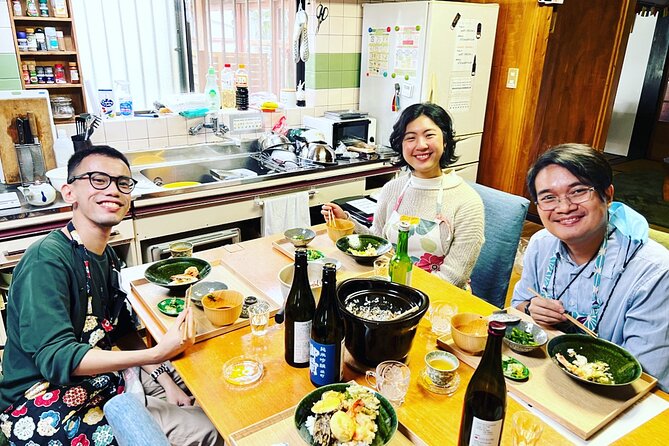
This is an Osaka Prefecture cooking class that runs about 2 hours 30 minutes. The menu is simple on paper, but the class goal is not simple: make two Japanese staples with methods that actually produce flavor, aroma, and that satisfying bite you want at home.
The course is led by Yuki from Osaka, and she sets the tone right away. The format is hands-on, and she’s explicit about techniques and tips, including Japanese seasonings. That matters because tempura and miso are two dishes people often treat like “just cook it” recipes. Here, you learn what changes the outcome.
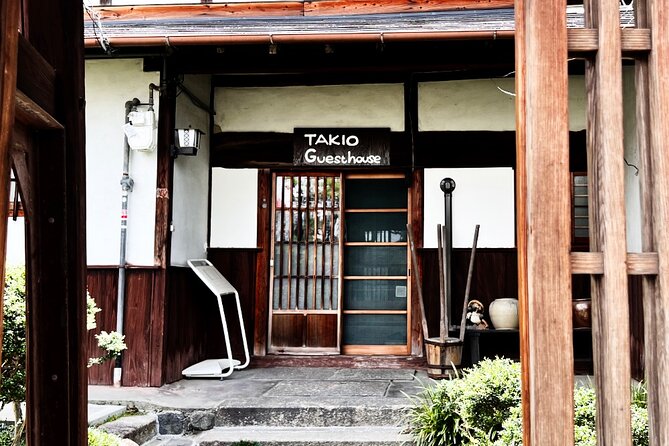
You’ll also be working in a Japanese-styled home dating back around a century. That’s not just decoration. A quiet home with gardens around you changes how you cook. You move slower, focus on steps, and you’re less likely to rush something that needs timing, like tempura batter and frying.
Osaka is Japan's kitchen, and Kyoto, Nara, and Himeji are all close enough for a day trip.
- Full Day Tour of Kyoto with Private Transportation★ 5.0 · 130 reviews
- Sakai – Knife Factory and Craft Walking Tour★ 5.0 · 44 reviews
- Kyoto private tour (Shore excursion available from Osaka or Kobe port)★ 5.0 · 39 reviews
- Private arrival Transfer from Kansai airport to Osaka city★ 4.5 · 36 reviews
- Private Transfer by Sedan from Itami Airport ITM to Kyoto City★ 4.5 · 31 reviews
Where you cook: a century-old home in Higashiosaka
The class meets at Yuki Wada Cooking Classes, 4-19 Nukatachō, Higashiosaka, Osaka 579-8021, Japan. It ends back at the meeting point. It’s described as near public transportation, so you should be able to reach it without a car.
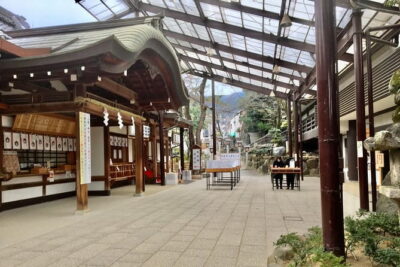
What you’re paying for is not a flash kitchen. You’re cooking on location at a historic Japanese home where the atmosphere is quiet and traditional, with elegant gardens in the area. You can also book to stay there, which tells you the place is set up for people who want a more lived-in experience, not just a quick tour and exit.
Practical note: the experience requires good weather. If conditions are poor, it can be moved or refunded. So if you’re traveling in seasons known for rain or storms, keep a little flexibility in your schedule.
Tempura Don-buri: crisp shrimp and veg that stay crisp
Let’s talk tempura don-buri, because this is the star of the class. Don-buri means rice and topping in one bowl. In this lesson, you’re not just making fried food. You’re building a dish where crunch, sauce, and rice timing have to work together.
You’ll start with the tempura concept and the dish logic. Yuki teaches how to make perfectly crispy tempura, and she specifically focuses on straight shrimp tempura and vegetable tempura. That detail matters. Straight shrimp looks better, cooks more evenly, and you avoid the soggy edges that happen when pieces are uneven.
Then comes the sauce side. For tempura don-buri, you don’t treat sauce as an afterthought. Yuki introduces a technique tied to the sauce stage, including a secret technique for keeping the tempura scrumptiously crunchy. Even if you never copy the exact same method later, you’ll take home the core idea: what you do before and how you assemble changes your final texture.
How this helps you cook at home: tempura fails for two reasons. One is batter and frying temperature. The other is what happens after frying, especially when sauce meets hot food. By learning both sides in class, you’re less likely to get a bowl that turns into mush.
The batter and frying habits you’ll actually use again
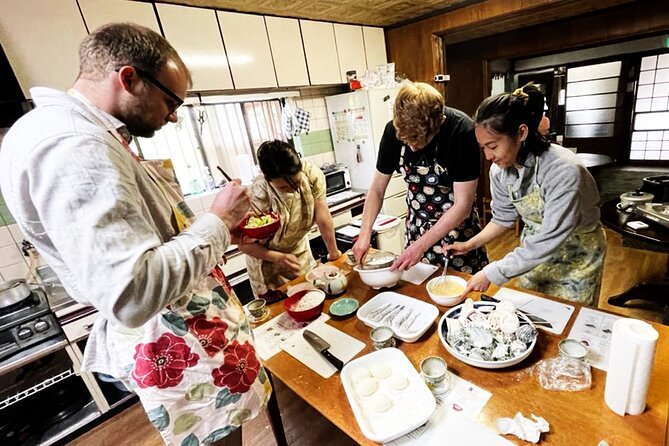
The class promises hidden techniques for crisp results, and the way it’s described tells me the emphasis is on habits, not just ingredients. Tempura is often marketed like a mystery seafood-and-flour combo. It’s not. It’s structure, timing, and heat control.
You’ll get instruction that works for both beginners and experienced cooks. That balance is exactly why this class is approachable. If you’re new, you’ll understand what to watch and why. If you already cook, you’ll likely appreciate the more precise adjustments, especially around how you handle shrimp and vegetables for even frying.
One small but important benefit: you’re making food you can immediately taste. That feedback loop is huge. You can compare your work to what you’re aiming for, and you can adjust quickly before the class ends.
Miso soup with hand-shaved bonito, not shortcuts
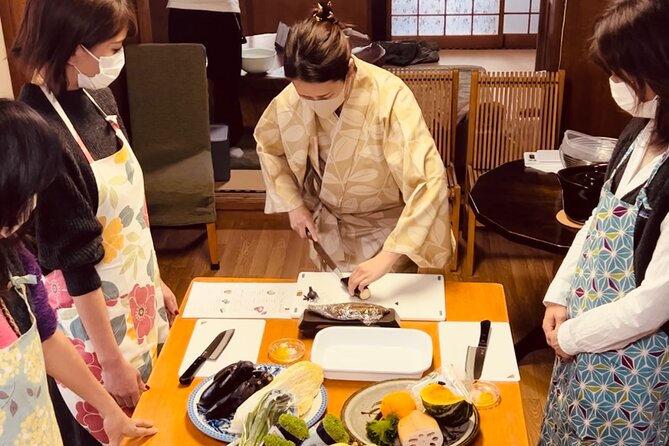
Now for the part that feels the most distinctive: the miso soup. This class is designed to create miso soup the most authentic and traditional way, and the signature technique is how the broth starts.
Instead of using packaged soup bases or ready-made extracts, you learn to shave dried bonito fish flakes using handcrafted shaving equipment. This step is described as something most Japanese locals have never experienced, and honestly, it tracks. It’s a skill that requires patience and a light touch.
Why you should care: the aroma changes. When you shave bonito, you’re creating fresh flakes right when you start the broth. That means your kitchen smells more like real seafood umami than like something that’s been sitting. It also teaches you how traditional Japanese cooking often starts with careful preparation.
The class frames it as fresh flavor from real technique. You might find that once you understand the process, you’ll stop thinking of miso soup as a “minute job.” You’ll see it as a broth-building project with a clear beginning.
Not ready to leave Osaka yet? A few more ways to fill the day.
- Kyoto Full Day Tour from Osaka with Licensed Guide and Vehicle
★ 5.0 · 29 reviews - Private arrival transfer from Osaka Itami International airport to Kyoto City
★ 5.0 · 26 reviews - Osaka Half-day E-bike Adventure: Minoh Falls & Katsuoji Temple
★ 5.0 · 25 reviews
Tasting your results, plus a relaxed chat after class
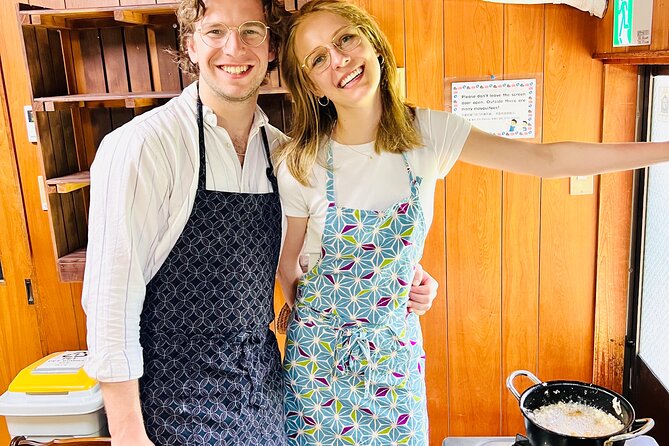
This lesson isn’t just cook, finish, leave. After you cook, you’ll taste what you made. That matters for two reasons. First, you learn what “good” feels like, texture-wise and aroma-wise. Second, you can connect the instructions to real outcomes rather than guessing.
Yuki sometimes invites local friends to join after class. The idea is a casual chat where you can exchange language and culture. That’s where the class becomes more than a recipe workshop. If you’re the kind of traveler who likes to ask simple questions and then follow up, this part can be genuinely rewarding.
Price and value: $84.95 for two dishes and small-group teaching
At $84.95 per person, this class isn’t cheap. But it’s not random pricing either. You’re getting a focused cooking session, around 2 hours 30 minutes, with a menu that includes both tempura don-buri and traditional miso soup.
You’re also paying for small-group instruction, max 6 people. In cooking classes, that’s often the difference between learning and just observing. The method details matter too. Hand-shaving bonito is not something every class includes, and it takes time and equipment.
If your goal is just to eat a nice meal, you can do that in Osaka for less. If your goal is to learn how to reproduce two Japanese staples with credible technique, the price starts to make sense.
Who this class fits best (and who might want something else)
This is a strong choice if you want a beginner-friendly intro to Japanese cooking. The teaching approach is described as patient, and the tone is mindful and joyful, which is exactly what helps when you feel clumsy in the kitchen.
It’s also a good match if you already cook. You get specific instruction on tempura crispness and on miso soup technique, not just generic steps. And because the group is small, you can ask questions and actually get answers.
You might want a different class if you’re chasing a fast, party-style cooking experience with lots of downtime. This one sounds calmer and more technique-driven. Think “learn and taste,” not “tour and snack.”
Should you book this Osaka cooking class?
Book it if you want hands-on skills you can reuse, especially for tempura don-buri and miso soup. The hand-shaved bonito element is the kind of detail that makes the lesson feel real, not copy-paste. If you value patience in teaching and like the idea of a small group, this fits your style.
Skip it if you need a very energetic, big-group atmosphere, or if you’re traveling without any flexibility for weather. The class depends on decent conditions, and it happens in a quiet residential area, so plan your day with some breathing room.
If you’re already in Osaka or nearby and you want one genuinely Japanese activity that teaches technique instead of just feeding you, this class is a solid bet.
FAQ
What is the duration of the experience?
The cooking class lasts about 2 hours 30 minutes.
Where does the class take place?
It starts at Yuki Wada Cooking Classes, 4-19 Nukatachō, Higashiosaka, Osaka 579-8021, Japan, and it ends back at the meeting point.
What dishes will I cook?
You’ll make tempura don-buri and miso soup.
How is the miso soup made in this class?
The broth uses a traditional method that includes carefully shaving dried bonito fish using handcrafted shaving equipment.
Is the class vegetarian-friendly?
Vegetarians are welcome. You should let the provider know in advance about any dietary restrictions.
How many people are in the group?
The class has a maximum of 6 travelers.
Do I get a mobile ticket?
Yes, the experience includes a mobile ticket.
What is the cancellation policy?
Free cancellation is available. You can cancel up to 24 hours in advance for a full refund, based on local time.
What happens if the weather is poor?
The experience requires good weather. If it is canceled due to poor weather, you’ll be offered a different date or a full refund.