
Reviewed · RAMEN MAKING CLASSES
Enjoy Your Own Ramen, Sushi, Gyoza, Tempura – Also Veg-friendly!
You get to make lunch, not just watch it.
This Osaka class is built around hands-on cooking with an expert chef, and you choose two menu options such as sushi, tempura, ramen, or gyoza. I like that the session mixes technique with Japanese food stories, so you understand what you are doing and why it matters, not just how to copy it. The one thing to watch is that you only make two dishes, so if you want a full sampler, you may feel limited.
The experience runs about 2 hours 30 minutes and caps at 6 travelers, which keeps the pace friendly and the guidance close. I also like the practical flexibility, because the class is listed as veg-friendly with vegetarian and halal options available when you book. One possible drawback is timing and fit: the start is 11:00 am and the meeting point is in Suita, so you’ll want to plan your morning transit carefully.
In This Review
- Key highlights
- Hands-On Osaka Lunch, Picking Your Two Dishes
- Rolling Your Own Sushi in Osaka, What You Actually Make
- Golden Tempura Bites, Learning Crispness and Batter Secrets
- Ramen and Gyoza Options, Hands-On Comfort Food With Technique
- Veg-Friendly and Halal Options, How to Choose Your Menu
- Where You Meet in Suita, and How to Get There Stress-Free
- Price and Value: What $65.34 Buys You in a Small Group
- A Note on the One Negative Review and How to Protect Yourself
- Who This Cooking Class Is For (and Who Might Skip It)
- Should You Book This Osaka Sushi and Tempura Workshop?
- FAQ
- What is the duration of the cooking experience?
- Where does the experience take place?
- What dishes can I choose to cook?
- Do I need any cooking experience?
- Is the experience vegetarian or halal friendly?
- How large is the group?
- What time does the class start?
- How do I get my ticket?
- What is the cancellation policy?
- What if the experience is canceled due to minimum travelers?
Key highlights
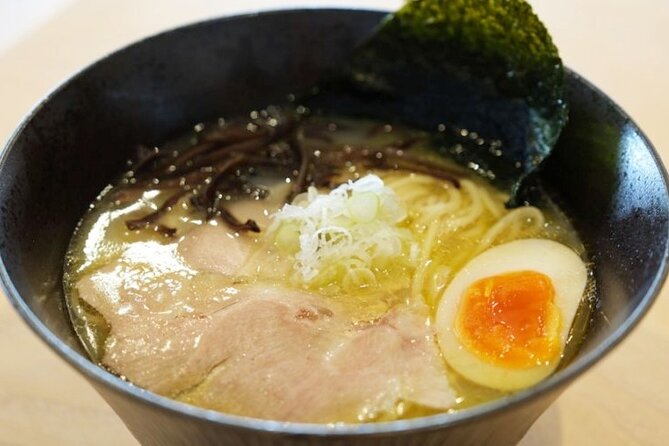
- Choose 2 dishes from sushi, tempura, ramen, or gyoza, guided step-by-step
- Small group size (max 6), so you get real attention from the chef
- Sushi rolling and tempura frying with a focus on textures and technique
- Seasonal-feeling craft moments, plus cultural stories behind ramen, sushi, and tempura
- Vegetarian and halal options available with advance notice
- Eat what you make, in a warm, friendly setting with time for photos
Hands-On Osaka Lunch, Picking Your Two Dishes
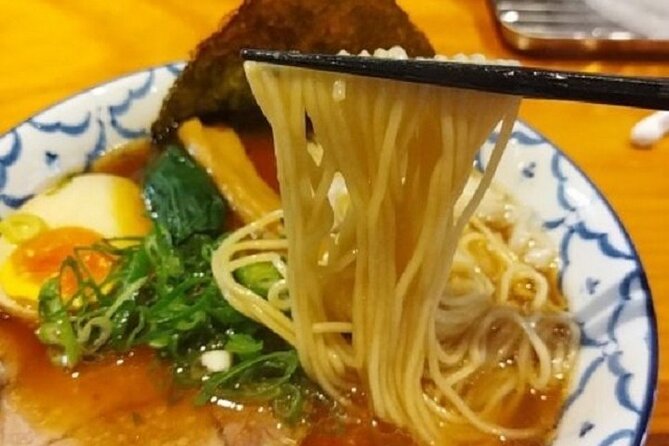
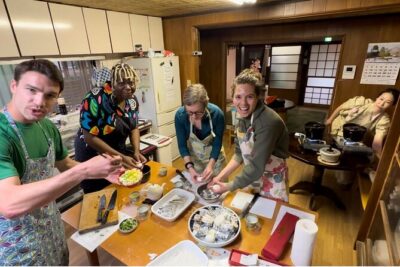
If you like food that is part science, part art, this is the kind of cooking class that clicks fast. You do not shuffle through a buffet or sit through a lecture. You pick your menu, you work at the station, and you end up eating what you made.
Here is how the class is set up: you meet for a session that lasts about 2 hours 30 minutes, starting at 11:00 am. You then choose two from Japan’s iconic dishes: sushi, tempura, ramen, or gyoza. No previous experience is needed. The chef guides you through the steps, and the format is friendly enough that you can focus on getting comfortable with the motions and the timing.
Also, this is a small group, with a maximum of 6 travelers. That matters more than it sounds. In a bigger class, you can spend the time waiting for a turn. Here, you should be able to ask questions and get corrections before your food turns into a science experiment.
You get a mobile ticket, which is a small thing, but it helps in Japan where you do not want to fumble with prints and screenshots mid-transit. And the whole experience ends back at the meeting point, so you are not dealing with a long ending commute.
One more note that you should like if you enjoy culture with your meal: as you cook, you hear cultural stories tied to the dishes. Expect things like how ramen varies by region, how sushi evolved, and the secret to that golden tempura batter. That kind of context helps the techniques stick, because you are not memorizing steps in a vacuum.
Build a bowl from the broth up
- Cook Homestyle Ramen and Gyoza from scratch★ 5.0 · 4 reviews
- Cultural Cooking Class Featuring Ramen Sushi and Tea Ceremony★ 5.0 · 2 reviews
- Osaka: Five Must-See Highlights Walking Tour & Ramen Lunch★ 4.7 · 411 reviews
- Osaka: Ramen and Gyoza Cooking Class in Dotonbori★ 5.0 · 378 reviews
- Ramen and Gyoza Cooking Class in Osaka★ 5.0 · 202 reviews
Rolling Your Own Sushi in Osaka, What You Actually Make
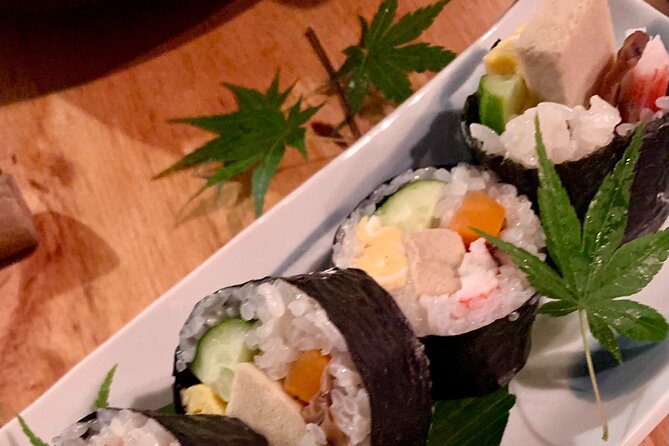
Sushi sounds simple until you have to roll it neatly and build the right balance of flavors in each bite. The good news is that the class starts you where you are. Your chef walks you through the process, from prepping ingredients to rolling with care.
What you will focus on is fresh ingredients and the technique behind the roll. The class description emphasizes selecting ingredients, and it frames rolling sushi as a craft, not just assembly. In practical terms, this is where you learn to treat sushi like a texture experience. You learn to think about how the rice feels, how the fillings sit, and how the roll should hold together without becoming a compressed brick.
The cultural part is not just trivia. You get a story about how sushi evolved, which gives you a sense of where the modern versions come from. That matters because once you understand sushi as a changing tradition, you stop chasing perfection and start chasing the right style for the ingredients you are using.
The class also includes tips for recreating the results at home. Not vague tips like mix something and hope. More like, remember what you did with the preparation and handling, and you will get closer to the same texture. Even if you never become a sushi chef, you will leave with a mental checklist for what makes a roll look good and taste right.
Golden Tempura Bites, Learning Crispness and Batter Secrets
Tempura is the dish that makes people nervous in cooking classes, because crispness is unforgiving. If the batter is wrong or the timing is off, you end up with food that is heavy instead of airy.
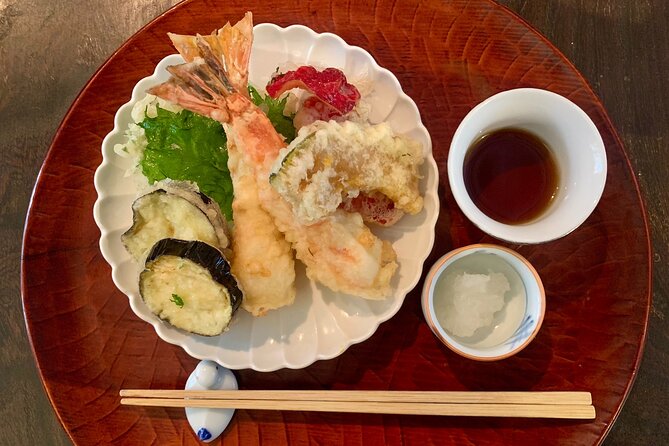
Here, the setup is built around frying and technique. You are not just watching someone else do it. You are guided through frying tempura and learning what the description calls the secret to that golden tempura batter. That phrase matters because it points to the real goal: a color you can trust and a coating that stays crisp.
You also learn about delicate preparation, which is key. Tempura is sensitive to how you handle the batter and how you move through the steps. The chef’s job is to help you avoid common mistakes, like making the coating too dense or rushing the process so the batter does not behave the way it should.
And then, as you cook, you get cultural context. You hear stories connected to tempura and why Japanese batter and frying became known for that signature look and crunch. I like when a class does not treat tempura as just fried food. It treats it as a style with rules.
At the end, you eat what you made. That is a big part of the value here, because you instantly learn what worked. If one part did not, you notice it right away while the chef can still explain what to tweak next time.
Ramen and Gyoza Options, Hands-On Comfort Food With Technique
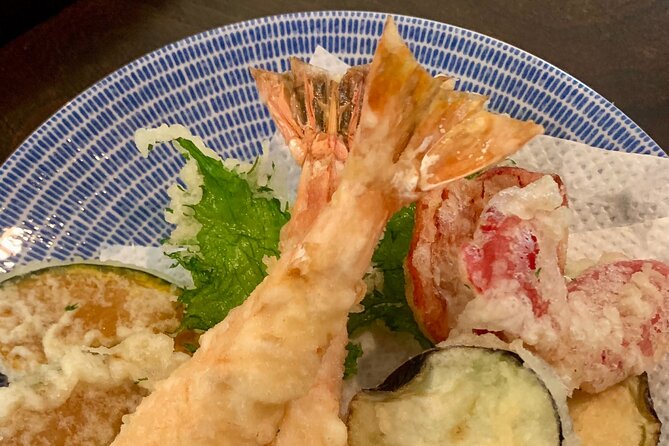
You get to choose ramen or gyoza as one of your two dishes, so your meal can lean toward comfort and slurpy satisfaction, or toward bite-sized savory pockets.
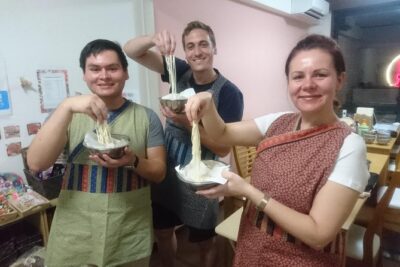
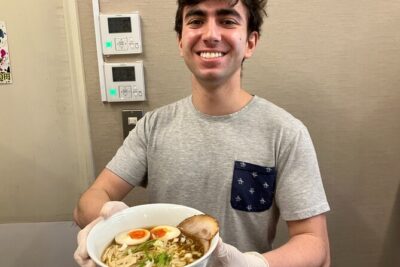
For ramen, the class focuses on making it from scratch. The description highlights learning to simmer savory ramen, which implies time and patience, not just boiling water and hoping. Ramen is about depth, and simmering is where that comes from. Even if you only make a portion of the overall dish process, you should come away with an idea of what to pay attention to: the flow of flavors over time and the difference between quick heating and careful simmering.
The cultural story here is specific: you learn about how ramen varies by region. That is one of the most useful pieces of context you can get in Japan, because it explains why ramen can taste different in ways that are not random. After that, you stop thinking there is one correct bowl, and you start noticing style.
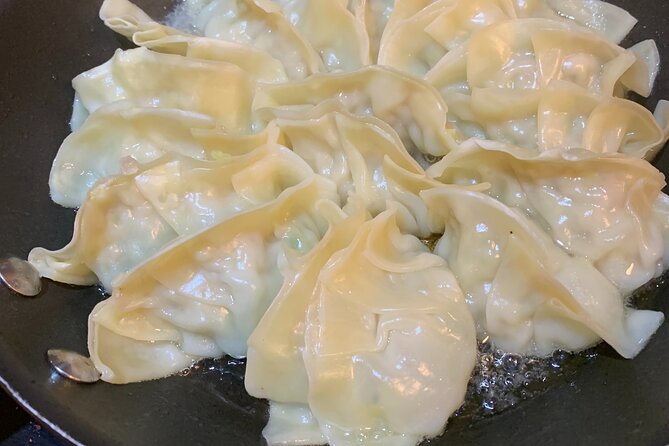
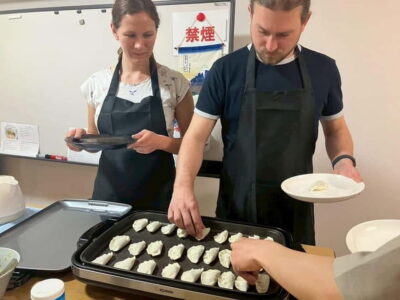
For gyoza, your focus is on folding and shaping. The class description calls them juicy gyoza and emphasizes learning to fold them. That means you get the tactile part of the process, not just plating. Gyoza folding is one of those skills that looks simple until you try it. You learn to get the folds right enough to hold the filling and create that familiar dumpling shape.
Since this is a hands-on format, both ramen and gyoza options work best if you enjoy practical skills and you want to be able to recreate them later. If you are the type who likes to cook on vacation so you can bring home the memory, you will love the result.
Veg-Friendly and Halal Options, How to Choose Your Menu
Japan is often easy to navigate, but your diet still needs a plan. This class is explicitly veg-friendly, and it offers vegetarian and halal options if you share your preferences when booking.
That affects more than your peace of mind. It affects your menu selection. Because you only pick two dishes, you should choose what fits your eating needs while still giving you variety. If you are vegetarian, you can still aim for the sushi and tempura styles while making sure you are not accidentally getting something with fish-based ingredients.
Halal needs also matter for things like sauces, cooking oils, and ingredient bases. The key point is that the organizer says you can request this in advance, so do it. Do not wait until you arrive and hope. Send your dietary requirements when you book so they can guide the chef on what to prepare.
If you want the most balanced experience, consider pairing one item that teaches cutting and assembly (sushi or gyoza) with one item that teaches cooking technique and texture (tempura or ramen). That combination gives you variety in skills and flavors without overloading you.
Not ready to leave Osaka yet? A few more ways to fill the day.
- Full Day Tour of Kyoto with Private Transportation
★ 5.0 · 130 reviews - Sakai – Knife Factory and Craft Walking Tour
★ 5.0 · 44 reviews - Kyoto private tour (Shore excursion available from Osaka or Kobe port)
★ 5.0 · 39 reviews
Where You Meet in Suita, and How to Get There Stress-Free
The meeting point is in Suita, Osaka Prefecture: アロマセラピールーム クルム 1-chōme-41-11 Tarumichō, Suita, Osaka 564-0062, Japan. The good part is that it is listed as near public transportation, so you are not locked into taxi-only travel.
Your start time is 11:00 am, and you return to the same meeting point when the experience ends. That makes it easier to plan the rest of your day. You can build your Osaka afternoon around being back at your starting location, rather than chasing a new pickup.
My practical advice: give yourself extra time to get there before the class begins. Cooking classes do not love late arrivals, and you will enjoy yourself more if you settle in first. If you are using a phone navigation app, double-check the address spelling and neighborhood name.
Price and Value: What $65.34 Buys You in a Small Group
The price is $65.34 per person for roughly 2 hours 30 minutes. That price can look either steep or fair depending on what you compare it to, so here is how I would judge the value.
First, you are not paying for a meal alone. You are paying for a guided hands-on experience. That includes technique coaching for rolling sushi and frying tempura, plus either ramen or gyoza. You also get to eat your creations, not just watch and snack.
Second, the group size is small, max 6 travelers. Small-group cooking sessions tend to cost more than large, production-style classes, but you usually get better attention. In this case, that attention is part of what you are buying.
Third, the class includes cultural stories tied to the dishes. That can sound like fluff, but it is actually useful. When you learn why ramen differs regionally or what makes tempura batter behave the way it does, you can recreate results at home with fewer guesswork steps.
Balanced downside: since you choose only two dishes, you might feel like you are missing out if your goal is to taste everything. Still, the trade-off is that you spend more time doing, and that is the whole point of this class.
Overall, I see this as good value if you want real cooking skills, not just a food stop. If you mainly want to eat and take photos, you might find better value at a regular restaurant. But if you want the technique and the story, this pricing makes sense.
A Note on the One Negative Review and How to Protect Yourself
One caution I cannot ignore: there is a very harsh low rating tied to rude service. The operator responded that the workshop had been paused because the instructor was sick and that they did not find the reviewer’s booking linked to their activity.
I do not treat that as proof that anything will go wrong for you. But I do treat it as a reminder that cooking classes can be affected by staffing. Your best move is simple: after booking, keep your confirmation handy, and if anything seems off, message the organizer ahead of time. If the class is canceled, you want to know quickly so you can plan your Osaka day.
Who This Cooking Class Is For (and Who Might Skip It)
This experience fits best if you want an active food day and you like learning through doing.
You’ll enjoy it if you:
- like hands-on cooking and want skills you can use later
- enjoy sushi, tempura, ramen, or gyoza and want a guided approach
- travel with patience for a small-group setting and step-by-step instruction
- need vegetarian or halal options and want to make your menu decisions with help
You might want to skip it if:
- your top priority is trying every dish possible in one sitting
- you are in a rush and cannot comfortably make an 11:00 am start
- you prefer purely restaurant dining rather than cooking practice
The format is small and personal, so it is not built like a big sightseeing attraction. It is built like a class. If you show up ready to cook, you should leave with a stronger sense of Japanese techniques and flavors.
Should You Book This Osaka Sushi and Tempura Workshop?
I would book this if you want more than eating in Osaka. The value is in choosing two dishes and learning the process, especially the combination of sushi rolling and tempura frying plus a comfort option like ramen or gyoza. The small group size helps you actually get guidance, and the cultural stories give you context that makes the skills stick.
The main reason you might hesitate is simple: you only make two dishes. If your dream day is tasting a wide spread, a different kind of food experience may suit you better. If your dream day is cooking and learning, this is a strong match.
FAQ
What is the duration of the cooking experience?
It runs for about 2 hours 30 minutes.
Where does the experience take place?
It takes place in Osaka Prefecture, with the meeting point at アロマセラピールーム クルム 1-chōme-41-11 Tarumichō, Suita, Osaka 564-0062, Japan.
What dishes can I choose to cook?
You choose two from sushi, tempura, ramen, or gyoza.
Do I need any cooking experience?
No experience is needed. The chef guides you step-by-step.
Is the experience vegetarian or halal friendly?
Yes. Vegetarian and halal options are available if you tell the organizer your preferences when booking.
How large is the group?
The maximum group size is 6 travelers.
What time does the class start?
The start time is 11:00 am.
How do I get my ticket?
This activity uses a mobile ticket.
What is the cancellation policy?
You can cancel for a full refund up to 24 hours before the experience’s start time. If canceled later than that, the amount paid is not refunded.
What if the experience is canceled due to minimum travelers?
If it’s canceled because the minimum number of travelers is not met, you’ll be offered a different date or a full refund.
Just added around Osaka





Ramen Making Classes, compared.

Five Must-See Highlights Walking Tour & Ramen Lunch
Read our review →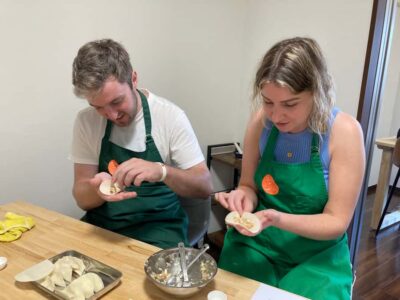

Walking Tour of Osaka’s 5 Must-See Sights, with Ramen for Lunch
Read our review →
Cooking Ramen&Gyoza/KatsuCurry/Bento/Okonomiyaki+Store Tour@Osaka
Read our review →
This tour also fits