Reviewed · OSAKA
Discover Japanese Tea Blending Techniques in Osaka
Tea blending in Osaka is cozy and hands-on. You’ll brew several Japanese tea styles, then mix tradition with modern tea cocktails. It’s the kind of 2-hour class that leaves you with better habits at home and a few gifts to share.
I especially love the small-group feel and the way the host, Ko, guides you through both the why and the how. You’ll also get to taste across sencha, oolong, hojicha, and matcha, not just one safe cup. The main thing to consider is that the session includes cocktail-making with natural ingredients and alcohol infusion, so it’s not strictly a non-alcohol class.
In This Review
- Key highlights to know before you go
- Starting at Namba Yasaka Jinja, and why the small group matters
- The tea lineup: sencha, wakocha, oolong, hojicha, and matcha
- Sencha
- Wakocha (Japanese black tea)
- Oolong
- Hojicha
- Matcha
- How Ko teaches the brew: temperature, tools, and steady hands
- A practical way to taste during the class
- Tea rituals meet cocktails: fruit-infused blends and alcohol
- Traditional Japanese sweets: the sweet side of tea
- Sweets, samples, and takeaway recipes you can actually use
- How to use the take-home samples
- Price and timing: is $54.46 for 2 hours a smart deal?
- Who should book this Osaka tea blending workshop?
- FAQ
- FAQ
- How long is the tea blending workshop in Osaka?
- What time does the workshop start?
- Where do I meet for the experience?
- Is this a small group activity?
- What teas will we learn about and brew?
- Do you make tea cocktails in addition to brewing tea?
- Can I take anything home?
- Is free cancellation available?
Key highlights to know before you go

- Brew a tea lineup: sencha, wakocha (Japanese black tea), oolong, hojicha, and matcha
- Learn real brewing control like temperatures, technique, and handling tools
- Tea rituals plus modern mixology with tea cocktails and natural fruit ingredients
- Hands-on, not lecture-only, with a guided “apply the tradition” activity
- Take-home recipes and small samples so you can keep experimenting back home
- A calm start point in Osaka near Namba Yasaka Jinja, in a less touristy part of town
Starting at Namba Yasaka Jinja, and why the small group matters
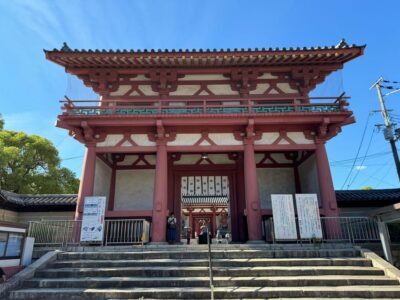
This workshop starts at Namba Yasaka Jinja in Naniwa Ward. Meeting there is a nice reset. You’re not jumping straight into neon or souvenir streets. It also signals that you’re going to a real local neighborhood setting, not a generic classroom vibe.
You’re scheduled for 3:00 pm and you’ll be at it for about 2 hours. That timing is practical in Osaka, because you can sleep in a bit, wander lunch plans in the morning, then still have evening energy left.
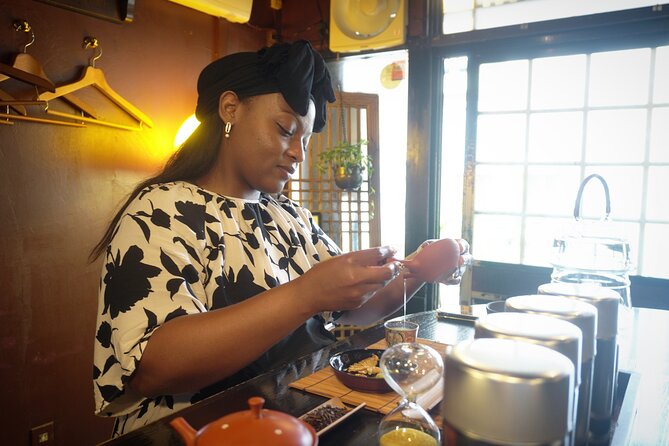
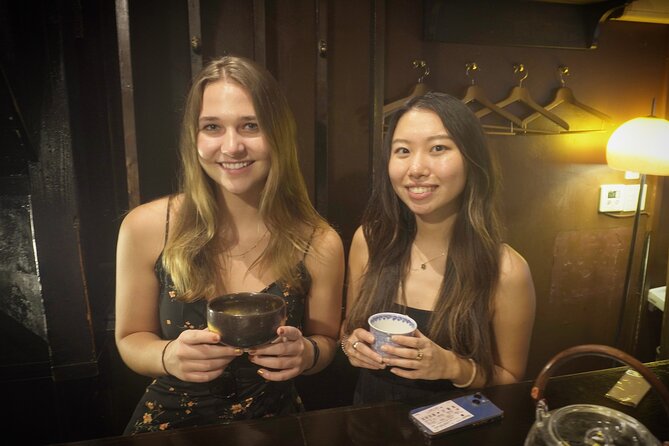
The bigger advantage is the group size. With a maximum of 3 travelers, the class becomes a conversation. You can ask Ko questions as you brew, and he can correct small technique issues quickly, like how you handle tools and how you control your pour. If you’ve ever sat in a big group tasting where you just watch, this feels different.
Osaka is Japan's kitchen, and Kyoto, Nara, and Himeji are all close enough for a day trip.
- Osaka Go Karting Tour with Funny Costume★ 5.0 · 2,658 reviews
- Osaka Castle: Museum and Tower Entry Ticket★ 4.5 · 2,380 reviews
- Osaka: Shinsekai Food Tour with 13-15 Dishes at 5 Eateries★ 4.8 · 2,204 reviews
- Osaka Food Tour: 13 Dishes at 5 Local Eateries★ 5.0 · 2,149 reviews
- Hungry Osaka Street Food Tour:15 Tastings & 3 Drinks with a Local★ 5.0 · 1,727 reviews
The tea lineup: sencha, wakocha, oolong, hojicha, and matcha
A lot of tea tastings stay narrow: one tea, one lecture, one sip. This class gives you a fuller map of Japanese tea styles, and that helps your palate learn faster.
Here’s what’s included in the session, and what each one teaches you:
Sencha
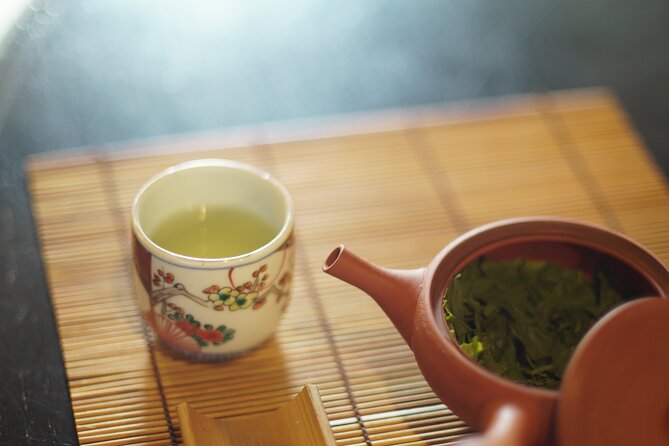
You’ll learn how to brew green tea (sencha) properly, with attention to brewing temperature, technique, and tool handling. Sencha is often the entry point for many people, but the point here is precision. When the temperature or timing is off, sencha can taste harsh or flat. Ko’s approach makes you pay attention to those signals.
Wakocha (Japanese black tea)
You’ll also brew Japanese black tea (wakocha). This is useful because it broadens your idea of what tea can taste like. Instead of only thinking “green tea equals fresh and grassy,” you experience a different structure and flavor direction.
Oolong
Japanese oolong adds another layer. Ko walks you through brewing so you get the balance right instead of letting it turn bitter or muted. Oolong is a great teacher-tea because it rewards small adjustments.
Not ready to leave Osaka yet? A few more ways to fill the day.
- Osaka: Tea Ceremony Experience
★ 4.9 · 1,426 reviews - Osaka Kickstart: Hotspots & Hidden Gems Tour
★ 5.0 · 1,306 reviews - Deep Backstreet Osaka Tours (Option to add Dinner)
★ 5.0 · 1,290 reviews
Hojicha
Hojicha is roasted tea, and it’s famous for being gentler than many expect. In this class, you’ll learn the correct brewing approach so the roasted notes come through cleanly. It’s also the tea that tends to change people’s minds. If your only memory of hojicha is vending-machine cups, this format gives you a more nuanced baseline.
Matcha
Finally, you’ll brew matcha and learn its place in Japanese tea culture. Matcha isn’t just another tea. It’s a different texture and method, and it has a different “you can taste the differences” learning curve. This is one of the reasons matcha shows up so often in modern drinks, from lattes to matcha-based cocktails.
The class doesn’t treat these teas as separate worlds. It connects them into a practical skill set: how to brew, how to handle tools, and how to recognize what you’re tasting.
How Ko teaches the brew: temperature, tools, and steady hands
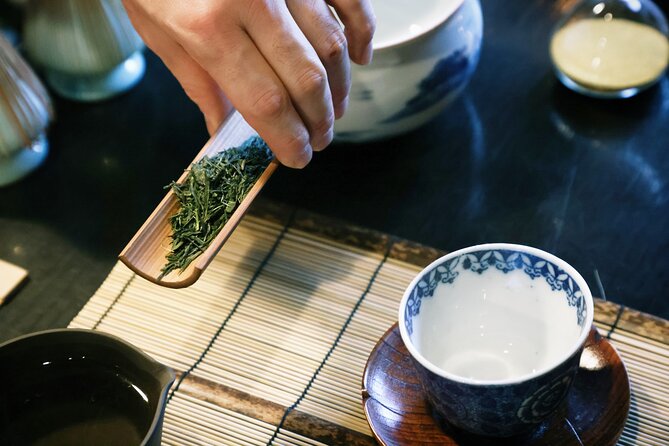
Ko’s teaching style matters. In a hands-on workshop, the difference between good tea and great tea is often small things you don’t realize you’re doing wrong.
You’ll go over basic brewing knowledge that includes:
- Brewing temperatures
- Technique
- Handling tools
And you won’t just be told to follow steps. Ko explains the purpose behind them. That matters because it turns the experience into something you can repeat later, instead of copying a “one-time recipe.”
One detail I really like is that Ko focuses on physical technique. For example, in similar sessions he has shown people the correct way to hold a teapot and explained why it matters. When the angle, grip, and control are right, you get more consistent pouring and better extraction.
A practical way to taste during the class
As you brew each tea, don’t treat tasting like a speed test. You’re training your senses. Try this approach:
- Take one sip for flavor.
- Take a second sip and focus on bitterness and finish.
- Note the aroma right after you pour.
When you switch teas, you’ll start recognizing how temperature and timing change the cup. That’s the real payoff of learning multiple tea styles in one session.
Tea rituals meet cocktails: fruit-infused blends and alcohol
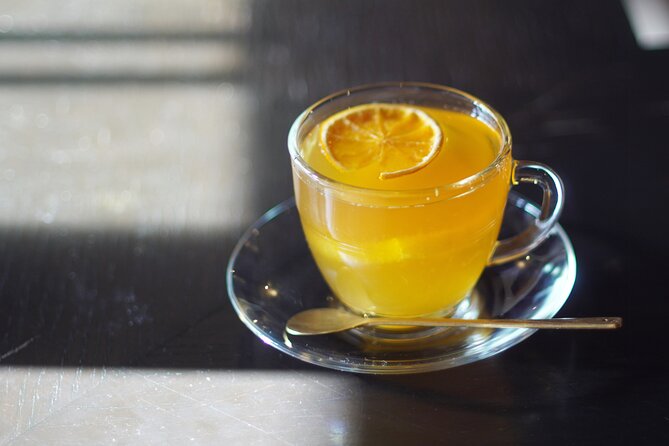
This workshop mixes old and new on purpose. Japanese tea rituals are part of the story, but the hands-on activity brings you into modern flavor thinking.
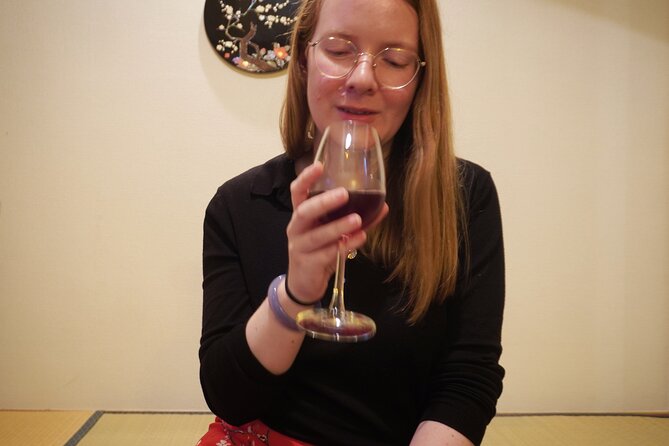
After the traditional brewing lessons and discussion of the philosophy of Japanese tea culture, you’ll make tea drinks using a new technique set. The class includes:
- Tea cocktails
- Natural ingredients like fruit
- A step that involves infusing it with alcohol
- Tasting a tea cocktail
In plain terms, you’re learning how to keep tea as tea, even when you’re turning it into a drink that feels more like a cocktail bar creation.
This is where the workshop can surprise you in a good way. Many people assume tea culture means quiet cups and strict rules only. Here, you learn that tea culture also supports experimentation, as long as you respect the base flavors and brewing fundamentals.
Traditional Japanese sweets: the sweet side of tea
You’ll also sample traditional Japanese sweets during the experience. That’s not just a snack break. Pairing tea with sweets helps you understand how tea’s bitterness, roastiness, and sweetness balance out on the palate. When you go home, those pairings can turn into a simple ritual for evenings, not just “tea day.”
Sweets, samples, and takeaway recipes you can actually use
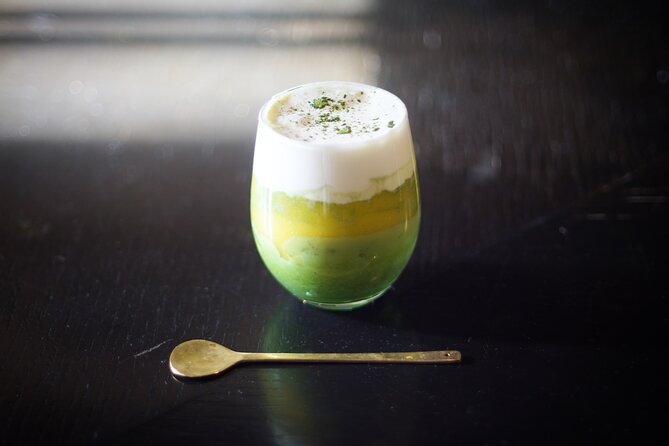
The best souvenirs are the ones you can use next week. This workshop gives you recipes and small samples of the beverages and tea you learn to make.
That take-home format is a smart value for three reasons:
- You can practice your brewing at home while the steps still feel fresh.
- You can share small portions with friends or family without needing a full tea order.
- You can compare your results to your memories of the class, and fix mistakes faster.
How to use the take-home samples
When you get your small samples, open them in small batches. Tea can lose freshness with air exposure. Brew one cup soon, taste it, then keep the rest sealed. If you’re trying different teas, start with the gentler ones like sencha, then move to roasted hojicha, then finish with matcha when you’re ready for the strongest flavor payoff.
Also, save the cocktail recipes. Even if you don’t make cocktails often, you can use the base idea for non-alcohol versions by adjusting how you flavor and blend the tea. The key learning you take home is technique and balance.
Price and timing: is $54.46 for 2 hours a smart deal?
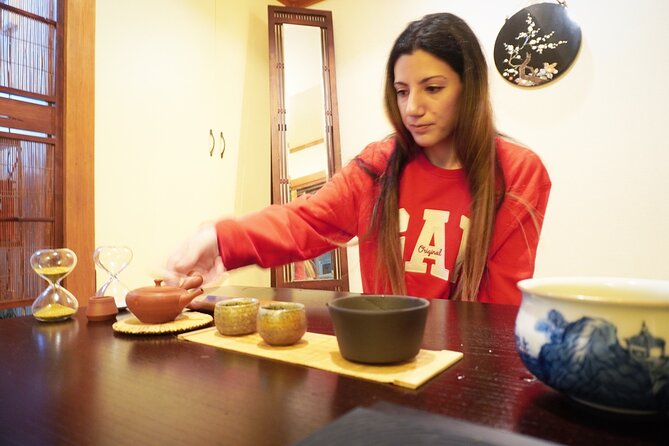
At $54.46 per person, you’re paying for more than tasting. You’re paying for:
- Brewing instruction across five tea types
- Hands-on mixing and cocktail creation
- Tea history context and tea-culture philosophy
- Recipes plus small samples to take home
- A maximum group size of 3, which is a big deal for learning speed
You also get a realistic time commitment. Two hours is long enough to brew multiple teas and make drinks, but short enough that it won’t eat your whole day. The 3:00 pm start makes it easy to plan around shopping and dinner.
Who is this best for? If you love food experiences that teach skills, you’ll like this. If you’re on a honeymoon, it’s romantic in a low-key way because it’s calm, guided, and hands-on. If you’re a tea nerd, Ko’s focus on correct brewing and technique will feel like a cheat code.
The one consideration I’d highlight again: alcohol shows up in the cocktail activity. If you’d rather keep the class non-alcohol, you might want to check the exact cocktail component before booking.
Who should book this Osaka tea blending workshop?
Book it if you want a tea experience with actual technique, not just tasting. This class is ideal for:
- Tea lovers who want to brew at home with better control
- Couples who want a shared activity that feels thoughtful and fun
- Anyone who likes hands-on workshops where you leave with practical take-home materials
- People who want an Osaka activity outside the biggest tourist loop, starting at Namba Yasaka Jinja
Skip it if you only want casual sightseeing or you’re not interested in brewing multiple tea styles. Also, if you’re avoiding alcohol completely, this might not fit your preferences since it includes alcohol infusion as part of the drink-making.
FAQ
FAQ
How long is the tea blending workshop in Osaka?
It runs for about 2 hours.
What time does the workshop start?
The start time is 3:00 pm.
Where do I meet for the experience?
You start at Namba Yasaka Jinja, 2-chōme-9-19 Motomachi, Naniwa Ward, Osaka, 556-0016, Japan.
Is this a small group activity?
Yes. The maximum group size is 3 travelers.
What teas will we learn about and brew?
The workshop covers green tea (sencha), Japanese black tea (wakocha), Japanese oolong tea, hojicha (roasted tea), and matcha.
Do you make tea cocktails in addition to brewing tea?
Yes. You’ll learn about modern and traditional use of Japanese tea and you’ll prepare tea cocktails, including sampling a tea cocktail.
Can I take anything home?
Yes. You’ll have recipes and small samples of tea and beverages to enjoy later and share.
Is free cancellation available?
Yes. You can cancel for free up to 24 hours in advance for a full refund.