Reviewed · WORKSHOPS
Osaka: Incense Blending Workshop
Make a souvenir that smells like Japan.
In Osaka, this incense blending workshop lets you pick from dozens of natural ingredients and craft a scent that fits your taste, then pack it into a wearable, room-friendly sachet. I love that the guidance comes from the family incense tradition of Osagawa Nisaburo Shoten (founded in 1854), and I like the practical, hands-on method so you are not just watching. The only real drawback to plan around is that the instruction is in Japanese, so if you want lots of back-and-forth, come with a friendly attitude and simple questions.
Here is what you do: you start selecting ingredients like sandalwood and clove, then you mix your blend following the instructor’s direction. You finish by wrapping your personalized scent into a cloth or paper sachet so you can enjoy it without burning anything. There is also an optional add-on on the same day, the RAKUGO SHOW at the same venue, so you can swap from fragrance to laughter with zero travel.
One more consideration is sensory etiquette. You should avoid strong perfumes and follow the no-smoking and no-making-fire rules, because the workshop uses fragrance materials and takes place in a controlled indoor setting.
In This Review
- Key things that make this Osaka incense workshop worth your time
- Arriving at DAIHATSU Shinsaibashi Kadoza, the easy Osaka base
- What you do in the 1.5 hour blending workshop
- The ingredients and the scent logic you can actually use
- Your take-home incense sachet: how you use it without burning
- The Osaka incense culture angle, and why it improves the workshop
- Pairing with the RAKUGO SHOW, same venue, no extra walking
- How the timing usually works
- What you get with the bundle
- Price and value: is 6,000 yen fair for this experience?
- Practical logistics that make or break your day
- Meeting point: don’t overthink it
- Bring what they ask for
- Language: plan for Japanese, and you will be fine
- Sensory rules: keep the room “clean”
- Who this workshop suits best (and who should skip it)
- How to choose a blend you will actually enjoy
- Should you book this Osaka incense blending workshop?
Key things that make this Osaka incense workshop worth your time
- You blend your own scent from dozens of natural ingredients, including sandalwood and clove
- You learn the cultural why, not just the how, tied to a shop with roots going back to 1854
- You take home a usable sachet, designed to perfume rooms, bags, clothing, and even business cards
- You can pair it with the RAKUGO SHOW at the same venue, with Rakugo plus other traditional stage acts
- It is built for a tidy timeline, with a 1.5 hour workshop window and same-day show options
Arriving at DAIHATSU Shinsaibashi Kadoza, the easy Osaka base
The experience is in the center of Osaka, inside DAIHATSU Shinsaibashi Kadoza. When you arrive, look for the red DAIHATSU Shinsaibashi Kadoza sign, then go underground from there.
This matters more than it sounds. Shinsaibashi is busy, and walking back out to hunt for the entrance after you have already paid attention to a dozen side streets is annoying. Starting with the correct sign and going underground gets you to the right room fast, so you can focus on the actual workshop.
The session ends back at the meeting point. That means no awkward, late-night “where do we meet” confusion at the end.
Other ways to spend a day in Osaka
- Sushi Making Osaka Roll and Authentic Japanese Sushi Class★ 5.0 · 1,220 reviews
- Matcha Making Class in Osaka with Authentic Japanese Sweets Set★ 5.0 · 509 reviews
- Osaka: Ramen and Gyoza Cooking Class in Dotonbori★ 5.0 · 378 reviews
- Osaka Cooking Class: Okonomiyaki &Japanese cuisines experience★ 5.0 · 261 reviews
- Osaka: Roll and Authentic Sushi Making Class in Dotonbori★ 4.9 · 239 reviews
What you do in the 1.5 hour blending workshop
Workshops run on Tuesdays, with start times that vary by week. The schedule provided shows two possible workshop windows: 1:00 p.m. to 2:30 p.m. and 3:30 p.m. to 5:00 p.m. (each is 1.5 hours).
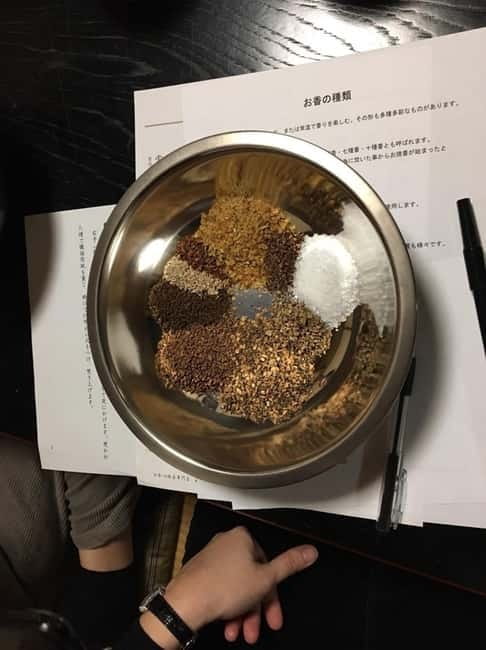
Inside, you are not just sampling. You are making decisions. You choose from a lineup of natural fragrance ingredients, then you mix and refine your scent with the instructor’s support. The goal is to create something uniquely yours, while still working within the traditional incense blending approach.
The instructor is from the Osagawa Nisaburo Shoten incense line, and that family connection helps explain why the method feels respectful rather than gimmicky. You are learning how incense blending fits into Japanese culture as an art form, not just a craft for tourists.
The ingredients and the scent logic you can actually use
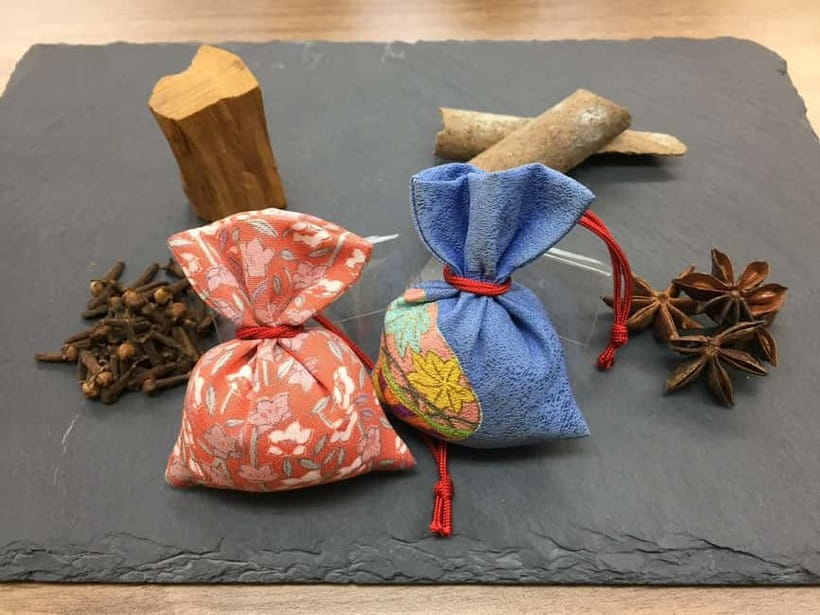
The workshop highlights that you will choose from dozens of natural materials, and it specifically mentions sandalwood and clove. Both are known for a strong aroma, and clove is described as having insect-repellent properties in this context.
Even if you do not memorize every ingredient, you can leave with a scent mindset that helps you buy (or blend) more confidently later. You start thinking like an incense maker: woodsy notes might feel grounded, spice notes can feel sharp, and certain ingredients can dominate if you overdo them.
Because you are mixing into a personal blend, you also learn the practical reality of scent proportions. Your final result is not only the list of ingredients, it is the balance between them. That is why the instructor’s guidance is valuable, especially since this is a short class and you want to get a blend you actually like.
Your take-home incense sachet: how you use it without burning
At the end, you pack your fragrance into a take-home scent sachet. The workshop describes it as a traditional method to enjoy incense without burning.
That is a big part of the value. You are not bringing home a clunky container of ash, you are bringing home something you can use in real life, right away. The workshop explains that these sachets can be:
- placed in your room
- carried in your bag
- stored with clothing
- kept with items like business cards for subtle scent transfer
In other words, you can turn your experience into daily ambiance. If you travel often, it also gives you a portable “Japan” scent that is lighter than perfume and usually easier to live with indoors.
You also receive your scent home wrapped in a beautiful cloth bag as part of the experience. That helps it feel special as a souvenir, and it protects the sachet so you can keep it neat until you decide where to place it.
The Osaka incense culture angle, and why it improves the workshop
This is not sold as incense trivia. It is taught as cultural practice, with a hands-on center.
You learn about the history and culture of Japanese incense blending, connected to a 1,500-year incense tradition. You are also taught by a 7th generation head of a traditional incense shop founded in 1854, which gives the class a sense of continuity. It is easy to forget that incense has been crafted for centuries for everyday use, rituals, and personal fragrance.
For you, that context changes how you approach the mixing part. Instead of treating this as a one-time novelty, you start to see the blend as a small personal version of a much bigger cultural process.
Not ready to leave Osaka yet? A few more ways to fill the day.
- Osaka Go Karting Tour with Funny Costume
★ 5.0 · 2,658 reviews - Osaka Castle: Museum and Tower Entry Ticket
★ 4.5 · 2,380 reviews - Osaka: Shinsekai Food Tour with 13-15 Dishes at 5 Eateries
★ 4.8 · 2,204 reviews
Pairing with the RAKUGO SHOW, same venue, no extra walking
One of the smartest options here is the same-day RAKUGO SHOW add-on. The venue is in the same place as the incense workshop, so you do not need to travel between activities.
This show includes:
- Rakugo, Japan’s classical comedy
- Wazuma, traditional magic
- Daikagura, traditional juggling
The show format gives you an energetic contrast to the slower, scent-focused workshop. After 90 minutes of choosing aromas and balancing notes, you get a stage experience that is all timing, skill, and laughs.
How the timing usually works
The Rakugo sessions listed are:
- 3:00 p.m. to 4:30 p.m.
- 6:00 p.m. to 7:30 p.m.
If you take the 1:00 to 2:30 workshop, pairing with the 3:00 to 4:30 session is the neatest fit. If you take the 3:30 to 5:00 workshop, the 6:00 to 7:30 show makes more sense, since you need time to finish and transition.
What you get with the bundle
If you book both, you get a special discount. The price listed for the workshop + Rakugo viewing set is 15,000 yen. The Rakugo attendees also receive an original Japanese tenugui (a traditional hand towel).
Price and value: is 6,000 yen fair for this experience?
The incense workshop is listed as 6,000 yen, and the summary also frames it as about $40 per person. That price can feel surprisingly reasonable once you consider what you actually take home.
You are not just making a sample vial. You are making:
- a custom scent blend
- wrapped in a cloth bag
- turned into a sachet you can use at home, in your bag, or with clothing
That is a souvenir with ongoing use, not a one-and-done item. And because the class is 1.5 hours, it is not dragging all afternoon. You can build the day around it, especially if you add the Rakugo show and keep everything at one venue.
The discounted set price of 15,000 yen for workshop plus Rakugo also adds value if comedy and stage skill are your thing. You are essentially stacking two traditional experiences in one stop, without doubling up on logistics.
Practical logistics that make or break your day
Meeting point: don’t overthink it
Find the red DAIHATSU Shinsaibashi Kadoza sign and go underground. The activity returns you to that same point, so you are not trapped miles away when it ends.
Bring what they ask for
You need an ID card. A copy is accepted, so you are not scrambling for an original at the last minute.
Language: plan for Japanese, and you will be fine
The workshop is listed as Japanese. If your Japanese is limited, you can still enjoy it by focusing on the scent selection process and using simple questions. Visual ingredient menus and the instructor’s hand-on direction should carry you.
Sensory rules: keep the room “clean”
The rules are clear and worth respecting:
- no smoking, and smoking indoors is not allowed
- no vaping
- no food
- no intoxication
- no making fire
- no strong fragrances
That last point matters. If you wear perfume, consider going light or skipping it before your appointment. The workshop is about subtle natural materials, and strong scents from outside can clash with what you are blending.
Who this workshop suits best (and who should skip it)
This works really well if you like hands-on crafts and you want a souvenir that has real everyday use. It is also a good fit if you enjoy traditional Japanese culture beyond temples and photos, especially the kind of tradition you can touch, smell, and take home.
It is less ideal if you:
- need lots of English explanation during the class
- want a passive activity where you just watch and learn without participating
- have restrictions that make fragrance environments difficult
Also note that it is not suitable for children under 6.
How to choose a blend you will actually enjoy
Since you are building your own scent, use your first instincts as a starting point. If you like warm, cozy aromas, you might lean toward woodier, calmer notes. If you like spice-forward smells, ingredients such as clove can pull a blend in that direction.
Then let the instructor help you correct it. The point is not to create a perfect “theoretical blend,” it is to create one you recognize as yours. The workshop structure is built for that, because you are guided while selecting and mixing.
And when you take it home, you can also decide how you want to use it. Some people like room scent, others like a gentle smell in a closet or bag. Your sachet makes that easy without any burning or ash mess.
Should you book this Osaka incense blending workshop?
Book it if you want a short, skill-based cultural activity that ends with something you can keep using. 6,000 yen is a fair price when you consider the take-home sachet, the hands-on blending, and the chance to learn from a long-running incense shop lineage founded in 1854.
Skip it if you are strongly dependent on English, or if fragrance-heavy rooms make you uncomfortable. Also, if your travel style is packed with back-to-back plans, double-check the Tuesday schedule and pick the workshop time that matches the RAKUGO session you want.
If your ideal Osaka day includes an art you can make yourself, plus a stage show you can enjoy without moving locations, this is a very clean choice.
Just added around Osaka


Workshops, compared.
Sushi Making Osaka Roll and Authentic Japanese Sushi Class
Read our review →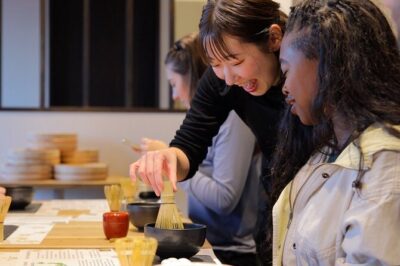
Matcha Making Class in Osaka with Authentic Japanese Sweets Set
Read our review →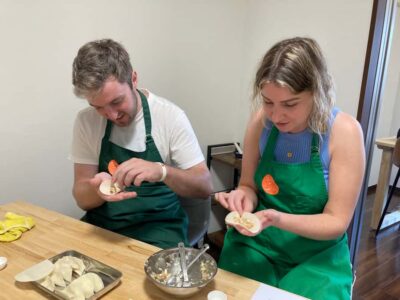
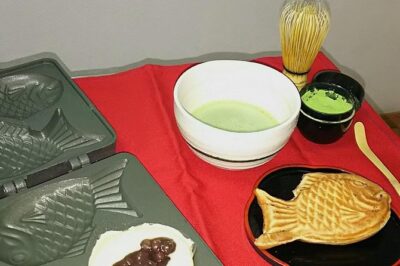
Osaka Cooking Class: Okonomiyaki &Japanese cuisines experience
Read our review →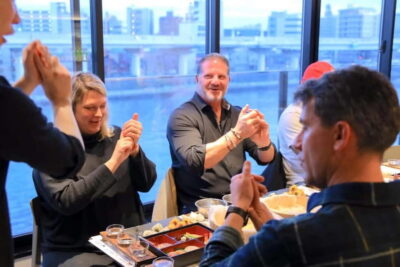
Roll and Authentic Sushi Making Class in Dotonbori
Read our review →