
Reviewed · SPA & HOT SPRINGS
Osaka: Goma Prayer Experience and Onsen Hot Springs Entry
A sacred fire ritual and hot springs in the same 7-hour stretch. I like the calm, respectful pace of the Goma prayer on Mt. Inunaki, and I also love that you finish with indoor and outdoor onsen at Inunakiyama Onsen Fudouguchikan. One thing to consider is that this is not a sit-and-snap photo trip, you’ll do real walking on mountain paths and you’ll want warm layers.
You’ll meet your English-speaking guide at Izumisano Station, join a small group capped at 8 people, and spend the day moving through temple grounds, a short guided workshop, a sacred fire ceremony, and then soaking to wind down. If you want something quieter than the usual city sightseeing, this is the kind of day that leaves you with a slower mind.
In This Review
- Key things to know before you go
- Mt. Inunaki is more than scenery, it is a sacred frame for the day
- The Shipporyuji temple stop: photos, guided time, and a short workshop
- Goma prayer on the sacred fire: write wishes on gomaki and let the ritual do its job
- Mt. Inunaki walking to Fudouguchikan: moving up, then settling in
- Onsen time at Inunakiyama Onsen Fudouguchikan: indoor and outdoor baths for real decompression
- A key 2026 change: Fudouguchikan renovation and the switch to Minamitei
- Price and value: what $161 includes, and what you still need to handle
- Practical tips that make the day smoother on the ground
- Who should book this Osaka to Mt. Inunaki Goma and onsen day
- Should you book the Goma prayer and Inunaki onsen experience?
- FAQ
- Where does the tour start?
- How long is the experience?
- How do you get to Mt. Inunaki from Osaka area?
- Is lunch included?
- What’s included in the price?
- What’s the group size?
- What languages are available?
- What should I bring?
- What are the restrictions during the tour?
- Will the onsen location change during 2026 renovations?
Key things to know before you go
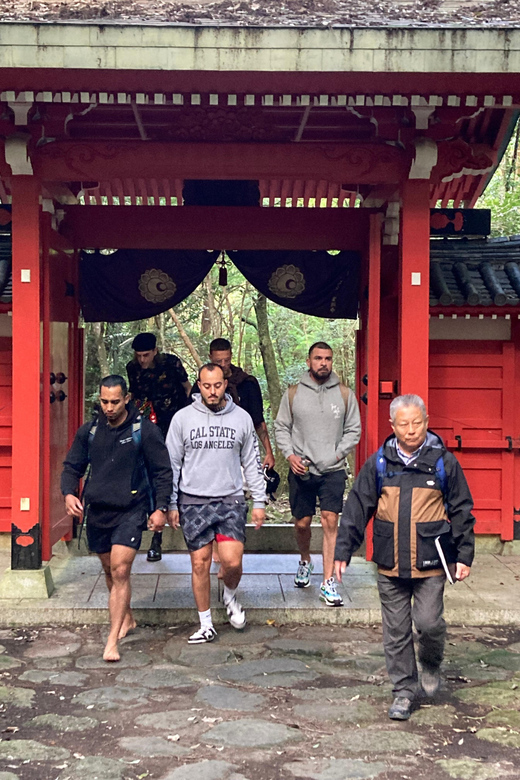
- Gomaki wishes: Write your wishes on wooden sticks and offer them to the sacred fire
- Shipporyuji temple time: Photo stops plus guided touring and a short workshop
- Light mountain trekking: Guided walking on paths around Mt. Inunaki
- Onsen reset: Soak at Inunakiyama Onsen Fudouguchikan in indoor and outdoor baths
- Small group day: Limited to 8 participants, with a live guide in multiple languages
- Renovation note for 2026: Fudouguchikan closes April 24 to September 30, 2026, and the plan switches to Minamitei
Mt. Inunaki is more than scenery, it is a sacred frame for the day
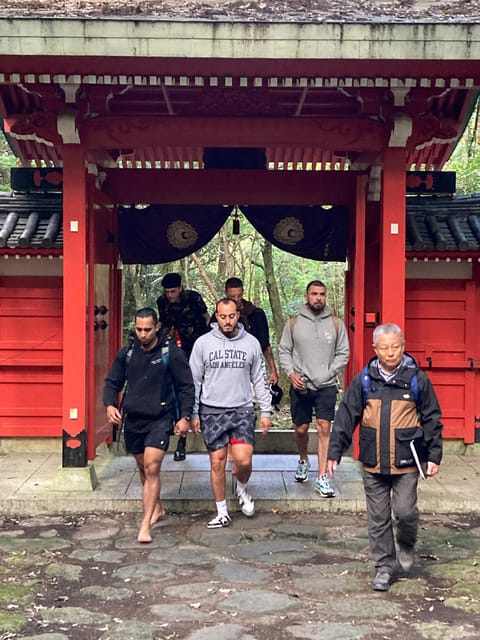
Mt. Inunaki is regarded as one of Japan’s oldest sacred mountains, and it’s now considered the birthplace of Shugen-do based on newer historical research tied to Shugen-do studies. That matters because you’re not just sightseeing on a hike, you’re stepping into a place where faith, ritual, and nature are treated as part of the same system.
I like how the day is built to slow you down. You start on mountain paths with quiet greenery and fresh air, and the rhythm of walking helps your brain drop the usual Osaka tempo. If you enjoy spirituality that feels practical, not performative, this is a good fit.
Weather changes how the mountain feels, so plan for temperature swings. The tour description makes it clear it works throughout the year, but that usually means you should be ready for cooler air on the trails and warmer conditions when you settle into the baths later.
Soak it out after a day of walking
- From Osaka: Himeji Castle, Arima Onsen & Mt. Rokko Day Tour★ 4.6 · 339 reviews
- Osaka: Solaniwa Onsen Hot Spring Visit★ 4.6 · 51 reviews
- Himeji Castle, Arima Onsen & Mt. Rokko: 1-Day Bus Tour from Osaka★ 4.0 · 28 reviews
- Osaka Temple Head Spa &Matcha Facial – Refresh & Glow〈90min〉★ 5.0 · 24 reviews
- Nara Deer Park, Uji Matcha, & Hot Spring Full-Day Tour from Osaka★ 4.0 · 21 reviews
The Shipporyuji temple stop: photos, guided time, and a short workshop
Your day uses the Shipporyuji stop as a gentle on-ramp into the region. You’ll start with a photo stop and guided tour, then you’ll get more guided sightseeing plus free time.
There’s also a lunch window, but lunch is not included, so you’ll need to buy something before you head out or pick up food during the provided lunch period. I think that’s an important detail, because it affects what you can do with your energy later. If you wait too long for food, you might end up rushed before the next walking segment.
A third Shipporyuji segment includes guided walking and a workshop that’s about 30 minutes. Even without going into specifics beyond what’s listed, the pattern here is clear: you’re learning while you’re moving, not just watching from a distance. It also gives you a chance to ask questions to your guide in a less intense setting than the sacred fire ceremony.
The main drawback for this portion is simple: you’ll be standing, walking, and paying attention on a schedule. If you prefer very independent pacing, the guide-led flow may feel a bit structured.
Goma prayer on the sacred fire: write wishes on gomaki and let the ritual do its job
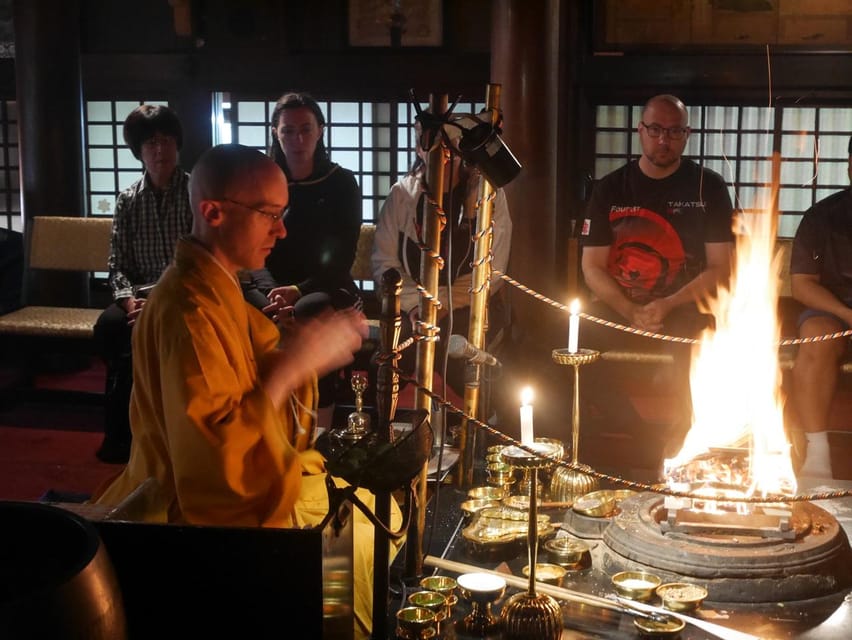
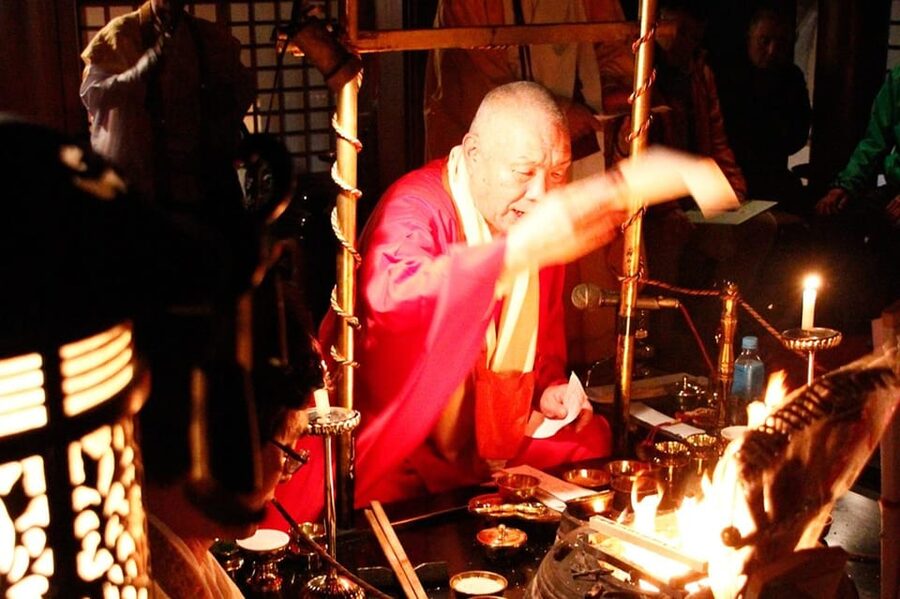
This is the heart of the experience. Goma is a ritual practice in Shingon Buddhism, an esoteric form of Japanese Buddhism. The purpose is pretty direct: to purify negative karma, remove obstacles, and fulfill wishes.
Here’s what you do: you write your wishes on wooden sticks called Gomaki, then you offer them to a sacred fire. The description also points out the setting, a main hall where you can hear the crackling of the flame. That sensory detail matters because it’s not only symbolic, it’s also immersive in a quiet way that encourages you to focus.
What I like about the way this is presented is the structure. You’re not thrown into a ritual with no context. With a live guide and a small group, you can understand what the actions mean, and that makes your participation feel respectful instead of awkward.
Also, the intention is emotional as much as spiritual. The ritual is meant to bring comfort and strength to pilgrims, so it pairs well with people who want a calm reset more than a history lecture.
A practical consideration: your mind may want to read every sign and record every step. Try to balance that with actually being present for the fire moment. If you spend the ceremony filming the whole time, you might miss the calm you came for.
Mt. Inunaki walking to Fudouguchikan: moving up, then settling in
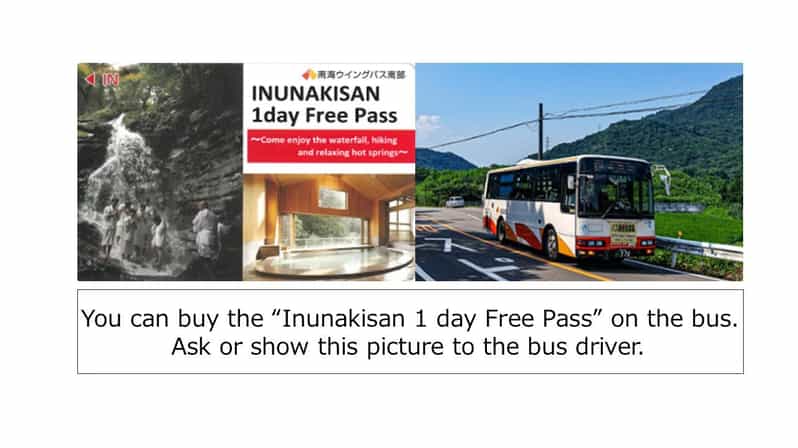
After the ceremony, you continue your journey to Inunakiyama Onsen Fudouguchikan, described as a traditional onsen ryokan at the foot of the mountain. There’s also a guided hiking segment that takes about 30 minutes, so plan your energy accordingly.
This part feels like a transition bridge. You’ve spent time in ritual focus, and now you’re walking toward something physically restorative. I like this sequencing because it turns the day into a clear story, ceremony, then recovery.
Once you arrive, you’ll have a guided tour and a photo stop around the ryokan area. The guide’s presence helps you get your bearings fast, especially if you’re unfamiliar with onsen etiquette or how bathing areas are laid out.
Don’t underestimate how useful a warm change of clothes is here. The tour asks you to bring change of clothes, and that’s not just extra packing. After mountain walking, having something comfortable for bathing and then drying off makes a big difference in how relaxed you feel.
Onsen time at Inunakiyama Onsen Fudouguchikan: indoor and outdoor baths for real decompression
The onsen portion is where the day stops moving. The hot springs wrap you in warmth and aim to support the healing powers of nature, with time that feels slower once you’re in the water.
Because the tour calls out both indoor and outdoor baths, you can choose your mood. Indoors often feels sheltered and steady, while outdoors usually pairs well with cool air and mountain views. Either way, it’s a chance to take your body out of hike mode and into soak mode.
I love that the tone here is not rushed. The experience is framed as a moment of profound tranquility, with time to simply breathe. That kind of pacing is rare in tours that try to cram in multiple attractions.
One note to keep you comfortable: bring your camera, but also remember you’ll want your attention in the bath area, not on gear. The tour includes basic rules like no smoking and no alcohol and drugs, so you should follow those both for comfort and for respect.
If you’re sensitive to crowds, this is at least a small-group day, which typically helps the bathing time feel calmer.
Not ready to leave Osaka yet? A few more ways to fill the day.
- Osaka Go Karting Tour with Funny Costume
★ 5.0 · 2,658 reviews - Osaka Castle: Museum and Tower Entry Ticket
★ 4.5 · 2,380 reviews - Osaka: Shinsekai Food Tour with 13-15 Dishes at 5 Eateries
★ 4.8 · 2,204 reviews
A key 2026 change: Fudouguchikan renovation and the switch to Minamitei
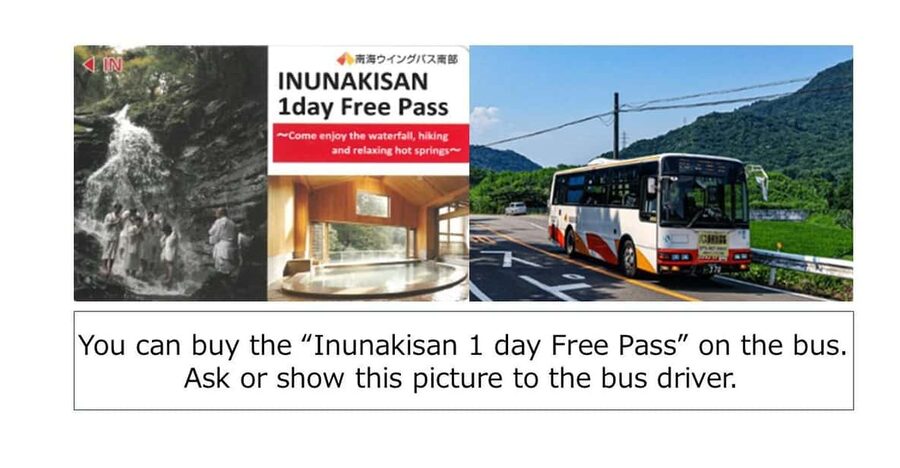
The tour description includes a major schedule update: Inunakionsen Fudouguchikan will be temporarily closed for renovation from April 24 to September 30, 2026. During that period, you’ll use the hot spring facilities at Minamitei instead.
If you’re booking for 2026 spring or summer, double-check that date range so you’re not surprised by the change. The onsen part remains the point, but the exact facility name can affect your expectations for layout and atmosphere.
Price and value: what $161 includes, and what you still need to handle
At $161 per person for a 7-hour experience, you’re paying for more than a single attraction. Your ticket includes the Goma prayer experience, the onsen admission fee at Fudouguchikan, and the bus fee to Inunakisan.
That’s the value equation I like: the most expensive parts of a day like this are often the guided ritual entry and the hot spring access, plus getting out to the mountain area. Since this tour bundles transportation and entry, you avoid the headache of piecing together multiple separate tickets and transfers.
Two costs you’ll still manage yourself: lunch is not included, and you’ll need travel insurance if you want coverage. I know insurance sounds boring, but it’s often a deciding factor for a mountain day. The listing explicitly says insurance is not included, so plan accordingly if you’re the cautious type.
One more value factor is the group size. Limited to 8 participants, the guide can actually manage the pace and help you understand the ceremony and the onsen steps. For a ritual experience, that attention is part of the price.
Practical tips that make the day smoother on the ground
This is a day of walking, so your best friend is footwear. Wear comfortable shoes and consider hiking shoes if you have them. The tour also recommends warm clothing and hiking pants, plus trekking gear if you own it.
Bring:
- comfortable shoes and hiking shoes (if you have them)
- warm clothing for mountain air
- change of clothes for after walking
- cash
- drinks
- camera
- hiking pants and trekking gear
I also like the focus on cash. It’s a small detail, but on rural mountain days, having cash helps you handle food purchases quickly when lunch is on you.
Plan your timing and energy:
- Because lunch is not included, buy it before departure or make sure you’re ready to purchase it during the lunch time.
- Pack water or other drinks so you’re not scrambling mid-walk.
- Keep your layers easy to adjust, because mountain weather can shift.
Respect matters here. The tour notes no smoking and no alcohol and drugs. If you like to bring a drink for the ride, save that for outside the tour rules.
There’s also a nice convenience: you skip the line using a separate entrance. That helps the day start smoothly and keeps the group from wasting time standing around.
Who should book this Osaka to Mt. Inunaki Goma and onsen day
This tour is a strong match if you want a cultural experience that isn’t just a photo stop. The Goma fire ritual, the emphasis on wishing on Gomaki sticks, and the quiet tone during the flame moment make it ideal for people who like meaningful structure.
It also suits you if you want a balanced day, not all intensity. Temple time at Shipporyuji gives context. The hike plus ceremony gives focus. The onsen gives your body a full stop.
You’ll likely enjoy it if you:
- like Shingon Buddhism or want to try it in an organized way
- want a calm day trip from the Osaka area with nature and ritual
- prefer small groups and a live guide in your language
- enjoy onsen and want indoor plus outdoor bath time
If you hate walking or you dislike anything spiritual, this probably won’t feel like your kind of day. The walking segments are part of why the place works.
Should you book the Goma prayer and Inunaki onsen experience?
If you’re choosing between more typical sightseeing and something more reflective, I’d say this is worth booking. You get a real ritual experience, not just a cultural walkthrough, and you finish with onsen time that helps the whole day feel like it landed.
Pick it if you can do light to moderate hiking comfortably, you’re willing to handle lunch on your own, and you want a small-group guide to steer you through the fire ceremony and then into the baths. The $161 price is easier to justify because it includes both the Goma prayer and the onsen admission, plus the bus out to Mt. Inunaki.
If you’re traveling with limited stamina or you’re looking for nonstop urban sights, you might find the pacing too calm. But if your goal is a mountain reset with Shingon ritual at the center, this is one of those days that can genuinely change your mood.
FAQ
Where does the tour start?
The meeting point is at Izumisano Station, in front of the ticket gates, where the tour guide holds a welcome board.
How long is the experience?
The total duration is 7 hours.
How do you get to Mt. Inunaki from Osaka area?
You take a bus or coach for 35 minutes.
Is lunch included?
No. Lunch is not included, so you need to purchase it before departure.
What’s included in the price?
The price includes the Goma prayer experience, onsen admission fee at Fudouguchikan (or Minamitei during renovation), and the bus fee to Inunakisan.
What’s the group size?
The tour is a small group limited to 8 participants.
What languages are available?
The live tour guide offers English, Chinese, Japanese, Korean, Traditional Chinese, and Spanish.
What should I bring?
Bring comfortable shoes, warm clothing, change of clothes, camera, drinks, hiking shoes, comfortable clothes, cash, hiking pants, and trekking gear.
What are the restrictions during the tour?
Smoking and alcohol and drugs are not allowed.
Will the onsen location change during 2026 renovations?
Yes. Inunakiyama Onsen Fudouguchikan closes for renovation from April 24 to September 30, 2026. During that period, guests use the hot spring facilities at Minamitei.
Just added around Osaka
Spa & Hot Springs, compared.
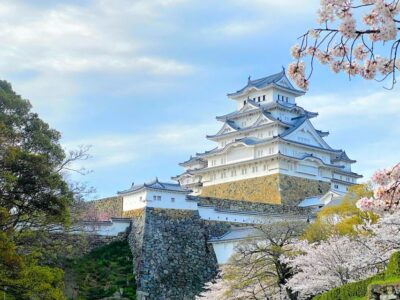
Himeji Castle, Arima Onsen & Mt. Rokko Day Tour
Read our review →
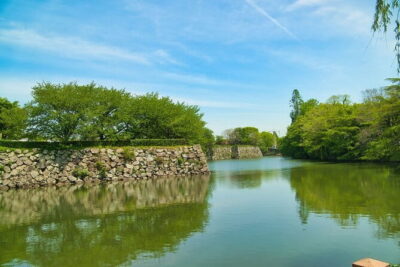
Himeji Castle, Arima Onsen & Mt. Rokko: 1-Day Bus Tour from Osaka
Read our review →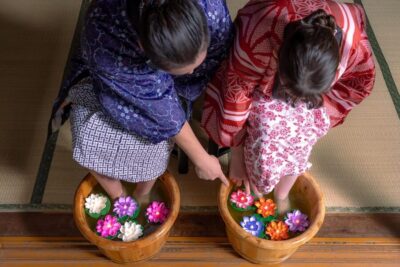
Osaka Temple Head Spa &Matcha Facial – Refresh & Glow〈90min〉
Read our review →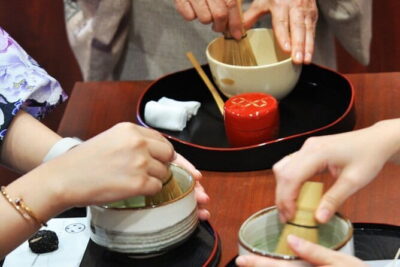
Nara Deer Park, Uji Matcha, & Hot Spring Full-Day Tour from Osaka
Read our review →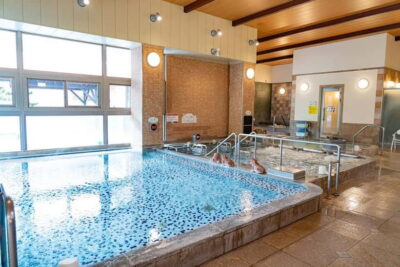
Tennen Onsen Naniwa-no-Yu, the famous hot spring spa
Read our review →
Private Car Day Trip to the Kobe Mountains, Gardens and Hot Springs from Osaka
Read our review →Zen Japanese Massage, Head Spa & Facial at the Temple <180-min>
Read our review →This tour also fits