Reviewed · OSAKA
Osaka: LGBTQ+ Life Past and Present
Gay life in Osaka takes shape fast. This tour pairs Shinsekai and Doyamacho to show how LGBTQ+ culture in Japan shifts from hidden and coded to openly social and nightlife-forward.
I like that it is built around two real neighborhoods with very different vibes. You also get an English-speaking guide from the LGBTQ+ community, plus light food and drinks, so you are not stuck figuring out where to go next on your own.
One thing to think about: this is an adult nightlife tour, with a minimum age of 20 (and Japan’s legal drinking age is also 20), so plan around that if your group is younger.
In This Review
- Key highlights to look for
- Osaka LGBTQ+ life, past and present in one night
- Price and value: what your $96.79 covers (and why it matters)
- Stop 1: Shinsekai, from spectacle to coded LGBTQ+ life
- Stop 2: Doyamacho, modern gay culture and a drink in hand
- Timing and logistics: meeting point, getting there, and what 3 hours feels like
- The guide factor, and why it changes the feel of the night
- Who should book this tour (and who should skip it)
- Should you book: Osaka LGBTQ+ Life Past and Present?
- FAQ
- What is the duration of this tour?
- When does the tour start?
- Where do I meet, and where does the tour end?
- What is included in the price?
- What is the minimum age?
- Is this tour private?
- Is the tour canceled for bad weather?
Key highlights to look for
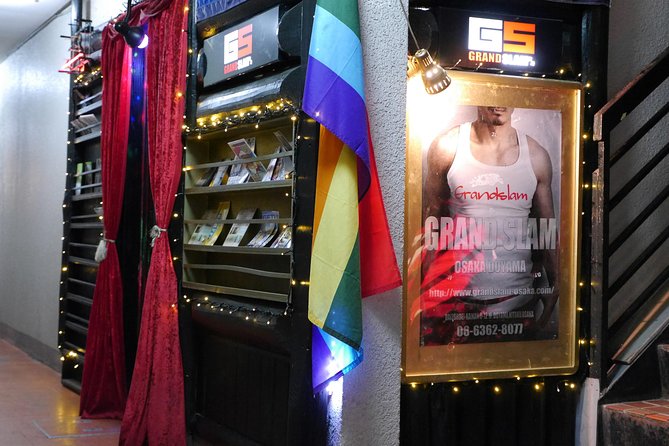
- Two hubs, two eras: Shinsekai for the past and Doyamacho for the present LGBTQ+ scene
- Dinner and 2 drinks included: you get a light meal plus one more drink at an LGBT-oriented bar
- Transit is folded in: the tour covers the movement between the two areas
- A guide with real context: you get an English-speaking LGBTQ+ guide, and the experience is set up to be accessible with Japanese support
- A practical pace: about 3 hours total, timed to fit a night out without dragging
- Private group feel: only your group participates, so it does not feel like you are getting shuffled through
Osaka LGBTQ+ life, past and present in one night
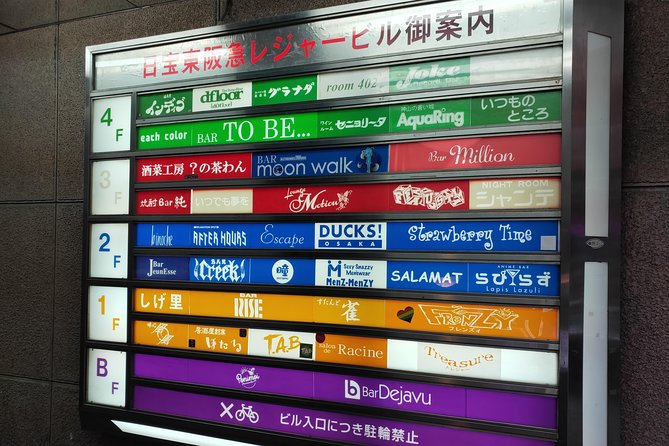
Osaka does not need you to arrive with a thesis. You just need good walking shoes and a willingness to look past the neon. This tour is designed for that exact moment when you realize the LGBTQ+ story in Japan is not only centered in one big city.
The evening moves in two steps. First comes Shinsekai, a district most visitors associate with food streets and loud visuals. But the tour story frames it as also a place where gay men once navigated life in quieter, more secretive ways. Then you jump by train to Doyamacho, where the focus shifts to modern, openly social nightlife and community life.
What makes this format smart is the contrast. You are not only collecting trivia. You are comparing how people lived, what spaces they used, and how those spaces feel today. If you want LGBTQ+ Osaka with context, not just bar hopping, this structure does the job.
Osaka is Japan's kitchen, and Kyoto, Nara, and Himeji are all close enough for a day trip.
- Osaka Go Karting Tour with Funny Costume★ 5.0 · 2,658 reviews
- Osaka Castle: Museum and Tower Entry Ticket★ 4.5 · 2,380 reviews
- Osaka: Shinsekai Food Tour with 13-15 Dishes at 5 Eateries★ 4.8 · 2,204 reviews
- Osaka Food Tour: 13 Dishes at 5 Local Eateries★ 5.0 · 2,149 reviews
- Hungry Osaka Street Food Tour:15 Tastings & 3 Drinks with a Local★ 5.0 · 1,727 reviews
Price and value: what your $96.79 covers (and why it matters)
At $96.79 per person for about 3 hours, the value comes from what you do not have to plan. This price includes:
- a light dinner and one drink at a local restaurant
- another drink at an LGBT-oriented bar
- transit between the two main LGBTQ+ areas
- an English-speaking guide’s expenses (from the LGBTQ+ community)
That is the key: you are paying for translation, context, and logistics. In Osaka, station exits and night transit can be easy to overthink. Having the movement and two food or drink stops handled means you can spend your brainpower on enjoying the night.
Also note this tour uses a mobile ticket, and it is offered as a private tour/activity with only your group participating. When you combine that with dinner, drinks, and transit, it is aimed at travelers who want an organized plan without losing the feeling of a friendly evening out.
Stop 1: Shinsekai, from spectacle to coded LGBTQ+ life
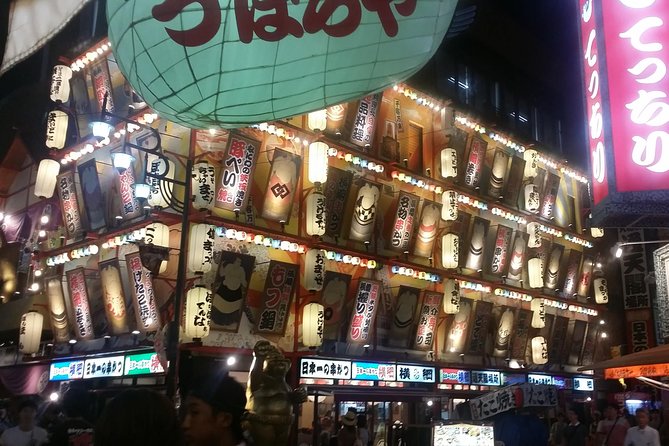
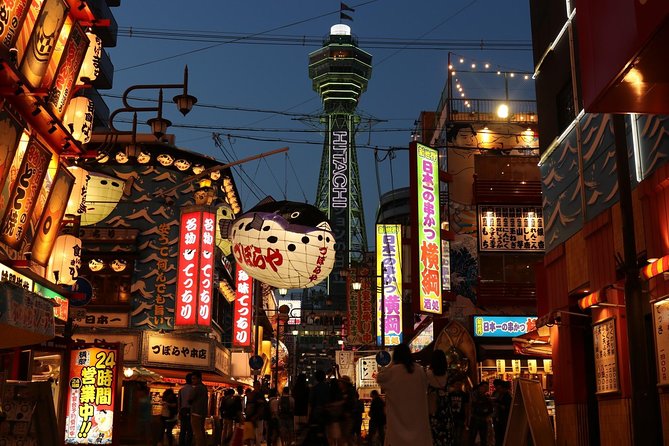
You start in Shinsekai. This is the south-side Osaka many people think they already know, with garish sights and the kind of street energy that makes you hungry before you even choose what to eat. The tour takes two hours here, and it starts by reframing what you are seeing.
The story centers on gay life in Japan when being out was complicated. You hear about a past pattern where many gay men married women, kept romantic and sexual life separate, and formed community through membership bars and gay saunas. The guide also connects that to how some people live now with at least one foot out of the closet, while still keeping a cautious edge.
Even if the history part is heavy in topic, the actual experience is practical. You are walking through an area where the everyday can look like pure entertainment, then pairing that with a lens that explains why certain spaces mattered. That makes the district feel less like a theme park and more like a map of real human choices over time.
One practical note: Shinsekai is where you are likely to get the light dinner and first drink that your ticket includes. So if you tend to skip meals, treat this stop as your anchor for the evening.
Stop 2: Doyamacho, modern gay culture and a drink in hand
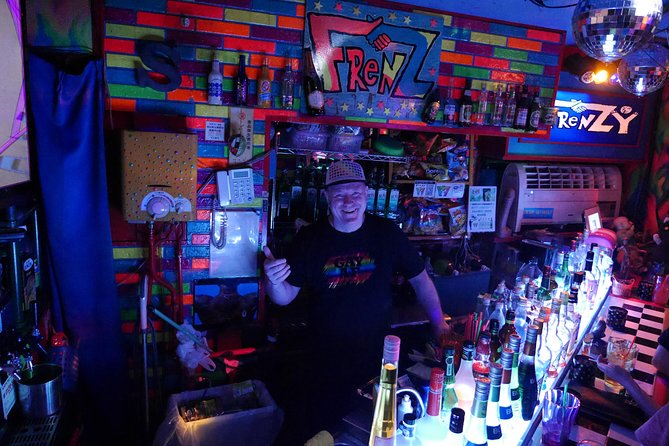
After Shinsekai, you take a short train ride of about 15 minutes to Doyamacho in the north. The vibe changes fast. Shinsekai is about past lives and hidden patterns; Doyamacho is about today, where LGBTQ+ identity and social life are more visible.
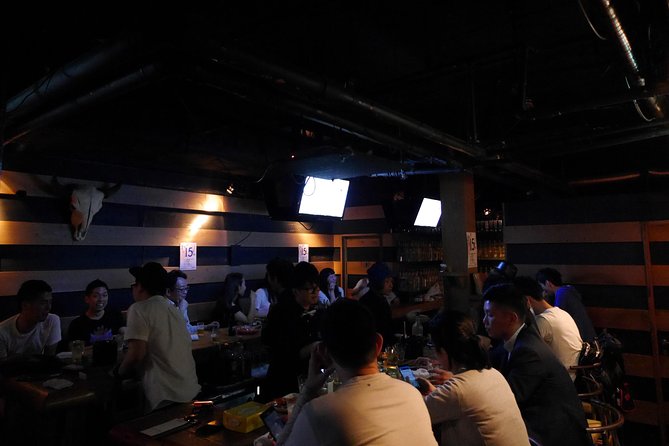
This part lasts about one hour. You will do a walkaround through a dense cluster of venues: small bars, larger places, and dance-club style nightlife. The tour frames it as a scene with room for different ages and different levels of comfort. If you are new to LGBTQ+ travel, this is the part that usually helps you exhale, because the streets feel built for socializing.
At some point, the tour stops at an LGBT-oriented bar for your included drink. This is where you can shift from learning mode to just being part of the night. And if you have language worries, you are not left alone. The experience is designed to be accessible with Japanese support alongside the English-speaking guide.
Doyamacho is also the more flexible landing zone. The tour ends there, and the guide is meant to point you in the direction you want to go next, whether that means continuing for one more drink or shifting to a calmer plan.
Timing and logistics: meeting point, getting there, and what 3 hours feels like
The tour starts at 6:30 pm and runs about 3 hours. You meet near Dobutsuen-Mae Station (Taishi, Nishinari Ward), and it ends in Doyamacho (Kita Ward). The listing notes it is walking distance from Osaka Station and Umeda Station lines, which is helpful if you are already based around those hubs.
Here is the practical way to think about timing:
- you are not doing an all-evening crawl
- you are covering two zones while still getting a meal and two drinks
- you will likely be walking, then riding a short train, then walking again
So plan as if you are doing a focused evening program, not a late-night marathon. If you want to extend the night after, Doyamacho is usually the easiest place to do it since the tour ends there.
Also, remember the adult rules. Minimum age is 20, and Japan’s legal drinking age is 20. If your group is close to that cutoff, check your IDs early. That one small step prevents last-minute disappointment.
Not ready to leave Osaka yet? A few more ways to fill the day.
- Osaka: Tea Ceremony Experience
★ 4.9 · 1,426 reviews - Osaka Kickstart: Hotspots & Hidden Gems Tour
★ 5.0 · 1,306 reviews - Deep Backstreet Osaka Tours (Option to add Dinner)
★ 5.0 · 1,290 reviews
The guide factor, and why it changes the feel of the night
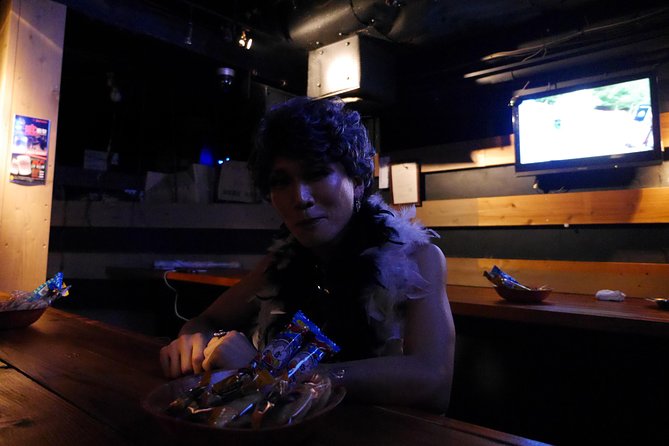
The biggest difference between a bar crawl and this tour is the guide. You are not just told where places are. You get context about what you are looking at and why it matters.
One guide name that has shown up in past experiences is Kevin. In particular, guests highlight how friendly and easygoing he is, and how the tour can feel less like a formal lecture and more like a small group exploring together. There is also praise for how he helps people who get stuck or confused at Osaka stations, which is a real concern in a city with many exits and underground connections.
If you want a trip that feels more human than robotic, this tour leans that way. You are walking with someone who understands the history, the present scene, and the navigation problems that can trip up first-timers.
Who should book this tour (and who should skip it)
This tour is a strong fit if you want:
- LGBTQ+ Osaka in a structured format with minimal guesswork
- a blend of past context and present nightlife
- dinner and drinks handled for you, so you can focus on the night
It may not be the best match if you:
- want a slower, daytime museum-style experience (this is nightlife-oriented)
- are not in the 20+ range, since it has a minimum age of 20
If your goal is to understand how LGBTQ+ spaces evolved in Osaka and still end the night with real social energy, this is built for you.
Should you book: Osaka LGBTQ+ Life Past and Present?
I would book it if your ideal evening includes history you can walk through, plus a clear plan that ends in a place with options. At $96.79, you are paying for more than a route, you are paying for context, language help, and included food and drinks.
But book with a simple mindset: wear comfortable shoes, be ready for night energy, and keep your expectations aligned with a 3-hour guided program. If that sounds like your kind of travel night, this tour is an efficient way to get real LGBTQ+ Osaka, not just surface-level nightlife.
FAQ
What is the duration of this tour?
The tour lasts about 3 hours.
When does the tour start?
The start time is 6:30 pm.
Where do I meet, and where does the tour end?
You meet at Dobutsuen-Mae Station and the tour ends in Doyamacho.
What is included in the price?
The tour includes a light dinner, 2 drinks total, and transit between the two LGBTQ+ areas, plus an English-speaking guide from the LGBTQ+ community.
What is the minimum age?
The minimum age for this tour is 20, and Japan’s legal drinking age is also 20.
Is this tour private?
Yes. Only your group will participate.
Is the tour canceled for bad weather?
Yes, this experience requires good weather. If it is canceled due to poor weather, you will be offered a different date or a full refund.