Reviewed · OSAKA
Osaka Sushi Miso soup Adventure: A Journey of Exotic Flavors
Sushi night at home starts here. In Osaka, Chef Yuki guides a small group through hands-on sushi making, plus homemade miso soup and the flavors that make Japanese food taste so clean and precise. Chef Yuki leads in English, and you’re not just watching. You’ll actually roll, shape, cure, and cook.
I especially love the tuna zuke (marinated tuna) technique, because it shows you how to build restaurant flavor even after you leave Japan. I also like the way the class focuses on fundamentals, like handling sushi rice the right way, so your results improve fast. One possible drawback to plan for: the location is near Nukata Station, and it is not in the most central tourist area.
By the end, you’ll understand the logic behind the dishes, not just the steps. The miso soup part is a real payoff, and multiple people in the class also appreciated the cozy, personal feel, with recipes sent afterward so you can repeat the results.
In This Review
- Key Points I Think Are Worth Your Time
- Finding 4-19 Nukata-cho, Osaka, and Why It Matters
- Meeting Chef Yuki: English Instruction and a Personal Pace
- Sushi Rice Fundamentals: The Step That Makes or Breaks Everything
- Tuna Zuke and Kombu-Jime Salmon: Flavor You Can Actually Recreate
- Rolling Hosomaki, Shaping Nigiri, and Cooking Tamagoyaki
- Miso Soup and Dashi: The Comfort Side of Japanese Cooking
- What’s Included, and What You Take Home
- Price and Value: Is $96 for 3 Hours Fair?
- Who Should Book This Osaka Sushi and Miso Class?
- Quick Logistics: Timing, Meeting Point, and How the Class Runs
- Should You Book? My Honest Take
- FAQ
- Is the course taught in English?
- How long is the Osaka sushi making course?
- How many people are in the class?
- Where do I meet Chef Yuki?
- What sushi styles will I learn to make?
- Do we make miso soup in the class?
- Does the class include marinating or curing fish?
- Is the class only sushi, or are other dishes included?
- What is the price?
- Do I get recipes after the class?
Key Points I Think Are Worth Your Time
- Small group, up to 6 people, which keeps the pace calm and the instruction personal
- English-led coaching from Chef Yuki, including step-by-step guidance
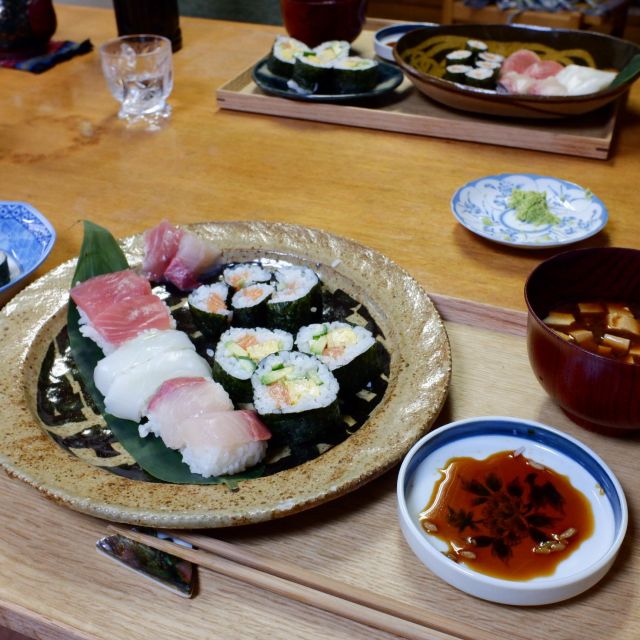
- You make several sushi styles: nigiri, hosomaki, and tamagoyaki, plus miso soup
- Flavor-saving fish prep with tuna zuke and kombu-jime salmon, designed to help freshness last 3 to 4 days
- Miso soup and dashi basics are included, not treated like an afterthought
- You can get practical take-home help, with recipes or instructions shared after class
Finding 4-19 Nukata-cho, Osaka, and Why It Matters
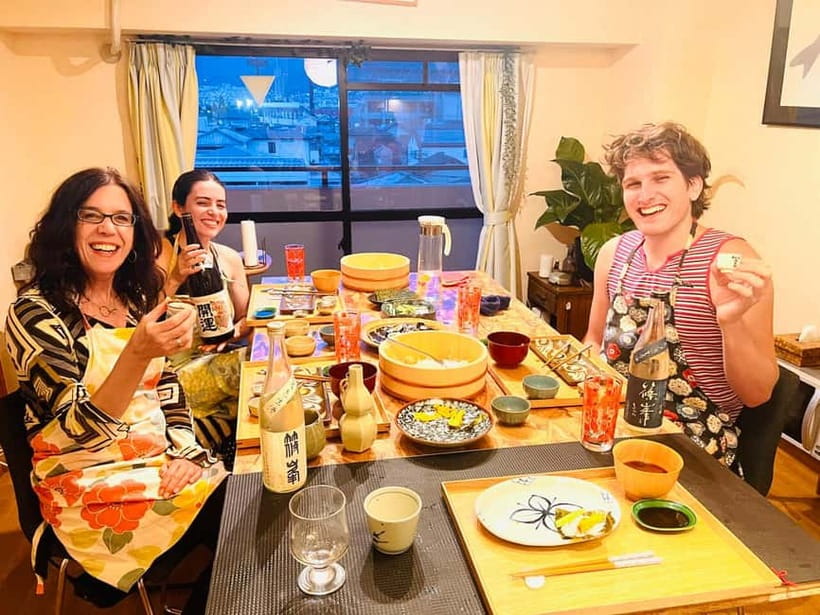
This class is easy to reach, but it is deliberately set up for real life, not tourist traffic. The meeting point is at 4-19 Nukata-cho, just a short walk from Nukata Station. From Namba, you take the Kintetsu Nara Line to Nukata Station, which is about 30 minutes and around ¥430, then walk roughly 5 minutes to the address.
Why I think this matters: location changes the feel of a food class. You are not herded into a generic cooking room. You’re in a neighborhood that behaves like a real Osaka day. In one review, the host met people near the station at a FamilyMart, and in another case she picked someone up at a nearby convenience store. That tells me she keeps things smooth once you arrive, even if you are not sure exactly where to go.
Practical note: arrive about 10 minutes early. In a small class, that buffer makes a difference. You settle in, get oriented, and don’t feel rushed right when you need to start learning.
Osaka is Japan's kitchen, and Kyoto, Nara, and Himeji are all close enough for a day trip.
- Osaka Go Karting Tour with Funny Costume★ 5.0 · 2,658 reviews
- Osaka Castle: Museum and Tower Entry Ticket★ 4.5 · 2,380 reviews
- Osaka: Shinsekai Food Tour with 13-15 Dishes at 5 Eateries★ 4.8 · 2,204 reviews
- Osaka Food Tour: 13 Dishes at 5 Local Eateries★ 5.0 · 2,149 reviews
- Hungry Osaka Street Food Tour:15 Tastings & 3 Drinks with a Local★ 5.0 · 1,727 reviews
Meeting Chef Yuki: English Instruction and a Personal Pace
Chef Yuki is the key to the whole experience. The class is English, and the group stays small, limited to 6 participants. Even better, the vibe seems personal. One reviewer noted they were the only guest, which is a strong sign that you are not stuck in a factory-like setup.
What you’ll notice quickly is the teaching style. People praised the step-by-step approach and how clearly instructions were explained. You also get room for questions, which is a big deal when you’re learning tactile skills like shaping nigiri or rolling hosomaki without squashing everything into a sad rectangle.
Another detail I like: the course includes more than sushi. Reviews mention dashi broth and even basics like making wasabi paste. When a class teaches those supporting skills, it helps you understand why the finished food tastes balanced. It also makes your results more repeatable later at home.
Sushi Rice Fundamentals: The Step That Makes or Breaks Everything
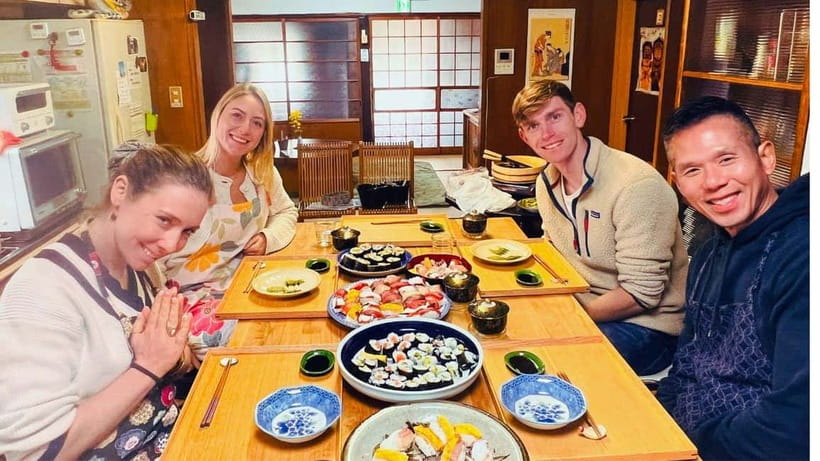
Sushi might look like fish on rice, but rice is the whole foundation. In this class, sushi rice prep is treated like a skill, not a background task. One review specifically called out learning how to prepare rice in a traditional pot, which is exactly the kind of small, hands-on detail that beginners usually miss.
Here’s what you should expect your learning to focus on:
- Getting the rice texture right before you ever touch fish or nori
- Seasoning and handling so grains stay distinct, not mushy
- Timing, since rice quality matters most soon after cooking and cooling
Why this is valuable: when you make sushi at home, you usually fail at one of two points. Either the rice is too sticky and heavy, or it tastes flat because the seasoning is off. Learning the rice process at the start sets you up to nail every later dish.
Also, you’ll feel less intimidated about raw fish. Once you understand the rice, everything else becomes a series of logical steps, not a magic trick.
Tuna Zuke and Kombu-Jime Salmon: Flavor You Can Actually Recreate
Two toppings get special attention: tuna zuke and kombu-jime salmon. This is where the class becomes more than a one-night meal.
Tuna zuke is a soy-based marinated tuna. What you’ll like about learning it in a class is the method. It’s not just taste, it’s the technique that changes how the fish behaves. And because it’s marinated, it’s also a practical approach for home cooks.
Kombu-jime salmon uses kelp curing, a centuries-old technique designed to improve flavor while helping preserve freshness. The course information states this kind of curing can keep the fish fresh for 3 to 4 days. That detail is huge for anyone who has trouble finding the same quality fish consistently after a trip.
Why I rate this section highly: it solves a common reality. Fresh sushi-grade fish is not always easy to source in your home country. Learning curing and marinating means you can still produce a sushi-like flavor profile without needing perfect access to the highest-end markets.
Based on the reviews, participants felt the fish choices led to results that were genuinely impressive. One person even said the miso soup and sushi they made were the best they had in Japan. That’s a strong signal that these techniques were taught with real precision.
Rolling Hosomaki, Shaping Nigiri, and Cooking Tamagoyaki
This class gives you multiple hands-on styles, so you get a range of skills instead of only learning one trick.
You’ll work on:
- Nigiri sushi, which is all about balance, shaping, and rice-fish harmony
- Hosomaki, thin rolls that teach control and consistency
- Tamagoyaki, Japanese rolled omelet, using a square pan
What makes these good skills to learn together is the mix of motions and timing. Nigiri asks for careful shaping without compressing. Hosomaki asks for clean rolling with the right amount of filling. Tamagoyaki asks you to cook in layers, which is less about artistry and more about patience and heat control.
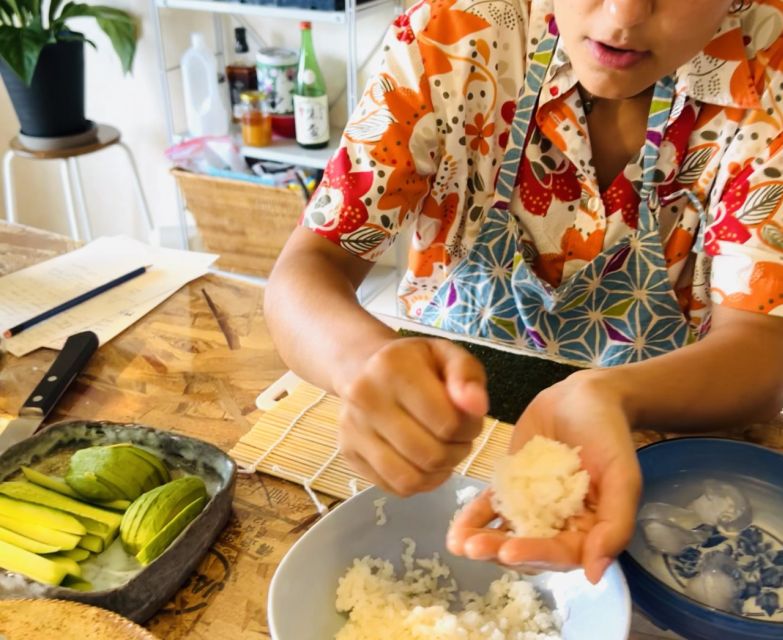
One thing I appreciate is that this isn’t a show-and-tell. The class is built so you do the work yourself. Reviews call out that it’s interactive and hands-on, with participants making multiple dishes and eating together at the end.
A practical tip for you, based on the nature of tamagoyaki and rolling: wear comfortable clothes you don’t mind getting a little kitchen-familiar. You’re not dressing for a restaurant. You’re learning technique with your hands.
Not ready to leave Osaka yet? A few more ways to fill the day.
- Osaka: Tea Ceremony Experience
★ 4.9 · 1,426 reviews - Osaka Kickstart: Hotspots & Hidden Gems Tour
★ 5.0 · 1,306 reviews - Deep Backstreet Osaka Tours (Option to add Dinner)
★ 5.0 · 1,290 reviews
Miso Soup and Dashi: The Comfort Side of Japanese Cooking
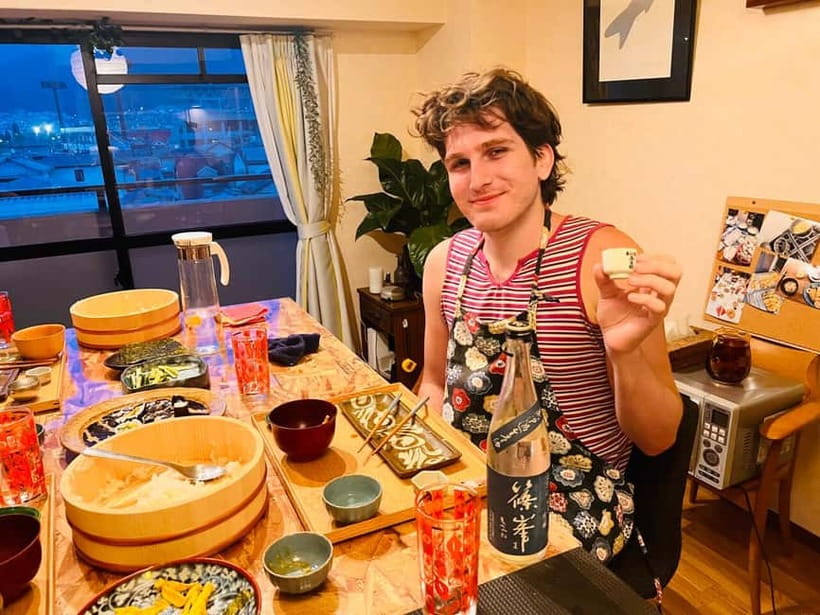
The sushi part is the headline, but miso soup is the anchor. The course includes homemade miso soup made from scratch, and reviews also mention dashi broth basics. If you’ve ever had miso soup that tastes flat or too salty, you know why dashi matters. Dashi is the background flavor that makes miso taste like something alive.
During class, expect to learn:
- how miso soup comes together from scratch
- how the flavor base (dashi) supports everything else
- the general rhythm of finishing a warm bowl alongside fresh food
I also like that miso soup sits at the intersection of Japanese comfort food and daily life. It’s not only a fancy add-on. It’s something you can keep making, and it gives you a reason to practice even after the sushi excitement fades.
If you want one simple “repeat at home” target, this is it. You’ll feel confident sooner with soup than with complicated rolls, and the payoff is immediate.
What’s Included, and What You Take Home
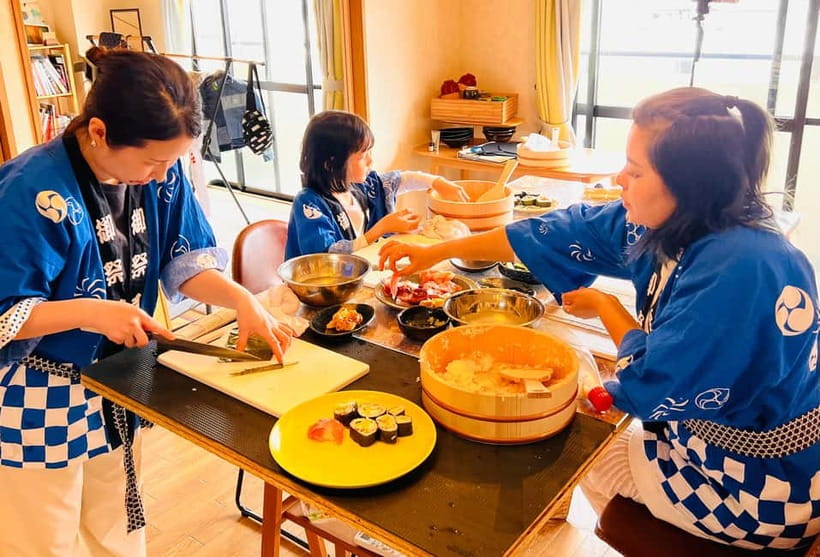
Your money buys a full 3-hour working session, not a quick tasting. Fresh ingredients and traditional seasonings are included, and Chef Yuki provides instruction throughout.
You should also plan on eating what you make. Reviews repeatedly mention that participants create multiple dishes and then enjoy them together at the end. That matters because you learn faster when you connect technique to taste while it’s still fresh in your mind.
Take-home value is a big part of why people rated this highly. Multiple reviews mention that Chef Yuki sends recipes or instructions after the class. One reviewer also said they purchased a cookbook and planned to try it at home.
If you’re the type who learns best by repeating, this will work for you. You’ll leave with something tangible: a list of steps you can follow, plus the memory of how the food should look and taste when it’s right.
Price and Value: Is $96 for 3 Hours Fair?
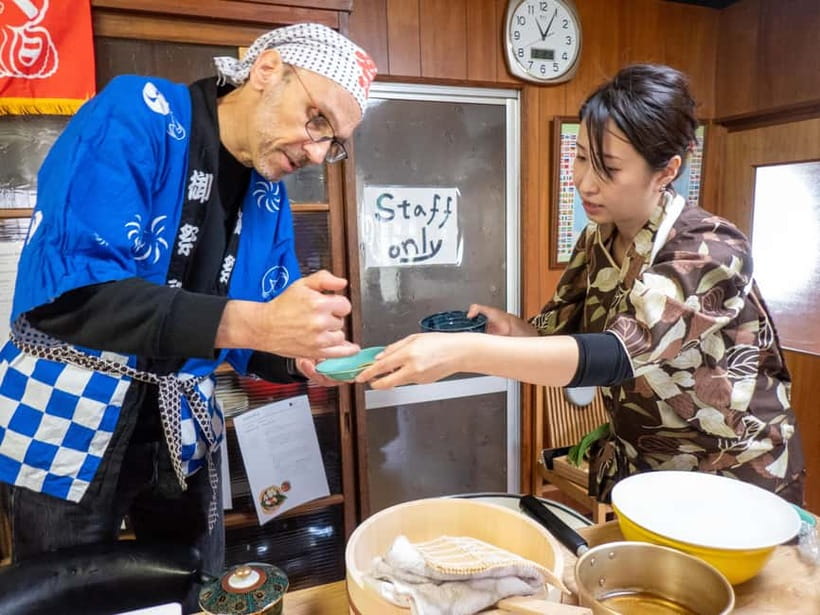
At $96 per person for a 3-hour class, it’s not a cheap bite of Japanese culture. But it can be good value if you treat it like a skill workshop.
Here’s why the price can make sense:
- You get instruction in several sushi styles, plus miso soup
- You work with fresh ingredients and seasonings supplied for the class
- The group is small, up to 6, so the teaching attention is more likely to be focused
- You learn practical preservation flavor tools like tuna zuke and kombu-jime that you can use later
When cooking classes are poor value, it usually means you do too little actual work or you get a limited result. This one seems designed so you actively create multiple dishes and then eat them. That’s worth paying for, especially if you’re traveling and want something more memorable than a meal and a photo.
Who Should Book This Osaka Sushi and Miso Class?
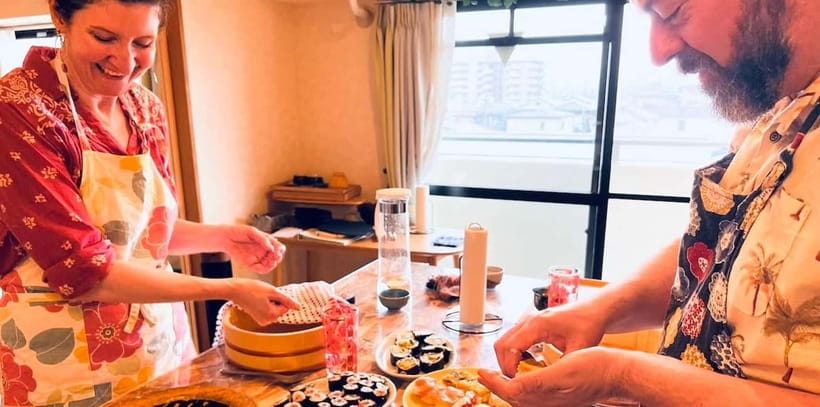
This class fits best if you want:
- a hands-on cooking experience with English instruction
- practical technique you can use at home, especially tuna zuke and kombu-jime salmon
- a structured way to learn both sushi and the supporting skills like dashi and rice handling
It also seems friendly for families. One review notes they brought a baby and the host supported them in making it a good experience. So if you’re traveling with a little one, it may be worth asking how the class environment works for your situation.
Dietary notes: one review says Chef Yuki handled a vegetarian situation without a problem even when the host hadn’t been informed in advance. Still, if you have strict dietary needs, I’d message ahead to be safe, because the course includes fish curing by design.
Quick Logistics: Timing, Meeting Point, and How the Class Runs
You’re looking at a 3-hour session, and you should check available starting times before booking. The meeting point is at 4-19 Nukata-cho, near Nukata Station, and it is a 5-minute walk from the station.
Because the class is in a smaller setting, your arrival time matters. Aim to arrive 10 minutes early. If you’re unsure, reviews suggest there may be an in-person meet up near the station at a convenience store like FamilyMart, or pickup from a nearby store in some cases. Use the meeting point address as your anchor, and if you need help, contact Chef Yuki directly.
Should You Book? My Honest Take
Yes, I’d book this if you want more than a sushi sampler. The strongest reasons to choose it are the skills and the repeatable techniques: rice handling, tuna zuke, kombu-jime salmon, and the comfort payoff of miso soup from scratch. The small group size and English instruction also make it easier to learn without stress.
Skip it only if you’re looking for a more sightseeing-heavy outing, or if you want a large tour group with a lot of wandering around. This experience is a kitchen-focused block of time. It’s about doing the work and taking the know-how home.
FAQ
Is the course taught in English?
Yes. The instructor for this class is listed as English, and the teaching style is step-by-step.
How long is the Osaka sushi making course?
The duration is 3 hours.
How many people are in the class?
The class is a small group limited to 6 participants.
Where do I meet Chef Yuki?
You meet at 4-19 Nukata-cho, Osaka, at the cooking class location, near Nukata Station.
What sushi styles will I learn to make?
The class includes Nigiri Sushi, Hosomaki, and Tamagoyaki.
Do we make miso soup in the class?
Yes. You’ll make homemade miso soup from scratch.
Does the class include marinating or curing fish?
Yes. You’ll learn tuna zuke (marinated tuna) and kombu-jime salmon (kelp-cured salmon).
Is the class only sushi, or are other dishes included?
Other items are included too. Besides sushi styles, you’ll also learn about miso soup and dashi broth basics, and you may learn additional kitchen basics like wasabi paste.
What is the price?
The price is $96 per person.
Do I get recipes after the class?
Yes. Reviews mention that Chef Yuki sends recipes or instructions after the course so you can cook at home.