Reviewed · OSAKA
Osaka: Visit the must-see places.
One day can feel like ten, in the best way. This Spanish-guided route pulls together Osaka Castle and the city’s most important temples, then finishes in the neon lanes people come to photograph.
I also like that you get built-in food time, from Kuromon Market to famous local bites in Shinsekai. The only real drawback is the pace, it is a packed subway day with lots of walking, and meals are not included.
In This Review
- Key highlights worth planning for
- Osaka in one trip: why this route works
- Osaka Castle: from Toyotomi Hideyoshi to today’s park
- Shitennoji Temple: Japan’s oldest Buddhist temple, founded in 593
- Isshin-ji Temple: statues made from human ashes
- Shinsekai and Tsutenkaku: retro streets, neon mood, and kushikatsu
- Kuromon Market: how to shop for snacks like a local
- Namba and Dotombori: Glico Man and Kani Doraku in full effect
- Price and value: what $73 really buys you
- Subway logistics: cash rules and comfort tips that save your day
- Who should book this Osaka must-see day
- So should you book it
- FAQ
- Where does the tour start and end?
- What is included in the price?
- What is not included?
- How do you get around during the tour?
- Do I need cash?
- What language is the tour offered in?
- What should I bring?
- Is the tour suitable for wheelchair users?
- Are baby carriages allowed?
- What is the cancellation policy?
Key highlights worth planning for
- Osaka Castle with Sengoku-era context in the castle grounds and surrounding park
- Shitennoji Temple (founded in 593) plus its calm garden and five-story pagoda
- Isshin-ji Temple and the ash-statue tradition for a more personal view of Japanese Buddhist culture
- Shinsekai and Tsutenkaku Tower with retro streets and a chance to try kushikatsu
- Kuromon Market stop for fresh produce and local specialties like sushi, seafood, and wagyu
- Namba and Dotombori finale at the Glico Man and Kani Doraku crab signs
Osaka in one trip: why this route works
Osaka is not shy about being Osaka. You get big history, major temples, and then you drop into food stalls and sign-heavy entertainment streets, all in one day.
The biggest win is that the route connects themes instead of hopping randomly. Castle to temples makes sense, then the neighborhoods explain the modern city mood. Your Spanish-speaking guide keeps the story flowing between stops, so you spend less time trying to piece things together on your own.
Osaka is Japan's kitchen, and Kyoto, Nara, and Himeji are all close enough for a day trip.
- Osaka Go Karting Tour with Funny Costume★ 5.0 · 2,658 reviews
- Osaka Castle: Museum and Tower Entry Ticket★ 4.5 · 2,380 reviews
- Osaka: Shinsekai Food Tour with 13-15 Dishes at 5 Eateries★ 4.8 · 2,204 reviews
- Osaka Food Tour: 13 Dishes at 5 Local Eateries★ 5.0 · 2,149 reviews
- Hungry Osaka Street Food Tour:15 Tastings & 3 Drinks with a Local★ 5.0 · 1,727 reviews
Osaka Castle: from Toyotomi Hideyoshi to today’s park
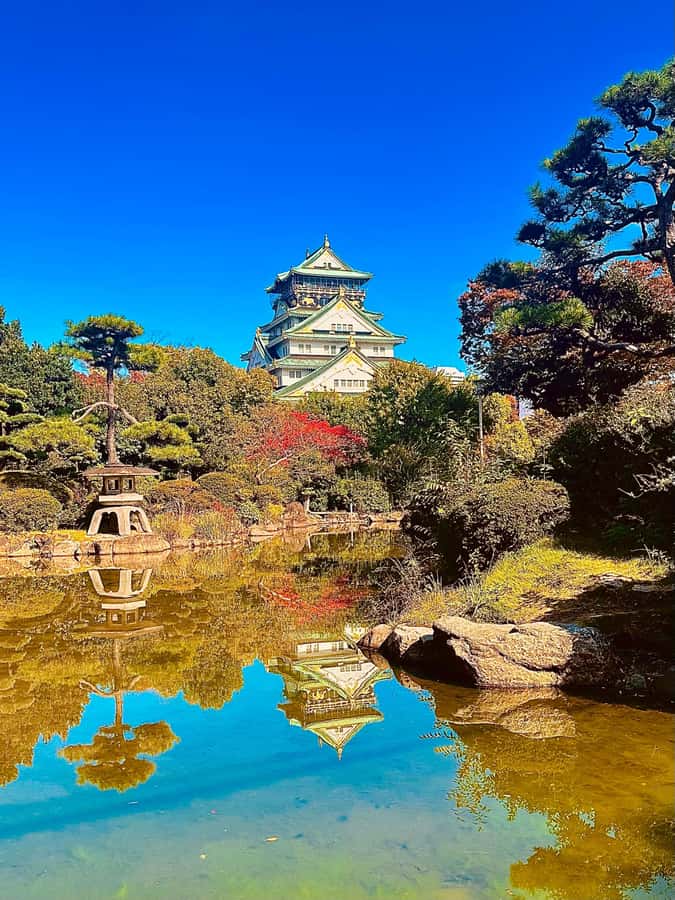
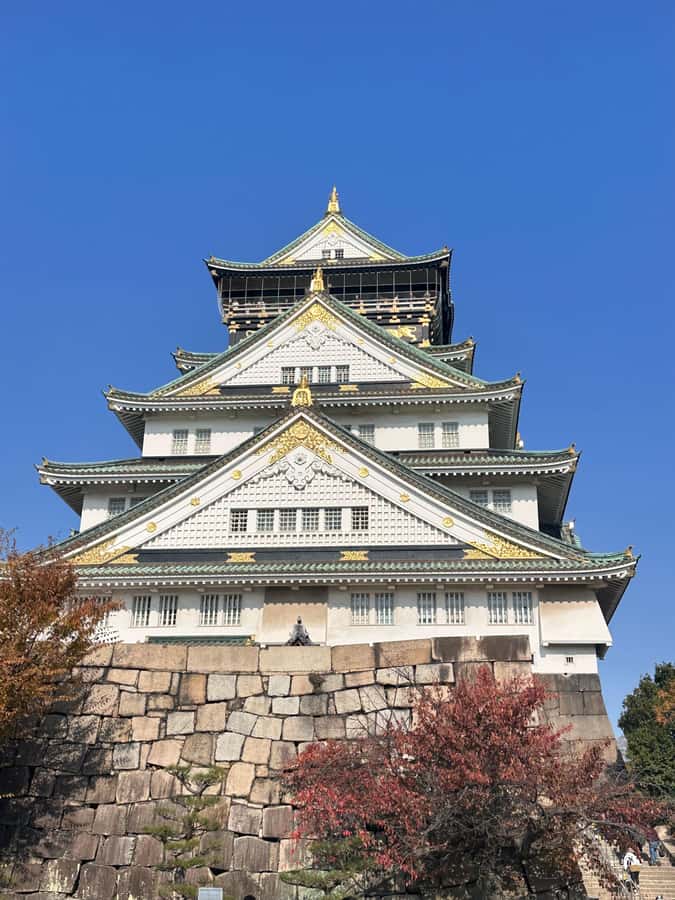
Start at Osaka Castle, built in the 16th century by Toyotomi Hideyoshi. Even before you get deep into details, the scale hits you. It is the kind of place where the city’s past feels physical, not just dates on a page.
You will also walk through the castle surroundings and the park area. That matters because Osaka’s best castle experience is not only the structure, it is the approach and the space around it. It is easier to understand why this site mattered during the Sengoku period when you can actually see how it sits in the city.
Possible consideration: this stop is outdoors for a good chunk of the time. If you are visiting during hot weather, plan your pace and wear comfortable clothes, because you are going to use your legs later too.
Shitennoji Temple: Japan’s oldest Buddhist temple, founded in 593
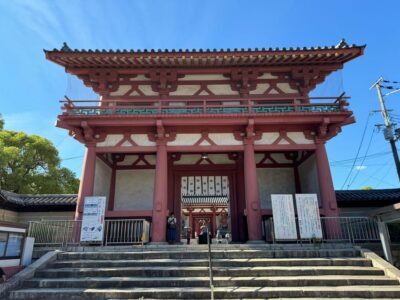
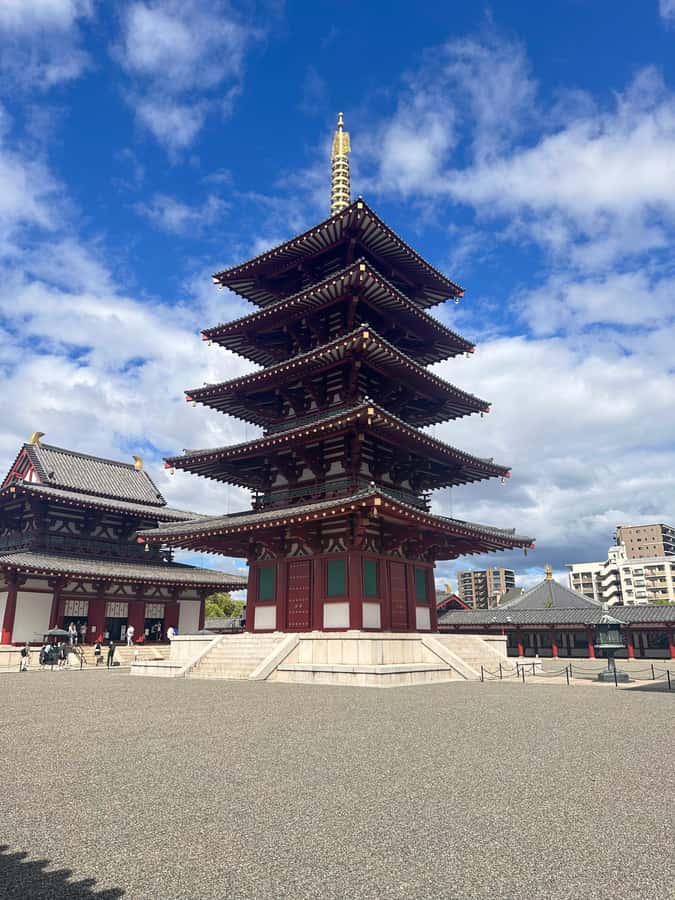
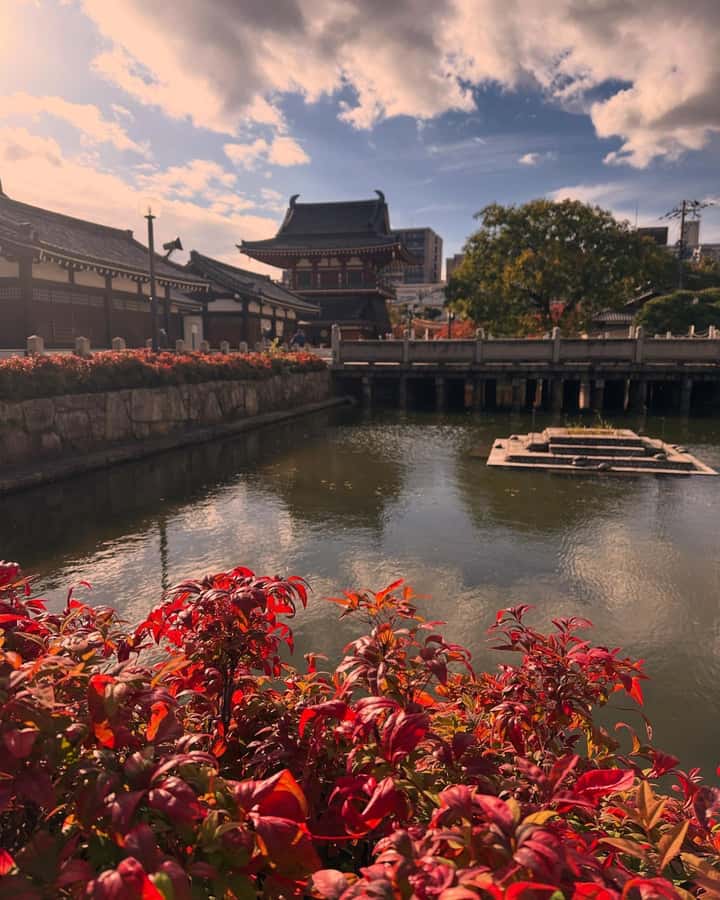
Next is Shitennoji, described as Japan’s oldest Buddhist temple, founded in 593. This is one of those sites where you feel the age immediately, not through theatrics, but through layout, atmosphere, and the way the grounds are kept.
You will walk through the serene garden and also see the imposing five-story pagoda. That pagoda is a key visual anchor. It helps you understand why Japanese temple design tends to be both spiritual and structured, designed to guide how your eyes and thoughts move.
If you like cultural context, this is a strong stop. The tour frames how Buddhism arrived and how it influenced Japanese culture, which gives you something to connect the sight to.
Isshin-ji Temple: statues made from human ashes
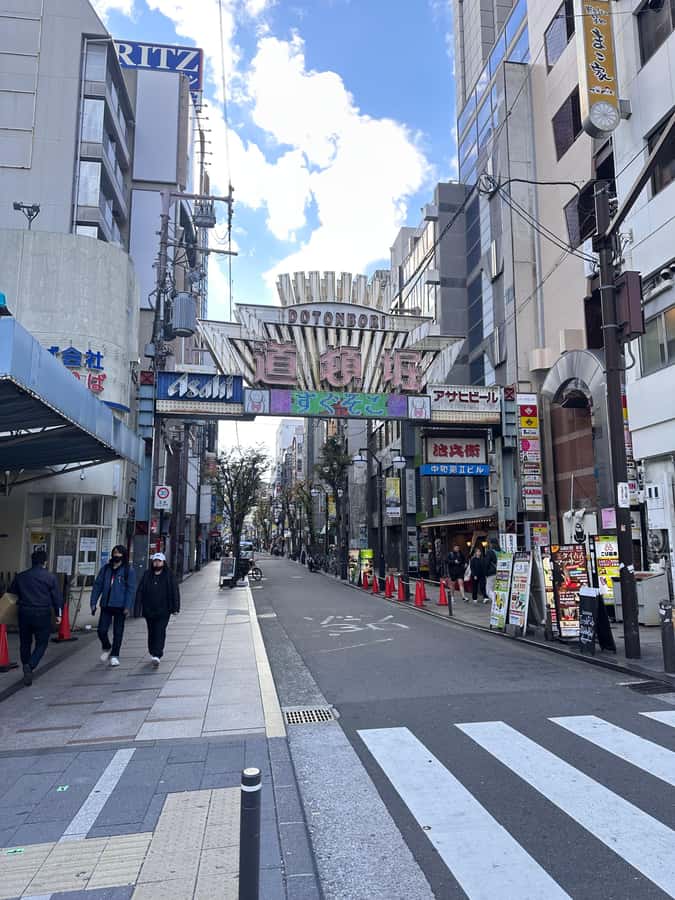
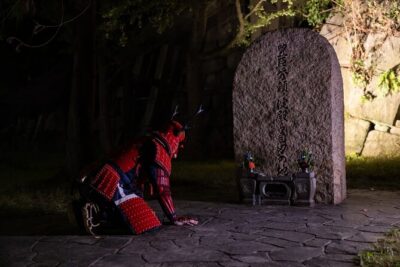
Then comes Isshin-ji Temple, a unique and emotionally heavy place. The site houses Buddhist statues made from human ashes, a tradition tied to honoring the deceased. That detail changes how you look at everything around you.
This stop is best when you can slow down a bit mentally. The value here is not just seeing another temple, it is understanding how religion and funeral culture can connect in Japan, in ways that might feel unfamiliar if you only know Buddhism as an idea.
Practical note: this is still a walking day, so comfortable shoes matter even when the atmosphere is quiet. Take your time, but keep an eye on the group pace so you do not end up stressed.
Shinsekai and Tsutenkaku: retro streets, neon mood, and kushikatsu
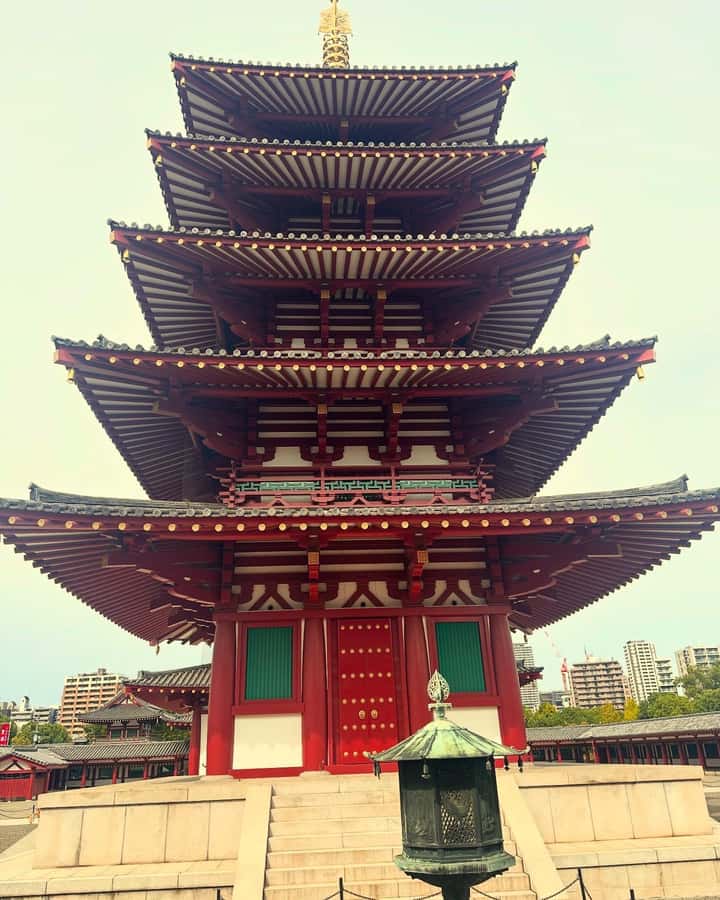
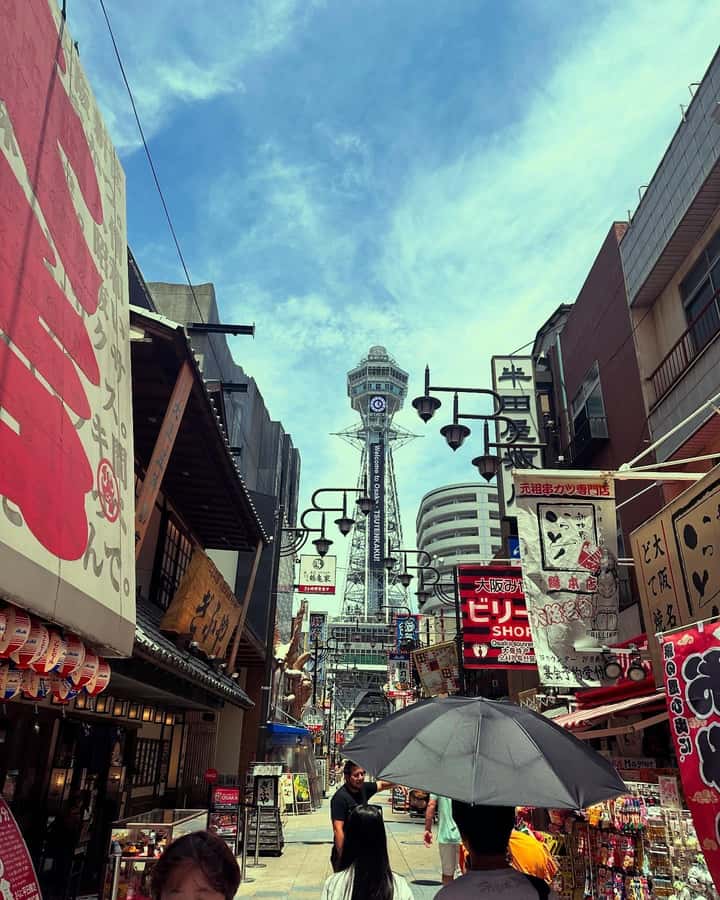
After temples, the tour shifts gears to Shinsekai, a nostalgic neighborhood known for neon lights, traditional restaurants, and a retro atmosphere. It is a fun contrast to the solemn temple stops. Your brain gets a reset, and you start thinking about food.
Here, you get a chance to try kushikatsu, those famous fried skewers Osaka is known for. This is one of the easiest ways to taste local life without needing a restaurant plan of your own.
You will also see Tsutenkaku Tower, treated like an area symbol. Even if you only photograph it from a street corner, it helps you place Shinsekai in Osaka’s identity.
Small consideration: food stops can mean extra personal spending. Meals are not included, so decide early how you want to handle it. You can eat light, buy just a couple items, and still enjoy the flavor without blowing your budget.
Not ready to leave Osaka yet? A few more ways to fill the day.
- Osaka: Tea Ceremony Experience
★ 4.9 · 1,426 reviews - Osaka Kickstart: Hotspots & Hidden Gems Tour
★ 5.0 · 1,306 reviews - Deep Backstreet Osaka Tours (Option to add Dinner)
★ 5.0 · 1,290 reviews
Kuromon Market: how to shop for snacks like a local
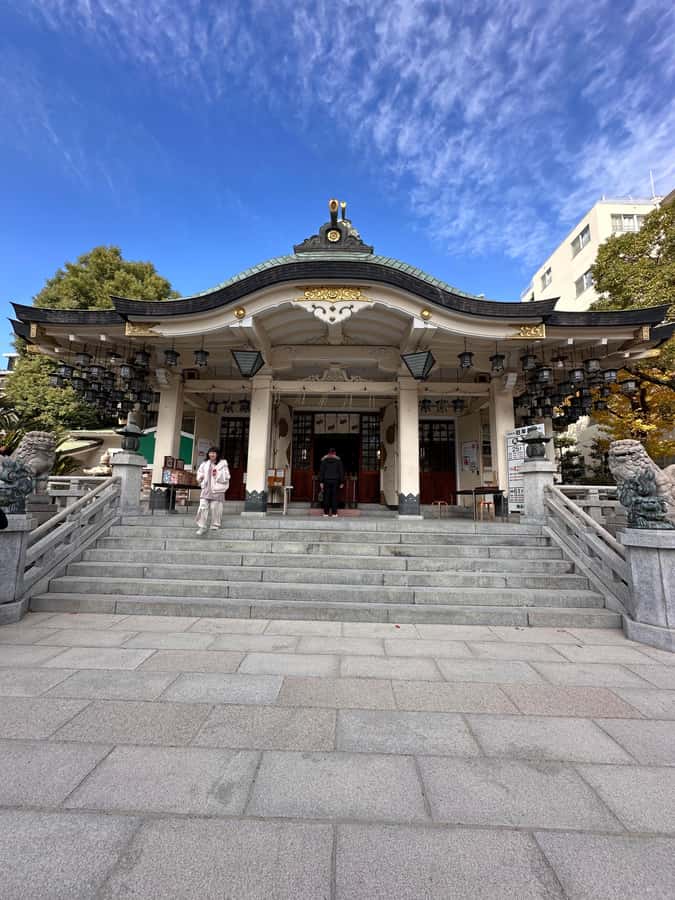
Now for Kuromon Market, one of Osaka’s essential gastronomic destinations. This is a place where you can sample without turning it into a full sit-down meal.
The market is famous for fresh produce and local specialties. Expect options like sushi, seafood, and wagyu beef. Even if you do not go all-in, it is useful to watch, smell, and see what people line up for. It gives you a better sense of what Osaka people actually snack on.
I like this stop because it is flexible. You can treat it like a tasting run, grab a few items, and still keep moving with the tour. It is also a strong way to learn what to order later on your own, after you leave.
Practical tip: bring cash or use an IC card, because you will need to pay for your own food and because you are also using subway rides during the tour.
Namba and Dotombori: Glico Man and Kani Doraku in full effect
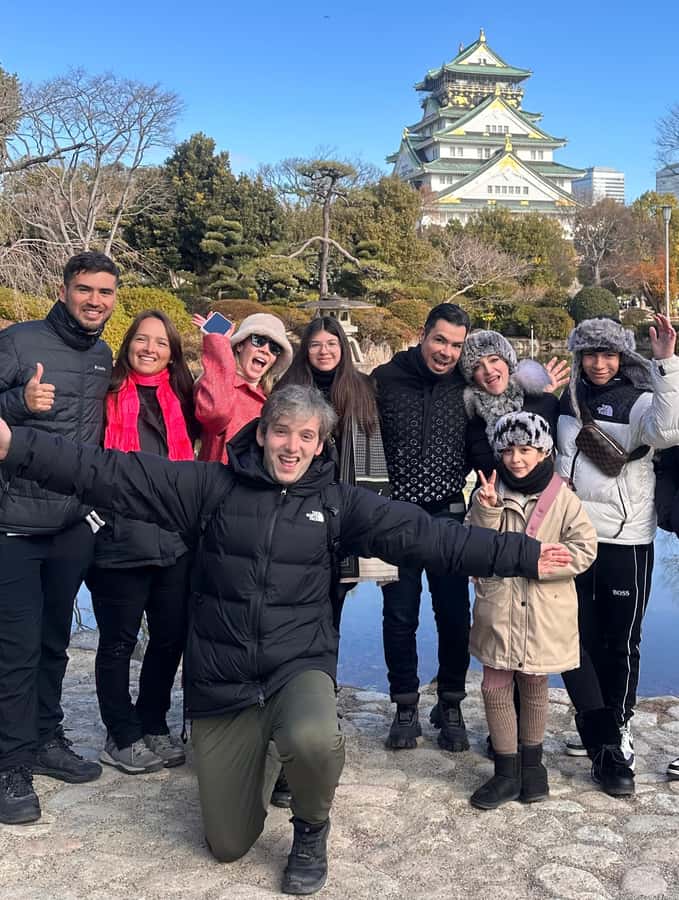
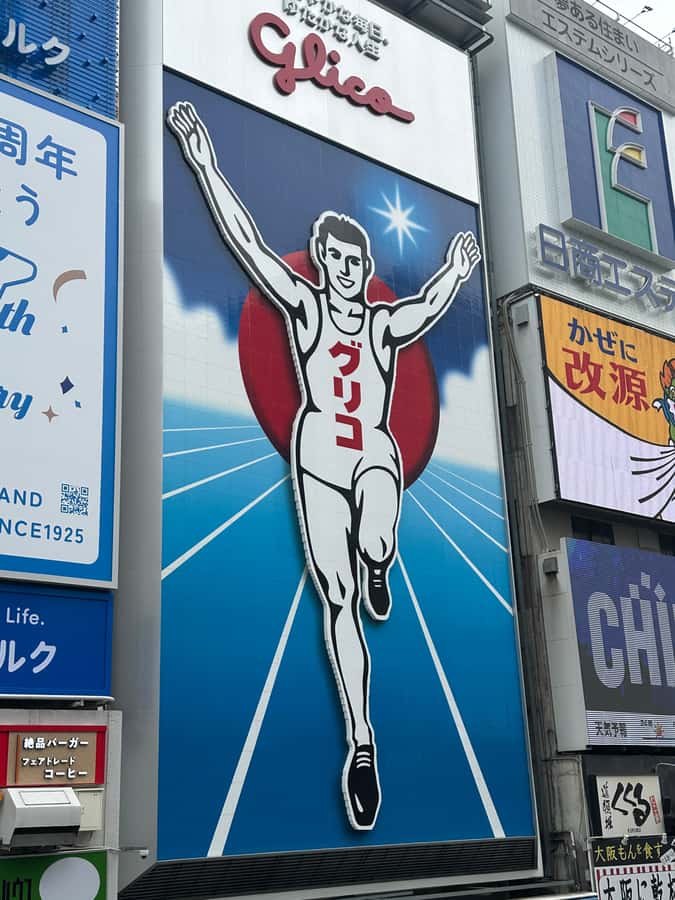
The tour ends in Namba and Dotombori, the city’s show-me-your-signs zone. This is where Osaka leans into entertainment, lights, and recognizable landmarks you can spot even if you arrived with zero map skills.
You will stop in front of the iconic Glico Man sign and also see the famous animated crab at Kani Doraku. These are the kinds of sights that feel like a postcard, but seeing them in person is still fun because the streets around them are always moving.
This finale is also a nice practical choice. It is easy to continue exploring after the tour because you are already in a central nightlife and restaurant area.
Price and value: what $73 really buys you
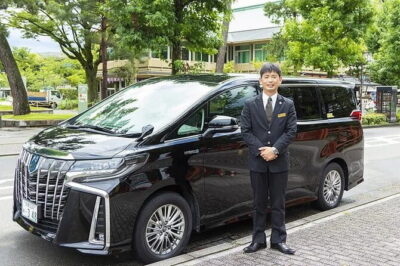
At about $73 per person, this tour sits in the range where you are paying for time saved and guidance. The good news is that transportation by the tour guide is included, so you are not juggling subway routes on your own during the day’s busy sequence.
What is not included is just as important: meals, drinks, and personal expenses are on you. That means your final cost depends on what you choose to eat at Shinsekai and Kuromon Market and how many snacks you add.
To judge value, I would think about two things. First, how many top sights you would realistically fit into one day without getting lost. Second, whether you want someone to connect the dots between castle, temples, food culture, and the city’s entertainment streets. If you like structure, this price starts looking fair fast.
Subway logistics: cash rules and comfort tips that save your day
The tour travels by subway, and you are required to bring cash or a transportation card such as ICOCA, SUICA, or PASMO. This is not a suggestion, it is a must. If you only arrive with foreign cards you cannot tap, you might slow the group down or miss parts of the day.
You also start at Exit 3B of Morinomiya subway station and finish back at the meeting point. That means you are not stuck at the other end of the city wondering how to get home.
Then there is the real comfort issue: you will be walking. Bring comfortable shoes and comfortable clothes. On a day that mixes temple grounds, markets, and entertainment streets, your feet do the heavy lifting.
One more practical note from the tour rules: baby carriages are not allowed, and the tour is not suitable for wheelchair users. If you need mobility support, plan a different style of sightseeing.
Who should book this Osaka must-see day
This is a strong choice if you want a full Osaka sampler without building your own route. It is especially good when you like history and culture, but you also want the food and the modern city energy at the end.
It is also a fit for visitors who prefer learning through a guide in Spanish. Having the explanations in your language can make the temple stops feel more meaningful instead of just being photo opportunities.
It may not be your best option if you hate packed schedules or you want long, slow time in just one place. This itinerary is designed to hit many landmarks, so you should be comfortable with a steady pace.
So should you book it
Book this tour if you want maximum Osaka in one day, with a Spanish guide guiding the story from Osaka Castle to temples, then into food markets and sign-heavy entertainment streets. It is a smart way to learn how the city’s past connects to everyday life today.
Skip it if you need lots of rest time, if you are traveling with a baby carriage, or if accessibility is a concern. Also, go in with the mindset that food is extra, so plan some spending for kushikatsu and market snacks.
If your goal is a practical, well-organized highlights loop, this one earns its place on your list.
FAQ
Where does the tour start and end?
The tour starts at Exit 3B of Morinomiya subway station. It ends back at the same meeting point.
What is included in the price?
Transportation by the tour guide is included.
What is not included?
Meals, drinks, and personal expenses are not included.
How do you get around during the tour?
You travel by subway during the tour.
Do I need cash?
Yes. It is mandatory to bring cash or a transportation card such as ICOCA, SUICA, or PASMO.
What language is the tour offered in?
The tour is offered in Spanish.
What should I bring?
Bring comfortable shoes, comfortable clothes, and cash.
Is the tour suitable for wheelchair users?
No. It is not suitable for wheelchair users.
Are baby carriages allowed?
No. Baby carriages are not allowed.
What is the cancellation policy?
You can cancel up to 24 hours in advance for a full refund.