Reviewed · OSAKA
Osaka Wonder Loop Bus E-Pass
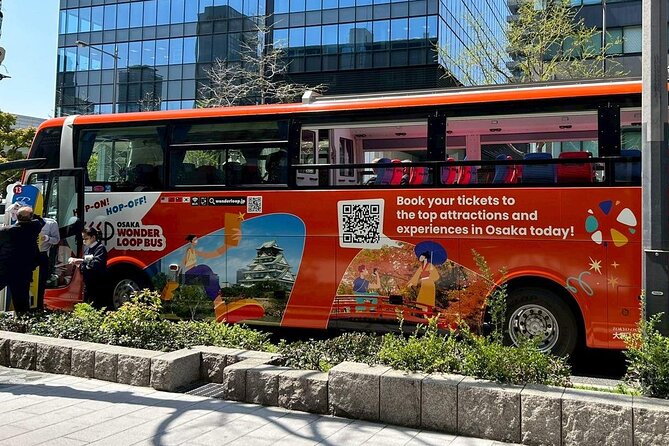
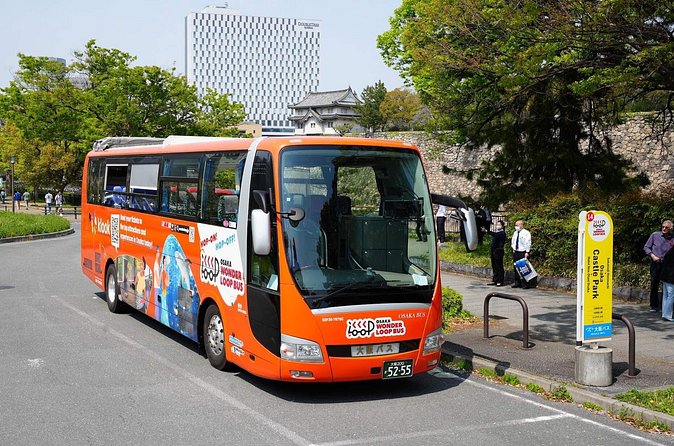
Osaka gets loud, and this tour helps you get oriented fast. The Osaka Wonder Loop Bus E-Pass is an easy hop-on hop-off way to hit major sights like Osaka Castle, Shinsaibashi, Dotonbori, and Tsutenkaku without stitching together multiple routes. I like the simple rhythm of the day pass, plus the way the route connects different neighborhoods in a logical loop.
Two things I really love: first, you get unlimited rides on your pass, so you can hop off, snack, and then return to the bus when you’re ready. Second, the bus is open-top, which makes the passing city views more fun, especially around the big skyline and river areas. One drawback to consider is weather, because the operator notes the experience depends on good conditions.
The stops are laid out so you can plan your Osaka day in “layers,” history up front, then shopping and food districts, then back to culture and transit. For example, you can start central, swing through classic photo spots, and still have time to adjust your pace at the neighborhoods you care about most.
In This Review
- Key Highlights To Know Before You Ride
- Why This Osaka City Loop Works So Well
- The Value Of The Osaka Wonder Loop Bus E-Pass Price
- Where You Start: Hotel New Otani Osaka And The Easy Begin
- Tenmabashi: River Views And A Convenient Transfer Feel
- Osaka Station: The Grid Hub For Rail Travelers
- Kitashinchi Yuki Shinten: A Peek Into Dinner District Life
- MINT Daimaru Shinsaibashi: Shopping Streets With Big Energy
- Namba Parks: Modern South Osaka With Green Terraces
- Shinsekai And Tsutenkaku: Food Mood In A Retro Setting
- Tennōji Station: A Major Gateway To Southern Osaka
- Shitennoji Temple Niomon: History Slows The Pace
- Nihonbashi And Otaku Culture: Joshin Nipponbashi Store
- Kuromon Market: The Street-Food Friendly Stop
- Dotonbori At Teppan Jinja: Neon, Signs, And Photos
- Sakaisuji Honmachi: Quieter Streets And Old-Style Buildings
- Osaka Castle Park: The Big Landmark Finish
- The Open-Top Bus Experience: What You Gain In Motion
- How To Plan Your Hop On, Hop Off Day Like A Pro
- Weather Matters More Than You Think
- So, Should You Book The Osaka Wonder Loop Bus E-Pass?
- FAQ
- How long is the Osaka Wonder Loop Bus E-Pass tour?
- What is the price per person for the Osaka Wonder Loop Bus E-Pass?
- What is included in the pass?
- What are the operating hours?
- Where can I hop on and off?
- Is this tour good for kids?
- What happens if I need to cancel or if weather is poor?
Key Highlights To Know Before You Ride
- Unlimited one-day flexibility, so you are not stuck doing everything in one frantic go
- Open-top panoramic viewing, great for Osaka’s skyline moments and street-level scenes from the road
- A smart stop mix, from Osaka Station and Shinsaibashi to Dotonbori and Shinsekai
- An English-speaking guide, with stories that add context to what you are actually seeing
- Straight access to major areas, including Tenmabashi, Namba Parks, Kuromon Market, and Osaka Castle Park
Why This Osaka City Loop Works So Well
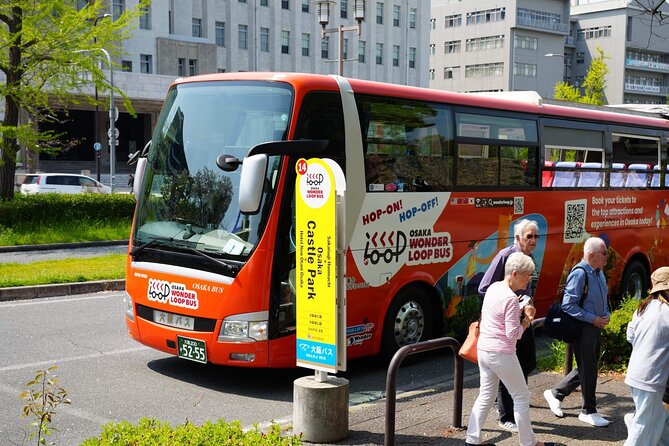
This is the kind of tour that saves energy. Osaka is big, and walking can add up fast once you are crossing between neighborhoods. With the Wonder Loop Bus you can focus on the fun parts, because the bus does the long connections for you.
The route is also built around “big anchors.” You are not just riding past random streets. You are hitting the places you will likely want to return to, like the shopping streets around Shinsaibashi, the neon and canal energy of Dotonbori, and the retro street-food vibe of Shinsekai. Then, when you want a breather, there are more open, calmer options like Osaka Castle Park.
One more practical win is the timing window. The operating hours run Monday to Sunday from 09:15 to 17:55, so you can plan a morning start or even a later afternoon ride depending on your itinerary.
Osaka is Japan's kitchen, and Kyoto, Nara, and Himeji are all close enough for a day trip.
- Osaka Go Karting Tour with Funny Costume★ 5.0 · 2,658 reviews
- Osaka Castle: Museum and Tower Entry Ticket★ 4.5 · 2,380 reviews
- Osaka: Shinsekai Food Tour with 13-15 Dishes at 5 Eateries★ 4.8 · 2,204 reviews
- Osaka Food Tour: 13 Dishes at 5 Local Eateries★ 5.0 · 2,149 reviews
- Hungry Osaka Street Food Tour:15 Tastings & 3 Drinks with a Local★ 5.0 · 1,727 reviews
The Value Of The Osaka Wonder Loop Bus E-Pass Price
At $46.80 per person for about 2 hours of ride time (approx.), this feels less like a “single attraction” and more like a transport tool plus sightseeing. The math gets better because it includes a one-day pass, meaning you can ride again during the day instead of paying for separate segments.
You also get an English-speaking guide, and while the bus itself is the main event, the value comes from the extra context. In the feedback I focused on, the guide’s storytelling and Osaka explanations were a standout, which usually means you come away with a clearer sense of what each area is and why people care about it.
If you are someone who likes to hop on and off based on what you feel like doing, this pass matches that style. If you prefer one fixed route with zero decisions, you might find yourself thinking a little too much about where to get off.
Where You Start: Hotel New Otani Osaka And The Easy Begin
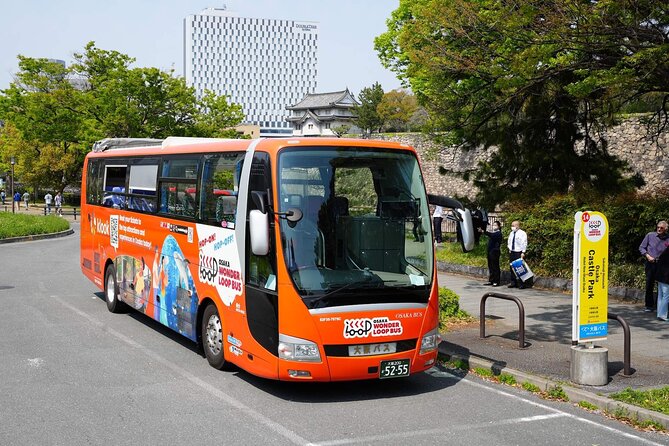
The tour starts at Hotel New Otani Osaka, at a nearby entrance that is meant to be easy to find. This is helpful if you are staying in the area with surrounding hotels, or if you want to begin without any complicated transfers.
This first stop also sets expectations for how the tour will feel. It is not a formal start with speeches for an hour. It is more like, get on, get moving, and let the bus act as your moving base while you decide what to explore more deeply later.
Tenmabashi: River Views And A Convenient Transfer Feel
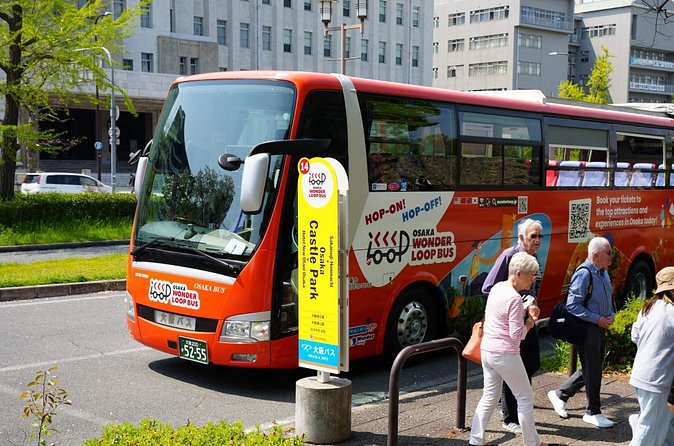
Your next connection is Tenmabashi, located by Tenmabashi Bridge and the Keihan City Mall, next to the river. If you want that “Osaka is moving” feeling early in the day, this is a good place for a scenic start.
This stop also makes sense as a transfer point in your broader day plan, especially if your routes around Osaka are pulling you toward the river. Even if you do not plan extra transport, it is a nice tonal shift after the hotel area.
Osaka Station: The Grid Hub For Rail Travelers

Then you hit Osaka Station, one of the city’s biggest transport hubs. It is a strong choice if you are arriving by train or if you are already spending time in the Umeda area.
The practical benefit here is location. When you are tired, being near a major station reduces stress. You are less likely to feel trapped on the wrong side of town because the transit ecosystem is right there.
Not ready to leave Osaka yet? A few more ways to fill the day.
- Osaka: Tea Ceremony Experience
★ 4.9 · 1,426 reviews - Osaka Kickstart: Hotspots & Hidden Gems Tour
★ 5.0 · 1,306 reviews - Deep Backstreet Osaka Tours (Option to add Dinner)
★ 5.0 · 1,290 reviews
Kitashinchi Yuki Shinten: A Peek Into Dinner District Life
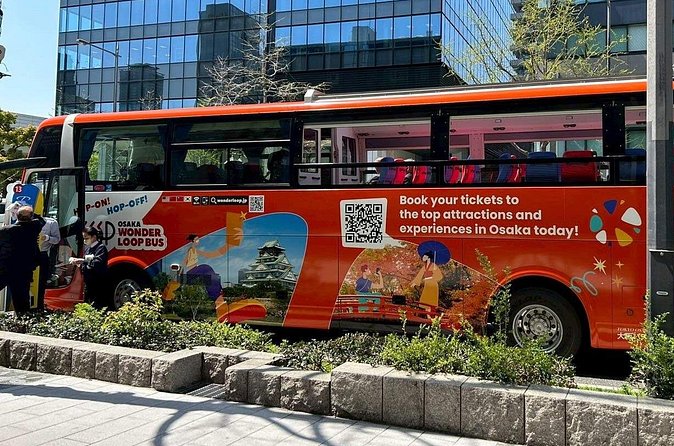
Next comes Kitashinchi Yuki Shinten, in the Kitashinchi dining and entertainment zone. This is one of those stops that can work as a quick break, because it is a lively area where you can step out and see how locals mix food, nightlife, and everyday movement.
I like this kind of stop because it is not only about famous sights. It is also about Osaka’s habit of turning neighborhoods into experiences. If you are hungry later, you can also use this as a timing reference for when to return to food areas.
MINT Daimaru Shinsaibashi: Shopping Streets With Big Energy
No Osaka loop feels complete without a proper shopping anchor, and MINT Daimaru Shinsaibashi is built for that. This is one of the city’s main shopping areas, with wide streets and covered arcades, plus stores that range from higher-end to more playful fashion.
If you get off here, do it with a plan. Decide if you want souvenirs, specific brands, or just to browse. Then give yourself time to walk a bit under the arcade roof, because shopping zones can be hit or miss if you are searching for the right streets in a hurry.
Namba Parks: Modern South Osaka With Green Terraces
After Shinsaibashi energy, the bus moves to Namba Parks, a modern complex in the central south-Osaka zone. The standout detail is the green terraces, so it is not only retail. It is also a breather when you need a break from the hardest shopping streets.
This stop works well if you want a calmer reset before you head into the more intense neon areas later. Even short breaks matter on a day when you are also eating and photographing.
Shinsekai And Tsutenkaku: Food Mood In A Retro Setting
Then you reach Kushikatsu Daruma – Shinsekai Main Shop, which places you right by the nostalgic Shinsekai area and the landmark Tsūtenkaku tower. This is Osaka street-food country, and it is famous for the retro atmosphere as much as the food.
If you care about photos and atmosphere, this is one of the most rewarding stops. I would treat it like a mini block of time, because the area can pull you in different directions fast, and you do not want to miss the vibe while you are stuck waiting around.
Tennōji Station: A Major Gateway To Southern Osaka
From there, the tour goes to Tennōji Station. This is a major transit node in southern Osaka, and it gives you easy access to the Tennoji district, plus parks nearby.
In practical terms, this stop helps you avoid getting stuck far from transit. If your hotel is in the south, this is a convenient point to connect out or plan another part of your day from a strong base.
Shitennoji Temple Niomon: History Slows The Pace
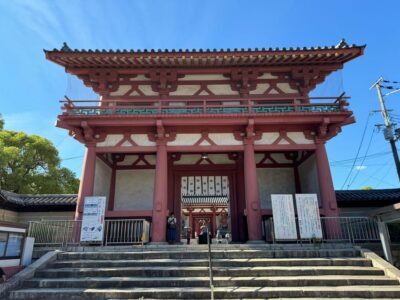
A nice contrast comes at Shitennoji Temple Middle Gate (Niomon). This is near Shitenno-ji, described as one of Japan’s oldest temples, and it gives you an older side of Osaka after the shopping and street-food zones.
When I want a tour day to feel balanced, I look for at least one “slower” stop, and this one plays that role well. Even a short visit gives your feet and your mind a reset from neon and crowds.
Nihonbashi And Otaku Culture: Joshin Nipponbashi Store
If you are into electronics, anime, or gadgets, you will likely enjoy the stop at Joshin Nipponbashi store. It sits in Nihonbashi, known for electronic and otaku culture.
This stop can also be a fun wildcard even if you are not collecting anything. Stores in these areas are usually good for browsing, and it can be a refreshing shift from shopping streets that feel more general.
Kuromon Market: The Street-Food Friendly Stop
Next is Kuromon Market, a famous area for sampling. Here the focus is on fresh seafood, local snacks, and the lively market scene.
This is a stop I like for “small bites” rather than a single huge meal. The whole point is to taste your way through the market atmosphere without committing your entire day to one dish.
Dotonbori At Teppan Jinja: Neon, Signs, And Photos
Then the bus reaches Teppan Jinja in the heart of Dōtonbori, Osaka’s neon powerhouse. You get the famous canal area, the Glico sign, and the general high-volume energy that makes this district so recognizable.
If you want your Osaka day to have at least one “wow” moment, this is the stop. Even if you only step out briefly, you’ll understand why the place is famous. Come prepared for crowds and bright lighting, because this is prime photo time.
Sakaisuji Honmachi: Quieter Streets And Old-Style Buildings
After the flash of Dotonbori, you move to Sakaisuji Honmachi Center Building, a business-district area with quieter streets and retro European-style architecture. This is a great balance stop if you want a moment away from the densest nightlife blocks.
This is also a good point to slow down, because the vibe here is more about atmosphere and streetscape than performance. If you are feeling overstimulated, step off and take a breather.
Osaka Castle Park: The Big Landmark Finish
Finally, you have Osaka Castle Park, the centerpiece for history and open space. The description includes the castle and surrounding parklands, plus seasonal cherry blossoms in spring and that sense of breathing room.
This is the stop I would use if you want your day to end with a view and a slower stroll. It also gives your photos a totally different look compared with neon districts, so your memories will feel varied instead of repetitive.
The Open-Top Bus Experience: What You Gain In Motion
The tour highlights panoramic views from an open-top bus as it passes places like Umeda Sky Building, Namba Parks, and Osaka Bay. Even if you do not get off at every stop, these pass-by scenes matter, because they connect the dots between neighborhoods.
You can think of it like this: the bus lets you see Osaka’s “shape,” while the stops let you see Osaka’s “personality.” Both parts are useful, especially on a first visit.
How To Plan Your Hop On, Hop Off Day Like A Pro
Because you have a one-day pass, you are in control. Here is how I’d approach it so you do not waste time:
First, pick one “anchor” stop for history (Osaka Castle Park or Shitennoji Temple). Then pick one food and atmosphere stop (Kuromon Market or Dotonbori). Finally, choose one shopping and browsing stop (Shinsaibashi or Nihonbashi electronics).
Once you do that, everything else becomes flexible. If you find yourself behind schedule, you can stay on the bus and treat it as a moving tour of Osaka highlights. If you find yourself ahead, you can hop off for extra walking.
Also, you might want to time your photo stops. Dotonbori’s neon and Kuromon’s market energy tend to feel most intense when there are lots of people around, so plan your camera moments accordingly.
Weather Matters More Than You Think
This tour requires good weather, and if it gets canceled due to poor conditions, you will be offered a different date or a full refund. That is especially relevant because it is an open-top experience, where rainy or harsh weather can really affect comfort.
If you are traveling in a season with unpredictable rain, I’d keep your day flexible. This is the kind of tour you want to do when you can enjoy the bus views without huddling.
So, Should You Book The Osaka Wonder Loop Bus E-Pass?
I think this is a strong choice if you want major Osaka highlights with low planning stress. The unlimited one-day pass and the mix of shopping, food districts, and history stops make it ideal for first-timers who want a smart overview and the option to return to the areas they liked most.
I would skip it if you hate crowds or you want a highly curated, short walking plan with minimal decisions. This is about flexibility, and that means you will make choices about where to hop off and how long to stay.
If you can only do one Osaka sightseeing plan in a day, this is one of the easiest ways to make sure you see the places people actually come to Osaka for, while still keeping time to snack and wander on your terms.
FAQ
How long is the Osaka Wonder Loop Bus E-Pass tour?
The bus tour duration is listed as about 2 hours (approx.).
What is the price per person for the Osaka Wonder Loop Bus E-Pass?
It costs $46.80 per person.
What is included in the pass?
The pass includes a one-day pass and an English-speaking guide.
What are the operating hours?
The bus operates Monday to Sunday from 09:15 to 17:55.
Where can I hop on and off?
You have multiple stops around Osaka, including Hotel New Otani Osaka, Tenmabashi, Osaka Station, MINT Daimaru Shinsaibashi, Namba Parks, Kuromon Market, Dōtonbori (Teppan Jinja), and Osaka Castle Park.
Is this tour good for kids?
Children aged 0 to 5 are free as long as they will not occupy separate seats. Child seats are not available.
What happens if I need to cancel or if weather is poor?
Cancellation is free, and you can cancel up to 24 hours in advance for a full refund. The experience requires good weather, and if it is canceled due to poor weather you will be offered a different date or a full refund.
Would you like me to tailor a suggested “best get-off points” plan for a morning start versus an afternoon start, based on what you want most (food, shopping, history, or photos)?