Reviewed · OSAKA
Premium Yakiniku at Yakiniku Manno Shinsaibashi
Your yakiniku starts with offal. Mannoya in Shinsaibashi is a modern take on Japanese BBQ where fresh meat served fresh matters, and high-quality Wagyu is treated like the main event. The restaurant leans hard into the idea that you should only eat what you are fully satisfied with, with attention to freshness, fat content, and preparation.
One thing to keep in mind: there is no guide, and the menu contents can change based on ingredient availability. You’ll want to arrive on time, because if there is no contact 10 minutes after your reserved time, they may prioritize other customers.
In This Review
- Key things I’d circle before you go
- Mannoya’s Shinsaibashi setting, where BBQ feels modern
- What happens during your 2-hour course (and how not to miss your window)
- Choosing your course: standard, special, and premium lean assortments
- Standard Wano Wagyu lean meat assortment
- Special Wano Wagyu premium lean meat assortment
- Wano Wagyu special lean meat assortment (select lean)
- Offal is the star here, and the freshness has a point
- Grill style and sauce menu: three ways to make the meat taste different
- Charcoal grilled (suyaki): for natural flavor lovers
- Tare-yaki: for sauce and rice-friendly bites
- Salt grilled (shio-yaki): for clean umami and control
- Service and comfort: what feels premium without being fussy
- Price and value at about $66 per person
- Getting there near Nagahoribashi and Shinsaibashi stations
- Should you book Mannoya in Shinsaibashi?
Key things I’d circle before you go
- Freshness as a concept, not just a marketing line, including offal prepared that morning
- Wagyu and offal share the spotlight, so you get more than “standard” grilled meat
- Multiple course assortments, from standard to premium leaning cuts and combinations
- 3 practical flavor routes: charcoal grilled, tare-yaki with sauce, and shio-yaki with salt
- A modern, clean dining room near Shinsaibashi, ideal after shopping
- Staff help that works even if you do not speak Japanese, including cut explanations
Mannoya’s Shinsaibashi setting, where BBQ feels modern
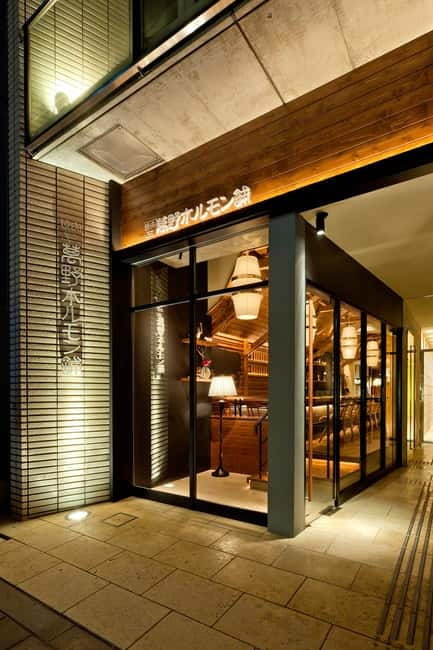
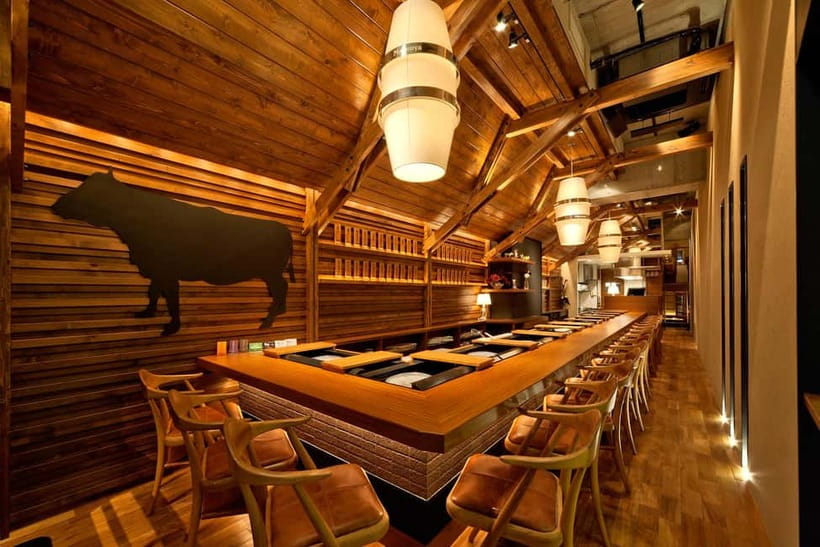
This is premium yakiniku with an atmosphere that feels current without being flashy. In practice, that matters because BBQ can either feel like a loud food stall or a comfortable sit-down meal. Here, you get a stylish, tidy space that fits the Shinsaibashi neighborhood, especially if you want dinner that feels like a planned moment, not just a quick bite between stops.
The menu concept is also part of the “where you are” experience. Mannoya focuses on doing basics right, including how they talk about selecting cows and paying attention to lineage, feed, and environment. Even if you are not fluent in the details, you can see the logic: when a restaurant insists that meat must meet a freshness and fat-content standard, it changes how the cuts are presented and how you taste them.
You are also in a good location for Osaka pacing. You’re close to Shinsaibashi Station, with multiple subway lines within a short walk. That means less time figuring out transit, more time showing up hungry and ready to slow down for a two-hour course.
Grill your own wagyu tableside
- Osaka:SUMO BEATS SHOWCASE: Taiko Drum and Wagyu burger!★ 4.2 · 37 reviews
- Manno: Osaka Premium Wagyu BBQ Experience Reservation★ 5.0 · 4 reviews
- Osaka: Premium Wagyu Yakiniku at Nikuoroshi Mannoya Bettei★ 4.3 · 4 reviews
What happens during your 2-hour course (and how not to miss your window)
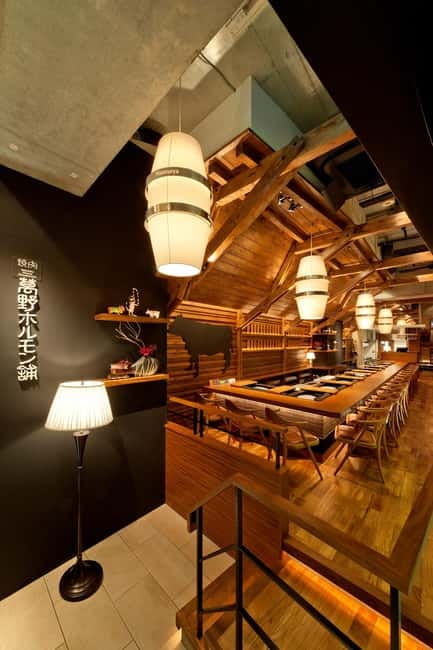
Mannoya is a reservation-based restaurant course, not a guided tour or activity. When your time comes, you enter the restaurant directly, and you eat as the full course is served. The duration is listed as 2 hours, so you should plan your evening around that block and not stack a second thing right after.
A few practical timing notes can help you avoid stress:
- Last food orders are taken 90 minutes before closing, so you do not want to arrive late and then rush everything at the end.
- If you show up more than 10 minutes late and the restaurant does not hear from you, they may give priority to other customers.
- Your best move is to treat your reservation time as real dinner start time, not “maybe soon.”
Because there is no guide, you will rely on the restaurant staff for explanations and pacing. The good news is that the service style is welcoming and works for foreigners who do not speak Japanese. That shows up in how cuts are described and how the staff help you understand what you are eating, which is especially important with a menu that includes offal and specialty items.
Choosing your course: standard, special, and premium lean assortments
The biggest decision you’ll make is which assortment fits your appetite and curiosity. The restaurant offers different course options that vary by cut lineup and how “lean” the assortment leans.
Standard Wano Wagyu lean meat assortment
This is a solid starting point if you want a variety without going all-in on only the leanest offerings. It includes items such as:
- Premium tongue
- Lean beef karubi (grilled short rib)
- Loin
- Skirt steak
- Lean beef seared sushi
- Seared karubi sushi
If you like variety and want to taste both classic yakiniku cuts and the signature tongue/offal angle, this one makes sense.
Special Wano Wagyu premium lean meat assortment
This steps up the “premium” factor and keeps the lean theme. Expect:
- Premium tongue
- Premium lean beef (two types)
- Premium karubi
- Premium loin
- Lean beef seared sushi
- Seared karubi sushi
This is the course I’d pick if you already know you want Wagyu quality but prefer a more refined, less fatty profile.
Not ready to leave Osaka yet? A few more ways to fill the day.
- Osaka Go Karting Tour with Funny Costume
★ 5.0 · 2,658 reviews - Osaka Castle: Museum and Tower Entry Ticket
★ 4.5 · 2,380 reviews - Osaka: Shinsekai Food Tour with 13-15 Dishes at 5 Eateries
★ 4.8 · 2,204 reviews
Wano Wagyu special lean meat assortment (select lean)
If you want to stay within the “lean” idea but choose the select version, this one includes:
- Premium tongue
- Select lean beef (two types)
- Select karubi
- Select loin
- Lean beef seared sushi
- Seared karubi sushi
In plain terms, all of these courses keep the “tongue and grilled short rib plus lean beef” backbone, but they shift how premium and how lean the selection feels. If you love the idea of offal being central, tongue is consistently part of the lineup across options.
Offal is the star here, and the freshness has a point
This is the most distinctive part of Mannoya’s concept: offal isn’t treated like a side dish. Instead, offal shows up as a centerpiece, including premium tongue and the broader “offal freshness” philosophy the restaurant talks about.
Why does that matter for you? Because many yakiniku meals fall into a safe pattern. You get a mix of familiar cuts, maybe one offal bite, and then you focus on what you already know. Here, the approach is different. The restaurant insists on freshness, fat content, and preparation, and they emphasize that their offal is prepared that morning and brought to you quickly.
That freshness goal is practical. Offal is where timing and handling show up fast. If a restaurant is serious about freshness and preparation, the texture and flavor usually read cleaner rather than heavy or overly gamey. So if you like trying foods that feel “intentionally chosen” instead of “tacked on,” Mannoya’s focus should land well.
There’s also a mindset piece. The restaurant frames the passion as coming from producers and agriculture, not just from expensive branding. You might not process every detail of that story while eating, but it translates into the restaurant’s insistence on standards, especially around the offal cuts.
Grill style and sauce menu: three ways to make the meat taste different
At Mannoya, you don’t just grill and hope for the best. They give you multiple flavor directions, and that’s where a premium yakiniku meal can feel more “tailored” to your taste.
Charcoal grilled (suyaki): for natural flavor lovers
If you want to taste meat first, charcoal grilled is the recommended route. You’ll get flavor from the grilling process and the cut itself. This option is a good match if you care about how the fat renders and how the meat tastes when you do not mask it with heavy sauce.
Condiments that fit this style include:
- Manno-ya original special soy sauce
- Grated wasabi
- Sansho pepper salt
- Fresh ginger
Tare-yaki: for sauce and rice-friendly bites
For people who like a sweeter or deeper sauce profile, there is grilled with sauce, called tare-yaki. The restaurant frames this choice as good for enjoying rice with the special sauce, which means your meal can shift from pure grilled flavors to a more complete “meal” rhythm.
You’ll see sauces and add-ons such as:
- Domestic garlic cloves
- Yannin-chan, a house-made sauce
Salt grilled (shio-yaki): for clean umami and control
Salt-grilled is another great option if you want the meat’s sweetness and umami to show through. The idea here is straightforward: you sharpen the flavors instead of overpowering them.
What you can use includes:
- Sansho pepper salt (also fits charcoal grilled)
- Fresh wasabi
- Noto’s Otani salt
If you like to control intensity, salt routes are often where you can adjust seasoning without turning everything into one-note sauce.
My practical advice: pick one main route and stick with it for a few bites, then switch. That lets you taste the difference between “meat-driven,” “sauce-driven,” and “salt-driven” without feeling like you are constantly resetting your palate.
Service and comfort: what feels premium without being fussy
The restaurant’s comfort level matters. A good yakiniku meal is equal parts food and flow. You want a place that feels clean, calm enough to focus, and staffed well enough to explain what you are eating.
The standout here is that staff are welcoming, and they can help people who do not speak Japanese. You’ll also get explanations of the platter cuts, which is important when the menu includes less common items like tongue and offal-forward selections.
Because there is no guide, you should lean into staff interaction. Ask what cut you are eating, and if there is a sauce pairing that fits your preference. If you go in expecting to communicate at least the basics, you’ll get a smoother experience.
Price and value at about $66 per person
The price is listed at $66 per person, and the course model is set up to be an all-in dinner rather than a pick-and-choose menu. Taxes and the reservation are included, and the course includes a full menu with or without drinks depending on the selected option.
So the value question becomes: does it feel like you get enough meat and enough quality to justify the premium rate? With Mannoya, the pitch is that you are paying for two things at once:
- Quality cuts, including high-quality Wagyu and tongue
- A freshness and preparation standard, with offal emphasized and prepared that morning
In practice, that can be worth it if you are a meat-focused eater. If you’re someone who wants a “special dinner” and loves understanding what you are eating, the course approach usually feels efficient. If you’re the type who wants a long multi-stop evening, a two-hour fixed course might feel a bit restrictive, even if the food is excellent.
One more value angle: because the menu can change depending on ingredient availability, you are not guaranteed the exact same platter every time. That flexibility can be good, but it also means you should be open to substitutions.
Getting there near Nagahoribashi and Shinsaibashi stations
Mannoya is easy to reach in central Osaka. It’s about a 5-minute walk from Nagahoribashi Station on the Sakaisuji Line and Nagahori Tsurumi-ryokuchi Line, and also about a 5-minute walk from Shinsaibashi Station on the Midosuji Line and the Nagahori Tsurumi-ryokuchi Line. Shinsaibashi Station is listed as 358 meters away.
Because you enter the restaurant directly at your reservation time, you don’t need to hunt for a separate meeting point with staff or a guide. Just be there, check in at the restaurant, and get seated.
If you’re doing Shinsaibashi shopping that day, this is a practical dinner anchor. It saves you from late-night transit problems and lets you plan your final stop as something comfortable and centered around food quality.
Should you book Mannoya in Shinsaibashi?
Book it if you want a premium Osaka yakiniku course that treats Wagyu and offal as equals. This is for you if you like the idea of morning-fresh offal being the star, and if you enjoy a sauce-and-salt menu that lets you taste the meat in different ways. Also, it’s a strong option if you’re shopping in the Shinsaibashi area and want a dinner that feels clean, stylish, and well handled.
Skip it if offal-forward meals make you nervous, or if you hate fixed timing. Since it is a restaurant course with no guide, you’ll do best if you are comfortable with self-guided dining, asking the staff a question or two, and sticking to the reservation window so the meal stays relaxed.
If you want one night in Osaka that feels like food with standards, Mannoya is a very logical choice.