
Reviewed · SUMO SHOWS & TOURNAMENTS
Sumo Tournament Experience in Osaka
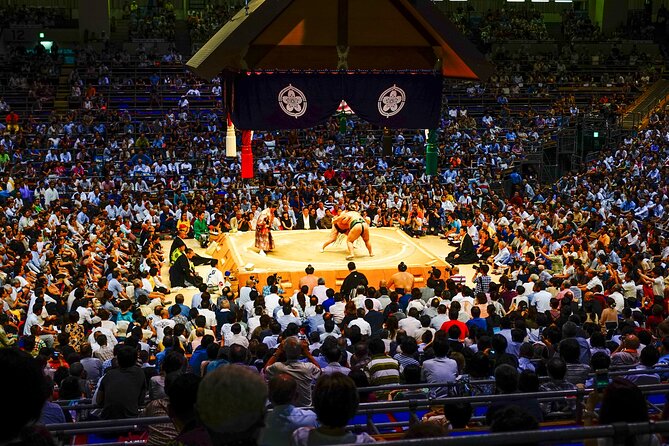
Sumo in Osaka has one perfect window a year. This half-day tour pairs reserved stadium seats with an English-speaking local sumo expert guide and the kind of rules-and-rankings context that makes matches click fast. I also love that you get a reserved B or C seat experience with audio headsets, so you are not stuck guessing what is happening. One thing to plan for: you may deal with some waiting before seating and crowd slowdowns inside the arena.
The tour runs about 4 to 5 hours, starting at 2:00 pm, and it is sized for a small group, up to 24 people (minimum of 15 to operate). That group size matters, because your guide can actually keep everyone together while you move through the tournament day rhythm.
If you add dinner, you will eat chanko nabe, the hot pot associated with sumo culture. I like that you can request sukiyaki or vegetarian in advance, but the timing is strict, and the default meal is chanko nabe without drinks once you select dinner.
In This Review
- Key Takeaways
- March Osaka Sumo Tournament, and Why Timing Matters
- EDION Arena Osaka Entry: What to Expect Before Seating
- Reserved Seats That Actually Match Your Budget
- Audio Headsets and Match Commentary: Turning Chaos Into Clarity
- Traditions You Can Spot in Real Time, Salt Rituals and More
- The Wrestler Moment: Entering the Stadium and Feeling the Crowd
- Optional Chanko Nabe Dinner: Sumo Food, Not a Tourist Substitute
- Group Size, Pace, and How the Tour Stays Organized
- Price and Value: Why $142.40 Can Make Sense
- Who Should Book This Sumo Day, and Who Might Skip It
- Should You Book the Sumo Tournament Experience in Osaka?
- FAQ
- What is the start time for the Osaka sumo experience?
- How long is the experience?
- Where does the tour take place?
- Is the admission ticket included?
- What seating options are available?
- Are audio headsets provided?
- Is dinner included?
- Can I request sukiyaki or vegetarian dinner?
- Can I bring outside food or drinks into the arena?
- How early should I book?
- What is the cancellation policy?
Key Takeaways
- Once-a-year Osaka basho timing: this experience is tied to the March tournament in Osaka, so planning ahead is key.
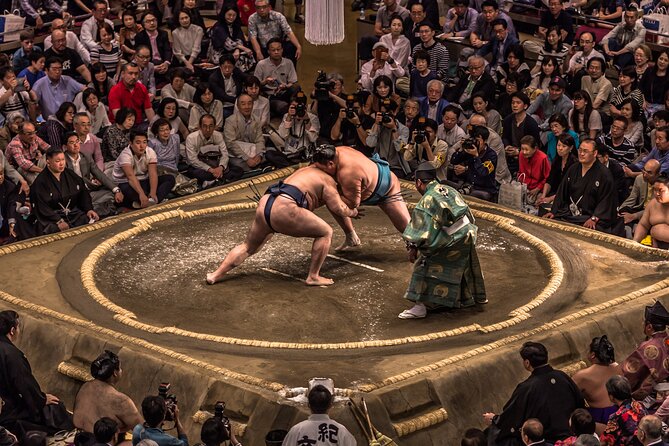
- Reserved seats by class: your option determines whether you sit upper balcony (Basic) or closer ring seating (Premium).
- Audio headsets for match commentary: you will hear the guide clearly as they explain rules, rituals, and wrestlers.
- Banzuke-hyo and sumo ranking context: you get the ranking table to help you follow who is who.
- No outside food in the arena: vendors sell food inside, and you should come prepared for tournament-day constraints.
- Optional chanko dinner with dietary requests: vegetarian or sukiyaki options require at least one week advance notice.
March Osaka Sumo Tournament, and Why Timing Matters
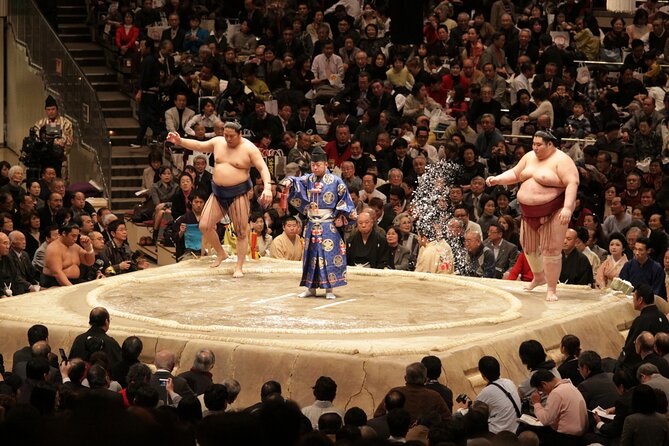
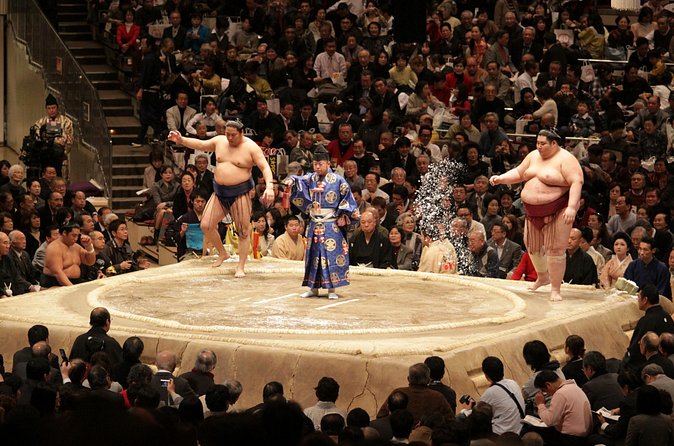
This experience is built around the official basho, the structured 15-day sumo tournament that happens six times a year across Japan. For Osaka, that means the March basho. If you miss March, you miss this specific Osaka match-day window, because the tournament itself is not a permanent local event.
That once-a-year timing is also why this tour feels different from a general sumo museum visit. You are there for actual competition, in the official tournament setting, with the formal rituals and match flow in full motion. On a first-time sumo day, that is the whole point. The matches alone are fun, but the culture context turns it into a real understanding of why sumo looks the way it does.
The other timing detail that affects your experience is the tour start time: 2:00 pm. Since the official tournament day has its own schedule, your group is expected to wait for matches to end before entering the seating area. In plain terms, you should plan for a slow start and then a fast, exciting finish.
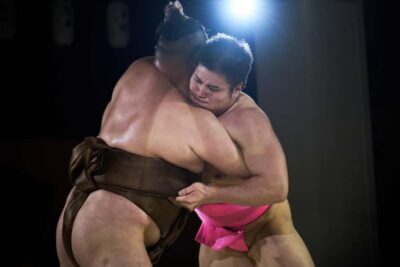
Watch giants collide in the ring
- Osaka: Sumo Show & Experience w/ Optional Kimono & Hot Pot★ 4.5 · 609 reviews
- Osaka: Sumo Stage Show with Bento or Snack + Fight & Photo★ 4.3 · 364 reviews
- Osaka Sumo Experience with Live Show and Audience Challenge★ 5.0 · 162 reviews
- Osaka:SUMO BEATS SHOWCASE: Taiko Drum and Wagyu burger!★ 4.2 · 37 reviews
- Sumo Wrestling Tournament Chair Seats & Expert Guide | Osaka Mar★ 5.0 · 3 reviews
EDION Arena Osaka Entry: What to Expect Before Seating
Your tournament location is EDION Arena Osaka, and the tour is about 4 hours at the official basho. Your ticket is included, and seating is reserved in advance based on the option you choose. That is a relief in a crowded, ticket-sensitive event like this.
Still, there is a reality check. The tour notes that there may be a wait prior to seating because you cannot enter until matches finish. Also, the Sumo Museum area can get congested, and your guide may ask you to visit on your own rather than trying to walk the full group through tight spaces.
So, how do you make this smooth? Arrive early. The guidance is at least 10 minutes before the designated meet-up time, and the tour may begin without late guests. Once you are inside, expect the usual tournament-day crowd energy: people moving, noise rising, and the building getting louder as match time approaches.
Reserved Seats That Actually Match Your Budget
This is one of the most practical parts of the tour, because it controls your view. You pick a seat class when you book, and the reserved seats are assigned based on that selection, already secured in advance.
Here is what the seat options mean for your day:
- Basic (D Seats): upper corners with a clear view of the ring, but more distance. Binoculars are recommended if you want to see details.
- Standard (B or C Seats): chair seating with good visibility and a better sense of the arena atmosphere. Binoculars are recommended for a closer view.
- Premium (A or S Seats): front arena section, closest to the ring for the most immersive match atmosphere.
If you are trying to decide between seat levels, think about your goal. If you mainly want the energy and a solid view, Standard is often the sweet spot. If you want the best chance to see wrestlers more clearly, Premium is worth the extra cost. Basic can still work, since visibility remains clear in the arena, but binoculars become part of your plan.
Also remember: no outside food or drinks are allowed in the arena. You can buy food from vendors once you are there. That matters more than it sounds, because you will likely spend the whole afternoon inside.
Audio Headsets and Match Commentary: Turning Chaos Into Clarity
Sumo has its own rhythm, and without context, it can feel like controlled chaos. The tour solves that with audio headsets and an English-speaking guide who is a local sumo expert.
The audio headset piece is a big deal. You do not have to crane your neck to hear a guide over the crowd, and you do not have to stop paying attention to the ring just to follow the story. The guide uses the headset to explain the history and culture of sumo wrestling, plus the rules and key facts connected to matches.
The tour also includes a sumo information pamphlet and a banzuke-hyo, a ranking table. That is practical, not just decorative. With rankings and structure in your mind, you can start recognizing matchups and understand what a bout represents in the larger tournament picture.
And there is a social element here too. You are meant to cheer and greet famous wrestlers as they enter the stadium for their big match, so you get more than a passive viewing experience. You get to feel how the crowd reacts and why certain moments become loud.
Traditions You Can Spot in Real Time, Salt Rituals and More
One of the best reasons to do sumo with a guide is that the traditions are visible, but not always obvious. The tour is designed to point out those ritual elements you might otherwise miss, including salt purification. When you see it alongside a clear explanation, it becomes more than a quick pre-bout routine. You start to see it as a structured piece of the sport’s etiquette and spiritual tone.
This is also where the “strict rules and strict traditions” idea becomes real. Sumo is a gendai budo, a modern Japanese martial art with deep roots, and the sport is highly regimented. Many wrestlers live in communal heya, where daily life is closely monitored, including meals and how they dress. That background helps you understand why sumo looks disciplined, down to the smallest pre-match actions.
If you are a first-timer, that is especially valuable. You do not need to be a sumo fan already. You just need a guide to tell you what you are watching and why it matters in that tournament setting.
Not ready to leave Osaka yet? A few more ways to fill the day.
- Osaka Go Karting Tour with Funny Costume
★ 5.0 · 2,658 reviews - Osaka Castle: Museum and Tower Entry Ticket
★ 4.5 · 2,380 reviews - Osaka: Shinsekai Food Tour with 13-15 Dishes at 5 Eateries
★ 4.8 · 2,204 reviews
The Wrestler Moment: Entering the Stadium and Feeling the Crowd
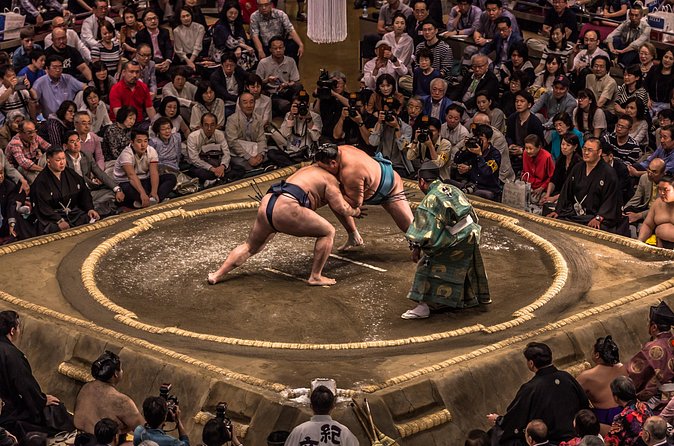
The tour includes a moment that many sports fans love: you get to cheer on and greet famous sumo wrestlers as they are entering the stadium. That is one of those “small” moments that often turns into a highlight, because it is tied to emotion, not just information.
Once you are inside, you are seated at your reserved section in the main arena or upper areas depending on the option. The tour emphasizes that the seats chosen for the experience are meant to have the best match view for your class, with chair seating.
A practical tip: bring binoculars if you have them, especially for Basic or Standard. The tour specifically recommends binoculars for those seat levels to get a closer view. Premium seats will reduce the need, because you are already nearer the ring.
Also note the timing reality: you wait for the end of sumo matches before entering seating areas. That means you might spend some time standing and moving with the crowd. If you are the type who gets stressed by waiting, take it easy before you meet the group and aim to arrive early.
Optional Chanko Nabe Dinner: Sumo Food, Not a Tourist Substitute
If you select the dinner option, you can experience chanko hot pot, the food associated with sumo wrestlers. The tour describes it as a hot pot with chicken stock as the base and various vegetables. Chanko originated in the Ryokoku area, and sumo wrestlers are known to eat a lot of it because it can be cooked in large batches.
This is one of the most authentic add-ons you can choose, because it is not just a meal, it is part of the culture the sport comes with. Even if you are not a huge soup person, it is a practical, warm way to end a long afternoon in an arena.
Dietary options are available, but they come with real rules:
- If you want sukiyaki or vegetarian, request it at least one week in advance.
- If dinner is selected, chanko nabe without drinks is the default.
- Once a dinner request is accepted, changes cannot be made one week before the tour date.
- The vegetarian broth may be substituted by the restaurant, and the tour notes traditional broth is typically pork or chicken.
If you have dietary restrictions, treat the one-week lead time like part of the ticket. Plan ahead so you do not lose the option you want.
Group Size, Pace, and How the Tour Stays Organized
This tour is designed for a group of up to 24 people, with a minimum of 15 required to operate. That minimum matters because group-based tours live or die by numbers, especially for tournament tickets.
The upside of that size is that your guide can manage movement without turning it into a logistics marathon. The tour also provides audio headsets, which helps a lot when you are in a busy arena environment and want to keep the explanation flowing without repeating yourself for every question.
There is still a lot happening at a sumo basho. The guide may move the group through certain areas more directly, and the congestion note about the Sumo Museum suggests they may shift plans if the crowd density makes it hard to walk together. That is normal for a stadium day, and it is exactly why you want a guide who knows how to handle tournament crowds.
One more practical note: hotel pick-up and drop-off are not included. So you will be using public transportation or another method to get to the meet-up and arena area on your own. The meeting point is stated to be near public transportation, which helps.
Price and Value: Why $142.40 Can Make Sense
At $142.40 per person, this tour is not a casual add-on. But when you look at what you get, it is easier to judge whether it fits your travel style.
Included items that affect value:
- Admission ticket included for the official basho experience
- Reserved seating according to your selected option (Basic, Standard, Premium)
- English-speaking local sumo expert guide
- Audio headset
- Sumo information pamphlet
- Banzuke-hyo (ranking table)
- Service fee for getting the ticket
- Optional dinner (if selected), with chanko hot pot and no drinks by default
What is not included:
- Hotel pick-up and drop-off
- Meals and drinks, unless you choose the dinner option
So where does the value land? It lands in the combination. Buying seats yourself in a tournament setting is one part. Understanding what you are seeing, with headset commentary and ranking context, is the other. This tour tries to bundle both so you are not paying money just to sit in a seat. You are paying for match comprehension and access to the official event day structure.
If you already have your own seat and do not need guidance, you might find it cheaper to plan independently. But if you want your first sumo day to feel logical, this price is easier to justify.
Who Should Book This Sumo Day, and Who Might Skip It
I think this tour fits best if you:
- Want a first-time-friendly introduction to sumo culture and rules
- Care about having reserved seating with a guide explaining what matters
- Like structured experiences that reduce stress during a ticketed event
- Are interested in optional chanko dinner as part of the cultural package
You might consider skipping it if:
- You prefer a fully free-form day and hate any waiting or group pacing
- You are comfortable reading the tournament context on your own without headset commentary
- You already know exactly which seats you want and you plan to handle the tournament logistics independently
A final note from the feedback data: the guide name Yuka shows up in a top review, described as easy to find near the arena, easy going, informative, and happy. You should not assume your guide will be the same, but it does suggest the guide style you can expect: friendly, clear, and practical for people new to sumo.
Should You Book the Sumo Tournament Experience in Osaka?
If you are going to Osaka in March and you want sumo to make sense, I would book this. The biggest strength is the pairing: official tournament seating plus English commentary plus ranking context. That is how you turn a great sport into a memorable afternoon.
Also, decide your seat level with intent. If you are budget-conscious, Standard is a smart way to get good atmosphere and a view that stays comfortable. If you want the strongest ring connection, Premium is the move, especially if you do not want to rely on binoculars.
Just be realistic about the day-of flow. There may be waiting before seating, and the arena can get crowded. If you arrive on time, use the headsets, and lean into the tournament vibe, you will get a lot out of the 4-hour basho segment and the cultural setup around it.
FAQ
What is the start time for the Osaka sumo experience?
The tour starts at 2:00 pm.
How long is the experience?
It is about 4 to 5 hours total, with a 4-hour experience at the official basho.
Where does the tour take place?
The tour takes place at EDION Arena Osaka.
Is the admission ticket included?
Yes. Admission ticket is included.
What seating options are available?
You choose a seat class when booking: Basic (D Seats, upper balcony), Standard (B or C Seats, main arena), or Premium (A or S Seats, front arena section).
Are audio headsets provided?
Yes, audio headsets are included so you can hear the English-speaking guide clearly.
Is dinner included?
Dinner is optional. If you select it, you will have chanko hot pot. Meals and drinks are not included unless you pick the dinner option.
Can I request sukiyaki or vegetarian dinner?
Yes, you can request sukiyaki or vegetarian, but the request needs to be made at least one week in advance. Changes cannot be made within one week of the tour date.
Can I bring outside food or drinks into the arena?
No. Outside food or drinks are not allowed in the arena. Vendors sell food inside.
How early should I book?
If possible, book about 3 months in advance. At the very least, try for 1 month ahead, since tickets are released by the Sumo Association about 4 to 7 weeks before the tour date.
What is the cancellation policy?
This experience is non-refundable and cannot be changed for any reason. If it is canceled because the minimum number of travelers is not met, you will be offered an alternative date or a full refund.
Just added around Osaka
Sumo Shows & Tournaments, compared.
Sumo Show & Experience w/ Optional Kimono & Hot Pot
Read our review →
Sumo Stage Show with Bento or Snack + Fight & Photo
Read our review →
Osaka Sumo Experience with Live Show and Audience Challenge
Read our review →
SUMO BEATS SHOWCASE: Taiko Drum and Wagyu burger!
Read our review →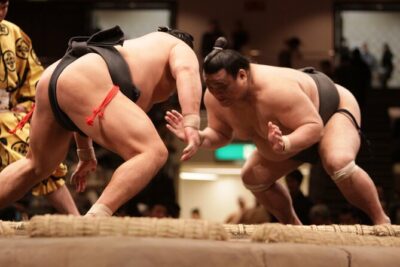
Sumo Wrestling Tournament Chair Seats & Expert Guide | Osaka Mar
Read our review →This tour also fits