
Reviewed · HISTORICAL TOURS
Customizable Osaka Historical Full Day Walking Tour
Osaka has a calm side, even on foot. This customizable private walking tour strings together major historical sights with a flexible route, so you can slow down or speed up where you care most. You pick the vibe, the pace, and the order, all with an English-speaking guide beside you.
What I like most is the room to tailor the day to your interests, not some rigid checklist. I also love that you get a friendly local guide who helps connect the dots between temples, shrines, parks, and the big feudal story around Osaka Castle. The one thing to consider is that entrance fees, meals, and transportation are not included, so you’ll want to budget a little extra and plan your own food breaks.
In This Review
- Key Highlights You Should Know Before You Go
- Why This Osaka Historical Walking Tour Feels Different
- Where the Day Starts: Osakajo Koen Station and an Easy Loop Back
- Tennoji Park: Gardens, Temples, and a Softer Side of Osaka
- Shitennoji Temple: Old Foundations and Quiet Details That Matter
- Osaka Castle: Feudal Drama Plus Panoramic Payoff
- Osaka Castle Nishinomaru Garden: The Quiet Companion to the Big Sights
- Hokoku Shrine and Osaka Tenmangu: Two Shrine Vibes, One Spiritual Thread
- Nakanoshima Park: Riverside Breathing Room Between Landmarks
- Price and Value: Is $210 Per Person Fair for This Format?
- How Customization Plays Out in Real Life (Including Food Time)
- Is This Tour for You? My Booking Advice
- FAQ
- How long is the Osaka historical walking tour?
- How much does the tour cost, and what is included in that price?
- Is this tour private?
- Where do we meet, and where does the tour end?
- Are entrance fees, meals, and transportation included?
- Can I customize the route and start time?
- Do I receive a mobile ticket?
- What if the weather is bad, and what is the cancellation policy?
Key Highlights You Should Know Before You Go
- Truly flexible routing for an 8-hour walking day, plus a choice of start time.
- English-speaking guide to translate what you see and why it matters.
- A strong historical spine: Shitennoji, Osaka Castle, and multiple shrines.
- Parks built in for breaks that feel like part of the culture, not downtime.
- Private group only, so you can ask questions and adjust pacing on the fly.
Why This Osaka Historical Walking Tour Feels Different
If you’ve ever done a highlight tour where you spend half your day rushing between photos, this is the opposite. The big idea here is control. You’re not locked into a single “perfect itinerary.” Instead, you build a day around what you want to learn, what you want to see up close, and how long you want to linger.
That matters in Osaka. Some sights reward speed, like big architecture and views. Others reward patience, like temple grounds and shrine areas where you feel the quiet. With this format, you can spend more time where you actually feel curious.
A private setup also changes how the day flows. Instead of a guide talking over everyone in a big group, you get a conversation and course corrections in real time. You can ask how to read a place, what to notice in gardens, or why Osaka has more than one spiritual landmark that shapes local life.
The trade-off is practical: it’s still an 8-hour walking day. Even with breaks, you’ll want comfortable shoes, and you’ll likely pay some entrance fees and choose your own meals. If that sounds fine, you’re in good shape.
Other ways to spend a day in Osaka
- Osaka: Castle History Walking Tour / Castle Tower Admission★ 4.9 · 230 reviews
- Osaka: Osaka Castle & Historical Museum Guided Tour★ 4.8 · 28 reviews
- Osaka Castle & Samurai History Walking Tour★ 5.0 · 22 reviews
- Osaka: Kyoto & Nara & Uji Historical and Scenic One-Day Tour★ 4.7 · 21 reviews
- (Ticket Included) Explore Osaka Castle & Museum of History★ 4.8 · 21 reviews
Where the Day Starts: Osakajo Koen Station and an Easy Loop Back
You’ll begin at Ōsakajōkōen Station 3, near Osaka Castle Park (Osakajo, Chuo Ward). That’s a smart starting point because it keeps your day efficient. You’re starting already in the historical core, so you’re not spending your morning commuting across town.
The tour ends back at the same meeting point. I like this because it removes one headache: you don’t have to figure out a separate finish location after a long walk. When you’re tired, simplicity wins.
Also, the meeting spot is described as near public transportation. That’s useful if you’re staying somewhere easy to reach, or if you want to arrive early to get bearings before meeting up.
One more practical tip: since there’s no hotel pickup or drop-off, give yourself a little extra time to reach Osakajo Koen Station and get settled. Even a 10-minute delay can turn into an awkward scramble when you’re working with a fixed start time.
Tennoji Park: Gardens, Temples, and a Softer Side of Osaka
Tennoji Park is the kind of place that makes you exhale. It’s a mix of landscaped gardens and cultural landmarks, and it sits in a peaceful urban setting. You’re not just looking at green space. You’re seeing how Osaka protects room for calm while keeping the city around it.
This stop is especially good if you want a break early in the day without losing the theme. In many walking tours, parks happen after the biggest sights, when people are already exhausted. Here, you can use Tennoji Park to reset while still staying close to culture and tradition.
The grounds include a few different elements, including historic temples, gardens, and the Osaka City Museum of Fine Arts. The key point for your planning is that admission is not included, so if you decide to go inside any museum spaces, you’ll need to pay separately.
What I’d do here: slow your pace. Walk the paths, notice seasonal planting if you’re there in a flowering period, and let your guide point out what makes the area feel historic rather than simply decorative.
A small caution: this is listed as about an hour. If you fall into the “one more path” trap, you can feel rushed at the next stop. With a customizable approach, ask your guide whether you want to shorten or lengthen this park time to match your energy.
Shitennoji Temple: Old Foundations and Quiet Details That Matter
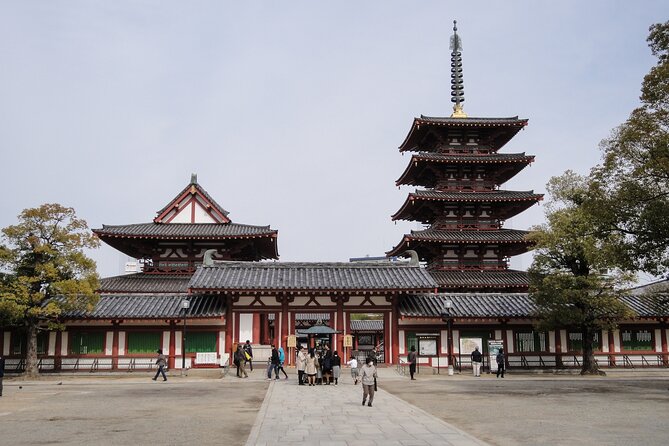
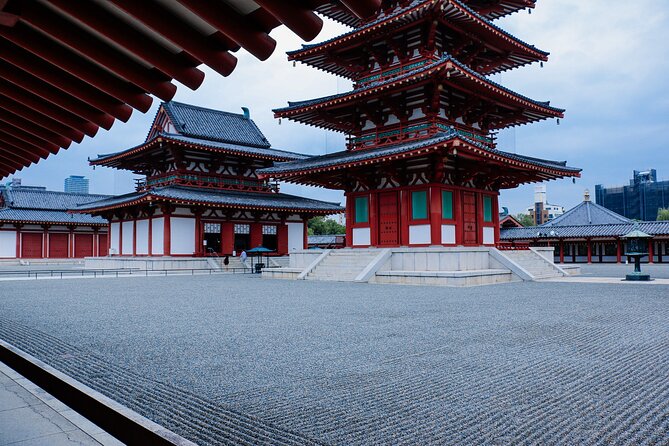
Shitennoji is one of Japan’s oldest temples. That alone is interesting, but what you’ll likely feel once you’re there is the serenity. This place is famous for traditional architecture and gardens, and it has a calm, steady atmosphere.
This stop is valuable because it gives context. Without a temple visit, you can end up treating Osaka Castle and other big sites like isolated monuments. With Shitennoji, you connect the spiritual and cultural roots that run alongside political history.
Admission is not included, so you’ll be deciding on the spot whether you want to pay for any areas tied to museum-style tickets or special access. Your guide can help you decide what’s worth it based on your interests and time.
If you enjoy architecture and sacred spaces, focus on transitions: how the grounds are arranged, how the buildings relate to garden space, and how the temple yard changes your pace. If you’re more of a photo person, you’ll still benefit. The temple’s layout gives you natural angles, and the quiet makes it easier to get photos without fighting crowds.
The drawback to watch for is time pressure. One hour is a good starter window, but Shitennoji can make you slow down naturally. If you want more than the basics, your best move is to tell your guide you want extra time here during the customization part of your planning.
Osaka Castle: Feudal Drama Plus Panoramic Payoff
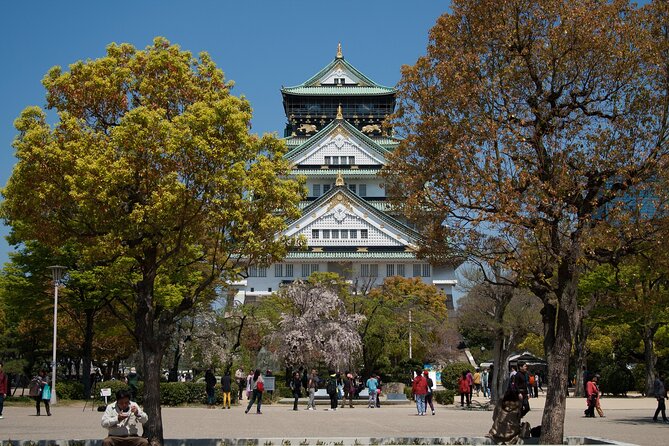
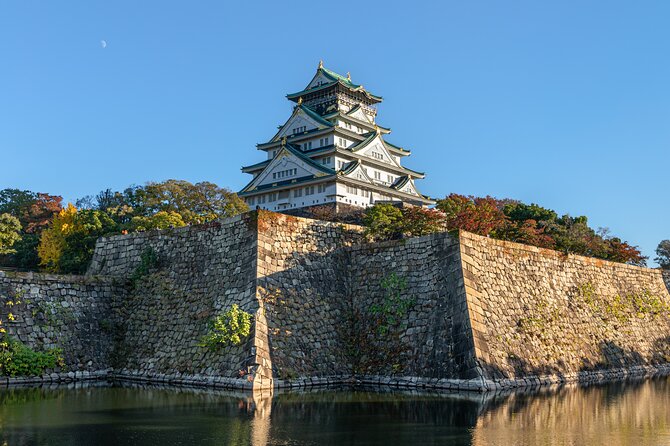
Osaka Castle is the headline. Even if you know little about Japanese feudal history, you can feel why this place became a symbol. The stone walls and the moat do more than look dramatic, they tell you about defense and power.
The stop is about an hour, and the museum inside the main tower is part of what you can access. Admission is not included, so you should budget for the main attraction and any related exhibits.
This is one of those sights where your guide’s storytelling makes a difference. The castle isn’t just a building. It’s a way to read the past of the city. When you’re on the grounds, your questions will matter: why this area, what it meant strategically, and how Osaka’s identity evolved around it.
The moat and surrounding edges are also great for photos. If you’re aiming for views, the castle grounds help you build perspective. You get a sense of how the castle sits within Osaka, not just as a standalone tourist stop.
One consideration: if the weather turns or you’re hit with summer heat, you’ll want your guide to help you prioritize indoor time versus outdoor time. This experience requires good weather, so it’s best to plan your day when skies look reliable. (More on weather later.)
Not ready to leave Osaka yet? A few more ways to fill the day.
- Osaka Go Karting Tour with Funny Costume
★ 5.0 · 2,658 reviews - Osaka Castle: Museum and Tower Entry Ticket
★ 4.5 · 2,380 reviews - Osaka: Shinsekai Food Tour with 13-15 Dishes at 5 Eateries
★ 4.8 · 2,204 reviews
Osaka Castle Nishinomaru Garden: The Quiet Companion to the Big Sights
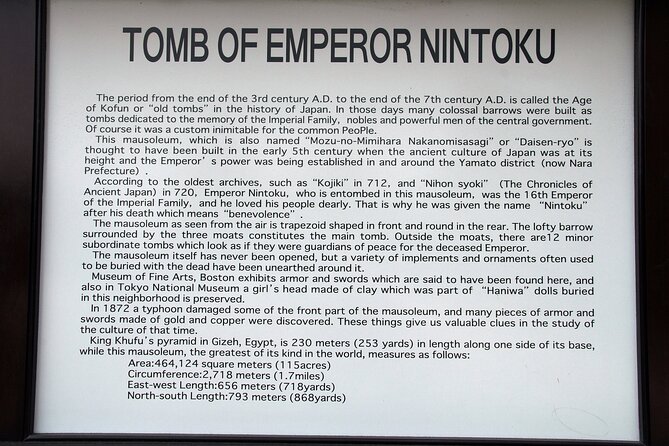
Nishinomaru Garden is where your day gets calm again. This is a different kind of experience from the castle itself. You get spacious lawns, seasonal flowers, scenic views of Osaka Castle, and a traditional teahouse area surrounded by greenery.
Admission is not included, so if you want to go inside certain sections or into teahouse-style spaces, you’ll pay separately. Still, even a garden walk can be satisfying because it gives you a more human scale than the castle’s grand walls.
I like this stop because it’s a built-in decompress moment. After the intensity of a major historical landmark, you’re not sent to another intense site immediately. You get air, shade, and space to think.
It’s also a smart photo stop. The garden viewpoints can frame Osaka Castle nicely, and the change in scenery helps break up the day visually. That reduces the “same-day burnout” effect where everything starts to look like more of the same.
If you’re the type who loves gardens and small details, try to slow down here rather than treating it like a quick pass. The time limit is around an hour, so ask your guide how to get the best garden route for your interests.
Hokoku Shrine and Osaka Tenmangu: Two Shrine Vibes, One Spiritual Thread

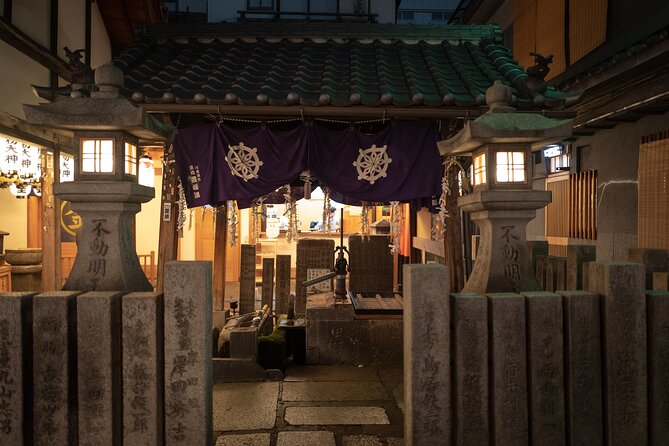
After castle and garden, the day turns spiritual again. You’ll stop at Hokoku Shrine and Osaka Tenmangu Shrine, both with traditional architecture and a peaceful atmosphere.
Hokoku Shrine is associated with the legacy of Toyotomi Hideyoshi, and it features impressive bronze statues. That gives you an easy bridge between the castle’s feudal theme and the shrine’s memorial tone. In other words, you’re not just hopping between unrelated stops. You’re following a storyline.
Osaka Tenmangu Shrine is especially lively because it connects to local traditions. It hosts the Tenjin Matsuri festival, and even if you’re not there during the festival dates, the shrine’s identity is still tied to that energy.
Admission is not included for both shrine stops, so you may or may not pay depending on what access you choose and what areas are ticketed at the time.
What I’d do at shrines: notice how the space changes your behavior. People slow down. They stand differently. They look at smaller details instead of big architecture. With a guide in tow, you’ll also learn what specific elements mean in the shrine context, so your visit feels more intentional.
The main caution here is that shrine visits can feel “similar” if you treat them like photo checkpoints. Ask your guide to highlight what’s different between Hokoku and Tenmangu, so the second shrine isn’t just repeat.
Nakanoshima Park: Riverside Breathing Room Between Landmarks
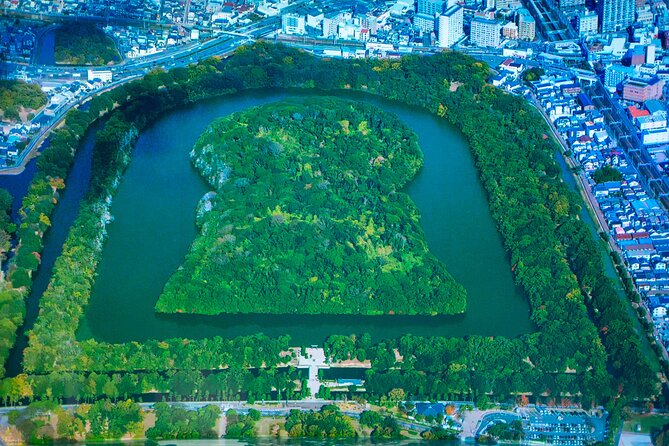
Nakanoshima Park sits between two rivers and gives Osaka a more relaxed edge. It’s known for open green spaces, relaxing walking paths, and a rose garden. Even when you’re not in peak bloom season, it’s a pleasant place to take a break and stretch your legs.
Admission is not included, which is typical for parks, but some portions or attractions could still involve separate tickets depending on what’s operating. Your guide can clarify what’s worth your time in the exact moment.
This stop is valuable because it’s a real-world pacing tool. After several historic sites, your feet need recovery time. You’ll also get a change of scenery, which helps your day feel coherent rather than like a sprint.
If you care about city life details, take a slow walk and watch how Osaka handles quiet in the middle of urban density. Nakanoshima’s setting between rivers can make the air feel different, and the visual rhythm of water and paths helps you reset.
Price and Value: Is $210 Per Person Fair for This Format?
At $210 per person for about 8 hours, this is not a budget add-on. You’re paying for the private format and the guide time, plus the flexibility to customize your day.
So where is the value? You’re getting four main things:
- A local guide who can explain what you’re seeing, and adjust pacing as you go.
- Time control, including flexible start time and route customization.
- A structured historical arc that covers castle area, temple, and shrines, plus park breaks.
- Private attention, meaning you can spend more time on what actually interests you rather than what fits a group schedule.
What’s not included helps explain the final cost picture. Entrance fees, meals, and transportation are on you. If you add museums, you may pay more. If you keep it light and focus more on outdoor grounds and key indoor spots, you’ll spend less.
If you’re traveling as a pair or small group, a private tour can start to feel more reasonable because the guide time cost gets shared. The listing notes group discounts, so it’s worth checking how that applies to your size.
My practical advice: treat the $210 as the cost of a guide and planning control, then budget separately for entrances and your meals. If you’re willing to do that math up front, you’ll feel good about the decision.
How Customization Plays Out in Real Life (Including Food Time)
The wording says you’ll tailor the day to your interests, but what that means on the ground is simple: your guide can steer the order, pace, and emphasis.
Some days, you might choose to linger more at Shitennoji or Nishinomaru Garden. Other days, you might prioritize Osaka Castle museum time if you’re interested in feudal details and panoramic views.
One more practical benefit: you can plug in breaks for food. Meals aren’t included, so the tour relies on you to decide when and what to eat. If you want to try Osaka street food, you can often fit it between major stops when your walking time allows.
This is also where having a private guide helps. You can ask where it makes sense to stop for something quick, so you don’t waste time chasing the wrong direction.
If you’re planning your own day anyway, the risk with a “customizable” tour is that you might feel overwhelmed deciding the route. The fix is to give your guide a short list: top 2 must-sees, 1 thing you want less of, and your ideal walking pace. You’ll get a better day, faster.
Is This Tour for You? My Booking Advice
Book this tour if you want a structured, historical Osaka day with enough freedom to make it yours. It’s a great match if you like mixing big landmarks (Osaka Castle) with quieter places (temples, shrines, and parks), and if you prefer learning with a guide rather than reading everything from your phone.
Skip it or rethink it if you want a purely low-cost experience, because entrance fees and meals are not included, and you’re paying for private guide time. Also consider skipping if you hate walking, because this is built as a long walking day, even though it includes park breaks.
If you’re visiting Osaka for the first time and want an anchor route that still feels flexible, this hits a strong balance. You’ll leave with a better sense of why Osaka’s story includes both feudal power and everyday spiritual sites.
FAQ
How long is the Osaka historical walking tour?
The tour lasts about 8 hours.
How much does the tour cost, and what is included in that price?
It costs $210.00 per person. The price includes an English-speaking tour guide and an 8-hour customized tour.
Is this tour private?
Yes. It is a private tour/activity, and only your group participates.
Where do we meet, and where does the tour end?
You meet at Ōsakajōkōen Station 3 (Osakajo, Chuo Ward, Osaka 540-0002, Japan). The tour ends back at the meeting point.
Are entrance fees, meals, and transportation included?
No. Entrance fees, meals and other drinks, and transportation are not included.
Can I customize the route and start time?
Yes. The tour is fully customizable, and it offers flexible start time.
Do I receive a mobile ticket?
Yes. A mobile ticket is part of the experience.
What if the weather is bad, and what is the cancellation policy?
The experience requires good weather. If it’s canceled due to poor weather, you’ll be offered a different date or a full refund. Free cancellation is available up to 24 hours in advance for a full refund.
Just added around Osaka

Historical Tours, compared.
Castle History Walking Tour / Castle Tower Admission
Read our review →
Kyoto & Nara & Uji Historical and Scenic One-Day Tour
Read our review →
(Ticket Included) Explore Osaka Castle & Museum of History
Read our review →
Kyoto & Uji Historical Sites and Scenic Delights Tour
Read our review →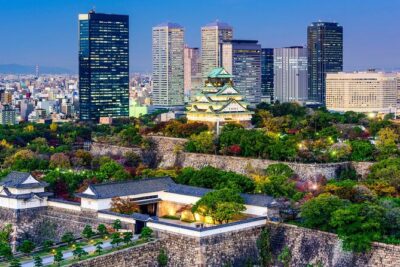
Osaka Private Pop Culture Tour: Historic Tenma to Dotonbori
Read our review →This tour also fits