
Reviewed · HISTORICAL TOURS
Osaka: Castle History Walking Tour / Castle Tower Admission
Osaka Castle gets way more interesting when you read the defenses. I like the skip-the-line access and the payoff city view from the tower. One thing to plan for, you will walk outdoors on stone paths, so wear shoes with real grip.
This is a 90-minute, English-guided walk that helps you understand why Osaka Castle was designed to slow, trap, and exhaust attackers. You focus on practical things you can actually see, triple moats, layered gates, and the tricky zigzag approach routes that were meant to keep enemies exposed. At the top, you get a guided look at the tower as a command and last-defense point, plus time to explore on your own after the guided portion.
In This Review
- Key things that make this Osaka Castle tour worth it
- Fortress logic first: why the moats and gates feel different after this tour
- Finding your way: the Lawson meeting point and first moments
- The defense walk through outer moats and layered gates
- Zigzag kill zones: how walkways were designed for control
- Hokoku Shrine stop: a quiet breather with possible cultural moments
- Osaka Castle tower admission: what the guide emphasizes and what you explore yourself
- The largest stone and 16th-century transport methods
- Wall angles, stone marks, and why this fortress was hard to climb
- How Osaka Castle fell in 1614 to 1615, and what it says about power
- Price and value: $33 for 90 minutes of guided momentum
- Who should book this, and who might prefer to go solo
- The best way to enjoy the experience: practical tips before you go
- Should you book this Osaka Castle tower-and-defense tour?
- FAQ
- How long is the Osaka Castle walking tour with tower admission?
- Where do I meet the guide?
- Is the tour guided in English?
- What is included in the price?
- Do I get skip-the-line access?
- How much time do I have to explore the tower myself?
- What should I bring for the tour?
- Is there a way to get a refund if my plans change?
Key things that make this Osaka Castle tour worth it

- Skip-the-line tower entry, using a separate entrance so you waste less time in crowds
- Military design explained where you stand, from moats and gates to masugata trap layouts
- Top-of-tower Osaka views as a real reward, not just a quick stop
- The largest stone story, including how it was moved in the 16th century
- Marks and craftsmanship details, so the stones feel purposeful instead of random
- Real English interpretation, with guides often noted for friendliness and keeping people engaged
Fortress logic first: why the moats and gates feel different after this tour
Osaka Castle isn’t just a big photo spot. With a guide, the whole site starts to make sense like a defensive machine. You’re looking at layers meant to delay attackers, break formations, and force enemies into tight, controllable paths.
What I love about this format is that you’re not memorizing names. You’re learning how design choices become battlefield tactics. The triple moats, multi-layered gates, and masugata entrances are easier to grasp when someone shows you how they function as obstacles, not decoration.
Other ways to spend a day in Osaka
- Osaka: Osaka Castle & Historical Museum Guided Tour★ 4.8 · 28 reviews
- Osaka Castle & Samurai History Walking Tour★ 5.0 · 22 reviews
- Osaka: Kyoto & Nara & Uji Historical and Scenic One-Day Tour★ 4.7 · 21 reviews
- (Ticket Included) Explore Osaka Castle & Museum of History★ 4.8 · 21 reviews
- Osaka: Osaka Castle 3 hours Historical Walking Tour★ 4.6 · 14 reviews
Finding your way: the Lawson meeting point and first moments
You meet in front of Lawson S Otemae Rest House Store. There are multiple Lawson locations nearby, so check Google Maps and aim for the right one. Look for the Local Guide Stars sign, and you’ll be set.
This first step matters more than you might think. Osaka Castle area can feel spread out, and starting cleanly helps you get into the story early. Once the group is together, the guide’s job is to point you toward the most important defensive features before you get distracted by the scale of everything.
The defense walk through outer moats and layered gates
The tour’s main momentum comes from walking the castle’s outer defenses. You’ll move through areas that once served as buffers and barriers, where moats and walls were planned to slow down an assault.
Expect to focus on:
- Triple moats as stacked layers of friction
- Multi-layered gates that limit straight approaches
- Masugata entrances, the corner-style designs that trap invaders into turn-by-turn movement
This is the part where the tour feels most practical. Once you understand that the defenders wanted enemies to stop moving forward, you start seeing why routes zigzag and why entrances were shaped the way they were.
Zigzag kill zones: how walkways were designed for control
One of the most memorable concepts here is the zigzag route attackers faced under fire. These were not random paths. They were the kind of geometry that makes attackers expose themselves while trying to correct direction.
As you walk those same angles, you begin to feel the logic: the castle wanted attackers off-balance, slowed, and funneled into predictable spots. It’s a reminder that good defense is often about controlling movement, not just height or walls.
If you like military architecture, this is where the tour earns its keep. You’ll leave with a better “why” behind what you’re seeing, even if you don’t have a background in Japanese castle design.
Hokoku Shrine stop: a quiet breather with possible cultural moments
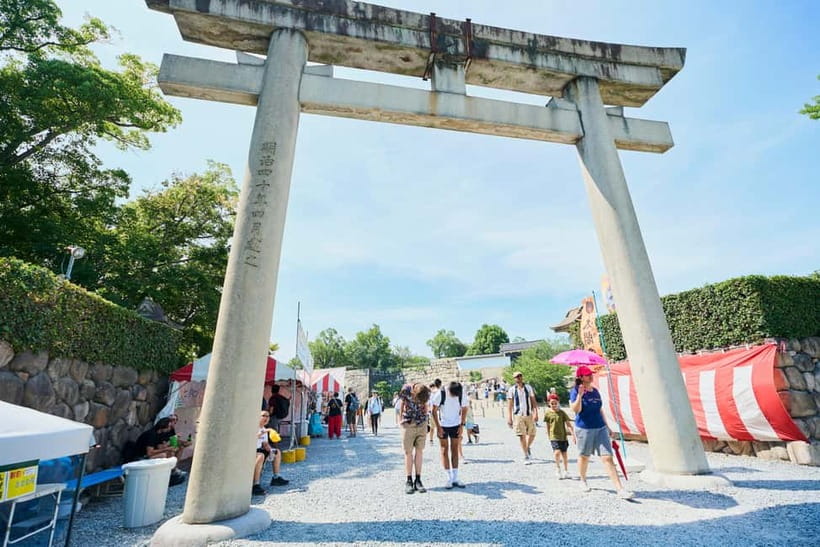
The tour includes a guided visit to Hokoku Shrine, a shorter stop that changes the pace. You get a brief moment away from the defensive focus, which helps the experience feel less like a single long lecture.
Timing can add an extra layer. In one booking, the timing lined up with a traditional Japanese wedding ceremony at Hokoku Shrine. You can’t plan on that happening, but it’s a good example of how this part can turn into a cultural snapshot when the day cooperates.
Not ready to leave Osaka yet? A few more ways to fill the day.
- Osaka Go Karting Tour with Funny Costume
★ 5.0 · 2,658 reviews - Osaka Castle: Museum and Tower Entry Ticket
★ 4.5 · 2,380 reviews - Osaka: Shinsekai Food Tour with 13-15 Dishes at 5 Eateries
★ 4.8 · 2,204 reviews
Osaka Castle tower admission: what the guide emphasizes and what you explore yourself
The included Osaka Castle Tower admission ticket is a big value point, because the time saved can be real when the site is busy. Skip-the-line access through a separate entrance helps you move faster into the tower area.
Inside, the tour focuses on how the tower functioned as a command post and last defense. You’ll look for defensive features that connect the exterior to the tower’s purpose. The guide also highlights items meant to influence morale, like the use of gold as psychological warfare.
You can also expect:
- Arrow slits and gun ports, explained in the context of defensive sightlines and protection
- A guided narrative that ties tower role to the earlier moats and gates
Important practical note: the tour includes the tower admission, but it does not provide a guided walkthrough of each museum floor. After the main guided segment, you’ll have time for photos and self-guided exploration, so you can slow down where you want and skip what you’re not interested in.
The largest stone and 16th-century transport methods
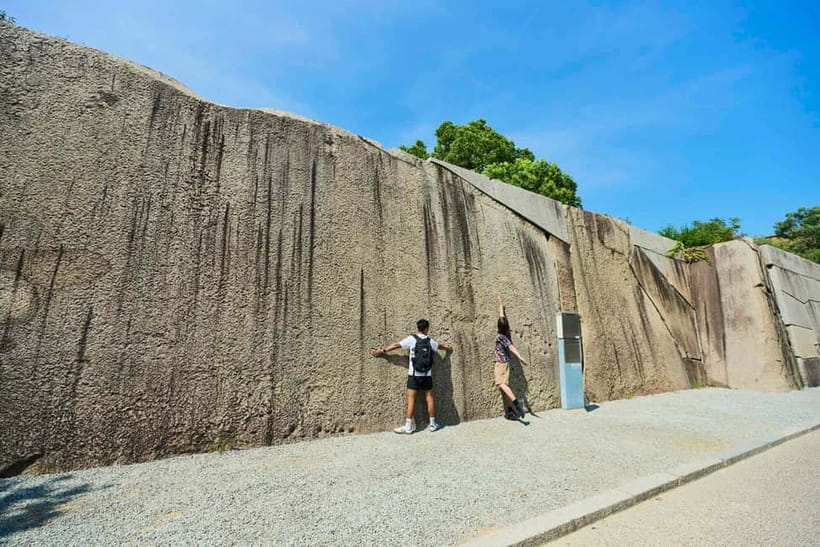
A standout highlight is the castle’s largest stone and the story of how it was transported. That detail turns stone walls into engineering problems, not just scenery.
The takeaway you should watch for is this: moving huge stone blocks was a major logistical feat. When the guide connects the stone size, its placement, and the transport methods of the era, you start to appreciate the practical difficulty behind the dramatic look.
One of the most praised aspects of the guides here is the way they point out physical details you would likely miss on your own. People often mention the stone walls, turrets, and small marks from master craftsmen. That kind of attention makes the site feel like it was built by people who thought about every angle.
Wall angles, stone marks, and why this fortress was hard to climb
You’ll spend time on the defensive craftsmanship, including angles and stonework that were designed to be difficult to climb. These aren’t abstract facts. The guide points out the way surfaces and edges were shaped so attackers had fewer comfortable options.
There’s also a “spot it” element. You’re encouraged to look for hidden stone marks associated with master craftsmen. It’s a small detail, but it changes how you experience the walls. Instead of blank mass, the stones feel like engineered work with signatures.
If you enjoy puzzles, this part is fun. You start to predict what you’ll see next, and it keeps the walking tour from feeling passive.
How Osaka Castle fell in 1614 to 1615, and what it says about power
The final phase moves the story forward to when this “invincible” fortress stopped being invincible. You’ll learn how Osaka Castle fell in 1614 to 1615, shaped by rivalry between Toyotomi Hideyoshi’s legacy and Tokugawa Ieyasu’s ambition.
This matters because it prevents the tour from becoming just architecture talk. You end with a clearer understanding of why castles changed hands and why even strong defenses can lose when political conditions shift.
The best guides make this feel connected to what you saw. You’re not only learning about walls and moats. You’re learning about strategy in the broad sense, including timing, alliances, and control of resources.
Price and value: $33 for 90 minutes of guided momentum
At about $33 per person, this is priced like a focused, high-impact guided experience. The value comes from three things you can feel in real time:
- Skip-the-line tower access, which can cut down stress when lines are long
- A dedicated English-speaking guide who ties details together as you walk
- The tower admission ticket included in the price
Could you do it on your own? Sure. But this tour is designed for people who want the “what does this mean” layer, especially around moats, gates, and defensive geometry. If you’re even slightly interested in military strategy or architecture, the guide’s interpretation is the reason the price feels fair.
Who should book this, and who might prefer to go solo
This tour is a great fit if you:
- Want castle defenses explained in plain language you can picture
- Prefer walking plus short stops, rather than sitting through a museum-only visit
- Enjoy photo opportunities and want a clear route so you don’t miss key points
You might skip the guided version if you:
- Only care about museum exhibits and want floor-by-floor narration, because this tour does not include guided coverage of each museum floor
- Hate walking on uneven outdoor paths, since comfortable shoes are genuinely part of the experience
The best way to enjoy the experience: practical tips before you go
Bring comfortable shoes. You’ll cover historical sites outdoors, and the ground can be uneven. Weather-appropriate clothing also helps because you’ll be outside for the walking portion.
For photos, plan to use the guided stop moments well. The tour includes a photo stop and then time to visit and explore on your own afterward. That mix is ideal if you like getting key shots first, then wandering at your own pace with better context.
Finally, if you’re traveling with kids or mixed ages, this style tends to work well. Multiple guide-focused stories highlight that guides keep people engaged and manage the group’s pace, including making sure everyone stays comfortable and safe.
Should you book this Osaka Castle tower-and-defense tour?
Yes, if you want Osaka Castle to make sense as a fortress, not just a backdrop. The skip-the-line tower admission plus the focus on moats, masugata entrances, zigzag defense routes, and tower functions gives you a strong payoff in just about 90 minutes.
I’d especially recommend it if you care about the “how did they defend it” side of history. The tour’s structure helps you see design as strategy, and that makes the final city view feel earned, not just convenient. If you’re the type who likes asking questions and spotting details, this is the kind of experience where a strong guide can make the whole castle click.
FAQ
How long is the Osaka Castle walking tour with tower admission?
The total duration is 90 minutes.
Where do I meet the guide?
Meet in front of Lawson S Otemae Rest House Store. Since there are multiple Lawson stores nearby, check Google Maps to confirm the correct location, and look for the Local Guide Stars sign.
Is the tour guided in English?
Yes. It includes a live English-speaking guide.
What is included in the price?
You get an Osaka Castle Tower admission ticket and a professional English-speaking guide.
Do I get skip-the-line access?
Yes. You enter through a separate entrance to skip the line.
How much time do I have to explore the tower myself?
The tour includes time for photo stops and visiting, plus a self-guided portion after the guided elements.
What should I bring for the tour?
Wear comfortable shoes, and bring weather-appropriate clothing since there is walking through historical sites.
Is there a way to get a refund if my plans change?
Yes. Free cancellation is available up to 24 hours in advance for a full refund, and you can reserve now and pay later to keep plans flexible.
Just added around Osaka


Historical Tours, compared.

Kyoto & Nara & Uji Historical and Scenic One-Day Tour
Read our review →
(Ticket Included) Explore Osaka Castle & Museum of History
Read our review →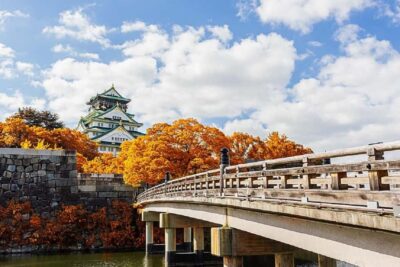
Kyoto & Uji Historical Sites and Scenic Delights Tour
Read our review →
Osaka Private Pop Culture Tour: Historic Tenma to Dotonbori
Read our review →
This tour also fits