

Reviewed · MOUNT KOYA DAY TRIPS FROM OSAKA
Day Trip Sacred Sites at Koyasan from Osaka
Koyasan has a way of slowing you down. This 10-hour day trip from Osaka lets you see some of the most sacred Buddhist sites on Mount Koya, guided by a national licensed English-speaking interpreter. I like how the plan is simple, you get clear transportation, and the main temples are spaced so you do not feel rushed. I also like that admission fees and public transport are already folded into the price, so you can focus on the experience instead of shopping for tickets.
The biggest thing to consider is the pace. You are spending about 3 hours each way on the train, plus time walking and moving between temple areas. If you have a moderate fitness level, plan for decent steps and keep your expectations realistic for a long, full day.
In This Review
- Key Highlights You Should Know Before You Go
- Why Koyasan Feels Older and More Spiritual Than Kyoto
- Getting From Osaka Without Transit Headaches
- The Namba Station Start: Time to Settle In
- Okunoin Cemetery: Kobo Daishi, Pilgrims, and Quiet Awe
- Kongobu-ji Temple: The Shingon Head Temple You Should Pay Attention To
- Danjo Garan: The Ritual Buildings That Define the Complex
- Cable Car Back to Koyasan Station, Then Namba Again
- Price and Value: What $495 Buys You in Real Terms
- Group Size, Comfort, and How to Prep for a 10-Hour Day
- Who This Tour Suits Best (And Who Might Want Another Option)
- Should You Book the Day Trip Sacred Sites at Koyasan From Osaka?
Key Highlights You Should Know Before You Go
- National licensed English guide interpreter helps with navigation and translation
- Hotel pickup means you start the day without hunting transit connections
- Okunoin Cemetery is a spiritual anchor, with Kobo Daishi connections and free-site entry
- Kongobu-ji Temple is the Shingon sect head temple, tied directly to Kobo Daishi (Kukai)
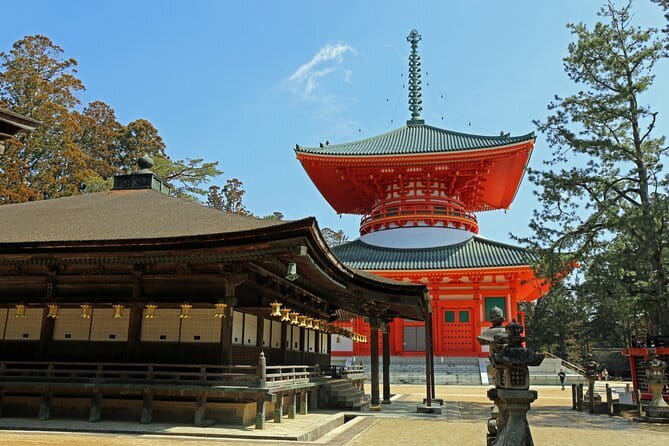
- Danjo Garan focuses you on major ritual buildings like the Konpon Daito and Kondo
- Small group max 8 keeps the day calmer and easier to manage
Why Koyasan Feels Older and More Spiritual Than Kyoto
People often compare Koyasan to Kyoto, but it lands differently. Koyasan is described as having a longer history, and that matters the moment you arrive, the atmosphere is quieter and more inward. You are in a religious center where pilgrims still come with a specific purpose, paying respect and seeking blessings. That difference can make the whole day feel more personal than a checklist of famous landmarks.
What I like about bringing a guide into this setting is that you are not just looking at buildings, you are getting context for what you are seeing. Mount Koya is a major spiritual center for Japanese Shingon Buddhism, and the sites you visit are key points in that tradition. When you understand who Kobo Daishi (Kukai) is in this story, and why places like Okunoin are so central, the visit has more weight. It is the kind of experience that can give you goosebumps because it feels both historic and alive.
The other benefit is pacing. Instead of doing everything at once, the itinerary groups the sacred core into a coherent flow. You start by getting to the mountain, then you move deeper into the spiritual sites, then you return to Osaka without turning your day into a sprint.
A mountain of temples above the clouds
- Mt Koya Full Day Tour from Osaka with Licensed Guide and Vehicle★ 5.0 · 8 reviews
- Koyasan: A Mysterious Meditation Journey★ 3.8 · 5 reviews
- Koyasan Day Trip by Private Car from Osaka★ 5.0 · 5 reviews
- Mount Koya from Osaka: Cultural Small Group Day Tour★ 5.0 · 3 reviews
Getting From Osaka Without Transit Headaches
This is a day trip built around public transportation, but it is not a DIY slog. You begin with hotel pickup and then take an express train out of Namba Station. The ride is listed as about 3 hours, and that is a big chunk of the day, so having the pickup and guide support is practical.
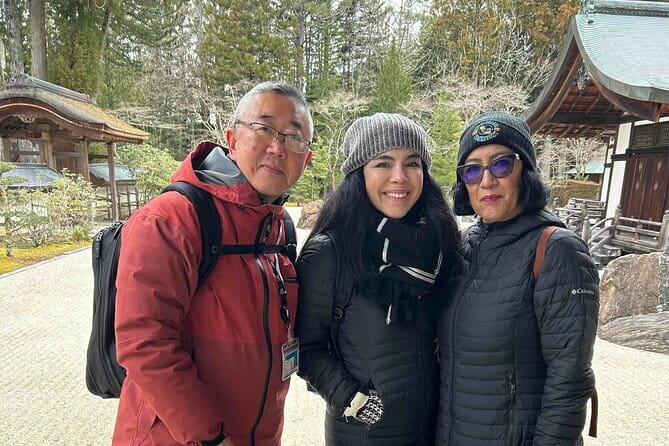
This tour is also set up for easy ticket handling. You get a mobile ticket, and the guide interpreter helps you with translation and managing train tickets along the way. On one experience shared with the operator, the guide named Tashi was highlighted for making the train logistics simple and helping with translation. That is exactly what you want on a long, unfamiliar transit day.
You will also use a Nankai Koyasan Cable car on the way up or down. That 30-minute segment helps you move between transport points efficiently, and it breaks up the travel time so you are not stuck in the same mode for the entire trip.
One more small but important detail: the tour can change due to weather conditions or other reasons. If you are the type who hates surprises, just remember that Koyasan is outdoors too, and conditions can affect timing.
The Namba Station Start: Time to Settle In
At Stop 1: Namba Station, you take the express train. This is the moment where your day sets its rhythm. Expect a travel block of around 3 hours, and use it to do the smart pre-site prep. If you want to understand what you will be seeing later, this is the time to skim what the guide will focus on, especially the role of Kobo Daishi and the structure of Shingon Buddhist practice.
Admission is included for the train segment, so you do not need to buy extra for this part. That sounds small, but on a day trip it reduces decision fatigue. Less time spent figuring out tickets means more time to be present when you arrive.
Also, the tour duration is listed as about 10 hours total. That makes it essential to treat this first train ride like part of the experience, not just the commute. By the time you reach Mount Koya, you are ready to absorb rather than mentally scrambled.
Okunoin Cemetery: Kobo Daishi, Pilgrims, and Quiet Awe
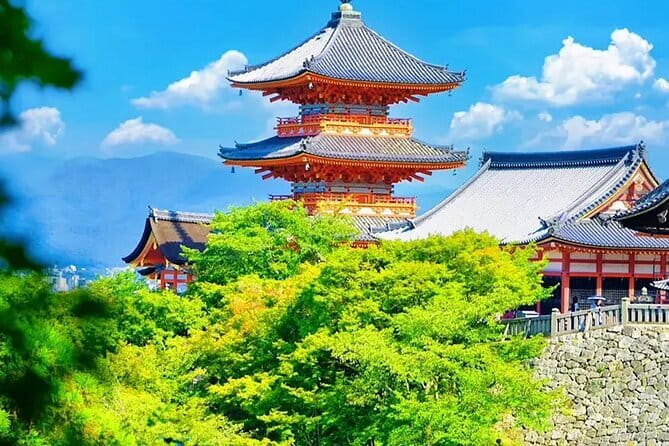
Your next major stop is Koyasan Okunoin, about 30 minutes at the cemetery area. Even with a short time window, Okunoin is described as one of Japan’s most sacred and largest cemeteries, and it is the final resting place of Kobo Daishi. That combination is a big reason the site can feel powerful.
Okunoin is not only a historical landmark. It is also a living pilgrimage destination. The site draws people from across Japan who come to pay respects and seek spiritual blessings. That matters for your visit. You will likely feel the difference between standing in front of a building and being in a place where people are actively doing something meaningful.
The included note here is helpful: the admission ticket is free for Okunoin. So you are not paying extra to access what is arguably the spiritual heart of the day. That also means your money is going toward the guided interpretation and the other temple sites where admission fees are included.
Practical note: this is one of the places where you should wear comfortable shoes. A review mentioned the value of hiking shoes, and even if you do not hike, you will likely do a fair amount of walking over uneven or temple-area paths. If you only bring city sneakers, you might regret it by the time you reach the second or third temple zone.
Kongobu-ji Temple: The Shingon Head Temple You Should Pay Attention To
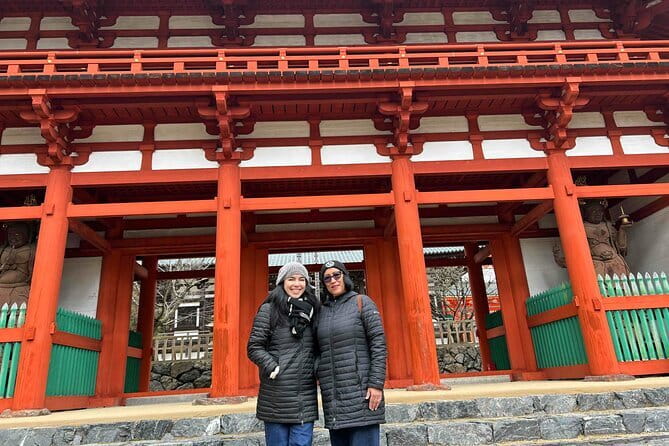
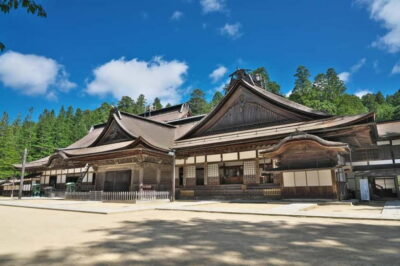
Then you move to Kongobu-ji Temple, listed at 1 hour 30 minutes. This stop is significant because Kongobu-ji is the head temple of the Koyasan Shingon sect of Japanese Buddhism. It was founded by Kobo Daishi (Kukai) in the 9th century, and Mount Koya is framed here as a major spiritual center.
This is the stop where the guide helps you connect the dots. You are looking at a religious institution, not just a scenic complex. The site is described as having beautiful gardens, historic rooms, and religious artifacts. Those elements can look like cultural sightseeing from a distance, but with context you start noticing how the space supports practice and tradition.
One thing to consider: 1.5 hours can feel short, but it is a good length for a head temple. You get time for the main sights and also time to slow down and understand what you are seeing. If you only had a quick photo stop, you would miss the point.
If you are someone who likes architecture, you will enjoy this site. If you prefer religion and meaning, you will also enjoy it, because it is tied to Shingon’s leadership role on Mount Koya. Either way, the best way to get value from this time is to ask your guide to point out what is most important at Kongobu-ji, not just what is most photographed.
Other ways to spend a day in Osaka
- From Kyoto/Osaka: Kyoto Top Highlights 1-Day Guided Bus Tour
★ 4.5 · 714 reviews - Kyoto and Nara Day Trip from Osaka
★ 4.0 · 175 reviews - Hiroshima & Miyajima 1 Day Bus Tour with Bullet Train Tickets
★ 4.5 · 105 reviews
Danjo Garan: The Ritual Buildings That Define the Complex
Next is Koyasan Danjo Garan, again listed at 1 hour 30 minutes. This complex houses several important structures that are central to Shingon Buddhist rituals and ceremonies. Two named highlights are the Konpon Daito (Great Pagoda) and the Kondo (Golden Hall).
This stop is valuable because it focuses your attention on ritual architecture. It is easy to walk through temple areas like a tourist and miss why some buildings matter so much. Here you get a guided connection to the function of these spaces. The Konpon Daito and Kondo are not random monuments, they are key parts of the Shingon ritual system.
A balanced expectation helps here: even with included admission fees, you may not get long stays at every single structure. That is normal on a day trip, and it is why the itinerary concentrates on major anchors first. Danjo Garan feels like the portion of the day where you understand the layout, even if you cannot linger for hours.
If you are sensitive to crowds, you will probably appreciate that the tour is capped at a maximum of 8 travelers. Smaller groups tend to move more smoothly and give you a better chance to pause and take in the atmosphere.
Cable Car Back to Koyasan Station, Then Namba Again
After Danjo Garan, the plan moves to Koyasan Station via the Nankai Koyasan Cable car. This segment is listed at 30 minutes, with admission included.
This is a practical transition stop. It keeps the route efficient and helps you get back into the main transport flow for Osaka. The cable car does not take over the day, it just resets your timing so you can make the return train.
Then you finish at Namba Station again, taking the express train back. This is another 3-hour ride, and it is included in the tour plan. If you are mentally ready, you can use this last travel window to reflect on what you saw. If you are tired, treat it like a natural cooldown. You will have spent most of the day in a spiritual zone, and that kind of visit can be emotionally active.
Price and Value: What $495 Buys You in Real Terms
The listed price is $495.00 per person, and for a day trip that can look steep at first glance. Here is the value breakdown that matters for most people:
- The day is guided by a national licensed English speaking guide interpreter, not just a basic script.
- You get hotel pickup, which reduces time and complexity before and after the long train rides.
- Public transportation fees are included, which is a big deal because transport is usually the part people underestimate.
- Admission fees for the listed sites are included, so you do not get hit with extra entry costs across multiple stops.
Lunch is not included, so you should budget roughly $20 to $30 USD per person. That is the main extra cost you are likely to face besides personal spending and souvenirs.
So is it worth it? It tends to be worth it if you want a guided day where you do not have to think about train tickets, stop sequencing, or how to interpret the religious sites. If you enjoy planning and you already know how to navigate Koyasan on your own, you might do the route cheaper. But you would give up the structured flow, the interpretation, and the transport support that makes a 10-hour day feel manageable.
Also, the tour is typically booked about 85 days in advance, which suggests people plan ahead for this route. If you have specific dates, you will want to reserve early.
Group Size, Comfort, and How to Prep for a 10-Hour Day
This tour runs about 10 hours, and it has a maximum of 8 travelers. Smaller groups matter here because Koyasan is not just about stopping at points. It is also about moving between areas while maintaining a calm, respectful pace.
A moderate physical fitness level is recommended. You are not being asked to do a strenuous hike, but you should expect walking across temple grounds and paths, with some steps or uneven footing possible. That is why comfortable shoes are not optional.
What about food and energy? Lunch is not included, so plan to eat with enough time to reset. If you have dietary needs, the tour says it can accommodate vegetarian, vegan, gluten-free, and more, as long as you note it at booking.
Timing can be affected by weather. If rain is involved, you might spend a little extra time adjusting your movements. Pack simple backup items like a small umbrella or light rain layer, and keep your clothing flexible.
Finally, because this is a spiritual destination, you might want to keep your behavior relaxed and respectful. You do not need to overthink it, just treat the sites as active places of worship and remembrance, not only sightseeing stops.
Who This Tour Suits Best (And Who Might Want Another Option)
I think this tour is a strong fit if you want Koyasan to feel structured and meaningful. You will likely enjoy it if you care about Buddhist culture, you want context for the key sites, and you prefer not to wrestle with transport across multiple legs.
It also suits people who appreciate a calm group size. With a maximum of 8 travelers, you usually get better attention from the guide interpreter. And since the guide is national licensed and speaks English, you can expect clearer explanations than you would get with a self-guided approach.
You might want to reconsider if you are looking for a short, low-effort day. This is a long ride, and you are spending meaningful time at multiple temple complexes. If you hate long transit days or you have mobility limits that make temple walking hard, you may feel worn out.
For couples, solo travelers, and small groups, the setup is ideal. The mix of transport support and focused temple stops means you can enjoy the day without constantly checking schedules or second-guessing routes.
Should You Book the Day Trip Sacred Sites at Koyasan From Osaka?
If you want Koyasan to feel like more than photos, I would book this. You are paying for the parts that make or break a day trip: a capable English guide interpreter, smooth public transportation, and included admissions to the core sacred sites. The itinerary also respects the spiritual center by building a logical flow, Okunoin first, then the major temple anchors at Kongobu-ji and Danjo Garan.
My main caution is stamina. Wear hiking shoes, plan for a long day, and accept that weather can shift timing. If you are comfortable with that, this tour gives you a high-value way to experience Mount Koya’s Buddhist significance without turning your vacation into logistics.
If you are deciding last minute, trust your goal: if your goal is spiritual context and a clean plan, this fits. If your goal is flexibility and DIY discovery only, you may prefer a self-guided route and keep the budget lower.
Just added around Osaka


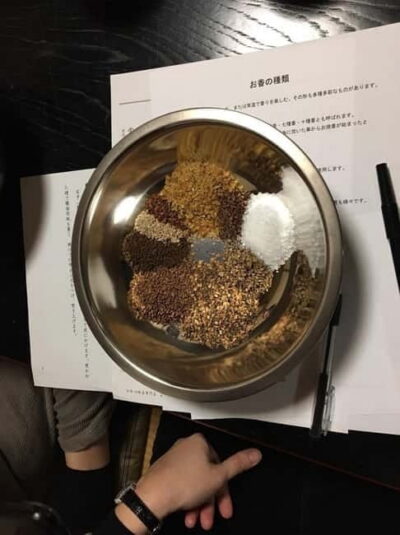
Mount Koya Day Trips from Osaka, compared.
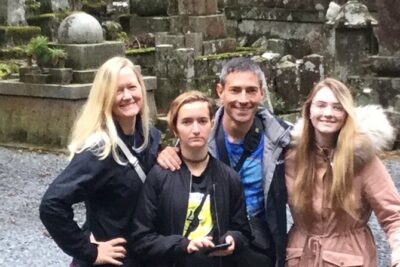
Mt Koya Full Day Tour from Osaka with Licensed Guide and Vehicle
Read our review →
Mount Koya from Osaka: Cultural Small Group Day Tour
Read our review →This tour also fits