Reviewed · TOURS
Hidden Osaka – Yukaku Red Light Tour & Culinary Adventure
Neon streets and rules, mixed with real Osaka food. This Hidden Osaka Yukaku tour links Tobita Shinchi history with an evening walk through Shinsekai and Tsutenkaku, then feeds you Osaka specialties you likely would not order on your own.
I like that it is built for a small group (max 8), so you actually get stories, questions, and respectful guidance instead of standing in a crowd. I also like the food approach: you get hand picked dishes and a drink pairing, focused on bold tastes, not safe defaults. One possible drawback is pacing, some guests felt the walking and food timing could be better spaced, so you may want realistic expectations for how much time you spend in each spot.
In This Review
- Key things I’d zero in on before you book
- Yukaku Osaka After Dark: what the 6:00 pm walk is really like
- Price and food costs: what $79 buys, and what can add up
- Tobita Shinchi stop: retro shopping streets and the Demon Slayer link
- Shinsekai and Tsutenkaku: eating while walking through an old theme park area
- How guides turn street behavior into real understanding
- Food for the bold: what you can expect from the tastings
- Timing and pace: a great 3.5 hour plan, but not always perfectly balanced
- Meeting point and getting there: near transit, easy start
- Who should book this, and who should skip it
- Should you book Hidden Osaka Yukaku Red Light Tour and Culinary Adventure?
- FAQ
- What is the duration of the tour?
- Where does the tour start?
- What time does it start?
- How big is the group?
- Does the tour include food, or is there extra spending?
- Is it suitable for people with allergies?
- Is it available in other languages?
- What is the cancellation and weather policy?
Key things I’d zero in on before you book
A mature, respectful look at Yukaku history
Small group size up to 8 for easier back and forth with your guide
Two major neighborhoods in one night, Tobita and Shinsekai plus Tsutenkaku area
Osaka street food and izakaya style bites like kushikatsu and doteyaki
Clear guidance on protocol and legality topics before you enter the district
Yukaku Osaka After Dark: what the 6:00 pm walk is really like
This is an evening tour that starts at 6:00 pm and runs about 3 hours 30 minutes. It is meant to be a guided walk through areas many visitors rush through, or skip entirely. The tone is adult and matter of fact, with an emphasis on understanding context and staying respectful in the streets.
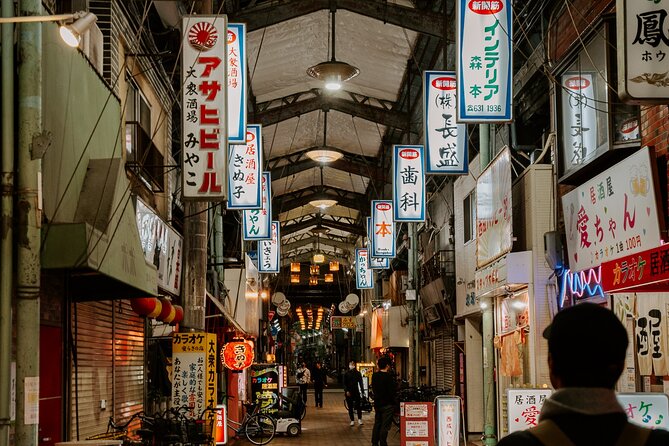
You should also know what kind of night this is. In Tobita Shinchi and the surrounding lanes, the focus is on why this area is historically unique and how the Yukaku district works as a concept. Then you shift into Shinsekai, where the vibe changes into local hangout energy around Tsutenkaku.
If you want something light and purely scenic, this might not be your best match. If you want a guided, story driven night that connects history with food and real street behavior, it fits well.
Osaka is Japan's kitchen, and Kyoto, Nara, and Himeji are all close enough for a day trip.
- Osaka Go Karting Tour with Funny Costume★ 5.0 · 2,658 reviews
- Osaka Castle: Museum and Tower Entry Ticket★ 4.5 · 2,380 reviews
- Osaka: Shinsekai Food Tour with 13-15 Dishes at 5 Eateries★ 4.8 · 2,204 reviews
- Osaka Food Tour: 13 Dishes at 5 Local Eateries★ 5.0 · 2,149 reviews
- Hungry Osaka Street Food Tour:15 Tastings & 3 Drinks with a Local★ 5.0 · 1,727 reviews
Price and food costs: what $79 buys, and what can add up
The tour price is $79. You’ll also hear a practical note: the average spending for izakaya is about ¥4,000. In other words, the walking tour plus tastings can be more affordable than a full all-in package, but your actual night budget should still include food and drinks.
Some versions of this experience can change how food is handled. Based on guest comments, there is at least a difference between choosing a base option versus an option that includes food. My advice is simple: decide whether you want to manage the food add-on yourself, then plan your cash for small purchases at the places you stop.
Also, pay attention to the allergy reality. The operator states they are not responsible for allergies or accidental ingestion. If you have serious dietary needs, this is not the kind of tour where you should assume safe substitutions.
Tobita Shinchi stop: retro shopping streets and the Demon Slayer link
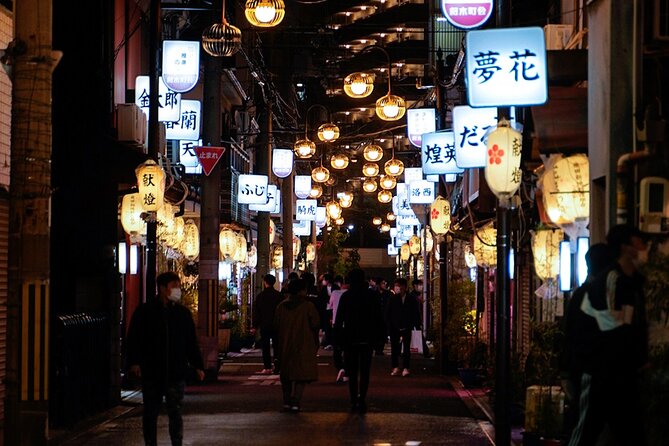
Stop 1 is Tobita Shinchi, with about 1 hour on the ground. The draw here is the street itself and what it represents: a retro shopping area that has been around for nearly 100 years. You’re not just walking past storefronts. You’re getting historical sights and an explanation of how the district became such a cultural reference point.
One especially fun detail is the connection to Demon Slayer. The tour includes a visit to the building that became the model for the red-light district edition in the series. Even if you are not a superfan, that kind of location-based context helps you understand what you are seeing and why it shows up in pop culture.
What to watch for at this stop is how the tour keeps you oriented. Your guide will set expectations about behavior in the streets and how people typically move through these areas at night. That matters more than most visitors expect, because it changes how you experience the neighborhood.
Shinsekai and Tsutenkaku: eating while walking through an old theme park area
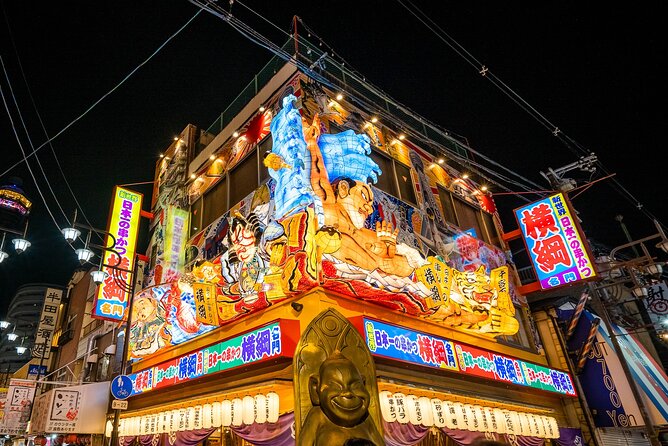
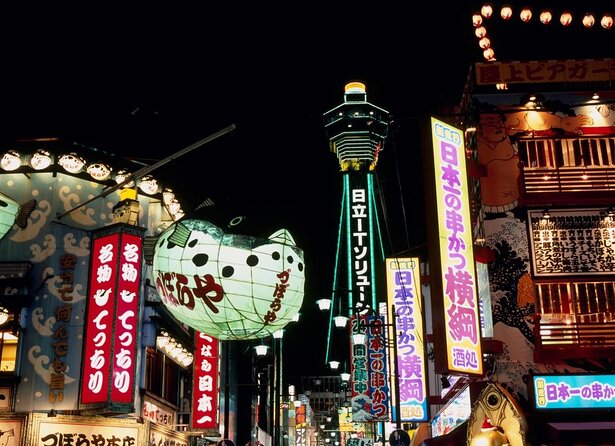
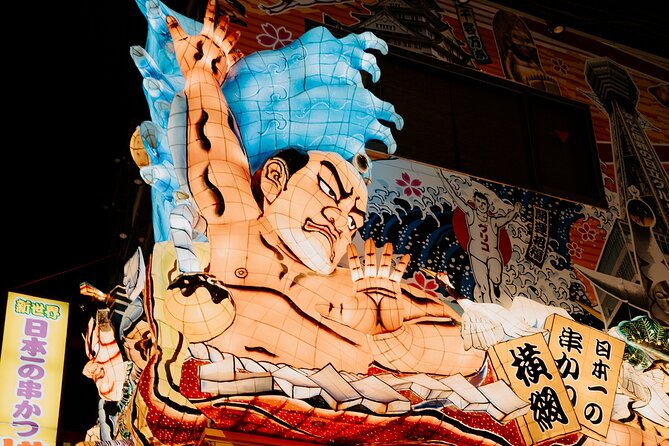
Stop 2 is the Tsutenkaku area, tied to Shinsekai, and it takes about 2 hours. This part has a different feel than Tobita. Shinsekai is described as an old theme park turned local hangout spot, centered around Tsutenkaku and the lanes that grew around it.
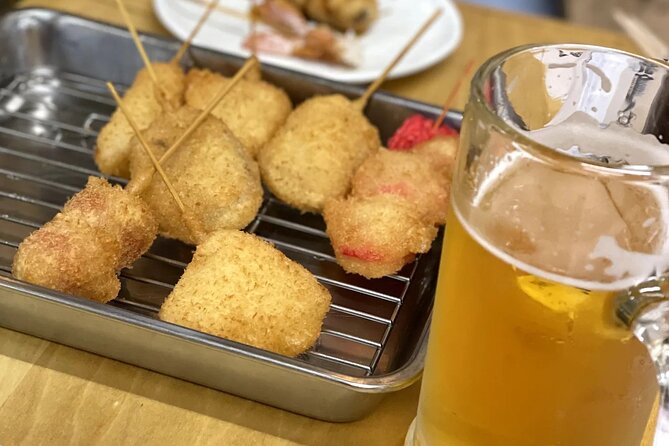
Here, you’re walking while eating. The tour explains the history, including the founder of Tsutenkaku, and then you’ll end by tasting Osaka dishes unique to the city, specifically kushikatsu and doteyaki.
Why this stop is worth your time: it shows you Osaka as locals experience it, not just postcard Osaka. Kushikatsu is the classic comfort-food style you can see almost anywhere in Japan, but eating it here in the rhythm of Shinsekai makes it feel like part of the neighborhood story. Doteyaki is a different kind of texture and flavor, and it is the sort of dish that turns food curious people into food converts.
Potential drawback: if you are the type who hates long transitions, you should know that some guests wanted more time actually in the red-light district itself. This stop does take a big share of the evening, so plan to enjoy Shinsekai, not just rush through it.
How guides turn street behavior into real understanding
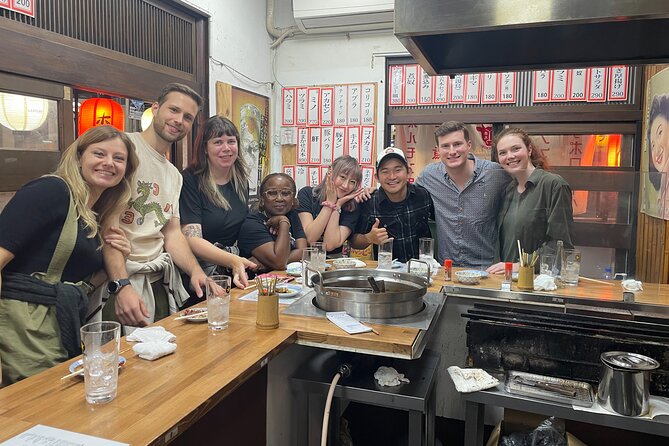
A huge reason this tour earns such high marks is the guides. Multiple guides are mentioned in guest feedback, including Leo, Rui, Haruki, and Ruey. The consistent thread is that they mix humor with practical explanations, and they make sure you understand how to behave without killing the fun.
You’ll get guidance on protocol and respect, including legal and etiquette type topics before you enter the Yukaku district areas. That is exactly the part many visitors miss when they try to explore alone. Japan has plenty of unspoken rules, and in sensitive neighborhoods, the “unspoken” part becomes the difference between being tolerated and being a distraction.
I also like that the tour explicitly tries to keep the group size small to be respectful to the districts visited. Smaller groups mean less crowding at storefronts and less awkward stopping and starting while you figure out where you should stand.
If you’re worried about being uncomfortable, take heart from the way the tour is described by guests: the guide sets tone first, then you walk in a way that feels guided, not random.
Not ready to leave Osaka yet? A few more ways to fill the day.
- Osaka: Tea Ceremony Experience
★ 4.9 · 1,426 reviews - Osaka Kickstart: Hotspots & Hidden Gems Tour
★ 5.0 · 1,306 reviews - Deep Backstreet Osaka Tours (Option to add Dinner)
★ 5.0 · 1,290 reviews
Food for the bold: what you can expect from the tastings
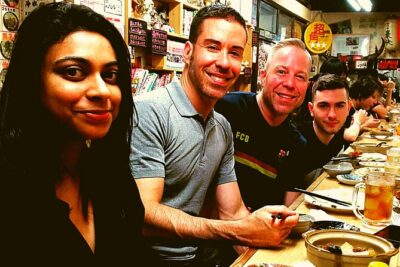
The tasting part is a big part of the pitch. The tour says you’ll savor authentic Osaka flavors from a hand-picked selection, paired with a drink. The language used around the food is clear: the offerings are for the bold and adventurous, and you should expect to try things you may never have ordered before.
Kushikatsu and doteyaki are specifically named, which helps a lot when you are budgeting and mentally preparing. Kushikatsu tends to be a hands-on, crunchy, sauce-forward experience. Doteyaki brings something heartier and saucier, and it is a great contrast after walking.
Two practical tips from the tone of guest feedback:
1) If you can, go in with a light snack beforehand. One comment points out that the first part includes walking before the izakaya food shows up.
2) Be open to the order. You are not choosing a menu like you would at home, you are following the guide’s plan for what fits the neighborhood stops.
And again, the allergy note is your responsibility to manage. The operator states they are not responsible for allergies or accidental ingestion, so if you have any uncertainty about an ingredient, plan to pass on anything you cannot safely handle.
Timing and pace: a great 3.5 hour plan, but not always perfectly balanced
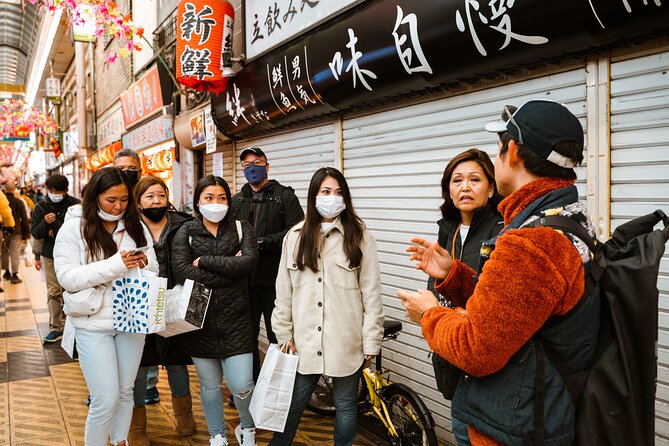
The total time is about 3 hours 30 minutes, with 1 hour in Tobita and 2 hours around Tsutenkaku and Shinsekai. That is a clean structure on paper, but some guests flagged pacing issues.
The most common complaint: food and drink portions felt bunched up, with long stretches of walking followed by clusters of eating. Another note suggested the tour could be shorter in overall walking time if they redistributed stops.
So here is how you should plan your expectations. You are going to walk, you are going to learn, and you are going to eat. If your ideal night is strictly maximum time in the red-light district itself, you might feel the Shinsekai portion takes more room than you hoped. If your ideal night includes both neighborhood context and multiple Osaka bites, the schedule will probably feel about right.
One small practical tip from guest experience: bring an umbrella if rain is in the forecast. That kind of weather-proofing matters because you will be outside for much of the evening.
Meeting point and getting there: near transit, easy start
You’ll meet at Causerie1-chōme-2-28 Taishi, Nishinari Ward, Osaka, 557-0002, Japan. The tour ends back at the meeting point. It’s also described as near public transportation, so you should be able to reach it without a major taxi bill.
Start time is 6:00 pm, so I’d treat this like a dinner plan, not an optional add-on after dinner. Start at the meeting point ready to walk, and keep your phone battery charged if you are using the mobile ticket.
What to bring is basic but important:
- Comfortable shoes for uneven sidewalks and night streets
- An umbrella if rain shows up
- Cash for food if your version of the tour requires add-on spending (the tour notes average izakaya spending around ¥4,000)
Who should book this, and who should skip it
This is a good fit if you want:
- A local-guided night with context, rules, and real neighborhood behavior
- Osaka food that includes less predictable items beyond the usual tourist list
- A small-group atmosphere where your guide can answer questions
It is also a good match for people who enjoy guided history without turning it into a lecture. The guide style described in feedback sounds like funny and engaging, not stiff.
Skip or think hard if:
- You want a family-friendly outing. The tour is described as for mature audiences only in guest feedback.
- You have serious food allergy constraints. The operator explicitly says they are not responsible for allergies.
- You need tight timing to hit other evening plans, because the walk and tastings are part of the experience design.
Should you book Hidden Osaka Yukaku Red Light Tour and Culinary Adventure?
I think this is worth booking if you want one of those Osaka nights that feels different from the usual temple and river routine. The strongest selling points are the small group size, the respect and protocol guidance, and the hands-on Osaka food stops like kushikatsu and doteyaki.
If you are allergic or very picky, or you want maximum time parked inside Tobita specifically, you may feel frustrated by the pace. But if you are open to a guided, adult oriented walk with real street context and real snacks, this is the kind of experience that can anchor a whole trip.
FAQ
What is the duration of the tour?
The tour runs about 3 hours 30 minutes (approx.).
Where does the tour start?
It starts at Causerie 1-chōme-2-28 Taishi, Nishinari Ward, Osaka, 557-0002, Japan, and it ends back at the same meeting point.
What time does it start?
The start time is 6:00 pm.
How big is the group?
The maximum group size is 8 travelers.
Does the tour include food, or is there extra spending?
The tour is described as including hand-picked dishes paired with drinks, and the average izakaya spending mentioned is about ¥4,000. Depending on the option you choose, there may be extra food costs.
Is it suitable for people with allergies?
The operator notes they are not responsible for allergies or accidental ingestion, so you should be cautious if you have dietary restrictions.
Is it available in other languages?
Spanish and French options are available if you message the operator.
What is the cancellation and weather policy?
You can cancel for a full refund up to 24 hours in advance. The tour requires good weather, and if it is canceled due to poor weather, you are offered another date or a full refund.
Just added around Osaka

Tours, compared.

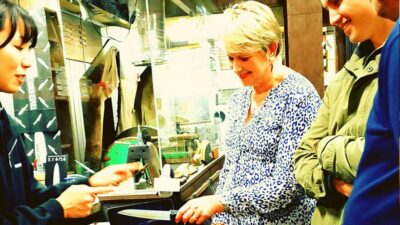
Shinsekai Food Tour with 13-15 Dishes at 5 Eateries
Read our review →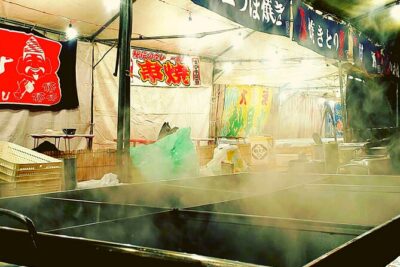
Osaka Food Tour: 13 Dishes at 5 Local Eateries
Read our review →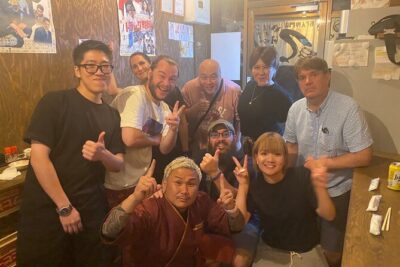
Hungry Osaka Street Food Tour:15 Tastings & 3 Drinks with a Local
Read our review →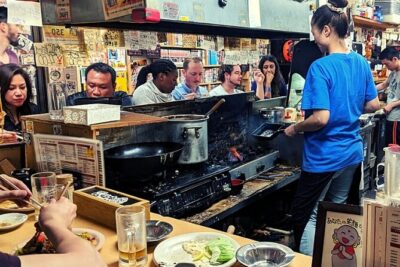
Deep Backstreet Osaka Tours (Option to add Dinner)
Read our review →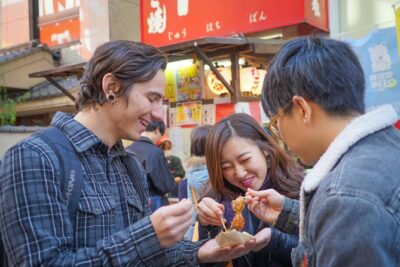
Osaka Local Foodie Walking Tour in Dotonbori and Shinsekai
Read our review →