
Reviewed · DAY TRIPS TO KYOTO FROM OSAKA
Kyoto & Nara Private customized tour with English speaking Guide
A private van turns Kyoto and Nara into a stress-free day. You get an English-speaking guide, air-conditioned comfort, and the freedom to shape the route around your group. It is a classic combo trip, but with less logistics headache than trying to hop trains all day.
I especially like two things: first, the itinerary hits the big-name stops people come for, from Nara deer to Fushimi Inari’s torii gates. Second, the experience is truly flexible, so if your group wants more time at one place or less at another, you can usually steer it. One drawback to plan for is that some major temple entries are not included, so you should expect extra on-site costs plus lunch on your own.
In This Review
- Key highlights you will feel right away
- Why this Kyoto and Nara plan works better than DIY
- Starting point in Osaka, and what to expect from the ride
- Nara Park first: deer magic with one very real safety note
- Todai-ji Temple: UNESCO scale, plus entry cost to plan for
- Arashiyama and the Bamboo Grove: short stop, big payoff
- Tenryu-ji Temple: a Zen stop that can be quick or meaningful
- Kinkaku-ji Golden Pavilion: the one ticket item you can breathe about
- Fushimi Inari-taisha: the torii walk you can pace yourself on
- Customizing the day in real life, not just on paper
- Guide quality is the swing factor, so choose your expectations well
- Price and value for $549 per group up to 6 people
- Timing, crowds, and comfort tips you can use immediately
- Should you book this Kyoto and Nara private tour?
Key highlights you will feel right away
- Private group size up to 6, which makes it easier to move as a unit and adjust when plans change
- English guidance, with multiple guides referenced in feedback who help you navigate and explain what you are seeing
- Smart stop pairing, Nara in the morning and Kyoto later, so you spend less time zigzagging across cities
- Fewer hassles with transportation, since you get an included air-conditioned vehicle and no train transfers
- Mix of included and paid attractions, including free time at several stops and a temple ticket included at Kinkaku-ji
Why this Kyoto and Nara plan works better than DIY
Kyoto and Nara are only a short ride from Osaka, but doing them well requires juggling ticket lines, station transfers, and crowd timing. This tour removes a lot of the busywork because you are not coordinating trains or transfers. You meet at Osaka Station (Umeda area), and the day ends back at the same meeting point.
The “private” part matters more than you might think. When you are with a small group, you can spend time where your family feels like it, not where a fixed group schedule demands it. In feedback, I saw a clear pattern: guides who are friendly, on time, and good at adjusting the pace make the biggest difference.
The best fit is when you want a big hits day but still prefer control. If you are traveling with kids, older relatives, or anyone who gets tired from constant walking, having a driver who can get you close to sites is a genuine upgrade.
Deer that bow back, minutes from Osaka
- Ancient Capital Tour: Kyoto and Nara Highlights from Kyoto/Osaka★ 4.5 · 332 reviews
- Kyoto and Nara Day Trip from Osaka★ 4.0 · 175 reviews
- Discover Himeji, Kobe and Nara from Osaka★ 5.0 · 101 reviews
- Kyoto and Nara UNESCO Highlights Full-day Tour From Osaka★ 4.5 · 50 reviews
- From Osaka: Nara Private Tour with Meet-Up at Your Hotel★ 5.0 · 49 reviews
Starting point in Osaka, and what to expect from the ride
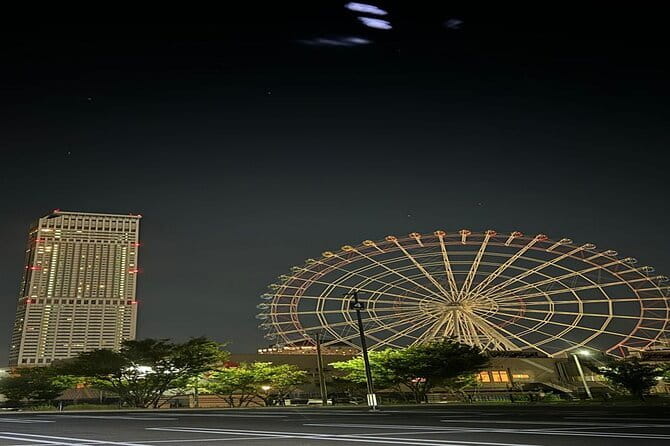
The tour starts at Osaka Station 3-chōme-1-1 in Umeda (Kita Ward). You also have the option of pickup being offered from Kyoto, Osaka, or Nara, which can be handy if you are not staying near Osaka Station.
You get an air-conditioned vehicle and WiFi onboard, plus you receive a mobile ticket. Practically, that means you can keep everyone comfortable, recharge, and pull up directions if you want to double-check timing. It also helps with the small but real stuff, like confirming where you want to stop for food.
Most importantly, the route between Nara and Kyoto is where private transport pays off. Public transit works, but you lose time to transfers and walking between stations. Here, you trade that time for more actual sightseeing.
Nara Park first: deer magic with one very real safety note
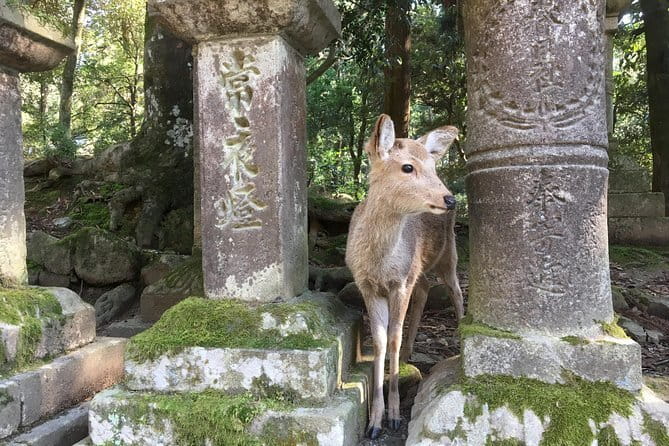
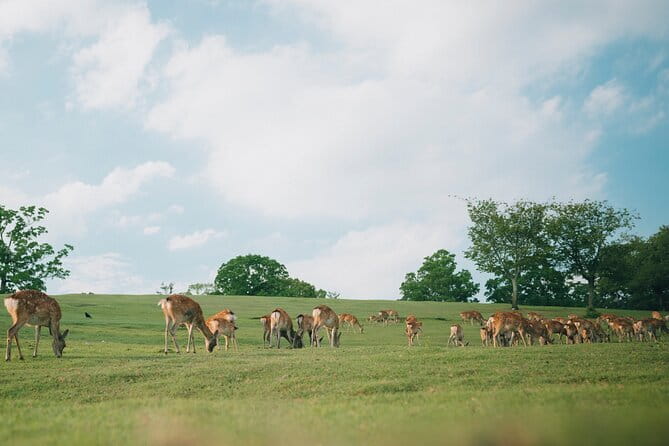
Nara Park is the warm-up stop, about an hour, and it is free to enter. The park is known for the deer roaming freely, and you will almost certainly encounter them up close. Todai-ji Temple is in the same general area, so you are building toward two major sights in one location.
Here is what you should plan for: the deer can be bold. One family-friendly review specifically warned that the male deer can get aggressive, so keep a close hand on little kids and be mindful around anyone holding food. My practical advice is simple: do not let kids chase the deer, and do not feed them unless your guide tells you it is appropriate for the moment and spot.
What makes this stop worth doing early is atmosphere. Even if crowds show up, the morning tends to be easier for walking and photos. Also, Nara has a different feel than Kyoto. It is more open and outdoorsy, and it helps your group adjust from the city pace before temple-heavy Kyoto.
Todai-ji Temple: UNESCO scale, plus entry cost to plan for
Todai-ji Temple is scheduled for about an hour. This is the UNESCO site you hear about for a reason, but the key detail for your budget is that admission is not included.
So what does that mean for you? You get a top-tier attraction, but you should bring payment or be ready for the on-site ticket purchase. If you are traveling in a group with mixed interests, Todai-ji is a strong anchor because it is the kind of place that can feel impressive even if you are not deep into temple history.
If your group likes architecture and big cultural sites, you will likely feel satisfied here. If you are traveling with kids who lose patience fast, focus on keeping the visit tight and letting your guide help you choose what to see first. Having a guide can turn what might feel like a long temple complex into a more manageable, story-driven walk.
Arashiyama and the Bamboo Grove: short stop, big payoff
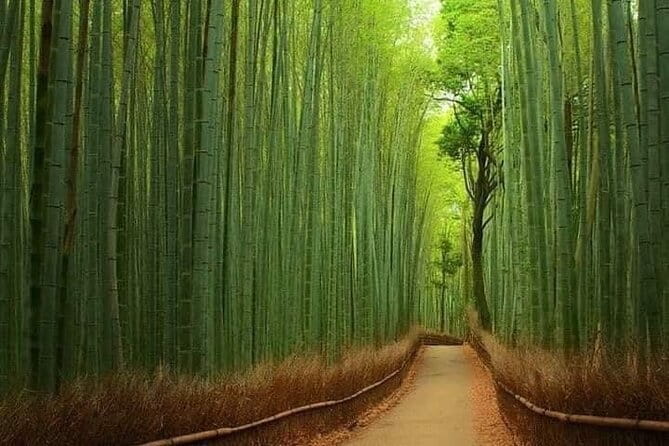
Next comes Arashiyama for about an hour, and that stop is marked as free. This is your chance to experience the famous Bamboo Grove area without locking your whole day into one neighborhood.
The main idea is simple: even a short stop can deliver a strong visual payoff because bamboo creates an instantly recognizable atmosphere. In feedback, I saw notes about navigating crowds with a private vehicle and staying near the entrance so you could get moving quickly once you arrived.
Still, be realistic about time. Arashiyama is busy and the pathways can get crowded. With a one-hour window, your goal is not to see every little shop or every side street. Your goal is to hit the bamboo area, take your photos, and move on with energy intact.
More temples, thirty minutes up the line
- Osaka/Kyoto: Hiroshima Miyajima Bus Tour & Shinkansen Ticket
★ 4.7 · 919 reviews - From Kyoto/Osaka: Kyoto Top Highlights 1-Day Guided Bus Tour
★ 4.5 · 714 reviews - Osaka/Kyoto: Amanohashidate & Miyama Tour with Boat & Lunch
★ 4.6 · 207 reviews
Tenryu-ji Temple: a Zen stop that can be quick or meaningful
Tenryu-ji Temple is about a 30-minute stop, and admission is not included. This is one of Kyoto’s well-known Zen temples and is also listed as UNESCO, so the payoff is cultural weight, not just a scenic moment.
With only about half an hour, it helps to decide your priority before you get there: do you want a calm walk through the grounds and read the atmosphere, or do you want the main highlights and out? A good guide can help you strike the balance so you are not spending 30 minutes trying to figure out what you should be looking at.
This is also a place where your group’s energy level matters. If everyone is fresh after Arashiyama, it can feel peaceful. If your group is tired, it can feel like another stop added to the day. That is why the customization feature is so valuable, even if you do not change much. You can ask for a shorter, efficient visit if needed.
Kinkaku-ji Golden Pavilion: the one ticket item you can breathe about
Kinkaku-ji Temple, the Golden Pavilion, is scheduled for about 40 minutes. Here is the money detail: the ticket is included.
That is a meaningful value point. Other temples in this route have admissions not included, so you end up paying some entry fees during the day anyway. Having Kinkaku-ji covered reduces friction. It also helps you plan the day mentally, because one big-name attraction is handled.
In plain terms, Kinkaku-ji tends to deliver. Even if you have seen photos before, the color and reflection effects of the pavilion and surrounding garden are hard to fully understand until you are standing there. If you care about photography, this is often one of the best times in the itinerary to take a few careful shots.
If you are traveling with kids or you want to keep the pace easy, 40 minutes is usually enough to see the pavilion area without feeling rushed.
Fushimi Inari-taisha: the torii walk you can pace yourself on
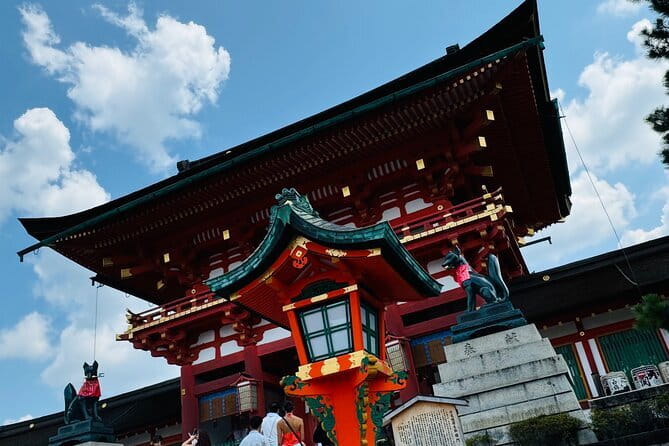
Fushimi Inari-taisha Shrine rounds out the day for about an hour, and admission is free. This is where the route turns from “temple stops” into a walking experience through thousands of red torii gates.
The practical trick here is pacing. The torii paths can be more tiring than people expect because it looks like a single straight walk, but the routes branch and the steps add up. A private guide helps because you can choose how far up or how long you want to spend. You are not stuck with one pace.
Also, Fushimi Inari is photogenic and iconic. If you want pictures without your whole group turning into impatient spectators, it helps to set expectations early: pick a meeting spot for your group, agree on a photo plan, then spread out slightly while staying together in timing.
In feedback, I saw that guides handled crowd movement well, including getting people where they needed to be on time and taking helpful photos.
Customizing the day in real life, not just on paper
This is a private tour, so the itinerary is flexible. You can tailor your day to your group’s needs, and multiple reviews highlighted that guides were accommodating about requests and schedules.
What does customization look like in practice?
- You can spend extra minutes where your group is excited and cut where attention is fading.
- You can adjust the order or time spent in areas like Arashiyama depending on crowd levels.
- You can work around weather. One review noted that a guide helped add stops or adjust plans during rainy weather.
Customization is especially useful if you have dietary needs. A review mentioned that the guide suggested a lunch spot that worked for special dietary requirements. Lunch itself is not included, but the ability to make a good food decision fast can save a lot of stress.
If your group is very structured and wants everything timed tightly, you should still ask your guide for a quick plan for the day early on. That way you get flexibility without losing your focus.
Guide quality is the swing factor, so choose your expectations well
The tour is only as good as the guide and driver fit. The overall feedback score is strong, and names like Hamzah, Ali, Nomi, and Sha show up in the positive experiences. Several reviews mentioned safe driving, friendly handling, and good English.
One important balanced note from feedback: one reviewer felt their guide did not provide enough commentary and that communication was hard to understand due to voice volume and clarity. Another critical review complained about late pickup timing and risky driving behavior. Those are outliers, but they are real enough that you should plan smart.
My advice before you go:
- Confirm the pickup time clearly and share your exact location so you are easy to find.
- Ask for the level of commentary you want, and if you cannot hear well, ask your guide to speak up.
- Decide your priorities before departure: temples, photos, shopping, or a slower pace.
When guide communication is solid, the day feels smooth and you get more value out of each stop than you would on your own.
Price and value for $549 per group up to 6 people
At $549 per group (up to 6), you should think of this as paying for private transport plus guided logistics, not as a cheap ticket bundle. If you are traveling solo or as a couple, it can feel expensive compared to trains and self-guided tours.
But for small families or friend groups, it starts to make sense fast. You are paying per vehicle and per day, and you get:
- an air-conditioned car with WiFi,
- English-speaking guiding,
- and the time savings of not dealing with transfers.
If you would otherwise spend hours figuring out transit, waiting, and crowd navigation, the private setup can feel like money well used. You also reduce stress, which is not a luxury when you are juggling a full-day itinerary.
Also remember what is not included. Lunch is not included, and some temple admissions are not included. Kinkaku-ji’s ticket is included, and other stops like Nara Park and Arashiyama are marked free. The day is a mix, so you should budget for paid entries like Todai-ji and Tenryu-ji.
Timing, crowds, and comfort tips you can use immediately
Even with a private schedule, you are still walking in popular tourist zones. A few practical tips will help you enjoy the day more:
- Wear comfortable shoes. The torii walk and temple grounds add up.
- Bring a light rain layer if you are traveling in wetter months. One review noted plan changes for rainy weather.
- Keep your group together at Fushimi Inari and Nara Park. Deer and crowds both reward careful attention.
- Have cash or a card ready for temple admissions that are not included.
Because the day is about 8 to 10 hours, pace is everything. If you rush every stop, you will be tired by the end even if you saw everything. If you build in small pauses and let your guide steer time, the experience feels richer.
Should you book this Kyoto and Nara private tour?
Book it if you want a classic Kyoto and Nara highlights day but you do not want the stress of transit planning. It is a strong choice for families, small groups, and people who value smooth logistics, English support, and the ability to adjust the pace.
Skip it or consider a different plan if your group wants total freedom with no guiding, or if you hate added walking. Also, if you are very sensitive to commentary style, plan to communicate early about what you want to hear and when.
If your top priority is hitting Nara deer, bamboo, major temples, and Fushimi Inari in one day, this private format is usually the way to do it with far less friction than going on your own.
Just added around Osaka

Day Trips to Kyoto from Osaka, compared.
Osaka/Kyoto: Hiroshima Miyajima Bus Tour & Shinkansen Ticket
Read our review →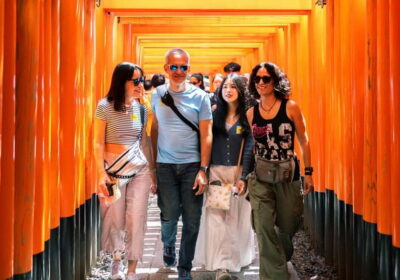
From Kyoto/Osaka: Kyoto Top Highlights 1-Day Guided Bus Tour
Read our review →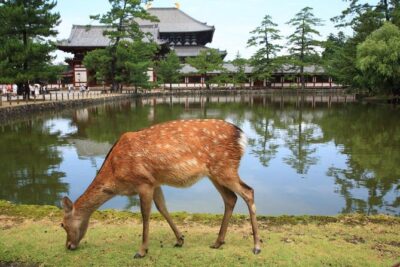
Ancient Capital Tour: Kyoto and Nara Highlights from Kyoto/Osaka
Read our review →
Osaka/Kyoto: Amanohashidate & Miyama Tour with Boat & Lunch
Read our review →

Full Day Tour of Kyoto with Private Transportation
Read our review →Full Day Kyoto Tour : Bamboo Forest, Golden Temple, Fushimi Inari
Read our review →This tour also fits