Reviewed · OSAKA
Mastering the Proper Use of Chopsticks in Osaka
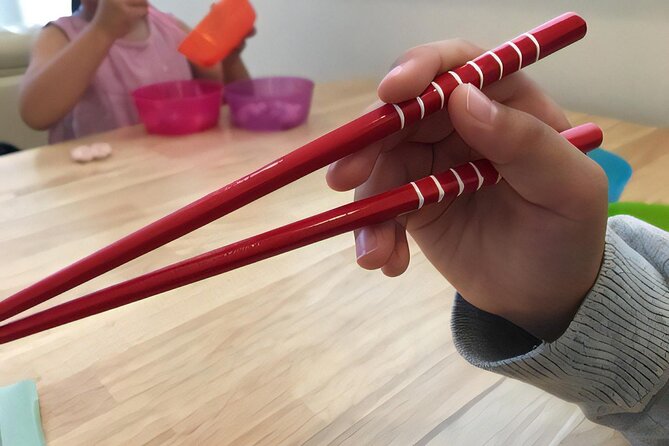
Chopsticks feel awkward until your fingers wake up. This Osaka session turns a common frustration into a clear, step-by-step practice, starting with the surprising idea that finger strength matters more than people think. You also look at how chopstick habits shape your impression, because in Japan, eating style is part manners, part communication.
I really like two parts of this experience: the focus on loosening up your middle finger so you can pick up small items and noodles, and the calm, cheerful coaching that gives you corrections as you try. It is one thing to read about chopsticks online, it is another to work through mistakes and get fixed in the moment.
One consideration: this is very practice-heavy. If you already feel fully confident with chopsticks, you may still enjoy the etiquette side, but the main value is in changing grip and muscle habits, not in advanced table storytelling.
In This Review
- Key highlights you will care about
- Why Osaka Chopstick Lessons Focus on Finger Strength
- Meeting at Moriguchi City Hall and Getting Set Up
- The Drill Phase: Loosening Fingers and Picking Up Small Things
- Correct Chopstick Technique With Real Plates and Bowls
- Japanese Food Manners You Can Use Right Away
- What This Class Improves Beyond Chopsticks
- Price, Duration, and Value for 1.5 Hours of Coaching
- Who Should Book This Chopstick Mastery Session
- FAQ
- Where do I meet for the Osaka chopstick lesson?
- How long is the experience?
- Is this experience private?
- What is included in the price?
- What is not included?
- Can I get a full refund if I cancel?
- Should You Book This Chopsticks in Osaka Lesson?
Key highlights you will care about
- Finger-strength approach that targets the middle finger and overall grip control
- Pick-up drills that build momentum by letting you succeed with small items first
- Real dining practice using plates and bowls, not just holding chopsticks in the air
- Manners that affect first impressions, including avoiding messy or awkward eating habits
- Supportive, easy-to-chat coaching style, with specific advice and encouragement
Why Osaka Chopstick Lessons Focus on Finger Strength
Most chopstick lessons start with grip rules. This one starts one level deeper: the body.
The core teaching is simple. The most important thing to hold chopsticks correctly is the muscle strength of your fingers, especially if your hands feel stiff from not using chopsticks often. In other words, it is not only about learning a pose. It is about retraining small movements until they feel natural.
That matters, because when your fingers do not cooperate, everything else falls apart. You end up using awkward techniques like cross chopsticks, struggling to grab food, or trying to tear pieces in a way that feels clumsy. And when you are nervous, spills tend to happen more. This course basically aims to prevent that spiral by building control first, then speed comes naturally.
If you have ever thought, I just cannot pick things up with chopsticks, this method is designed for you. It treats the problem like a skill, not a personality flaw.
Osaka is Japan's kitchen, and Kyoto, Nara, and Himeji are all close enough for a day trip.
- Full Day Tour of Kyoto with Private Transportation★ 5.0 · 130 reviews
- Sakai – Knife Factory and Craft Walking Tour★ 5.0 · 44 reviews
- Kyoto private tour (Shore excursion available from Osaka or Kobe port)★ 5.0 · 39 reviews
- Private arrival Transfer from Kansai airport to Osaka city★ 4.5 · 36 reviews
- Private Transfer by Sedan from Itami Airport ITM to Kyoto City★ 4.5 · 31 reviews
Meeting at Moriguchi City Hall and Getting Set Up
You meet at the lobby on the 1st floor of Moriguchi City Hall. The meeting point listed for the area is 2-chōme-5-5 Keihanhondōri, Moriguchi, Osaka 570-8666, Japan.
After gathering, your group heads to the starting venue together. The time is about 1 hour 30 minutes total, so you want to arrive a bit early, take a moment to settle your nerves, and get ready to use your hands right away.
One practical plus: this activity is described as near public transportation. That makes it easier to fit into a day in Osaka, even if you are bouncing between neighborhoods.
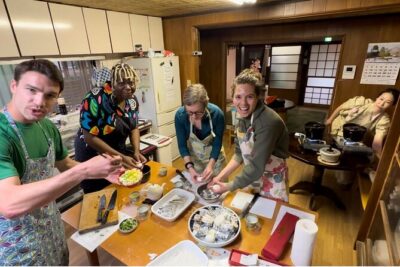
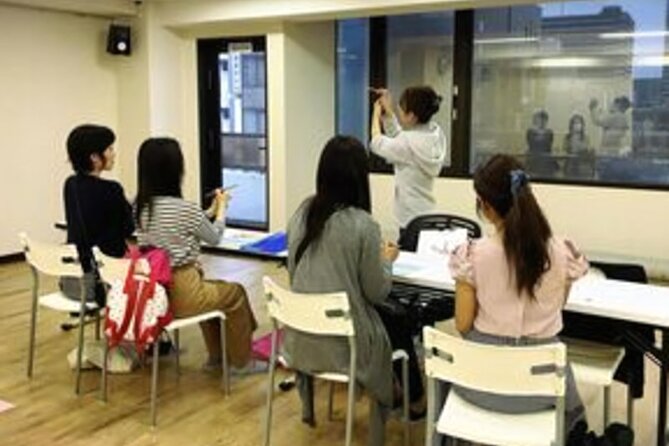
Since it is a private experience, you will be practicing with only your group. That usually helps because corrections can be more personal, and the teacher can adjust based on what you are actually doing, not what you should be doing.
The Drill Phase: Loosening Fingers and Picking Up Small Things
Before you learn chopsticks as a concept, you practice them as movement.
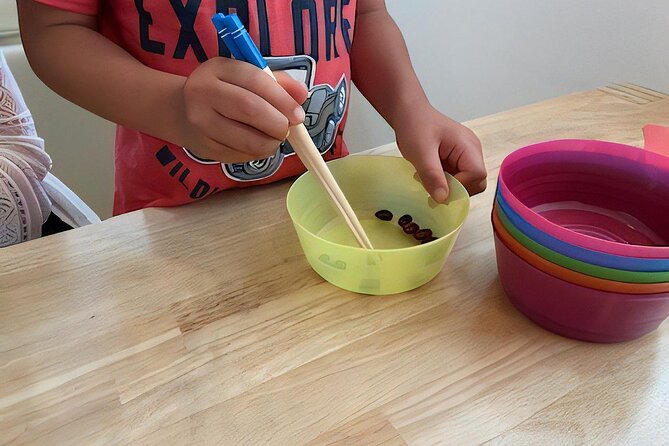
The instruction starts with a very honest idea: if you feel stiff, it is because you do not use chopsticks much. So the training begins by loosening those muscles and making the motion easier.
A key tip is about the middle finger. The lesson frames it like this: if you can move your middle finger, you can use chopsticks to handle small items and noodles. That is a useful detail because many beginners try to force everything from the thumb or index finger. The result is tension. The course wants you to find a smoother, coordinated grip.
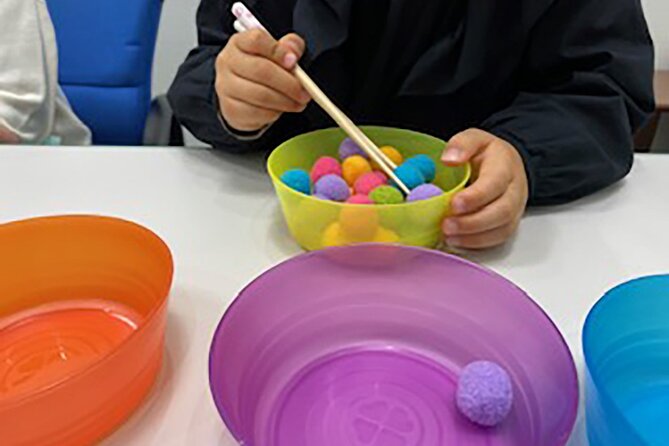
Then comes the motivation part. Instead of throwing you straight into difficult foods, you practice grabbing what you can grab. That sounds small, but it is smart. It reduces frustration and helps you build confidence through quick wins.
The way they teach also connects to the social side of eating. You learn that your chopstick style is not just about mechanics. It signals how comfortable you are and how you treat the other person. If you eat in a messy way, spill often, or struggle loudly, it changes the mood at the table.
So these drills are not only about winning at food pickup. They are about feeling in control while you eat.
Correct Chopstick Technique With Real Plates and Bowls
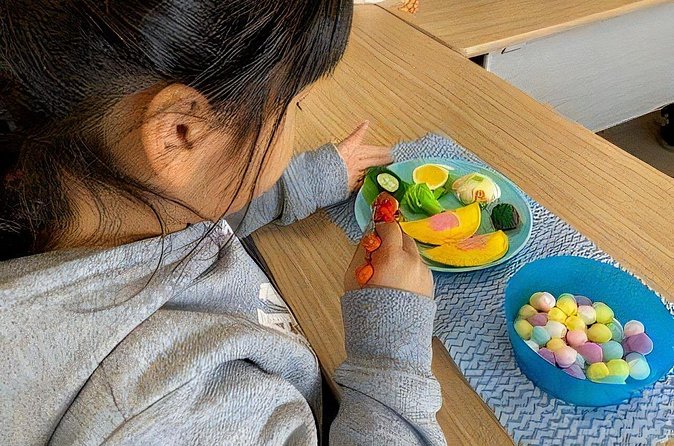
Once your fingers start cooperating, you move into technique you can actually use at a Japanese restaurant.
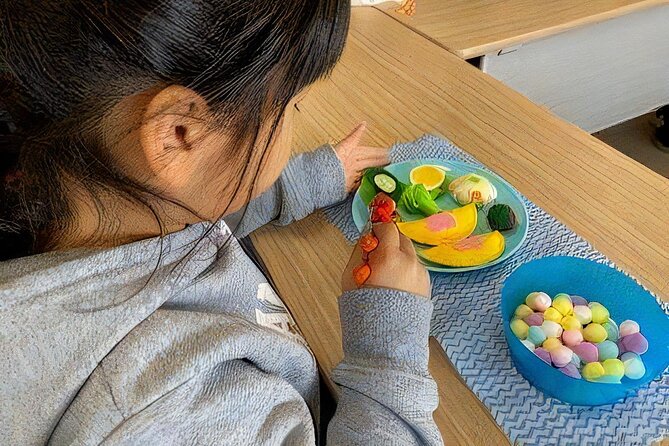
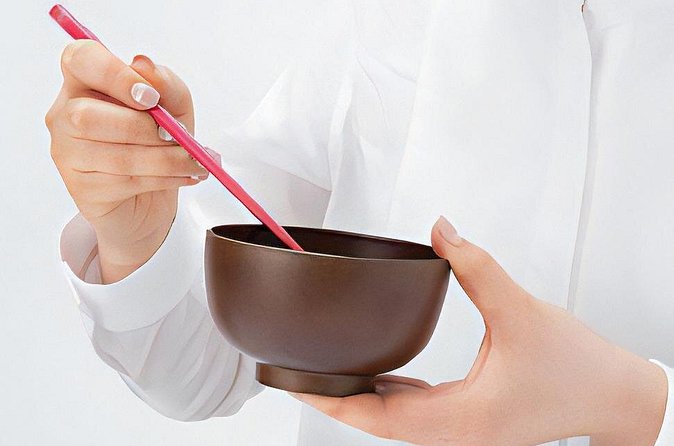
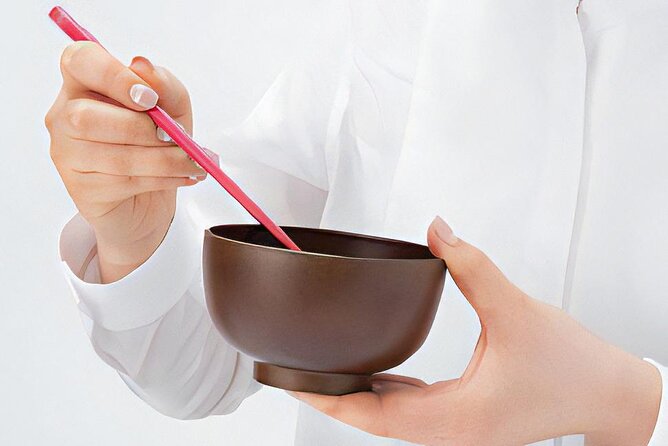
You will practice how to hold chopsticks correctly while using plates and bowls. That is a big deal. Holding chopsticks while standing is one thing. Using them at a table, with real dishes in front of you, forces the hand angle to adjust. It also helps you understand distance, grip pressure, and how to bring food to your eating position without fighting your own wrist.
This stage tends to be where most people improve quickly, because you get immediate feedback. The lesson includes tools and materials needed for the activity, so you are not left guessing what you should practice with later.
You are also working toward reducing common errors:
- cross chopsticks while reaching or digging
- tearing food with one chopstick at a time
- actions that look like you are rushing, snatching, or chewing without control
Even if you are not fluent in Japanese etiquette, you can still communicate respect through steady, careful movement. That is the logic here: manners are practical.
And yes, the teacher style is described as cheerful and gentle, with an easy way to talk. That helps when you are correcting your grip and you need to hear specific advice without feeling embarrassed.
Japanese Food Manners You Can Use Right Away
Chopstick technique is the tool. Table manners are how you use it.
The lesson ties manners to communication. The idea is that your eating style changes the impression you give. So you focus on being pleasant, tidy, and deliberate.
A few themes stand out:
- If you cannot grasp food easily, your movements get awkward fast. Training helps you keep control.
- Crossing chopsticks or tearing food in a clumsy way can look careless, even if you are trying hard.
- Eating like you are in a hurry, or in a way that increases spills, sends the wrong message.
You are not just learning rules for the sake of rules. You are learning behavior that makes shared meals smoother. When you can pick things up without drama, you eat more comfortably. When you spill less, you relax more. When you relax more, you can actually enjoy the food.
That is a quieter but powerful lesson: good manners make good food feel better. It is the difference between surviving a meal and participating in it.
Not ready to leave Osaka yet? A few more ways to fill the day.
- Kyoto Full Day Tour from Osaka with Licensed Guide and Vehicle
★ 5.0 · 29 reviews - Private arrival transfer from Osaka Itami International airport to Kyoto City
★ 5.0 · 26 reviews - Osaka Half-day E-bike Adventure: Minoh Falls & Katsuoji Temple
★ 5.0 · 25 reviews
What This Class Improves Beyond Chopsticks
This course is only 1.5 hours, but it is built around lasting improvements.
First, you get a grip pattern that is less dependent on guesswork. You are training the fingers, not memorizing a static rule.
Second, you practice enough that you start noticing your own habits. Once you see what causes spills or awkward pickups, you can correct it later without needing someone next to you.
Third, you connect the technique to social context. You learn that eating is interaction. Even if you are traveling solo, your table behavior still affects the whole vibe.
If you are the kind of person who feels self-conscious in Japanese restaurants, this kind of training can help you relax. That relaxation makes you more present, and you end up enjoying the meal instead of worrying about every bite.
And if you are going with a group, private format plus hands-on correction tends to make the session feel like skill coaching, not a lecture.
Price, Duration, and Value for 1.5 Hours of Coaching
At $65.41 per person for about 1 hour 30 minutes, you are paying for something you rarely get for free: direct correction.
This is not a general cultural talk. It includes tools and materials, and it is structured around practice on technique and manners, with guidance as you try. That matters because chopsticks are one of those skills where small adjustments make a big difference.
You are also getting practical extras that help logistics and planning. The activity offers a mobile ticket, and there are group discounts. It is private, so your time is focused on your group rather than being diluted across a crowd.
One more value angle: the course is built around the body, finger strength, and easier movement. If you have struggled on and off for years, you know how demoralizing it can be. This method turns it into a process. You do not just get an answer. You get practice that can carry into your next meal.
If you already have perfect chopsticks, you might feel the value is lighter. But if you are still stuck on grip tension, noodle struggles, or messy spill moments, the cost can feel reasonable because the session targets the root causes.
Who Should Book This Chopstick Mastery Session
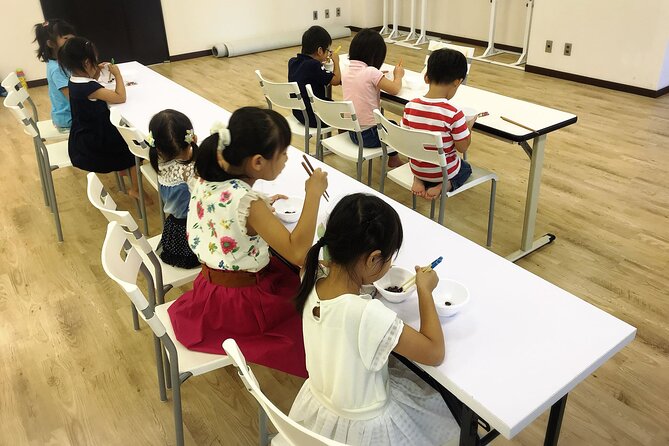
I think this experience is especially well suited for:
- Beginners who can hold chopsticks but cannot reliably pick up food
- People who feel stiff or tense when eating Japanese food
- Anyone who wants manners that are practical, not performative
- Families who like learning through practice, even though the session is not only for kids
- Visitors who plan to eat multiple Japanese meals in the days after arriving
It is also a good fit if you prefer learning from a supportive teacher who explains clearly and corrects you as you go. The lesson style described includes a cheerful approach, soft manner, and helpful, specific advice.
If your goal is advanced kaiseki breakdown or deep cultural history, this is probably not that kind of class. But if your goal is to eat more comfortably and with better manners right away, this is a strong match.
FAQ
Where do I meet for the Osaka chopstick lesson?
Meet in the lobby on the 1st floor of Moriguchi City Hall. The listed meeting location is 2-chōme-5-5 Keihanhondōri, Moriguchi, Osaka 570-8666, Japan.
How long is the experience?
It runs for about 1 hour 30 minutes.
Is this experience private?
Yes, it is a private tour or activity, and only your group will participate.
What is included in the price?
Tools and materials needed for the activity are included.
What is not included?
Traveling expenses are not included.
Can I get a full refund if I cancel?
Yes, you can cancel for a full refund if you cancel at least 24 hours in advance of the experience start time.
Should You Book This Chopsticks in Osaka Lesson?
Book it if you want a practical way to fix the real problems that make chopsticks feel hard: finger tension, shaky control, and awkward grabbing. The focus on middle finger movement, hands-on pickup drills, and using chopsticks with plates and bowls is exactly what you need if you have struggled beyond what internet tips can fix.
Skip it if you already have confident chopstick control and you are mainly looking for a long cultural explanation. Since the session is short, it is best viewed as a targeted skills tune-up, not a full course in Japanese dining etiquette.
If you are planning to eat Japanese food soon and you want to feel more comfortable at the table, this is a smart, grounded investment.