
Reviewed · WALKING TOURS
Osaka 4-Hour Walking Tour: Hotspots and Hidden Gems
Osaka goes cinematic in four hours. You start at Namba Yasaka Shrine with its massive lion head, then swing into pop-culture shopping streets and end in neon-and-lantern contrast around Dotonbori and Hozenji Temple.
I like how the tour mixes myth and everyday Osaka in the same afternoon. Two things I especially enjoy are the shrine stories, plus the fun hands-on stop with gachapon capsule toys (you put in a coin, twist, and wait for the surprise).
One consideration: you are walking through busy districts, and on major holiday periods you may hit lines, especially at the shrine. Also, while this tour usually runs well, there is at least one report of a no-show, so show up a bit early and verify your start details.
In This Review
- Key highlights if you like Osaka fast
- Why this 4-hour Osaka loop works
- Namba Yasaka Shrine, a 12-meter lion head and real shrine etiquette
- Nipponbashi (Den Den Town), the Akihabara of the West vibe
- Kuromon Market, Osaka’s Kitchen for everyday scenes
- Dotonbori neon photos, then Hozenji Temple’s lantern calm
- Guide energy matters, and Ai is the reason it clicks
- Price and value: $40 for four hours of direction and story
- Logistics you should plan around, like any good walking tour
- Who should book, and who might want to skip
- Should you book this Osaka walking tour?
- FAQ
- How long is the Osaka walking tour?
- What does the tour cost?
- What time does the tour start?
- Where do you meet and where does the tour end?
- Is the tour guided and do you receive a ticket?
- How many people are in the group?
- Which places are included on the route?
- What if I need to cancel?
Key highlights if you like Osaka fast
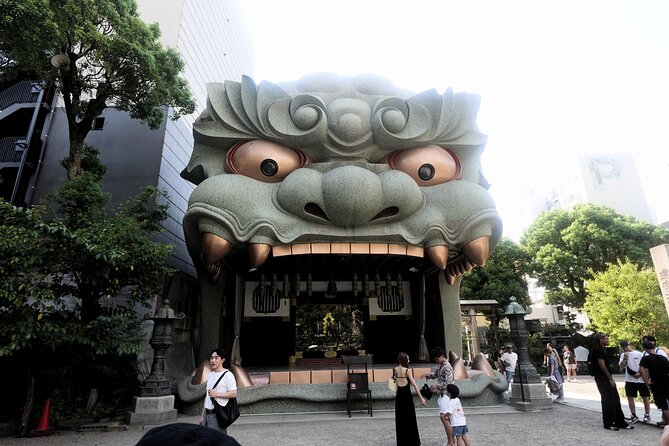
- Namba Yasaka Shrine lion-head photo stop with a myth you can actually feel while you’re there
- Den Den Town pop-culture lanes (anime, manga, retro games, and electronics)
- Gachapon capsule ritual that keeps the energy playful and light
- Kuromon Market as Osaka’s Kitchen for real daily sights and vendor calls
- Dotonbori neon photos plus a calmer landing at Hozenji Temple’s lantern alleys
- Small group feel (max 10), with guide Ai known for clear explanations and humor
Why this 4-hour Osaka loop works

If you only have one afternoon in Osaka, this route gives you a real sense of how the city balances old beliefs with street-level fun. You are not stuck in one theme. You get the spiritual story at the start, the pop-culture buzz in the middle, then the neon spectacle and old-street mood at the end.
It’s also practical pacing. The tour is long enough to matter, but short enough that you’re not totally fried before dinner. You’ll be on your feet for several hours, so comfortable shoes are non-negotiable. The payoff is seeing multiple neighborhoods in one smooth day plan, without guessing where to go next.
Other ways to spend a day in Osaka
- Osaka Local Foodie Walking Tour in Dotonbori and Shinsekai★ 5.0 · 985 reviews
- Osaka: Deep Backstreets Walking Tour with Dinner Option★ 4.9 · 902 reviews
- Ultimate Osaka Walking Tour: Castle, Dotonbori & Hidden Gems★ 5.0 · 862 reviews
- Osaka: Main Sights and Hidden Spots Guided Walking Tour★ 4.9 · 702 reviews
- Private Osaka Walking Tour: Highlights & Hidden Gems★ 5.0 · 569 reviews
Namba Yasaka Shrine, a 12-meter lion head and real shrine etiquette
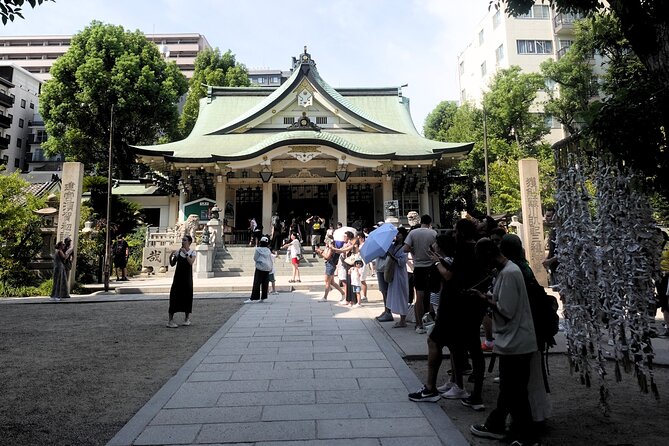
You begin in Namba at Namba Yasaka Shrine, tucked into backstreets where it feels like you’re stepping out of the rush. The headline is the giant 12-meter lion-head stage. The myth is part of the point: it’s said to swallow evil spirits and bring good fortune, which is a fun idea to carry while you’re taking photos and watching how people behave at the shrine.
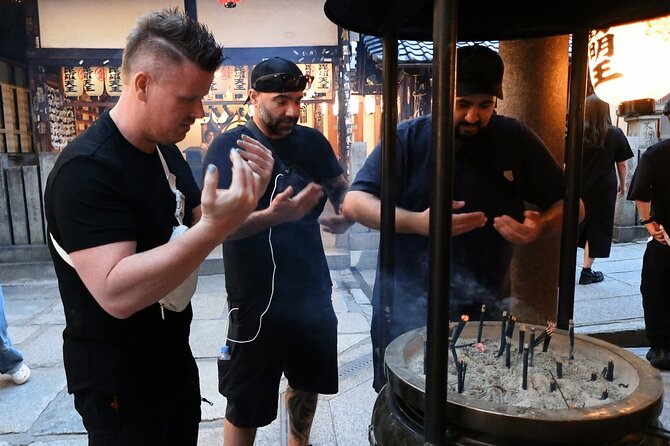
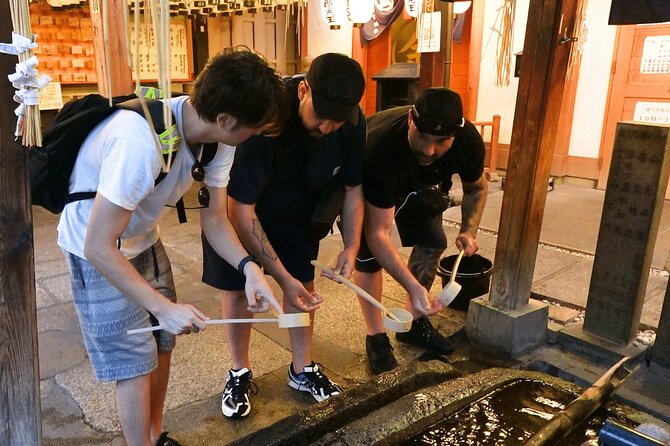
What I love here is that the guide doesn’t treat this as just a photo stop. Ai is praised for sharing the meaning behind what you’re seeing and for explaining how to pray at a shrine in a clear, no-stress way. That turns a quick look into something you can participate in respectfully, even if you’ve never done shrine visits before.
Timing note: the shrine time is listed at 40 minutes. That’s usually enough for photos, a walk-through, and a quick moment to do things properly. If you travel during big holiday periods, plan extra time. One person noted a 30-minute queue during New Year, which can shrink how much you feel like exploring.
Nipponbashi (Den Den Town), the Akihabara of the West vibe
Next you head into Nipponbashi, also known as Den Den Town, with shops packed for anime, manga, retro games, and quirky collectibles. It’s often described as the Akihabara of the West, and you’ll feel that immediately: lots of brightly lit stores, lots of displays, and lots of people browsing with that excited, screen-obsessed energy.
The stop here is about 30 minutes, so it’s not a long shopping spree. Instead, the tour gives you enough time to get your bearings, spot what kinds of things each shop specializes in, and enjoy the culture of browsing. If you love pop culture, you’ll appreciate that the guide frames what you’re looking at, rather than just pointing at storefronts.
And yes, there’s the gachapon capsule machine moment. This is the kind of activity that makes a walking tour feel special, because you’re not only watching. You drop in a coin, twist the knob, and get a surprise toy. It’s a small ritual, but it breaks the day into something playful. One review highlights that the guide helped make it fun for both adults and kids.
Kuromon Market, Osaka’s Kitchen for everyday scenes
Then it’s Kuromon Market, often called Osaka’s Kitchen. This is where the tour shifts from pop culture into day-to-day Osaka. You’ll stroll through the covered arcades where seafood, produce, and local ingredients are front and center. It’s lively in the best way, with vendor calls and that constant in-and-out movement of shoppers.
What’s valuable about this stop is that it’s not a museum version of food culture. It’s the real thing, where you get to observe what people choose, how stalls are set up, and how “snack and ingredient” culture works in the city. The guide’s job is to help you read the scene quickly, so you’re not just staring at displays wondering what matters.
If you like street food, this is where you’ll probably feel the strongest temptation. One review mentions getting help trying a first takoyaki, and another mentions juicy wagyu skewers. I can’t promise specific dishes will be offered, but I can say the guide does seem to encourage trying at least one local bite if you’re game.
Practical advice: keep your camera handy, but also keep an eye on where you’re standing. These markets can get tight. Walk with your group, and don’t block stall entrances while you figure out what looks good.
Dotonbori neon photos, then Hozenji Temple’s lantern calm
After Kuromon, the tour heads toward Dotonbori, the entertainment district where neon does the talking. You get iconic photos at the Glico running man sign, plus the spectacle of the canal area. This is the Osaka people picture on postcards, with bright signs and a soundtrack of foot traffic.
The Dotonbori portion is listed at about 50 minutes, and it’s enough time to do the classic shots without feeling totally rushed. The guide also helps you notice the details beyond the obvious, so it doesn’t become only a selfie stop.
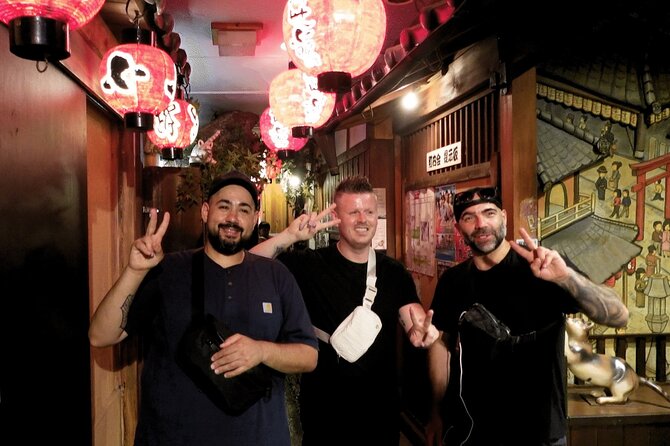
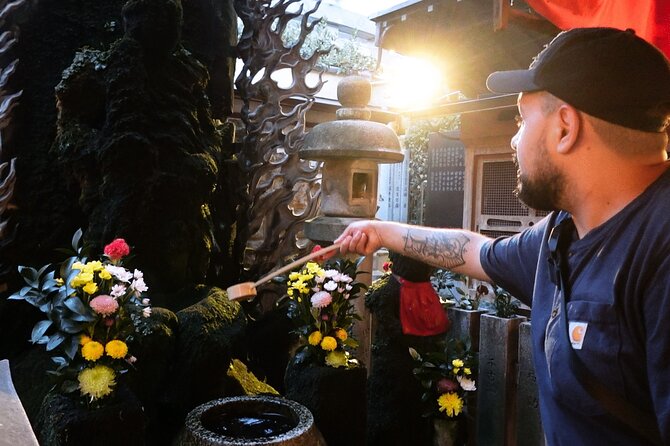
Then comes the smart twist: you step into Hozenji Temple. Instead of staying in the neon, the tour shifts into a quieter pocket with lantern-lit alleys and a moss-covered statue. That contrast matters. Osaka can feel like it’s shouting, and Hozenji gives you a moment where the mood drops a few notches, so the city feels layered rather than one-note.
If you’re the type who likes the “old street meets modern city” feeling, this ending is a strong payoff. It also works well because the light changes as afternoon turns toward evening, and lantern alleys look better as the neighborhood gets darker.
Not ready to leave Osaka yet? A few more ways to fill the day.
- Osaka Go Karting Tour with Funny Costume
★ 5.0 · 2,658 reviews - Osaka Castle: Museum and Tower Entry Ticket
★ 4.5 · 2,380 reviews - Osaka: Shinsekai Food Tour with 13-15 Dishes at 5 Eateries
★ 4.8 · 2,204 reviews
Guide energy matters, and Ai is the reason it clicks
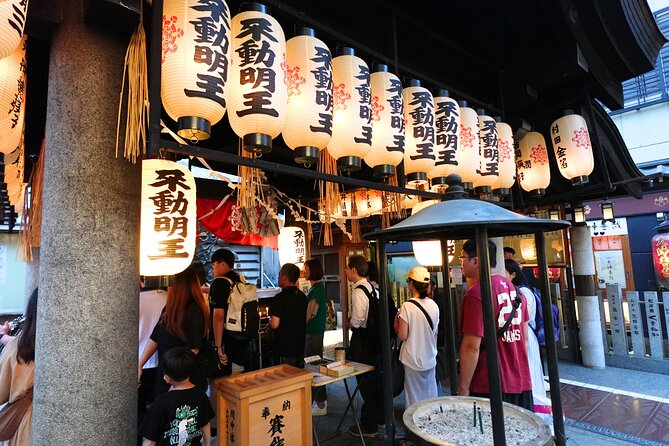
This is one of those tours where the guide is the product. Ai shows up again and again in the praise, and the themes are consistent: clear explanations at each stop, a sense of humor, and a calm patience when people ask questions.
Several people highlight that Ai shares ancient myths and traditions, but still connects them to modern Osaka. That’s a good skill. A lot of tours either go too academic or too shallow. Here, you get a story, then you get to see the real place where that story lives.
You can also expect practical bits, like help with shrine prayer and a few Osaka dialect words. That’s not trivia for trivia’s sake. It helps you interact with the city a little better and gives you something fun to remember later when you’re ordering food or chatting with shop staff.
And if you’re hoping for a guide who will nudge you into trying something local, Ai seems to do that too, like helping people get their first takoyaki.
Price and value: $40 for four hours of direction and story
At $40 per person for about four hours, this tour competes well with other guided options because you get multiple neighborhoods plus a narrative thread. You’re paying for someone to do two things: choose the right stops and explain what those stops mean.
Here’s where the value becomes real for me: you don’t have to figure out the order yourself, and you don’t have to guess what to pay attention to at each place. The tour includes major photo targets, but also includes smaller “this is why people do this” moments that most self-guided walks miss.
You also don’t need paid admissions for the biggest shrine moment since Namba Yasaka Shrine admission is free. The guided format is where your money goes, and from the feedback, the guide is the part doing the heavy lifting.
Logistics you should plan around, like any good walking tour
This is a small group tour with a maximum of 10 travelers. Smaller groups usually mean you can hear the guide and keep together without sprinting.
It starts at 2:00 pm. That afternoon start is handy because Dotonbori neon is still building, and Hozenji’s lantern lanes can feel right later on. You’ll finish in the Dotonbori area near Ebisubashi, and you can keep exploring on your own after.
Meeting point details matter here. The start location is listed at South Hills Namba 3-bankan in Naniwa Ward, Osaka. Use the provided map pin from your confirmation and arrive a few minutes early so you aren’t stressed.
You’ll also receive a mobile ticket, and you’ll get confirmation at booking time. Near public transportation is noted, which helps if you want to hop off the route and continue your day nearby.
Who should book, and who might want to skip
I’d book this tour if you want a balanced Osaka intro. It’s ideal for first-timers who like structure but still want room to roam afterward. It’s also a great fit if you’re into both sides of Osaka: legends and lantern alleys on one end, pop culture shopping energy on the other.
It’s also good for families or groups with mixed interests, because gachapon and market walking are easy wins for a wide age range.
I’d skip it if you hate crowds or you want slower, deeper time in a single area. This is a highlights-and-stories kind of walk, not a stay-long-in-one-place kind of trip. If you want museums, gardens, or lots of sit-down time, you’ll probably feel a little impatient.
Should you book this Osaka walking tour?
Book it if you want an afternoon that shows you how Osaka thinks and feels, not just what it looks like. The strongest reasons to go are the story-driven guide experience with Ai, the mix of iconic and offbeat stops, and the fact that it ends in a calmer old-street pocket after the neon.
Hold off if you’re traveling on a date when you expect huge crowds, or if you need more time per neighborhood. And regardless of when you go, show up early to the meeting point and keep your start details handy. Walking tours can be punctual in a way that makes late starts awkward, especially at popular sites.
If you’re the type who enjoys learning a little and taking photos a lot, this one is a solid use of four hours in Osaka.
FAQ
How long is the Osaka walking tour?
It runs for about 4 hours.
What does the tour cost?
The price is $40.00 per person.
What time does the tour start?
The start time is 2:00 pm.
Where do you meet and where does the tour end?
You start at the address in Naniwa Ward (Shikitsunishi 2-chome, South Hills Namba 3-bankan). The tour ends in the Dotonbori area near Ebisubashi.
Is the tour guided and do you receive a ticket?
Yes, it is a guided walking tour, and you receive a mobile ticket.
How many people are in the group?
The tour has a maximum of 10 travelers.
Which places are included on the route?
You visit Namba Yasaka Shrine, Nipponbashi (Den Den Town), Kuromon Market, Dotonbori, and then you go into Hozenji Temple.
What if I need to cancel?
You can cancel for free up to 24 hours in advance for a full refund.
Just added around Osaka

Walking Tours, compared.

Osaka Local Foodie Walking Tour in Dotonbori and Shinsekai
Read our review →
Deep Backstreets Walking Tour with Dinner Option
Read our review →
Ultimate Osaka Walking Tour: Castle, Dotonbori & Hidden Gems
Read our review →
Main Sights and Hidden Spots Guided Walking Tour
Read our review →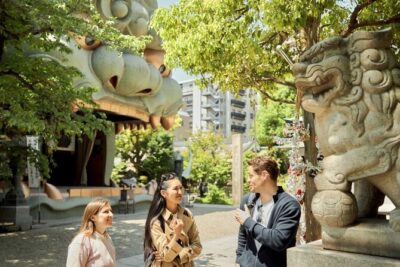
Private Osaka Walking Tour: Highlights & Hidden Gems
Read our review →
Osaka Castle Walking Tour and Castle Tower Admission
Read our review →
Kuromon Market Food Walking Tour in Osaka (6 stops, 6 tastes)
Read our review →
Five Must-See Highlights Walking Tour & Ramen Lunch
Read our review →This tour also fits