
Reviewed · SHRINE & TEMPLE TOURS
Osaka: Japan’s Oldest Temple & Bone Buddha Walking Tour
Osaka has older souls than you expect. In just 2 hours, you’ll walk through two temples that explain how Buddhism shaped early and urban Japan. It’s a quieter side of the city, centered on architecture, rituals, and stories you usually do not get from a quick photo stop.
I loved how the guide makes Shitennoji feel like a timeline you can read with your eyes, especially the temple’s symmetrical layout and the meaning behind the Four Heavenly Kings. I also liked the shift to Isshinji, where the modern main gate leads to something uniquely Osaka, the Bone Buddha tradition made from cremated ashes.
One thing to consider: this is a respectful, religion-focused visit. If you want pure sightseeing with zero explanation, you may find the temple context takes up most of your attention (in a good way, but still).
In This Review
- Key Highlights You’ll Feel in Your Feet and Your Brain
- Why These Two Temples Make One Osaka Story
- Finding Your Guide at Shitennoji’s Stone Torii Gate
- Shitennoji Temple: Prince Shotoku, Four Heavenly Kings, and Layout That Teaches
- The Pure Land Garden and the Meaning of the Setting Sun
- Isshinji Temple: A Modern Gate, Nearly 900 Years of Faith
- Bone Buddhas (Kotsubotoke): What They Are and Why They Matter
- What You Gain From a Professional English Guide
- Price and Value: Is $65 Worth 2 Hours?
- How to Get the Most Out of the Walk
- Who Should Book This Osaka Temple Tour
- Should You Book This Tour?
- FAQ
- How long is the Osaka Oldest Temple and Bone Buddha Walking Tour?
- Where do we meet the guide?
- What is included in the tour price?
- Is transportation or food included?
- What languages are available for the tour?
- Can I cancel the tour for a refund?
Key Highlights You’ll Feel in Your Feet and Your Brain
- Prince Shotoku era context: start at a temple founded in 593 and tied to the Four Heavenly Kings
- Symmetry with a purpose: you’ll learn how early Japanese Buddhist design is meant to be experienced
- Pure Land Garden symbolism: the setting sun and Amida’s paradise are explained clearly
- Isshinji’s modern gate: a bold entrance designed by the current head priest
- Bone Buddhas (Kotsubotoke): understand how cremated ashes become ancestor statues
- Private group + English guide: ask questions and slow down when something clicks
Why These Two Temples Make One Osaka Story
You might come to Osaka thinking first about street food, neon, and day trips. This tour flips that order, and it works. Shitennoji and Isshinji bookend a big theme: Buddhism in Japan starts as state-backed ideas, then grows into personal, family-centered faith in city life.
What makes the pairing smart is that you’re not bouncing between random famous sights. You’re watching a shift in how belief lives, first in a carefully planned temple precinct, then in a communal practice tied to Osaka residents and remembrance.
Quiet spaces between the neon
- Osaka: Minoh, Katsuoji Temple, & Minoh Falls Full-day Tour★ 4.9 · 172 reviews
- Sagano Romantic Train & Arashiyama, Kiyomizudera, Fushimi Inari Taisha Day Tour★ 4.5 · 171 reviews
- Full Day Kyoto Tour : Bamboo Forest, Golden Temple, Fushimi Inari★ 5.0 · 84 reviews
- Osaka Temple Cool Foot Bath & Matcha Experience〈45min〉★ 4.9 · 82 reviews
- Osaka: Mind & Spirit Balance Temple Reiki Healing★ 5.0 · 41 reviews
Finding Your Guide at Shitennoji’s Stone Torii Gate
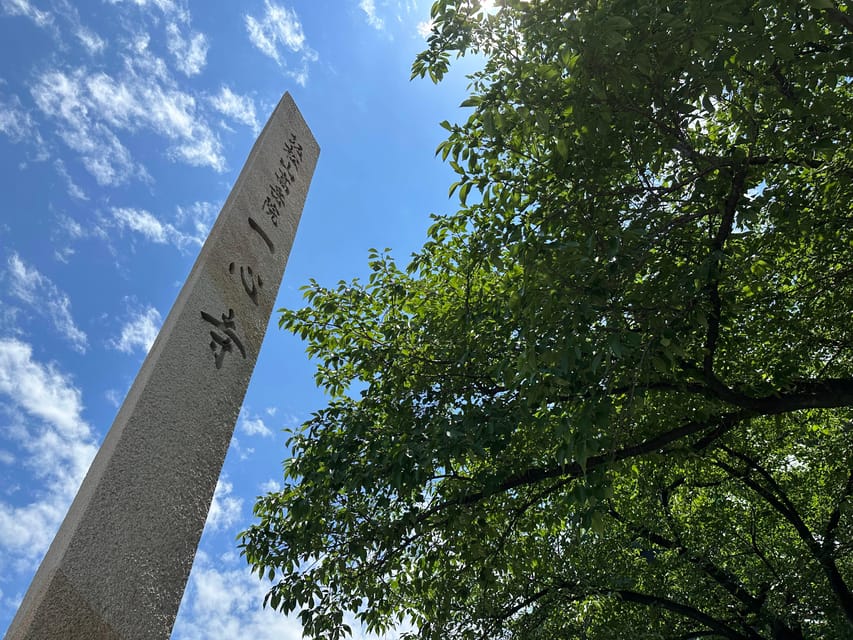
The tour begins at the stone torii gate (Ishidori) at the main entrance of Shitennoji Temple. Your guide holds a sign with your name, so you should be able to spot them quickly.
The meeting point is a short walk from Shitennoji-mae Yuhigaoka Station. Because transportation to and from the meeting point is not included, you’ll want to plan your route in advance so you arrive with time to settle in and start calmly.
Shitennoji Temple: Prince Shotoku, Four Heavenly Kings, and Layout That Teaches
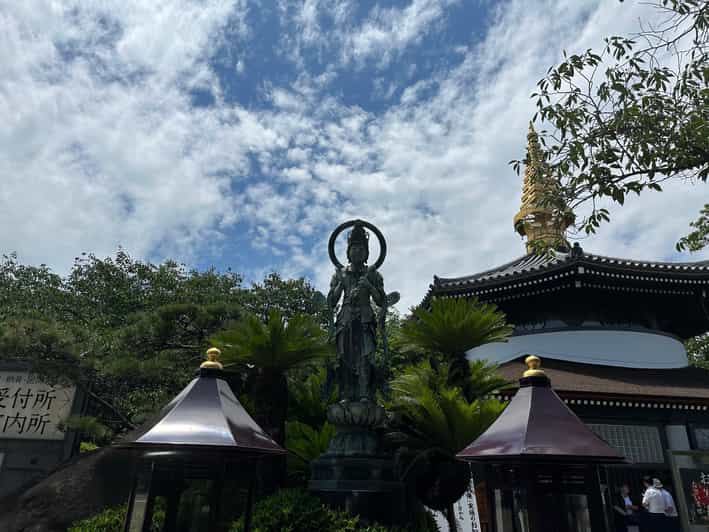
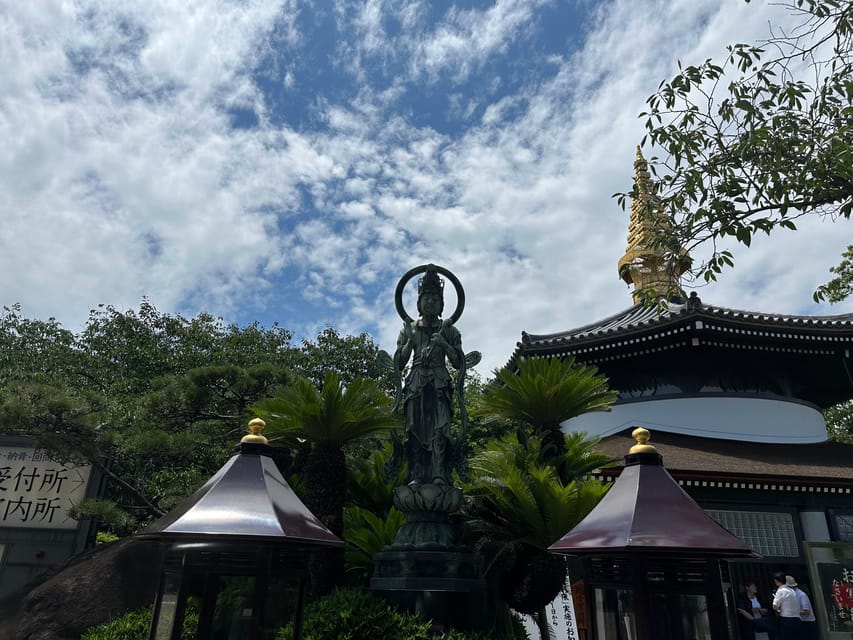
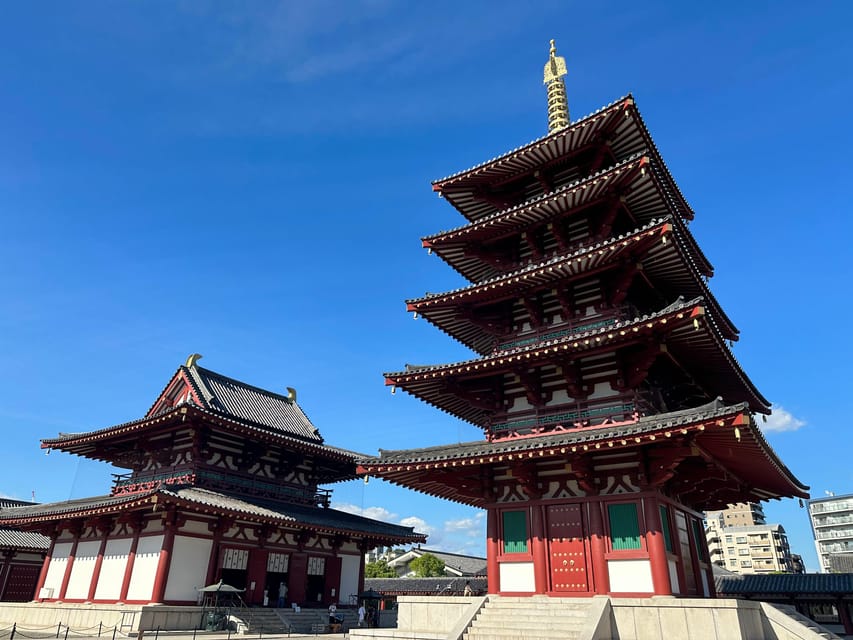
Shitennoji is one of Japan’s oldest officially established Buddhist temples, founded in 593 by Prince Shotoku. The guide frames it as a turning point, when Buddhist ideas became part of society rather than staying as something outside the mainstream.
As you enter the central precinct, pay attention to the way the space is organized. You’ll hear why the layout is symmetrical, and how that design matches early Buddhist thinking about order, protection, and spiritual space. It’s not just pretty geometry. It’s a guide for the mind.
You’ll also learn about the temple’s guardians, the Four Heavenly Kings (Shitenno), described as protectors of the nation. That matters because it helps you understand why temples in this era were tied to both spiritual and civic identity, not only private worship.
One of the best practical parts of a guided visit here is context for survival. You’ll hear how Shitennoji has endured fires, wars, and repeated reconstruction, but has continued to preserve its spiritual identity. When you see damage and rebuilding described like that, you start noticing what is still meant to feel “the same,” even after centuries of change.
The Pure Land Garden and the Meaning of the Setting Sun
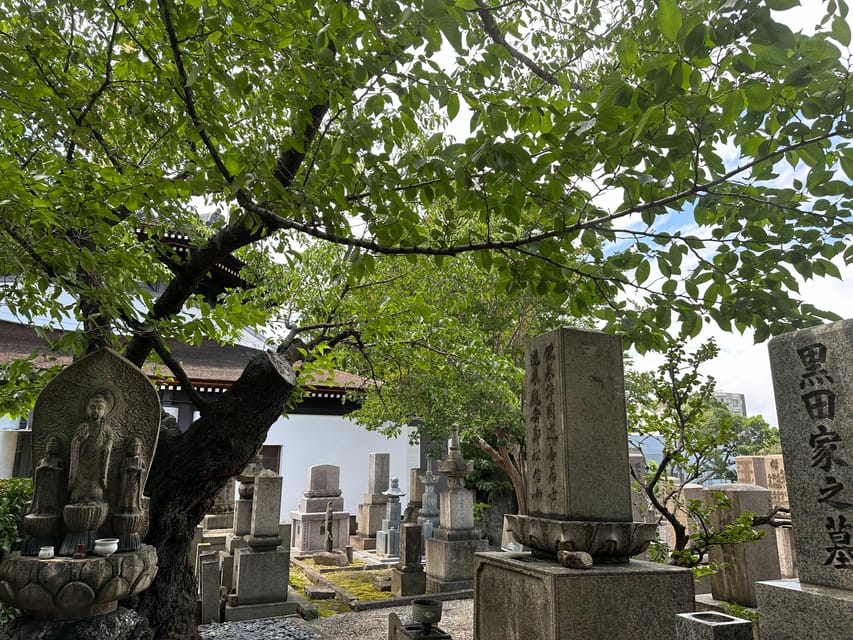
After the central precinct, you move into the Pure Land Garden, which is included in the tour. This is where the tour becomes more than architecture, because Pure Land Buddhism is about hope, rebirth, and a specific image of salvation.
The guide explains Pure Land thought and the vision of the Western Paradise, associated with Amida. Then comes one of the more memorable symbolic ideas on the tour: the relationship between the setting sun and the promise of rebirth in Amida’s paradise.
Even if you are not a specialist in Buddhist doctrine, this kind of explanation makes a garden feel like a message. You stop treating it like a landscaped backdrop and start seeing it as a visual teaching tool, built around the way light and time can shape meaning.
If you like when places have “why,” you’ll appreciate how the guide connects the setting sun idea to the Osaka area’s longstanding association with sunset views. It gives you permission to look around slowly, not just scan for signatures on temple stamps.
Isshinji Temple: A Modern Gate, Nearly 900 Years of Faith
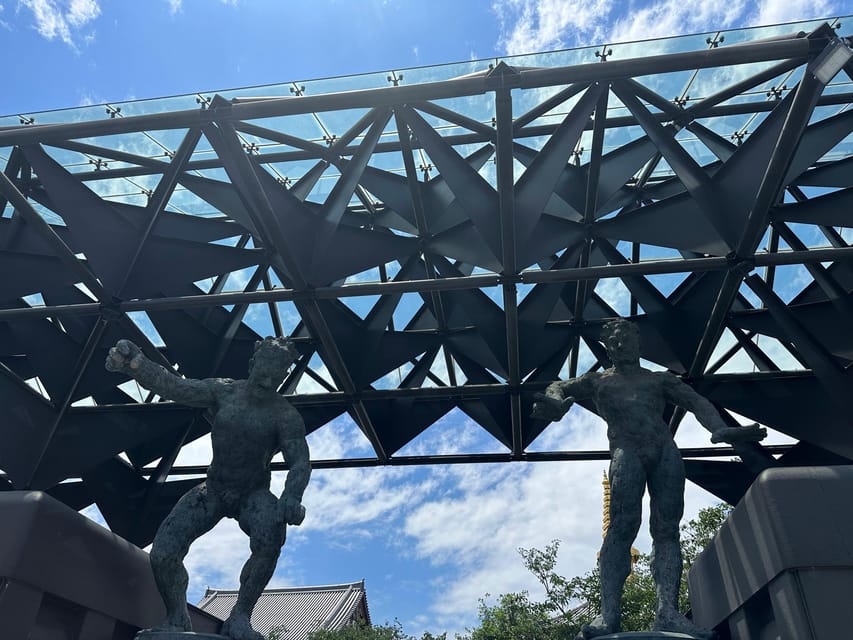
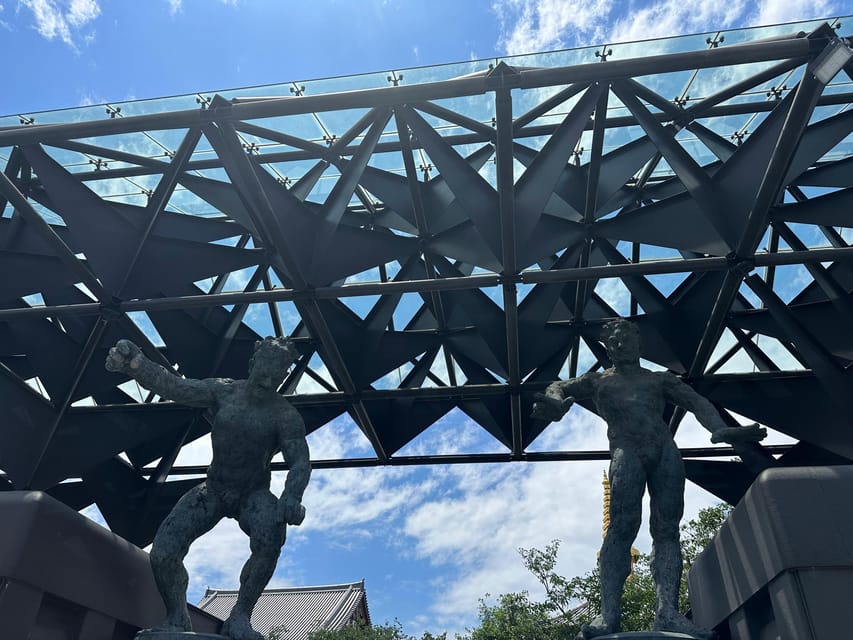
Then the tour shifts gears to Isshinji Temple. Approaching the main gate, you immediately notice something you do not expect at a temple: a striking modern design. The guide explains that the gate was designed by the current head priest, which adds a living, present-day feel to what could otherwise seem like history behind glass.
Behind that bold entrance, Isshinji has nearly 900 years of history. The focus here is not state guardians or temple layout. It’s remembrance, family ties, and the way a city collects its past.
Other ways to spend a day in Osaka
- Osaka Local Foodie Walking Tour in Dotonbori and Shinsekai
★ 5.0 · 985 reviews - Osaka: Deep Backstreets Walking Tour with Dinner Option
★ 4.9 · 902 reviews - Ultimate Osaka Walking Tour: Castle, Dotonbori & Hidden Gems
★ 5.0 · 862 reviews
Bone Buddhas (Kotsubotoke): What They Are and Why They Matter
Isshinji is known for the Bone Buddhas (Kotsubotoke), statues made from cremated ashes. The guide shares the scale of the practice: the temple houses the ashes of more than two million ancestors of Osaka residents.
Understanding that number helps your brain switch to the right mindset. This is not a single-altar curiosity. It is an urban tradition where communal memory and devotion meet in a physical form. The statues are respectfully created by combining cremated remains, turning private loss into something ongoing and publicly cared for.
The guide also explains how the tradition began and how it continues to serve families across generations. That detail is the difference between seeing statues and actually understanding what you’re looking at.
What You Gain From a Professional English Guide
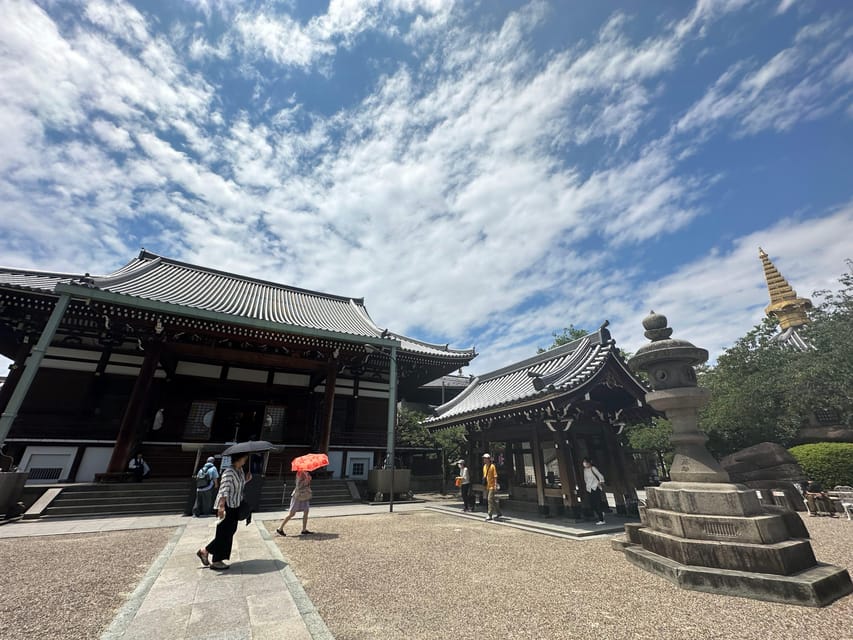
I especially liked that the experience is guided by a professional English-speaking guide, with live interpretation support in English and Japanese. The quality of the explanations matters here because Buddhist ideas are not always intuitive from signs alone.
A strong guide does two things at once. First, they translate terms like Pure Land or Amida into plain language you can carry. Second, they connect the concepts to what you can see, like symmetrical temple planning or a garden built around a spiritual image of rebirth.
In my view, this is the biggest value of the tour. Without that guidance, you might enjoy the temples visually, but you could miss the thread tying Shitennoji’s early Buddhist roots to Isshinji’s distinctly personal, city-centered remembrance. With the guide, that thread becomes obvious.
Price and Value: Is $65 Worth 2 Hours?
At $65 per person for a 2-hour private group tour, the price looks fair once you break down what is included. You get:
- a professional English-speaking guide
- guided visits of both Shitennoji and Isshinji
- admission to Shitennoji’s main temple complex
- admission to the Pure Land Garden
Transportation, food, and personal expenses are not included, so you will still need to manage getting to the meeting point and grabbing snacks if you want them before or after.
Still, for many travelers, the admissions plus guidance make this a strong deal for two reasons. First, temple entry rules can vary, and having someone lead you through the right areas saves time. Second, the guide’s explanations are doing real work, turning two sites into a coherent story about Buddhism in Osaka.
How to Get the Most Out of the Walk
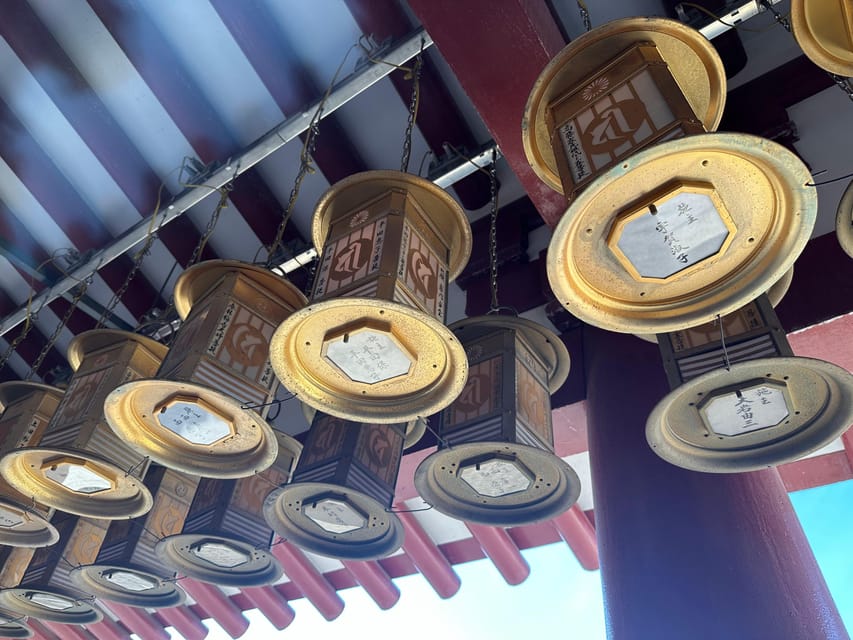
This is a walking tour, and it’s also a “stop and listen” tour. Wear comfortable shoes, because you’ll be standing and moving between temple spaces.
I also recommend keeping your expectations realistic. This is not built around rapid photo stops or trying to see every building at maximum speed. The purpose is understanding, so you’ll get the most from it if you slow down and let the guide talk through the meaning behind what you’re seeing.
If you are prone to temple fatigue, the two-temple format is a sweet spot. You get variety without turning your day into an endurance test.
Who Should Book This Osaka Temple Tour
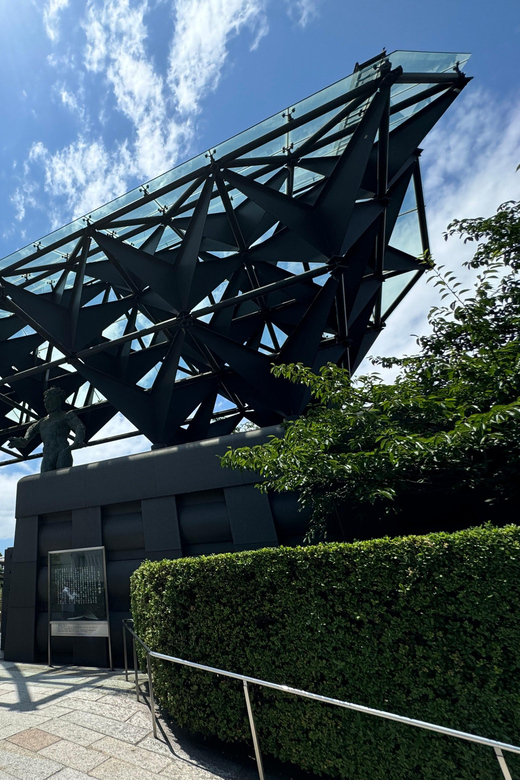
This works best if you:
- want to see beyond Osaka’s modern entertainment areas
- care about religion, architecture, and how societies change over time
- like learning through real explanations, not just reading plaques
- enjoy experiences where the guide helps you connect symbols to place
It might be less satisfying if your main goal is nightlife, shopping, or strictly light, surface-level sightseeing. Here, the center of gravity is Buddhist history and meaning.
The private group format can also be a plus. You’re not competing with a crowd, so you can ask follow-up questions when something in the story lands in an interesting way.
Should You Book This Tour?
Yes, if you want a focused, high-impact introduction to Buddhism in Osaka that fits into a short window. The value is strongest when you like having a guide translate symbolism into something you can actually understand while you’re standing in front of it.
Book it if Shitennoji’s early roots and Isshinji’s Bone Buddha tradition sound like the kind of “how did this city form its identity?” question you enjoy. Skip it only if you’d rather spend your time elsewhere and you do not want to spend much of two hours thinking about religion and history.
If you do book, go in curious. This tour turns two temples into one explanation for how faith became part of daily urban life in Japan.
FAQ
How long is the Osaka Oldest Temple and Bone Buddha Walking Tour?
The tour lasts 2 hours.
Where do we meet the guide?
Meet your guide in front of the stone torii gate (Ishidori) at the main entrance of Shitennoji Temple. The guide will hold a sign with your name. The meeting point is a short walk from Shitennoji-mae Yuhigaoka Station.
What is included in the tour price?
Included are a professional English-speaking guide, guided tours of Shitennoji and Isshinji Temples, admission to Shitennoji’s main temple complex, and admission to the Pure Land Garden.
Is transportation or food included?
No. Transportation to and from the meeting point and food and drinks are not included.
What languages are available for the tour?
The live tour guide is available in English and Japanese.
Can I cancel the tour for a refund?
Yes. Free cancellation is available up to 24 hours in advance for a full refund.
Just added around Osaka
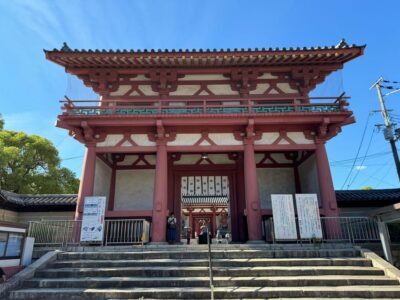
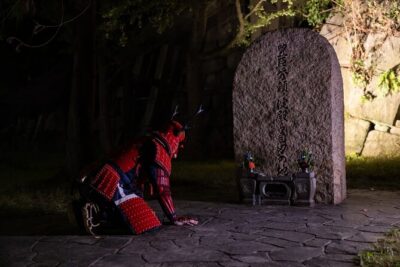

Shrine & Temple Tours, compared.
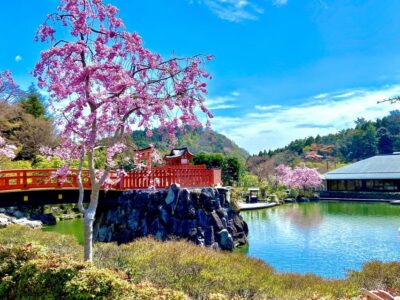
Minoh, Katsuoji Temple, & Minoh Falls Full-day Tour
Read our review →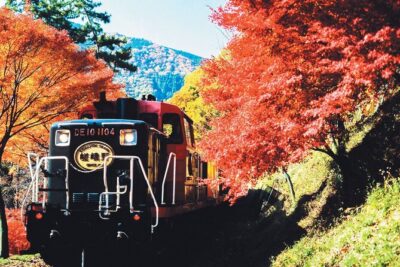
Sagano Romantic Train & Arashiyama, Kiyomizudera, Fushimi Inari Taisha Day Tour
Read our review →Full Day Kyoto Tour : Bamboo Forest, Golden Temple, Fushimi Inari
Read our review →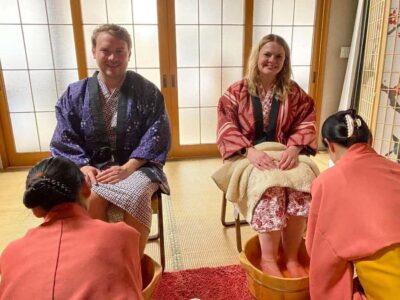
Osaka Temple Cool Foot Bath & Matcha Experience〈45min〉
Read our review →
Katsuo-ji Temple, Arashiyama Forest, & Nara Park
Read our review →
Immersive Arashiyama & Fushimi Inari by Private Car
Read our review →
Kyoto Highlights: Arashiyama & Fushimi Inari by Private Car
Read our review →This tour also fits