
Reviewed · WALKING TOURS
Osaka Like a Local: 6 Hours of Walking, Eating & Exploring!
Osaka on foot is how the city makes sense. This 6 hour walking tour ties together Osaka Castle, Kuromon Market, Shinsekai, Shitennoji, and the Umeda Sky Building into one easy plan. I like that it feels practical and food forward, and I also like the option to add a cultural stop like a tea ceremony. One drawback to consider is that it’s almost 10 km of walking, so you need solid shoes and patience.
You’ll start near Namba, with a guide who sets your route based on your interests, then you’ll move north and south through the city like you’re on a best friend’s itinerary. I especially like the balance here, big sights in the morning, street food in the middle, then city views at night. If you hate transit and long walks, this one will feel like a workout, not a sightseeing cruise.
In This Review
- Key things that make this Osaka walking tour work
- Walking Osaka, not riding it: the 6 hour rhythm
- Where you meet in Namba Walk (and why that matters)
- Setting your itinerary with the guide: customizable, but structured
- Osaka Castle and the Housing and Living Museum: big landmark, then human scale
- Kuromon Ichiba Market lunch: fish market energy, not just seafood
- Dotonbori and the tea stop: Osaka street food theater
- Shinsekai and Tsutenkaku: the New World vibe, plus local favorites
- Shitennoji Temple: prayer time and a slower pace near Shinsekai
- Umeda Sky Building finale: sunset skyline and night lights
- Price and value for a $77 half day
- Who should book this Osaka Like a Local tour
- Should you book this Osaka walking tour
- FAQ
- How long is the Osaka Like a Local walking tour?
- What does the tour cost?
- What is included, and what is not included?
- Where do we meet the guide?
- Can the tour pick me up from my hotel?
- Is the tea ceremony included?
- How much walking should I expect?
- Does the tour run in rainy weather?
- Is this tour suitable for everyone?
Key things that make this Osaka walking tour work
- Small group energy (up to 8) that keeps the pace human and questions easy to answer
- Kuromon Market lunch time that mixes seafood with beef, fruit, and sweets
- Shinsekai’s Tsutenkaku views for that Osaka from above feeling, plus local comfort foods
- Dotonbori street food focus with time for wandering and photos, including a tea stop
- Umeda Sky Building finale so your last hour is all about the skyline
Walking Osaka, not riding it: the 6 hour rhythm
This tour is built around a simple idea: in Osaka, you learn more by moving between neighborhoods than by staying parked at one landmark. You’ll cover a lot in just 6 hours, using public transportation for short transfers and walking for the rest. The payoff is that your Osaka experience feels stitched together, not chopped into unrelated stops.
The route is also designed to keep you from spending the whole day in lines. You get set photo stops, short museum time, a real meal window at Kuromon, and then food and atmosphere time at Dotonbori and Shinsekai. By the end, you’re rewarded with a high view from the Umeda Sky Building at sunset or night, when the city lights really kick in.
The catch is obvious. This is a walking tour using transit, with almost 10 km on your feet. If you’re the type who likes to linger at every shrine detail or you arrive already tired, pace will matter.
Other ways to spend a day in Osaka
- Osaka Local Foodie Walking Tour in Dotonbori and Shinsekai★ 5.0 · 985 reviews
- Osaka: Deep Backstreets Walking Tour with Dinner Option★ 4.9 · 902 reviews
- Ultimate Osaka Walking Tour: Castle, Dotonbori & Hidden Gems★ 5.0 · 862 reviews
- Osaka: Main Sights and Hidden Spots Guided Walking Tour★ 4.9 · 702 reviews
- Private Osaka Walking Tour: Highlights & Hidden Gems★ 5.0 · 569 reviews
Where you meet in Namba Walk (and why that matters)
Your meeting point is the underground area called Namba Walk, near exit B23. The store is between Mizuno Shop and Docomo Shop, so it’s a recognizable landmark once you’re underground.
This location is smart for two reasons. First, it helps you start in the area where Osaka’s energy is concentrated, so you ease into the day instead of spending your first hour navigating. Second, it keeps the tour from becoming a series of long “go here first, then come back” loops.
If you prefer not to meet underground, the tour offers hotel pickup. You just need to message ahead, and you can ask the guide to tailor the day around you.
Setting your itinerary with the guide: customizable, but structured
Before you move, the guide does a quick round of conversation to understand your requests and build an itinerary that matches your energy level. If you already know you want a particular place, you can work it into the plan. That flexibility is a real value for Osaka, because neighborhoods are close but interests can be wildly different.
At the same time, the tour is not vague. If you do not know Osaka well, you can rely on the built in route. You’ll hit Osaka Castle, a housing and lifestyle museum, Kuromon Market for lunch, Dotonbori for street food and photos, Shinsekai for Tsutenkaku views, Shitennoji for temple time, and Umeda Sky Building for the skyline finish.
Small group size matters here. With up to 8 participants, you’re less likely to get lost in a crowd, and you can get answers without shouting over 30 people.
Osaka Castle and the Housing and Living Museum: big landmark, then human scale
The day starts with Osaka Castle. Expect a photo stop, sightseeing time, and a brief explanation from your guide. The plan also notes that entry inside the castle may be possible, depending on conditions. Either way, you’ll be positioned to take in the exterior views that define the area.
Why I like this start: Osaka Castle gives you a sense of where the city’s story begins, even if you’re only there for photos. It also gives your legs a clean warm up before you transition into more neighborhood hopping.
Next comes the Osaka Museum of Housing and Living. This is not a giant “look at artifacts” museum. It’s focused on how people lived in Osaka around the 1800s, and you can walk through models that show daily life. There’s also a kimono option if you want to try it, which adds a fun, hands on component without turning the day into a staged photoshoot.
This pairing works because it balances myth and everyday life. You get the dramatic landmark first, then you quickly shift to how ordinary people actually shaped the city.
Kuromon Ichiba Market lunch: fish market energy, not just seafood
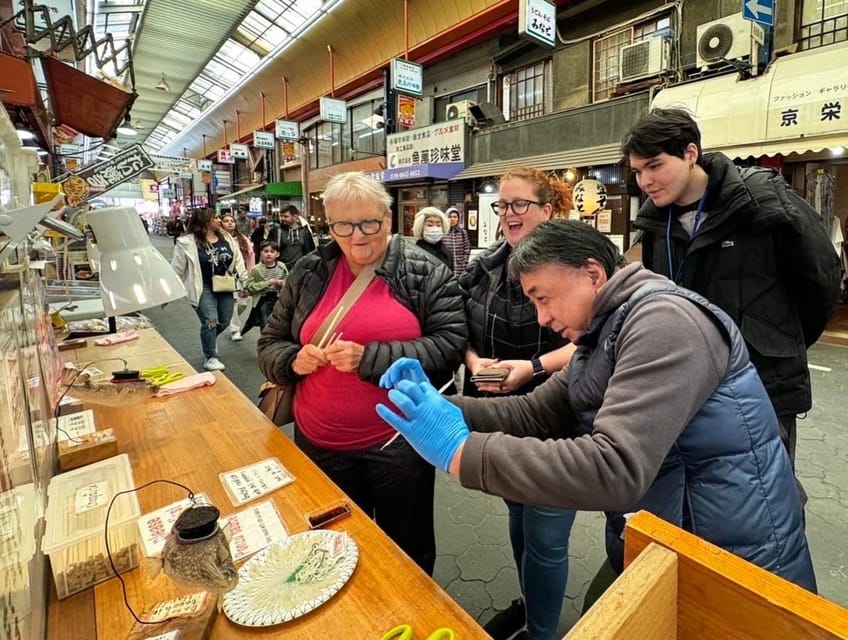
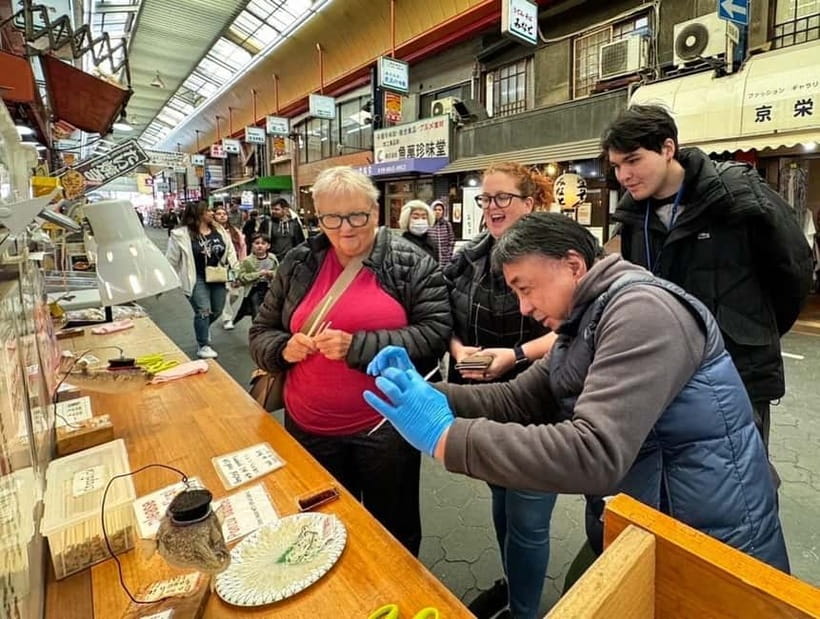
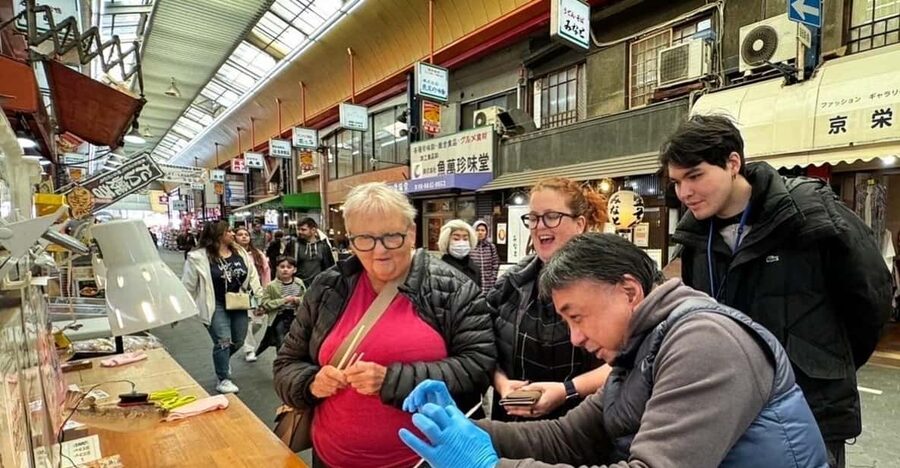
Lunch is at Kuromon Ichiba Market, often called the most famous fish market in Japan. But the key detail for you is this: it is not only seafood. You can find beef, fruits, and sweets, so the market works even if you do not eat much fish.
The plan includes a 1 hour break time for beer and street food, plus free time for food tasting and market walking. That hour is important because Kuromon can overwhelm you if you’re hungry and wandering without a plan. A guide helps you find the right rhythm, like when to sample, what to prioritize, and how to avoid tasting yourself into a food coma.
Practical tip from the way this tour is paced: arrive ready to be decisive. Street food markets reward speed. If you hesitate too long, you’ll spend the hour watching other people eat.
Not ready to leave Osaka yet? A few more ways to fill the day.
- Osaka Go Karting Tour with Funny Costume
★ 5.0 · 2,658 reviews - Osaka Castle: Museum and Tower Entry Ticket
★ 4.5 · 2,380 reviews - Osaka: Shinsekai Food Tour with 13-15 Dishes at 5 Eateries
★ 4.8 · 2,204 reviews
Dotonbori and the tea stop: Osaka street food theater
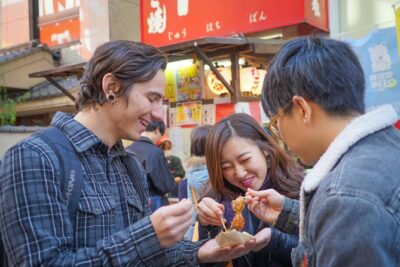
After the market, you head to Dotonbori, the famous street known for food and neon. The tour gives you 30 minutes for sightseeing and street food time, with photo stops and regional food tasting. It’s a classic Osaka moment, full of shops and people, and at night the illuminations are part of the experience.
Then there’s a tea segment, which can become a highlight if you choose it. The itinerary includes tea and a tea ceremony for about 1 hour. If you want the tea ceremony, it is optional and you need to tell the guide beforehand so a reservation can be made.
Cost matters here. The tea ceremony fee is not included, and it’s listed at around 4000 yen paid at the store. If you’re deciding whether to add it, think about your travel style. If you like short cultural rituals, it’s worth it. If you mainly came for food and views, you can treat the tea time as a calm pause rather than a must do ceremony.
Either way, Dotonbori is a good place for photos and a final round of street energy before you move into Shinsekai.
Shinsekai and Tsutenkaku: the New World vibe, plus local favorites
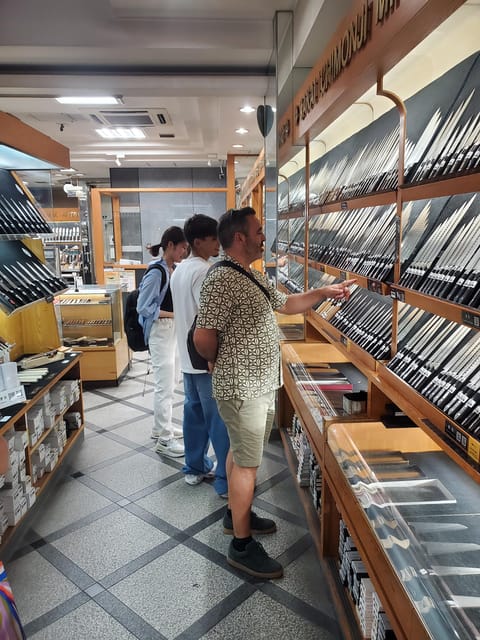
The next neighborhood is Shinsekai, often described as Osaka’s “New World.” You’ll have a photo stop, sightseeing time, and scenic views on the way. Tsutenkaku Tower is part of the focus, and the plan notes that you can go up to see Osaka from above.
If you feel brave, the tour also mentions the possibility of bungee jump options. That detail is there for thrill seekers, not for everyone. If you prefer safer choices, you can still enjoy the tower views without adding any adrenaline risk.
Shinsekai is also known for local foods like kushikatsu (fried skewers) and takoyaki. This is where your stomach gets a second chance after Kuromon and Dotonbori. The tour structure makes sense, because you’re not just “eating for eating.” Each stop has its own flavor of Osaka street food culture.
One more thing I like about this segment: Shinsekai helps break the day from all the major sights. It’s a neighborhood experience. You’re seeing how the city eats, hangs out, and keeps moving.
Shitennoji Temple: prayer time and a slower pace near Shinsekai
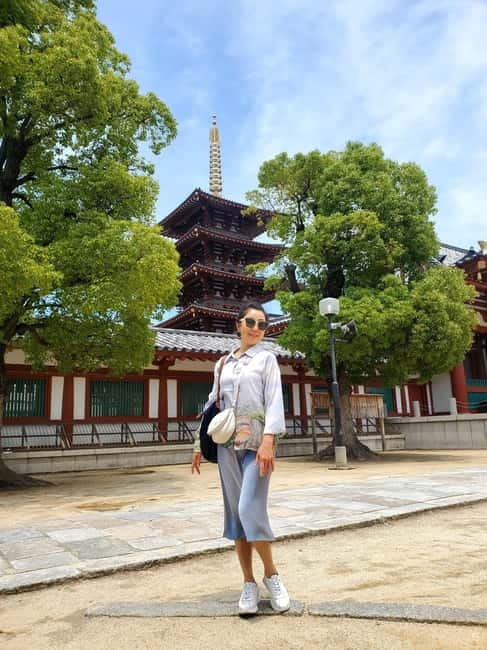
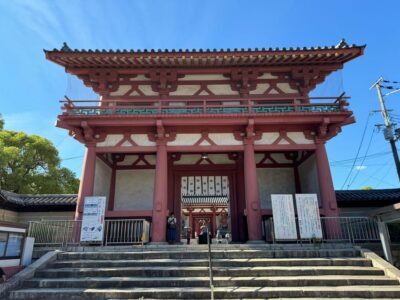
From Shinsekai, you move to Shitennoji. This temple is near the Shinsekai area, so the transition is easy on your legs compared to hopping across town. The itinerary includes a photo stop, sightseeing time, and scenic views on the way.
The tour emphasizes a spiritual aspect. You can pray for Buddha at Shitennouji, and it frames the visit as a cultural stop for anyone interested in Buddhism. It also notes that the entrance to the temple is free.
There’s a seasonal detail worth knowing. On the 21st and 22nd of every month, there is a flea market happening near the temple area. If your dates match, you might get an extra layer of atmosphere, like locals mixing shopping with temple visits.
This stop is valuable because it gives your day contrast. After neon streets and food stalls, Shitennoji adds quiet and reflection. It also helps you slow down so you can reset before the final viewpoint.
Umeda Sky Building finale: sunset skyline and night lights
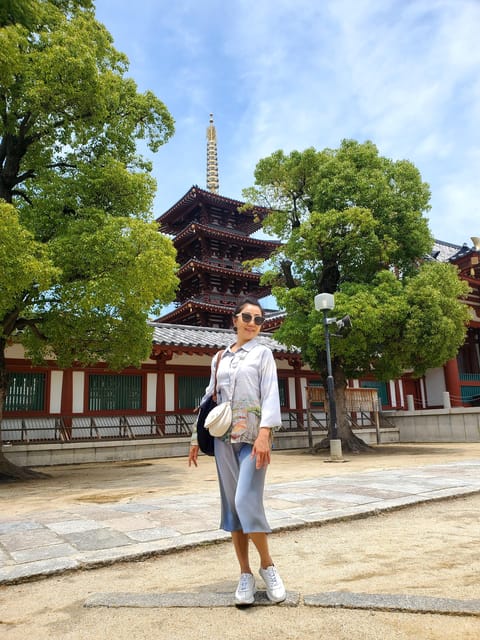
The tour ends at Umeda Sky Building. You’ll have a photo stop, time to visit, and free time for sightseeing, especially around sunset. The plan calls out an unforgettable city view at night, which is exactly when Osaka’s lights look their best.
Why this ending works: the earlier parts of the day are horizontal sightseeing, walking and moving through streets. Ending vertically from the sky building makes the city feel mapped in your mind. You can see how neighborhoods connect, and you’ll likely recognize parts of your route from above.
If you’re picky about viewpoints, this is a good place to slow down. Spend your last hour taking it in, not rushing to get photos. When the sky turns darker, the view becomes easier to enjoy without squinting.
Price and value for a $77 half day
The price is listed at $77 per person, and what you get included is the guide fee and the walking tour itself. Transport costs, admission fees, food, drink, and the optional tea ceremony fee are not included.
That sounds like a lot of “not included,” but here’s the value logic. You are paying for organization, route planning, and someone to help you eat smarter in specific neighborhoods like Kuromon and Dotonbori. Those markets can be confusing if you do not read the food signage or if you do not know which counters are best for quick sampling.
Also, this is capped at a small group size, up to 8. That kind of limit usually means the guide can spend time adjusting to your questions instead of herding everyone like a school trip.
Add it up honestly. Your final total will depend on what you eat and whether you choose the tea ceremony. Still, the structure is strong: major sights plus food plus city views in one half day with almost 10 km of walking and short transit transfers.
Who should book this Osaka Like a Local tour
I’d steer you toward this tour if you want a compact Osaka “greatest hits” day that still feels like local street life. It’s a good fit for first time visitors who want Osaka Castle, Kuromon Market, Shinsekai, Dotonbori, Shitennoji, and Umeda Sky Building without planning every hop.
It’s also a great choice if you like food tours but want them anchored to real neighborhoods, not just one market stop. You get multiple eating windows, including lunch at Kuromon plus street food and tasting time in Dotonbori and Shinsekai.
You should think twice if you have mobility limitations or if you are pregnant, since the tour is a walking route and is not listed as suitable for those situations.
And if you hate walking, don’t book this hoping to “see it all in comfort.” This is a moving day, and the experience assumes you can do it.
Should you book this Osaka walking tour
Book it if you want a focused half day with a clear path and the kind of local pacing that helps you actually enjoy your food instead of stressing about what to do next. The itinerary covers big landmarks, market lunch, neighborhood street food, a temple pause, and a high skyline finale, which is a strong mix for a first visit.
Skip it if you’re traveling with limited walking ability or you want a lighter, slower day. Also consider skipping the tea ceremony if your travel style is purely utilitarian and you just want time for photos and meals.
If you do book, wear comfortable shoes and bring cash, the tour explicitly asks for it. And if it matters to you, message ahead about the tea ceremony so there’s time to reserve it.
FAQ
How long is the Osaka Like a Local walking tour?
The tour lasts 6 hours.
What does the tour cost?
The price is $77 per person.
What is included, and what is not included?
Included are the guide fee and the walking tour. Not included are transportation expenses (subway or train), admission fees, food expenses, drink expenses, and the optional tea ceremony fee.
Where do we meet the guide?
The meeting point is the underground area called Namba Walk, nearest exit B23, inside Namba Walk. The store is between Mizuno Shop and Docomo Shop.
Can the tour pick me up from my hotel?
Yes, hotel pickup is available. You need to message beforehand.
Is the tea ceremony included?
No, the tea ceremony is optional and not included in the tour price. The fee is around 4000 yen, paid at the store, and you should tell the guide beforehand to allow for reservation.
How much walking should I expect?
The tour includes almost 10 km of walking.
Does the tour run in rainy weather?
Yes, the tour proceeds even in rainy weather. Bring a raincoat or an umbrella.
Is this tour suitable for everyone?
It is not suitable for pregnant women or people with mobility impairments. Comfortable clothes and shoes are recommended, and smoking is not allowed.
Just added around Osaka

Walking Tours, compared.
Osaka Local Foodie Walking Tour in Dotonbori and Shinsekai
Read our review →
Deep Backstreets Walking Tour with Dinner Option
Read our review →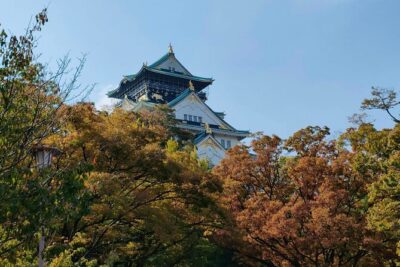
Ultimate Osaka Walking Tour: Castle, Dotonbori & Hidden Gems
Read our review →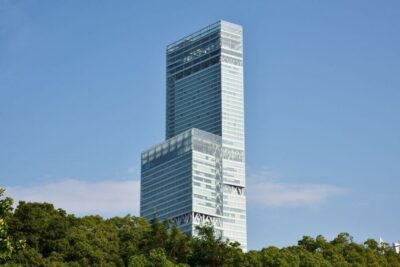
Main Sights and Hidden Spots Guided Walking Tour
Read our review →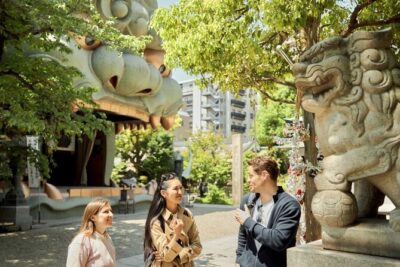
Private Osaka Walking Tour: Highlights & Hidden Gems
Read our review →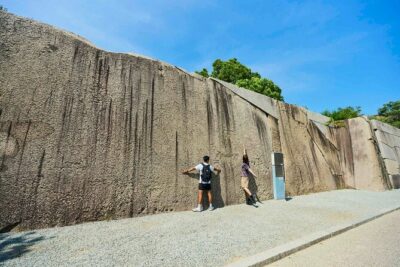
Osaka Castle Walking Tour and Castle Tower Admission
Read our review →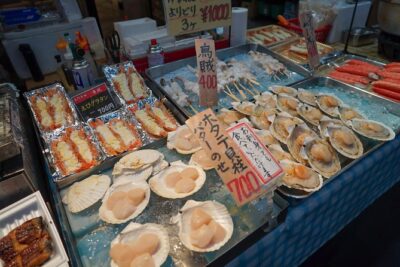
Kuromon Market Food Walking Tour in Osaka (6 stops, 6 tastes)
Read our review →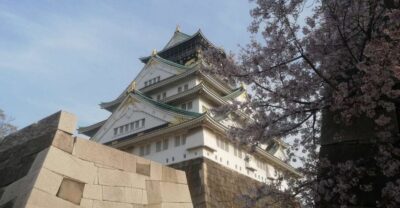
Five Must-See Highlights Walking Tour & Ramen Lunch
Read our review →This tour also fits