
Reviewed · 1-DAY TOURS
Osaka Private Day Trip – Enjoy Your First-Time Visit to Osaka!
Osaka in one day, without the guesswork. This private walking tour uses Japan’s public transport to stitch together modern and old Osaka fast, with major stops like Umeda Sky Building and Osaka Castle, plus Dotonbori, Shitennoji, and Shinsekai. What I like most is the English-speaking guide who puts history into context as you go, and the practical route that helps you see a lot without feeling lost. One thing to plan for: entrance fees, transport, and lunch are not included, and some spots may not take credit cards, so you’ll want cash.
Because it’s private, you get that “ask a question anytime” feel, not a crowded, follow-the-leader setup. Guides I’ve heard from here, like Josh and Lily, also sound flexible about pacing and adding stops when something matters to you. Still, if you want lots of deep storytelling all day, be clear early, since one bad fit can turn a guide into a human transit map.
You’ll walk quite a bit, and the itinerary finishes at a different place than it starts, specifically near Shin-Imamiya Station. Wear comfortable shoes and light layers, then let the tour handle the routing.
In This Review
- Key highlights at a glance
- How the day trip moves, using Osaka’s trains like a local
- Umeda Station: your morning launch point in Osaka’s main hub
- Umeda Sky Building viewpoint: 173m above Osaka
- Osaka Castle: museum-style history, not just walls and moats
- Dotonbori and the Glico sign: Osaka street theater at night energy levels
- Shitennoji Temple: 1,400 years old, with a rare pagoda climb option
- Shinsekai and Tsutenkaku: Osaka’s retro downtown vibe
- Price and budgeting: what you’re really paying for
- Guide quality and pacing: why your day can be amazing or merely fine
- Who this Osaka private day trip suits best
- Should you book this Osaka private day trip?
- FAQ
- How long is the Osaka private day trip?
- What is included in the price?
- Is this tour private or shared with other groups?
- Where do we meet, and where does the tour end?
- Do I need to bring cash?
- Can I customize the itinerary?
Key highlights at a glance
- Private day plan with your group only, so you’re not squeezed into someone else’s pace
- Public transport routing, great for first-time visitors who want it efficient
- Umeda Sky Building viewpoint option at 173m, with a big city panorama
- Osaka Castle museum-style visit, including armor and kimonos
- Iconic Osaka street scenes, from the Glico sign in Dotonbori to Tsutenkaku in Shinsekai
- Bring cash, since some stops don’t accept credit cards
How the day trip moves, using Osaka’s trains like a local
This is built for people who want to actually use Osaka instead of just seeing photos of Osaka. You’ll ride trains and subways between sights, which usually means faster travel and fewer headaches than trying to coordinate taxis all day.
The private format matters here. You can ask your guide what you care about and adjust the rhythm, and many guides on this route are known for keeping it fun while still explaining what you’re looking at.
There’s also a practical reality: not everything you see is “free.” Entrance fees, transportation costs, and your lunch are on you, and the tour runs long enough that you’ll want a realistic budget.
One more small planning tip: a few stops might be swapped if something is closed temporarily. It’s smart to treat the guide as the captain of the day, not just a person reading directions off a phone.
Other ways to spend a day in Osaka
- From Kyoto/Osaka: Kyoto Top Highlights 1-Day Guided Bus Tour★ 4.5 · 714 reviews
- Kyoto and Nara Day Trip from Osaka★ 4.0 · 175 reviews
- Hiroshima & Miyajima 1 Day Bus Tour with Bullet Train Tickets★ 4.5 · 105 reviews
- From Osaka: Hiroshima and Miyajima Day Trip by Bullet Train★ 4.6 · 83 reviews
- Amanohashidate & Ine Funaya Sightseeing Full Day Trip from Kyoto★ 4.5 · 62 reviews
Umeda Station: your morning launch point in Osaka’s main hub
You start around Osaka Station (Umeda area), a major terminal where multiple lines meet. If you’re new to Osaka, this is a good place to begin because the whole city’s train logic is right there at your doorstep.
This stop is short, basically a kickoff. But it’s valuable because it helps you understand the layout of the area before you start moving toward the sights.
Also, Umeda is the kind of district where you’ll see how Osaka handles crowd flow. Even if you’re not a transit nerd, it’s reassuring to get your bearings early.
Umeda Sky Building viewpoint: 173m above Osaka
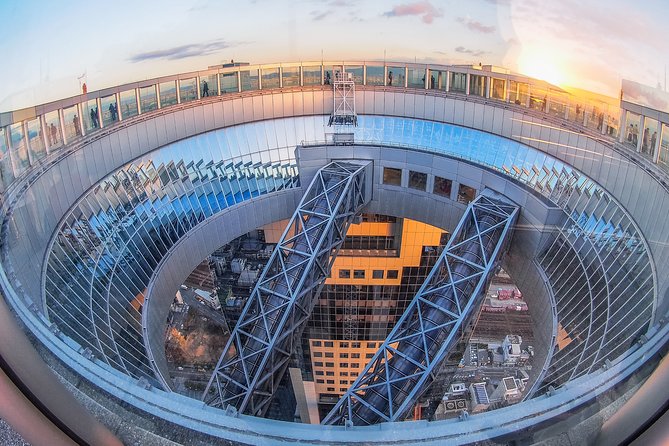
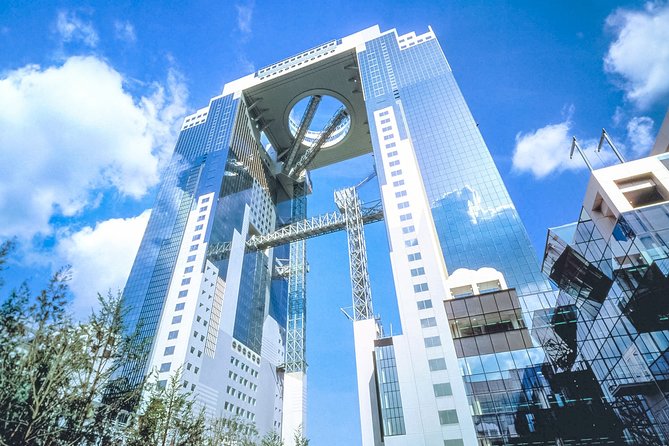
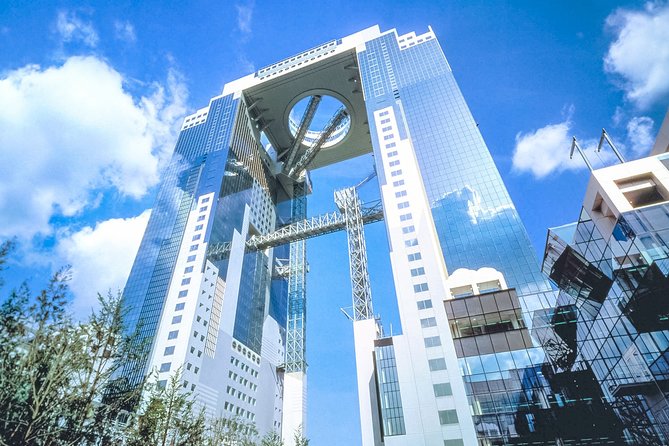
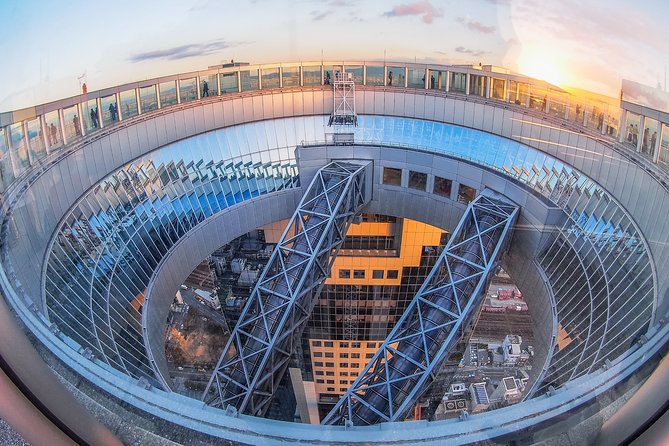
Next up is the Umeda Sky Building and its Kuchu Teien Observatory. This is one of Osaka’s most recognizable landmarks, thanks to its distinctive shape.
The key reason this stop works on a first visit is simple: you get a clean overview of the city layout from about 173 meters up. Then, when you later hit street-level neighborhoods like Dotonbori and Shinsekai, those earlier views help everything feel more connected.
Plan for the reality that admission isn’t included. If you’re budgeting tightly, this is still usually worth it because it gives you a “reset button” for orientation and photos.
If you’re prone to heights or long elevator lines, you might want to mentally prepare. But if you like skyline views, this is one of the best bets on the route.
Osaka Castle: museum-style history, not just walls and moats
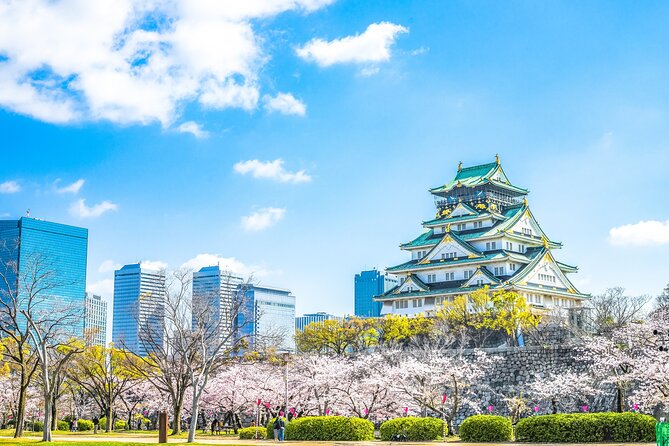
Then it’s on to Osaka Castle, one of the big names in Japan’s castle circuit. Right now, it functions as a museum, so you’re not only looking at architecture, you’re also learning about what was worn and built in different periods.
The standout detail here is that the museum helps you understand armor and kimonos from the time of the castle. That’s useful, because it turns the visit from “pretty place” into “meaningful place,” especially if you like cultural context.
Time-wise, you’ll have about an hour and a bit. That means you can enjoy the grounds and still take in key exhibits without turning it into a half-day project.
One drawback to watch: Osaka Castle can be a photo magnet, so you may spend a little time waiting for clear views. Still, the combination of iconic structure and indoor displays makes the stop feel like more than a quick photo stop.
Dotonbori and the Glico sign: Osaka street theater at night energy levels
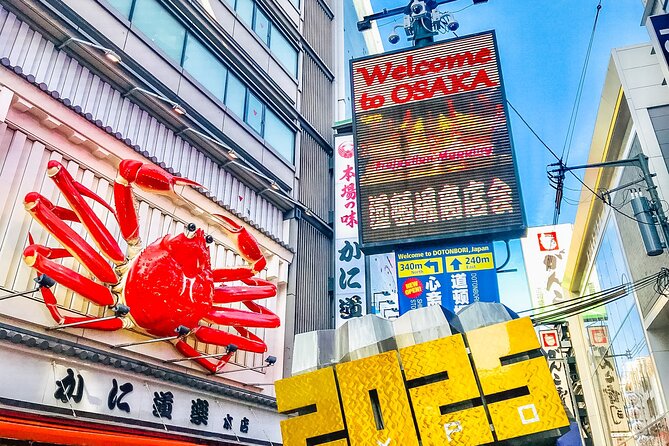
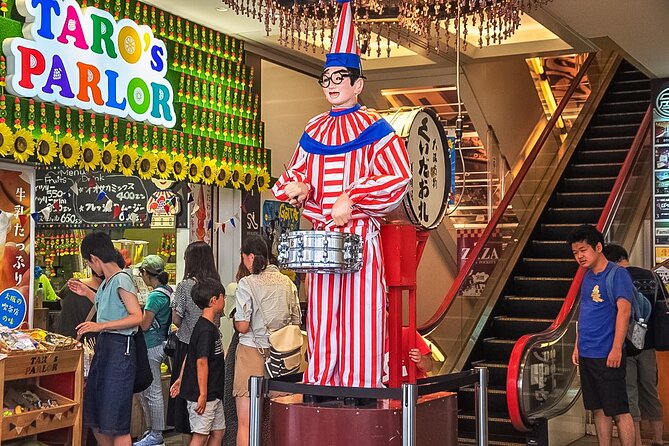
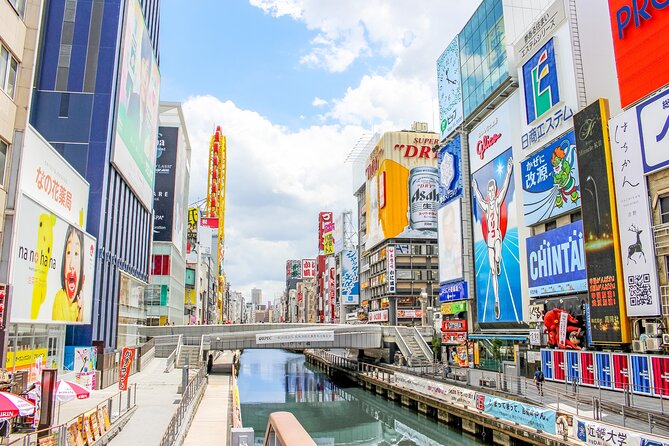
From the castle you shift to street-level Osaka at Dotonbori, the downtown area people associate with the city’s neon energy. You’ll get that classic moment in front of the Glico sign, which is practically the district’s logo.
This stop is short, but it’s the right kind of short. Think: quick orientation, good photos, and a feel for how the neighborhood sells itself through signs, storefronts, and constant activity.
If you like walking and people-watching, this is where the city’s personality comes through. If you prefer quieter cultural sites, you might find it a bit intense compared to temple and castle time.
Since admission is free and you’ll likely be tempted by snacks and drinks, this is also where your lunch decisions matter. The tour does not include lunch, so decide early whether you’ll eat nearby during this stretch or save it for later in the day.
Not ready to leave Osaka yet? A few more ways to fill the day.
- Osaka Go Karting Tour with Funny Costume
★ 5.0 · 2,658 reviews - Osaka Castle: Museum and Tower Entry Ticket
★ 4.5 · 2,380 reviews - Osaka: Shinsekai Food Tour with 13-15 Dishes at 5 Eateries
★ 4.8 · 2,204 reviews
Shitennoji Temple: 1,400 years old, with a rare pagoda climb option
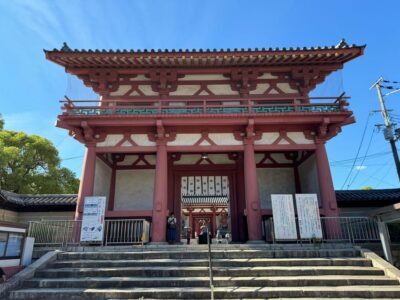
Next is Shitennoji, a temple with a claimed 1,400-year history. It’s also tied to early Buddhist arrival in Japan, and the tour highlights its status as the oldest architectural style in Japan.
This stop is one of the most meaningful contrasts on the day. You go from signage and street scenes to a place designed for reflection, slow walking, and noticing details.
The special hook is that you can climb the five-story pagoda, which is relatively rare compared with what you find at many other temple sites. If you want one stop that feels both historic and active, this is it.
Like most temple visits, it’s not about ticking boxes. It’s about spending enough time to actually look around and listen to what your guide points out as you go.
Plan for the possibility that the experience could involve steps and stairs. Comfortable shoes help here more than anywhere else on the route.
Shinsekai and Tsutenkaku: Osaka’s retro downtown vibe
Finally, the day lands in Shinsekai, a neighborhood known for restaurants and theaters, with that recognizable retro feel. At the center of it all is Tsutenkaku Tower, another Osaka icon that makes an easy photo focal point.
This is a fun wrap-up zone because it feels different from Dotonbori. Dotonbori is flashy street branding. Shinsekai is more old-school neighborhood mood, with lots of opportunities for casual browsing and quick bites.
The tour duration gives you about twenty minutes here. That’s not enough to fully explore the district deeply, but it is enough to understand why the area is beloved and to grab a few key photos.
The tour also ends near Shin-Imamiya Station, which is convenient for moving on to dinner plans or heading back to your hotel.
Price and budgeting: what you’re really paying for
At $138.05 per person, you’re not paying for a busload of entrances. You’re paying for two main things: a private guide and the time it takes to route you efficiently between multiple major stops.
Transportation fees, entrance tickets, and lunch are not included. That means your real total depends on what you choose at each paid site, especially Umeda Sky Building and Osaka Castle, plus Shitennoji if you decide on the pagoda climb.
A useful anchor is the standard estimate listed as 4,110 JPY per traveler for tour-related costs. Treat that as a baseline, not a promise, because entrance choices and what you eat can change the final number.
My advice: budget in yen in your day bag. This tour notes that some places don’t accept credit cards, so carrying enough cash avoids the awkward scramble for ATMs when you hit a ticket window or small local shop.
Guide quality and pacing: why your day can be amazing or merely fine
This is where the private format can work in your favor, but also where you should be a bit picky.
High praise tends to cluster around guides who:
- Keep the explanation tied to what you’re actually seeing
- Stay attentive to your pace and questions
- Use trains and subways smoothly, then help you end near your next transport
Guides like Ma-chan, Josh, and Lily were highlighted for being caring, efficient, and willing to include extra stops when something specific mattered to the group. That flexibility is a big part of the value on a day like this, because first-time visitors often don’t know what they want until they see it.
The main downside is also straightforward: if your guide is focused only on moving you spot-to-spot, the day can feel like transit with a label. If you care about stories and local context, tell your guide early. Ask questions at the start, not after you’ve walked past the interesting bits.
Who this Osaka private day trip suits best
This is a strong match if:
- You’re on a first trip to Osaka and want a highlight route in one day
- You prefer public transport over car-based tours
- You like a mix of big landmarks and real neighborhoods
- You want an English-speaking guide to connect the dots
It may be less ideal if:
- You hate walking and want fewer transitions
- You dislike crowds around major icons like Osaka Castle and central downtown areas
- You want a fully planned meal day, since lunch is not included
If you’re traveling as a couple, small family, or friends, the private format helps you move at a comfortable speed without losing time.
Should you book this Osaka private day trip?
I’d book it if you want your first Osaka day to feel structured but not rigid. The route hits the big names, then adds the character of Dotonbori and Shinsekai, and it does it with public transport that makes sense for independent travelers.
Book with a little budgeting realism. Entrance fees, lunch, and transport costs are on you, and some stops may require cash. If you’re okay planning for that, you’ll get a lot of city for one day.
Also consider the customizable option if you truly want a personal itinerary. The idea is to contact the guide about two weeks in advance so the plan fits your interests. If you want more context, more photos, or a different ending point, this is where you can shape the day instead of just receiving it.
FAQ
How long is the Osaka private day trip?
It runs for about 7 hours.
What is included in the price?
The tour guide and the private tour are included. Transportation fees, entrance fees, lunch, and other personal expenses are not included.
Is this tour private or shared with other groups?
It’s a private tour. Only your group participates.
Where do we meet, and where does the tour end?
You start at Osaka Station 3-chōme-1-1, Umeda, Kita Ward, Osaka. The tour ends near Shin-Imamiya Station.
Do I need to bring cash?
Yes. Some of the spots on the route do not accept credit cards, so bringing cash is a good idea.
Can I customize the itinerary?
Yes, there’s a customizable tour option. You’ll need to contact your guide about 2 weeks in advance to create a personalized itinerary. If you do not respond, the tour follows the standard itinerary.
Just added around Osaka

1-Day Tours, compared.
From Kyoto/Osaka: Kyoto Top Highlights 1-Day Guided Bus Tour
Read our review →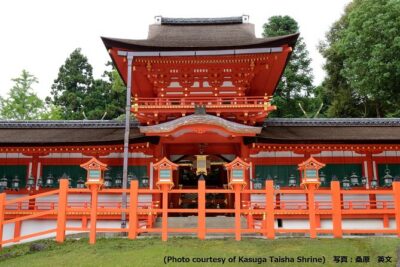
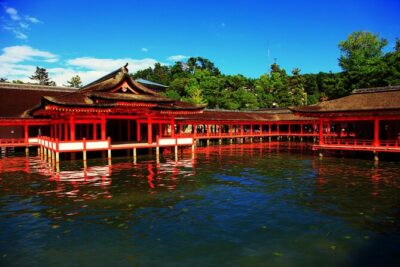
Hiroshima & Miyajima 1 Day Bus Tour with Bullet Train Tickets
Read our review →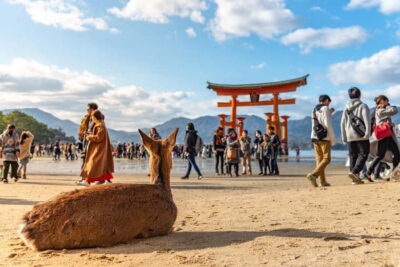
Hiroshima and Miyajima Day Trip by Bullet Train
Read our review →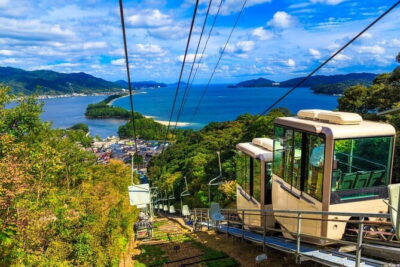
Amanohashidate & Ine Funaya Sightseeing Full Day Trip from Kyoto
Read our review →
Himeji Castle, Arima Onsen & Mt. Rokko: 1-Day Bus Tour from Osaka
Read our review →
This tour also fits