Reviewed · TOURS
Osaka: Small Group, Big Flavors & Hidden Local Secrets Tour
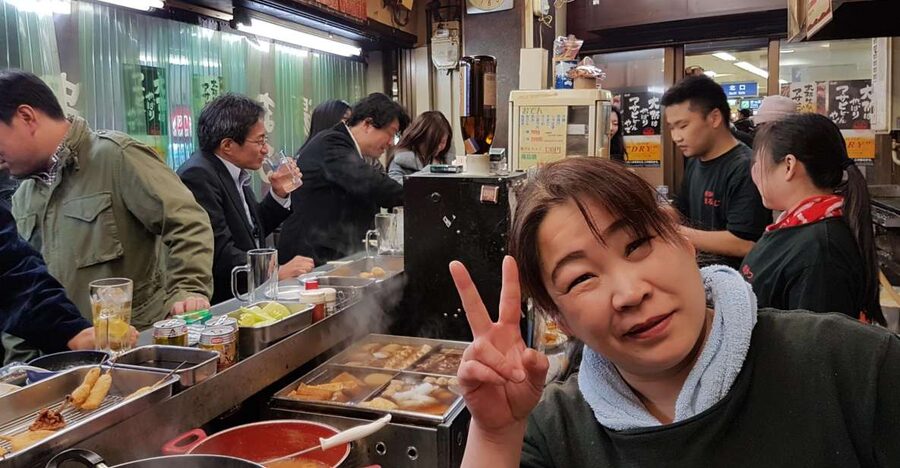
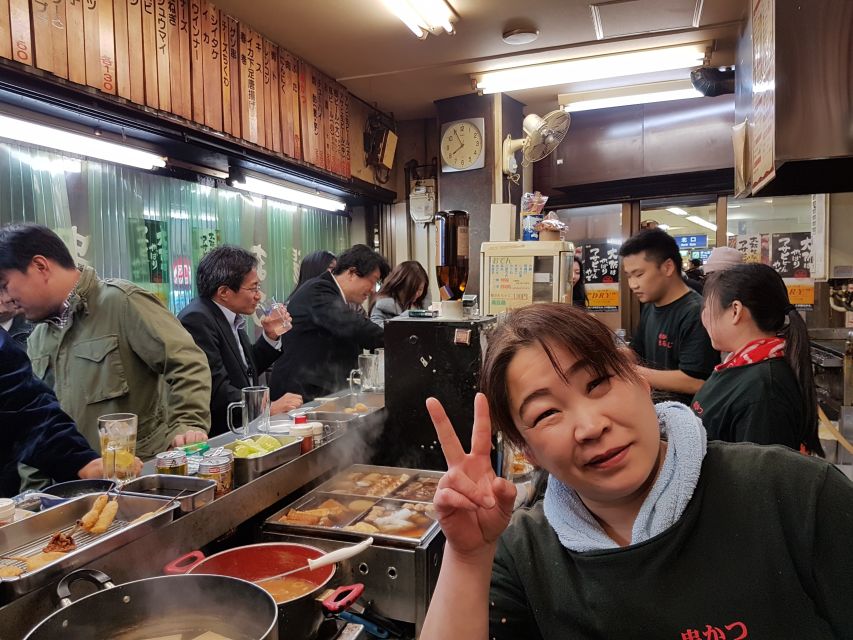
Osaka turns most tourists into neon tourists. This night tour shows the city’s real after-dark food culture, in lived-in streets where people actually eat and argue about what’s best. You bounce between Tenma and Kyobashi, guided by someone who can explain why the food matters, not just what it is.
Two things I really like: the max 6 guest group size, which keeps the pace human and the conversations real, and the 15+ dish tasting format, which is generous but not careless. A third big plus is the all-in feel, you get food, up to three included drinks, transit, and neighborhood stories in one smooth 3-hour evening.
One consideration before you go: the menu is a sample, so the exact dishes can change with season and restaurant availability. Plan for variety, not a guaranteed list.
In This Review
- Key Things That Make This Tour Worth Your Evening
- Osaka After Dark, Minus Dotonbori Neon
- Starting at McDonald’s Tenma Station, Then Walking Like a Local
- Tenma’s Narrow Lanes: Nostalgia Meets Market-Energy Eating
- Where Tenma can be awkward
- Restaurant Stop One and Two: Why Drinks and Small Plates Work
- The Short Train Hop: Osaka Changes in Minutes
- Kyobashi, the After-Work Playground: Lively Counters and More Tastings
- Price and Value: Why $94 Feels Like a Full Dinner
- The Guides Are the Secret Ingredient
- Who Should Book This, and Who Should Skip It
- Should You Book This Osaka Night Food Tour?
- FAQ
- Where is the meeting point?
- How long is the tour, and what size group is it?
- What is included in the price?
- Are alcoholic drinks included, and what are the age rules?
- Can the tour accommodate dietary restrictions?
- Are there any limits on who can join?
Key Things That Make This Tour Worth Your Evening
- Small group of up to 6 keeps it local and chatty, not factory-style touring
- 15+ tastings across Tenma and Kyobashi gives you range without rushing
- Two neighborhood contrasts show how Osaka’s personality shifts street to street
- Three restaurant visits with up to three drinks means you taste, sip, and learn in context
- Fuent, culturally aware guides like Ferdinand, Kevin, Ichiro, and Laura bring story + food into the same conversation
- No Dotonbori, no prefab stops focuses you on districts locals actually use
Osaka After Dark, Minus Dotonbori Neon
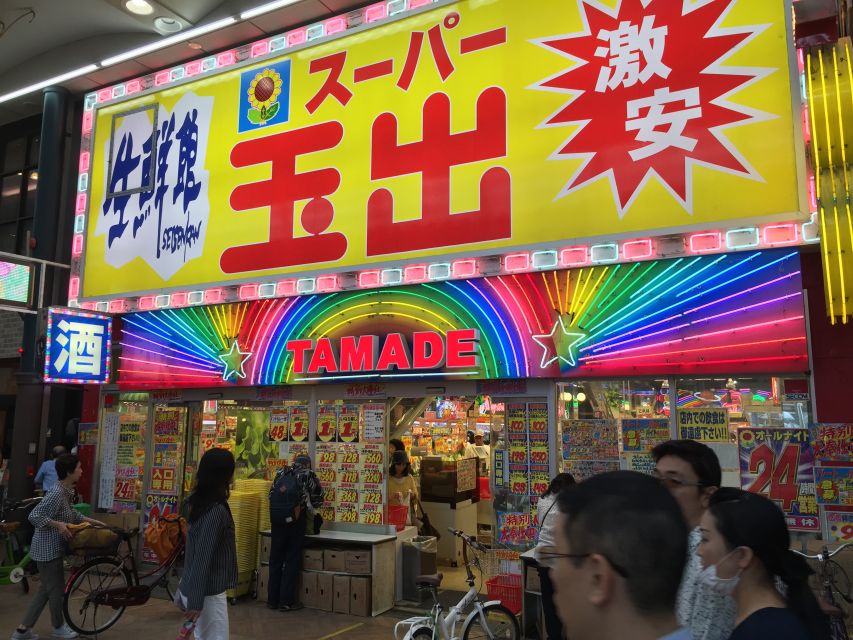
If you’ve only seen Osaka from the big-name streets, you’ve missed half the city. The best Osaka nights happen in neighborhoods where the sidewalks feel like part of someone’s daily routine. This tour leans into that idea hard, it goes where people go after work, for quick bites, casual drinks, and long conversations that start with food.
You also get a useful mental map. Tenma feels older and quieter in a nostalgic way, with narrow lanes and older storefronts. Kyobashi feels more electric and mixed, like a neighborhood where plans are made on the spot. That contrast is not just atmospheric, it changes what kinds of foods and drinks make sense, and it helps you understand why Osaka has earned its reputation for comfort food with backbone.
Osaka is Japan's kitchen, and Kyoto, Nara, and Himeji are all close enough for a day trip.
- Osaka Go Karting Tour with Funny Costume★ 5.0 · 2,658 reviews
- Osaka Castle: Museum and Tower Entry Ticket★ 4.5 · 2,380 reviews
- Osaka: Shinsekai Food Tour with 13-15 Dishes at 5 Eateries★ 4.8 · 2,204 reviews
- Osaka Food Tour: 13 Dishes at 5 Local Eateries★ 5.0 · 2,149 reviews
- Hungry Osaka Street Food Tour:15 Tastings & 3 Drinks with a Local★ 5.0 · 1,727 reviews
Starting at McDonald’s Tenma Station, Then Walking Like a Local
The meeting point is simple: McDonald’s Temma Station, right in Tenjinbashi, Kita-ku. You meet in front of the restaurant, and the guide uses that easy landmark to get everyone together fast. Then you head into the neighborhood on foot, which is where you start noticing the details big sightseeing buses miss.
Bring comfortable shoes. This is an evening built around walking, plus short transit between districts. The good news is the schedule keeps moving, you’re not stuck in one long stretch. The rhythm matters here because you’re tasting across the night, so pacing helps you stay hungry enough for the next stop.
One more practical note: the tour is for teens and adults (minimum 13+). Mildly adult topics are part of the conversation at times, and restaurant customers may be drinking even though the stops are not presented as bars. If you’re sensitive to that, it’s good to know ahead.
Tenma’s Narrow Lanes: Nostalgia Meets Market-Energy Eating
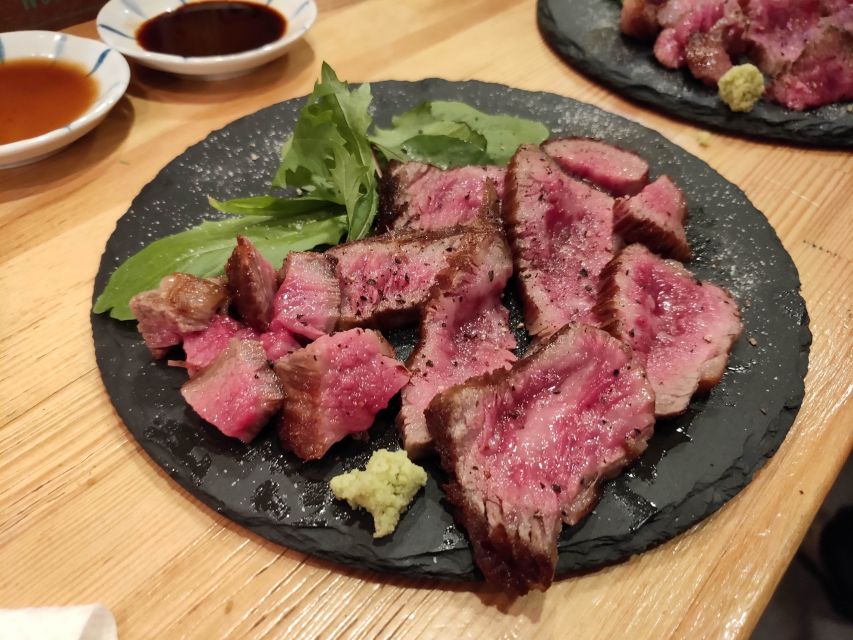
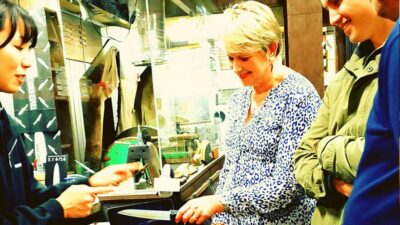
Your evening begins in Tenma, one of Osaka’s character-rich central districts. Expect narrow alleys, older storefronts, and a market vibe that feels less polished and more lived-in. This is the part of Osaka where you can almost see everyday life happening in real time.
The guided walk is about 45 minutes, and it’s not just route-finding. A strong guide turns those lanes into a story about the city, how neighborhoods formed, and why certain dishes and styles of eating stuck around. The best reviews read like this exact pattern, guides such as Ferdinand and Damian are praised for mixing neighborhood background with clear, friendly explanations, so you can connect what you see to what you eat.
Then you get your first restaurant stop. This matters because Tenma is easier to understand once you taste. The flavors hit right away, and you start learning how Osaka talks about food: casual, direct, and not overly precious. You’re not only eating, you’re learning what locals pay attention to.
Where Tenma can be awkward
Tenma is full of narrow lanes. If you have mobility limits, walking may be a challenge. Also, because this is a real neighborhood, it can be crowded near popular spots. Comfortable pace and shoes are the real make-or-break factors.
Restaurant Stop One and Two: Why Drinks and Small Plates Work
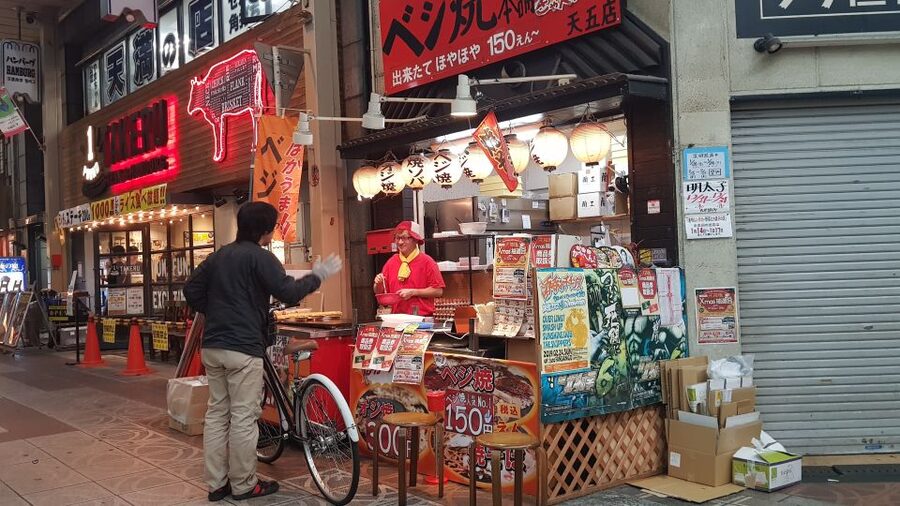
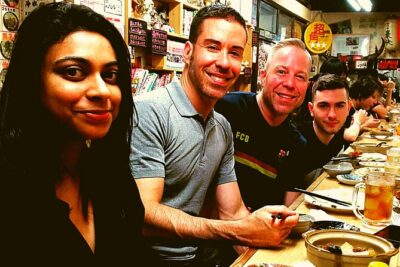
The tour uses three restaurant visits, each one around 30 minutes. Up to three drinks are included, and you can choose alcoholic or non-alcoholic at each stop. The point is not alcohol, it’s pace and context. Food tastes different when you’re in the right setting, and drinks are a big part of Osaka’s casual dining culture.
Stop one includes options like beer, cocktail, or spirits, and it’s an easy entry. You get that first included drink without feeling like you need to order like a pro. And then you start sampling multiple curated dishes. The tasting size is intentionally generous, described as like a full dinner’s worth of food across the tour.
Stop two includes options like beer, spirits, or tea. That swap to tea is actually smart for a night like this. If you want to keep your energy steady, tea can do the job of a reset between tastings. If you prefer alcohol, you still get a guided, low-pressure way to try it with food.
Across both Tenma stops, the focus is on what dishes reveal about everyday life. Osaka is famous for comfort food, but this tour pushes beyond “comfort” into personality: humor in the way dishes get paired, history in how certain flavors earned their place, and habit in how people choose what to order without overthinking it.
From the reviews, one recurring theme is that guides adjust what you’re offered based on your comfort level. People mention getting adventurous selections, but also being steered toward dishes that fit the group. If you tell your guide you want to be more bold with tastes, you’re more likely to get that mix. Just remember you’re still in a normal restaurant environment, so the guide is balancing the goal of exploration with what’s reasonable to serve and eat.
Not ready to leave Osaka yet? A few more ways to fill the day.
- Osaka: Tea Ceremony Experience
★ 4.9 · 1,426 reviews - Osaka Kickstart: Hotspots & Hidden Gems Tour
★ 5.0 · 1,306 reviews - Deep Backstreet Osaka Tours (Option to add Dinner)
★ 5.0 · 1,290 reviews
The Short Train Hop: Osaka Changes in Minutes
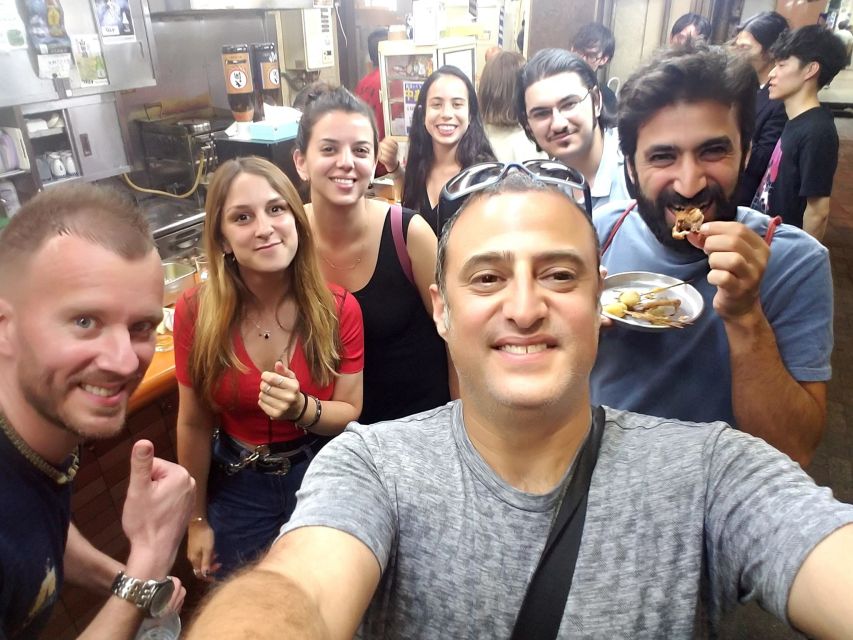
Between Tenma and Kyobashi, you take a short local train hop. It’s quick, roughly 3 to 4 minutes on the local train, with about 10 minutes total set aside in the schedule for transit.
This is one of my favorite parts of the format. You’re not doing a big out-of-the-way commute, so the night stays efficient. But you still get that real “now we’re somewhere else” feeling. Osaka changes fast, and the train hop acts like a reset button for both your stomach and your curiosity.
Kyobashi, the After-Work Playground: Lively Counters and More Tastings
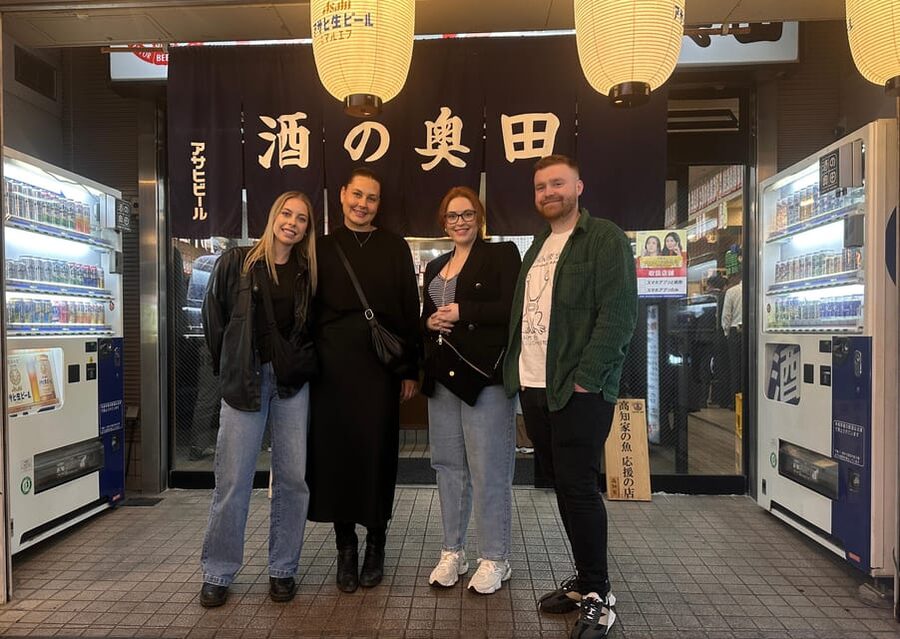
After the train, you spend about 20 minutes walking with the guide in Kyobashi. This district has a different pulse than Tenma. Where Tenma feels nostalgic and slightly weathered, Kyobashi feels lively and eclectic, like a classic after-work zone where conversations spill toward the street.
That matters because your final tastings land better in Kyobashi’s vibe. Your guide sets you up to notice what locals look for: the kind of small counters people choose, the casual confidence of ordering, and the way the neighborhood feels like it has an internal schedule for when you eat and unwind.
You also get at least five more dishes in Kyobashi. The tour’s total tasting count is 15+, spread across both districts. So by the time you reach the end, you should feel you’ve seen two different Osaka “modes” rather than just visited more restaurants.
The final stop in Kyobashi is another 30 minutes, with options such as beer, cocktail, or spirits again. By then you’re not only eating, you’re collecting those little insights that make future meals in Osaka feel smarter. You start to notice what kind of dish you like more, how you prefer to pair flavors, and what you want to hunt down on your own the next day.
Price and Value: Why $94 Feels Like a Full Dinner
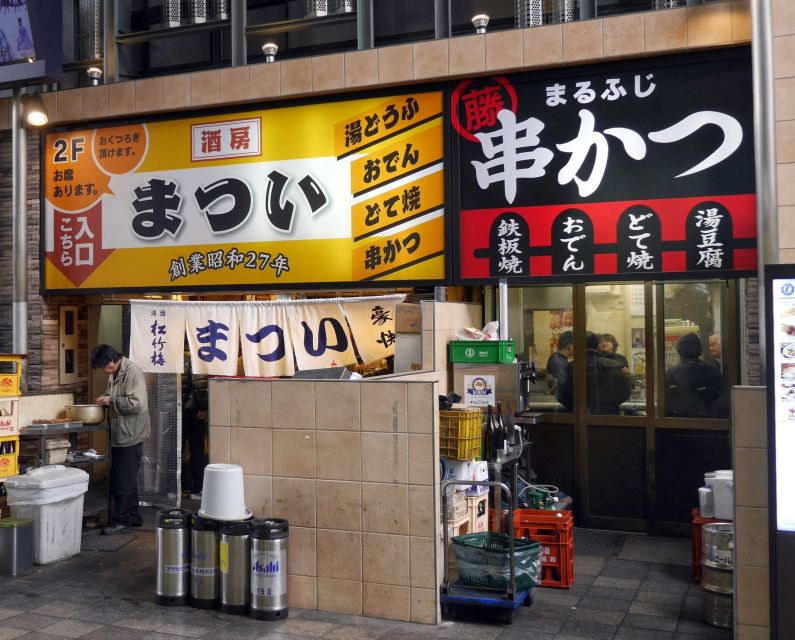
At $94 per person for a 3-hour evening, the question is simple: does this feel like enough food and enough experience for the money?
Here’s the value breakdown that makes it work:
- You get a full dinner’s worth of food (not tiny samples with one or two bites each).
- You have three restaurant visits, which reduces the risk of one weak stop ruining the night.
- You get train fare included, even though it’s short.
- You’re covered for up to three drinks, one at each stop.
That last part matters. In Japan, adding drinks quickly adds up, and the info here is clear that extra drinks are usually around 500 yen each, paid directly at the restaurant. By including the first drink at each stop, the tour keeps you in the experience rather than nickel-and-diming your night.
It also helps that the group stays small. With up to 6 guests, you get more direct interaction with the guide. You ask questions, get explanations right away, and your guide can keep the pace aligned with the group’s comfort level with food.
One more value point from the tour info: if you’re a solo traveler and the minimum group size isn’t met, the provider offers an alternate date, a 3000 yen solo supplement, or a full refund. That reduces the common “solo tax” anxiety, and it means you still have options if dates don’t line up.
The Guides Are the Secret Ingredient
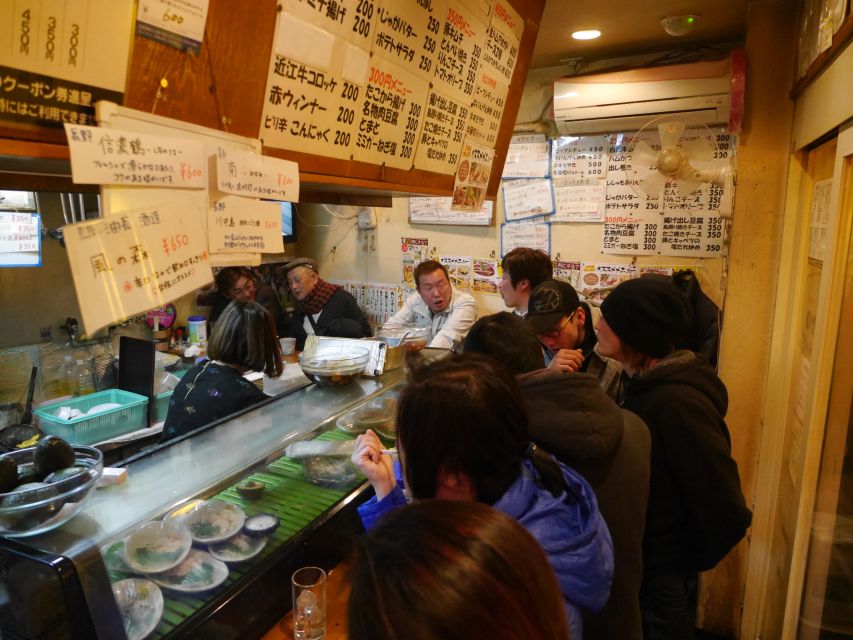
Food tours live or die by the guide. The strongest reviews repeatedly mention guides who are funny, friendly, and quick with context. You’ll see names like Ferdinand, Ichiro, Kevin, Damian, Bryan, Laura, Jamie, Kevin, and Oisín showing up in high ratings. That’s not just name recognition. It’s a clue that the guides here tend to do two things well:
- Explain what you’re eating and why it belongs to the neighborhood.
- Keep you comfortable asking questions, including questions that go beyond food.
You also get multiple languages offered, Spanish, French, and English. If language comfort matters to you, this is one of the easiest ways to make sure you don’t miss half the meaning while tasting.
Finally, there’s a recurring theme that guides lead you to places you’d be unlikely to try on your own. That’s the real payoff in Osaka. You can walk around for years and still miss whole pockets of where people eat.
Who Should Book This, and Who Should Skip It
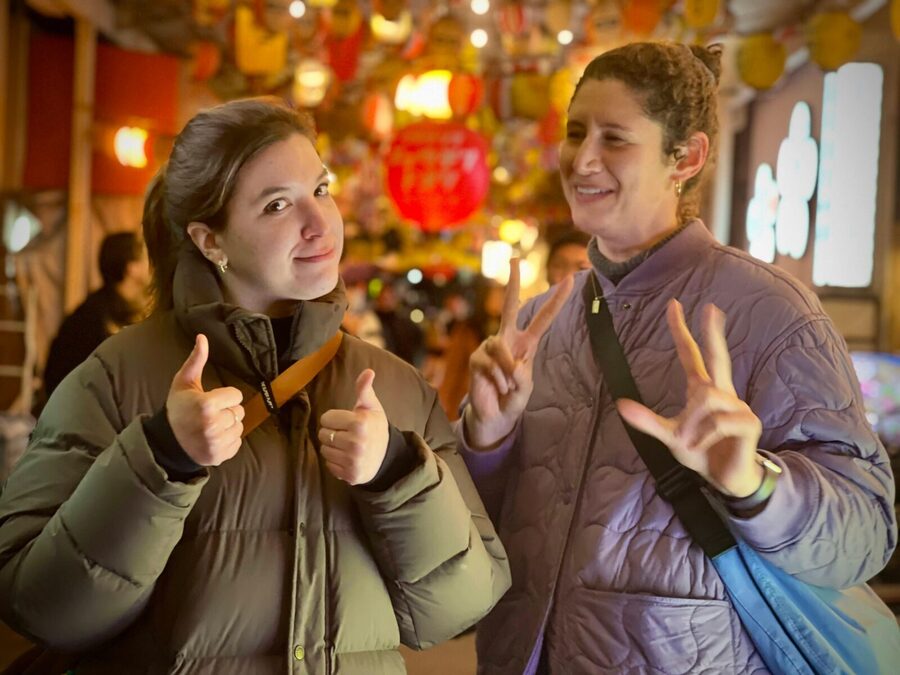
This tour is a strong match if you want:
- A local nightlife feel without chasing the biggest neon streets
- A night that mixes food and neighborhood storytelling
- A small group setting where you can actually talk to your guide
It’s also a good pick for people who like structured exploration. You get three restaurant stops, you get a train hop, and you get a planned pacing that helps you fit in a full dinner experience in just 3 hours.
You might skip it if:
- You need wheelchair-friendly access. This tour is noted as not suitable for wheelchair users.
- You want a kid-friendly outing. The minimum age is 13+ and the tour includes mildly adult topics.
- You’re not up for walking. Comfortable shoes are recommended for a reason.
On dietary needs, the info is reassuring: dietary restrictions can be accommodated if notified in advance. You’re also told the menu is a sample and may change, which is helpful because it means the provider has room to adapt for availability and season.
Should You Book This Osaka Night Food Tour?
I’d book this if you want Osaka that feels lived-in, not staged. The combination of two contrasting districts, up to three included drinks, and 15+ tasting dishes for a straight-forward evening plan is exactly the kind of value that makes a food tour worth your time.
Choose it especially on an early night if you want future meals to feel easier. After this, you’ll understand the city’s logic: which neighborhoods suit which mood, how locals think about ordering, and why some dishes keep getting served long after the hype fades.
If you’re cautious about uncertain menus, accept that the exact dishes can shift. If you’re open to variety, you’ll likely have a very satisfying night where food does the talking, and your guide helps you read the city between bites.
FAQ
Where is the meeting point?
You meet in front of the McDonald’s at Temma Station. The address listed is 4-chōme-12-1 Tenjinbashi, Kita-ku, Osaka, 530-0041, Japan.
How long is the tour, and what size group is it?
The tour runs for about 3 hours. It’s designed as a small group experience with a maximum of 6 guests.
What is included in the price?
Food is included (described as a full dinner’s worth), and you have 3 restaurant visits. You also get up to three drinks, with one included at each restaurant stop, plus train fare between the neighborhoods.
Are alcoholic drinks included, and what are the age rules?
Alcoholic drinks are available at the stops, and up to three drinks are included. The minimum drinking age in Japan is 20 years old, and the tour is for participants aged 13+.
Can the tour accommodate dietary restrictions?
Yes. Dietary restrictions can be accommodated if the provider is notified in advance. The menu is also described as a sample, and it may change based on season and restaurant availability.
Are there any limits on who can join?
The tour is not suitable for children under 13 years, and it is not suitable for wheelchair users.
Just added around Osaka
Tours, compared.
Shinsekai Food Tour with 13-15 Dishes at 5 Eateries
Read our review →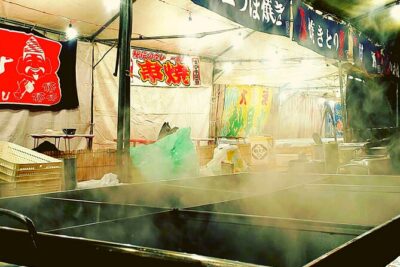
Osaka Food Tour: 13 Dishes at 5 Local Eateries
Read our review →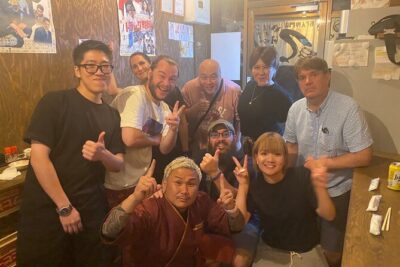
Hungry Osaka Street Food Tour:15 Tastings & 3 Drinks with a Local
Read our review →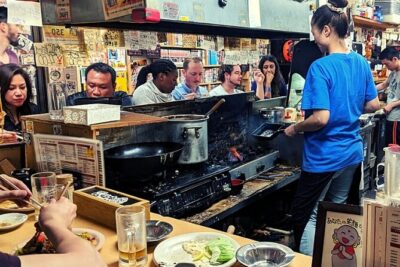
Deep Backstreet Osaka Tours (Option to add Dinner)
Read our review →
Osaka Local Foodie Walking Tour in Dotonbori and Shinsekai
Read our review →