Reviewed · FOOD & DRINK
Osaka: Traditional Mochi Pounding Experience with Tasting
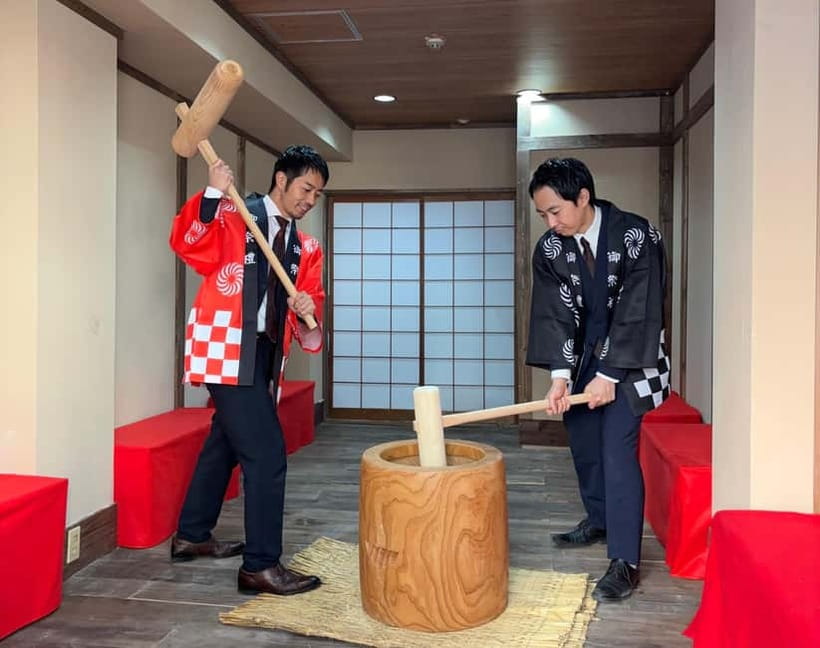
Mochi starts with a satisfying thump. This 1-hour mortar-and-pestle experience in Osaka turns steamed glutinous rice into real chewy mochi, then lets you actually taste what you made with classic seasonings. Two things I especially like: the hands-on feel (you do the work, not just watch), and the short history intro that gives meaning to the ritual without dragging on.
One consideration: the entrance is on the river/canal side, and it can take an extra minute or two to spot it, so don’t plan to arrive right at the last second. Once you’re in, the hosts you might meet, like Seina, Taka, Misaki, Moe, Grace, Pari, or Aiko, keep it friendly and keep the energy up in English and Chinese.
In This Review
- Key things to know before you go
- Entering the room: the 10-minute mochi history that makes it click
- From glutinous rice to mochi dough: what your hands are doing
- Pounding time: the small-group setup that keeps it fun
- Rolling and shaping: turning dough into something you can taste
- Tea, toppings, and the moment it becomes dessert
- Price and value: why $31 feels reasonable for this kind of experience
- Where to meet: river entrance details that save time
- What to wear and how to plan your hour
- Who should book this Osaka mochi class (and who should think twice)
- Booking the Osaka mochi pounding experience, my quick decision guide
- FAQ
- How long is the mochi pounding experience in Osaka?
- What does the price include?
- Is transportation included?
- How big is the group?
- What ages can participate?
- What languages do the instructors speak?
- Can I cancel for a refund?
Key things to know before you go
- Small group of up to 4, so it stays personal and you get time at the tools
- 10-minute history intro, then straight into hands-on pounding and forming
- Fresh mochi tasting with multiple classic toppings, plus tea
- Family-friendly options, including a family plan for all ages and an adult plan (13+)
- Photo help is common, so solo visitors are not stuck taking pictures awkwardly
Entering the room: the 10-minute mochi history that makes it click
The class starts with a quick 10-minute introduction to mochi pounding and why it matters in Japan. It is not a lecture marathon. You get the basics, the cultural significance, and enough context to understand what you are doing with your own hands.
I like this format because it solves a common problem with cooking classes in Japan. If you only pound rice with zero background, it can feel like a gimmick. With this setup, you get the story in time to make the ritual feel real, not just fun.
You’ll also get to understand the difference between mochi as a general idea and mochi as something with technique. Even if you’ve tasted mochi before, the process you’re about to do changes how you think about texture, stickiness, and the timing of steps.
Other ways to spend a day in Osaka
- Osaka: Shinsekai Food Tour with 13-15 Dishes at 5 Eateries★ 4.8 · 2,204 reviews
- Osaka Food Tour: 13 Dishes at 5 Local Eateries★ 5.0 · 2,149 reviews
- Hungry Osaka Street Food Tour:15 Tastings & 3 Drinks with a Local★ 5.0 · 1,727 reviews
- Hungry Osaka Street Food Tour: 15 Dishes & 3 Drinks★ 4.9 · 694 reviews
- Kuromon Market Food Walking Tour in Osaka (6 stops, 6 tastes)★ 5.0 · 550 reviews
From glutinous rice to mochi dough: what your hands are doing
After the intro, the work begins. You start with steamed glutinous rice, and then you move into the pounding phase using traditional tools (a mortar and pestle setup). Expect a hands-on rhythm: mush first, then pound, then form.
A few details help you manage expectations:
- The rice is intentionally sticky, because that is the point of the texture.
- Your arms and hands will get a workout, especially during the pounding part.
- You’ll be guided while you do the steps yourself, so you are not left guessing.
This is where the class earns its value. You get the satisfying moment of turning something simple into something unmistakably mochi, without needing to own the tools or repeat the process at home.
If you’re coming with kids, the pace is built for participation. Reviews also point out that the workshop can adapt for mixed groups, including young children plus adults, so the activity does not become a one-size-fits-all test of endurance.
Pounding time: the small-group setup that keeps it fun
Because the group is limited (up to 4 participants), you are not stuck waiting your turn for ages. That matters with an activity like this. Mochi pounding is physical and hands-on, so short waits make the whole experience feel lively instead of slow.
Guides typically steer you through the technique, and you can get help if your timing is off. This is also the part where the social vibe shines. Solo visitors can participate without feeling singled out, and couples or friends usually bounce between laughing and concentrating, because the dough is both sticky and cooperative.
One practical tip: plan for stamina. Multiple people mention you really do need to keep going, even though the class is only an hour. If you have joint issues or fatigue easily, keep that in mind and go in with a realistic attitude. You will still get to do the process, but the class is not designed to be effortless.
Rolling and shaping: turning dough into something you can taste
Once the pounding and mushing phase is under control, you move to shaping. This is the step where mochi shifts from messy fun to edible form, and where you start seeing your finished result take shape.
What I like here is that you’re not just making one bite. The class is structured so you can create and then sample your mochi with several toppings. That means your efforts pay off multiple times, and you leave feeling like you did more than one small snack.
Also, shaping helps you learn the texture difference. When you handle mochi yourself, you quickly understand why mochi has that signature chew and why it can be so satisfying warm or freshly made.
Tea, toppings, and the moment it becomes dessert
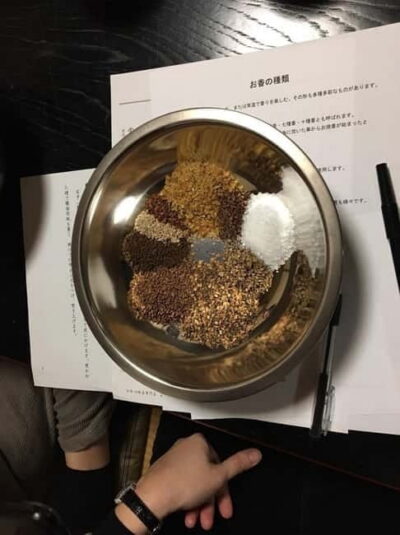
The tasting portion is where most people get the payoff. You enjoy freshly pounded mochi with classic Japanese seasonings and a cup of tea. The topping lineup you can expect includes:
- Kinako (roasted soybean flour)
- Sweet red bean paste
- Nori
- Sweet soy sauce
In plain terms, this is a smart set of flavors. You get nutty, sweet, savory, and seaweed notes so you can build a quick personal ranking. If you think you don’t like red bean paste, you may still enjoy it in this format because the mochi texture and pairing matter. Some people also specifically note that their preferences changed after trying toppings with the mochi.
And yes, it is easy to leave thinking you should skip a later dessert stop. The class is filling, and the experience is designed so you are not simply sampling one tiny piece.
Not ready to leave Osaka yet? A few more ways to fill the day.
- Osaka Go Karting Tour with Funny Costume
★ 5.0 · 2,658 reviews - Osaka Castle: Museum and Tower Entry Ticket
★ 4.5 · 2,380 reviews - Osaka: Tea Ceremony Experience
★ 4.9 · 1,426 reviews
Price and value: why $31 feels reasonable for this kind of experience
At about $31 per person for a 1-hour activity, the value depends on what you want from Osaka.
If your goal is a quick photo stop near Dotonbori, this is not the right purchase. But if you want a short, guided, hands-on food experience with multiple tasting bites, it is fairly priced. You’re paying for:
- Instructor guidance while you work with traditional tools
- All necessary ingredients and materials
- A guided cultural intro
- A tasting session with several classic toppings and tea
Small group size also supports the price. When up to 4 people are in the room, you are more likely to get real participation and less waiting. For food classes, time at the tools is the product, and this format protects that.
Where to meet: river entrance details that save time
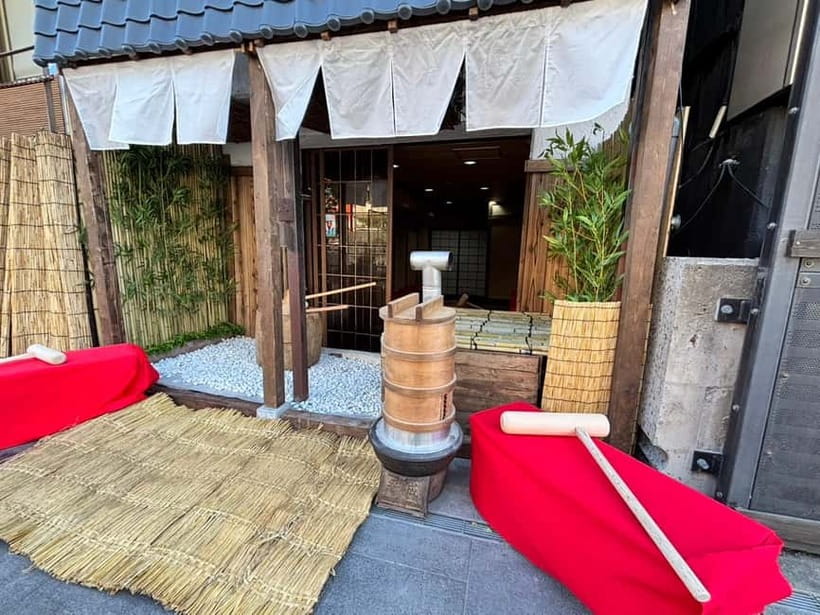
Meeting point can vary based on your option, so confirm where you need to go after booking. That said, multiple accounts describe a common pattern: the entrance is along the river/canal side, not on the main Dotonbori street.
If you’re orienting yourself near Dotonbori, approach from the canal side and look carefully for the entrance. Some people report needing to use nearby landmarks like a handwritten sign at an entrance along a parallel street. In other words, give yourself a few extra minutes and slow down when you think you found it.
Also, the activity location is described as central and easy to find once you know what side of the street to check. With that small planning step, the logistics stop being stressful and start feeling smooth.
What to wear and how to plan your hour
This is a hands-on workshop, so wear comfortable clothing you don’t mind getting a little doughy or warm from working. The activity runs year-round, so you’ll want layers in colder months and something breathable in summer.
Because it is only 1 hour, plan your day around the activity timing. It’s a good mid-day or early evening choice when you want food as part of the program, without losing half a day to travel and wait time.
Also, go in with the understanding that you’ll likely be full after tasting multiple mochi creations. It works well as a snack-meets-dessert experience, not a light demo.
Who should book this Osaka mochi class (and who should think twice)
This is a great fit if you:
- Want a hands-on cultural food activity that’s short and structured
- Like learning a bit of history, then doing the real work
- Travel as a solo person and want a small, friendly group setting
- Are visiting with family and need an activity that keeps kids engaged
It’s also a smart choice if you’re food curious but not trying to turn your day into a multi-stop meal. The class includes the tasting and tea, so you can walk away satisfied without hunting for dessert afterward.
You might think twice if you:
- Have limited hand stamina or mobility needs, since pounding is physical
- Hate the idea of sticky food textures (even if it’s delicious)
Booking the Osaka mochi pounding experience, my quick decision guide
Book it if you want the best kind of souvenir, something you can eat while you learn. The combination of hands-on mochi pounding, a short cultural intro, and a tasting with several toppings makes the experience feel worth your time in Osaka.
Skip it if you prefer passive activities, or if you only want a quick stroll and photos. This class is built around participation, and you’ll enjoy it most when you’re ready to get your hands into the process.
FAQ
How long is the mochi pounding experience in Osaka?
The experience lasts 1 hour.
What does the price include?
The price includes the guided mochi pounding experience, all necessary materials and ingredients, and a tasting session with traditional Japanese seasonings. Instruction is provided by experienced guides.
Is transportation included?
No. Transportation to and from the activity location is not included.
How big is the group?
This is a small group limited to 4 participants.
What ages can participate?
There are two options: an Adult Experience for ages 13 and up, and a Family Experience welcome for all ages.
What languages do the instructors speak?
The instructor is listed as English and Chinese.
Can I cancel for a refund?
Yes. Free cancellation is available up to 24 hours in advance for a full refund. There is also a reserve now and pay later option indicated.
Just added around Osaka


Food & Drink, compared.

Shinsekai Food Tour with 13-15 Dishes at 5 Eateries
Read our review →
Osaka Food Tour: 13 Dishes at 5 Local Eateries
Read our review →
Hungry Osaka Street Food Tour:15 Tastings & 3 Drinks with a Local
Read our review →
Hungry Osaka Street Food Tour: 15 Dishes & 3 Drinks
Read our review →
Kuromon Market Food Walking Tour in Osaka (6 stops, 6 tastes)
Read our review →
Guided Food Tour with 12 Dishes at 4 Local Eateries
Read our review →