
Reviewed · WALKING TOURS
OSAKA Walking Tour [Customize Your Itinerary]
Osaka clicks into place with a private guide. I like how this tour is truly customizable, and you get hotel pickup and drop-off for a smooth start. The main drawback to plan around is that most of the big attractions have entrance fees not included, so your final budget will depend on what you choose to go into.
What makes this experience feel different is the back-and-forth before you even arrive. You share what you care about most, the team proposes a draft route, then you fine-tune it. Even on the day, you can adjust the plan with your guide, as long as you watch the clock, because extra charges may apply if you run long.
In This Review
- Key moments that make this Osaka private tour work
- Private VIP pacing, pickup included, and real flexibility
- How the price breaks down when you actually compare it
- Your day in Osaka Castle, big landmark first
- Kuromon Market: where your food questions get answered fast
- Cup Noodle Museum Osaka Ikeda: a hands-on souvenir stop
- High-rise views at Harukas 300 and Umeda Sky Building
- Shinsekai at Tsutenkaku, Osaka’s pre-war nostalgia
- Minami shopping streets: Shinsaibashi-suji to Namba
- Namba Yasaka Shrine and Sennichimae kitchenware street
- Dotombori: food streets and classic Osaka sights
- Culture time at Shitennoji and Sumiyoshi Taisha
- Optional add-ons: Solaniwa Onsen and Universal Studios Japan
- Getting around during the day: what the tour covers, and what you pay
- Who this Osaka private tour fits best
- Should you book this Osaka Walking Tour?
- FAQ
- How many people can be in a group?
- How long is the private Osaka walking tour?
- Is hotel pickup and drop-off included?
- Are entrance fees included for places like Osaka Castle or Harukas 300?
- Can I change the day plan on the spot with the guide?
- What is included versus not included in the price?
- What is the cancellation policy?
Key moments that make this Osaka private tour work
![OSAKA Walking Tour [Customize Your Itinerary] - Key moments that make this Osaka private tour work](https://v.exploringosaka.com/wp-content/uploads/osaka-walking-tour-customize-your-itinerary-1.jpg)
- A VIP private guide for about 8 hours, so you are not stuck with a one-size-fits-all group pace
- Customize Your Itinerary process: you propose preferences, get a draft, then revise and finalize
- Pickup and drop-off are included, so you spend less time figuring out transit logistics
- Flexible stop mix, from Osaka Castle and Kuromon Market to high-rise views and shrine visits
- Optional add-ons like Cup Noodle Museum, Solaniwa Onsen, or Universal Studios Japan
- Tour management support, including recommendations and help with reservations when needed
Private VIP pacing, pickup included, and real flexibility
![OSAKA Walking Tour [Customize Your Itinerary] - Private VIP pacing, pickup included, and real flexibility](https://v.exploringosaka.com/wp-content/uploads/osaka-walking-tour-customize-your-itinerary-2.jpg)
This is a private VIP walking tour built around control. You and your group shape the day. The provider frames it as a Customize Your Itinerary experience, and the mechanics matter: you share travel desires and special requests, they return a draft day plan, then you revise it until it fits your interests.
I especially like that this is not just “meet and go.” The team helps with recommendations, and it is also designed to manage details so you can focus on walking, eating, and looking around. With an 8-hour day, that means fewer stressful choices like which station to use or whether you should wait for the next train.
One more practical point: hotel pickup and drop-off are included, and there is also a mobile ticket. That reduces friction at the start and end of your day, which is a big deal in a city like Osaka where neighborhoods are close, but transit can still feel like a puzzle when you are trying to stay on schedule.
Other ways to spend a day in Osaka
- Osaka Local Foodie Walking Tour in Dotonbori and Shinsekai★ 5.0 · 985 reviews
- Osaka: Deep Backstreets Walking Tour with Dinner Option★ 4.9 · 902 reviews
- Ultimate Osaka Walking Tour: Castle, Dotonbori & Hidden Gems★ 5.0 · 862 reviews
- Osaka: Main Sights and Hidden Spots Guided Walking Tour★ 4.9 · 702 reviews
- Private Osaka Walking Tour: Highlights & Hidden Gems★ 5.0 · 569 reviews
How the price breaks down when you actually compare it
The price is $341.22 per group (up to 5 people) for about 8 hours. If you travel as a full group of five, that works out to roughly $68 per person before you consider entrance fees and any paid transit you might use during the day.
Why that can still be good value: you are paying for a private guide plus tour management support, and you are also getting hotel pickup and drop-off. For families or friends who want to avoid wasting time bargaining for “good enough” tours, the cost can look fair fast.
The catch is also clear from what is included and not included. Entrance fees are not included, meals are not included, and public transportation fees are not included. So the smarter way to look at the price is as a base cost for the guide and logistics. Your total day cost will depend on whether you go into places like Osaka Castle, Cup Noodle Museum, Harukas 300, or Universal Studios Japan.
Also note: extra charges may apply for over-time service. That means your best planning move is to pick a few “must-go” stops and let the rest become optional.
Your day in Osaka Castle, big landmark first
Osaka Castle is the classic starting point for a reason. It is one of Japan’s most famous landmarks, and it played a major role in unification during the 16th century in the Azuchi-Momoyama period. Walking up to it gives you immediate context for why this part of Osaka matters.
You have about 2 hours here, and admission is not included. That timing feels right. Even if you only go inside for a portion, you still get enough time for the grounds, views, and a calm introduction to the area. If you are the type who likes photos but also likes to read signs, 2 hours gives you breathing room.
Practical tip: if you plan to pack in high-rise views afterward, choose comfortable shoes. Osaka Castle is not a “one photo and done” stop unless you are moving super fast.
Kuromon Market: where your food questions get answered fast
![OSAKA Walking Tour [Customize Your Itinerary] - Kuromon Market: where your food questions get answered fast](https://v.exploringosaka.com/wp-content/uploads/osaka-walking-tour-customize-your-itinerary-4.jpg)
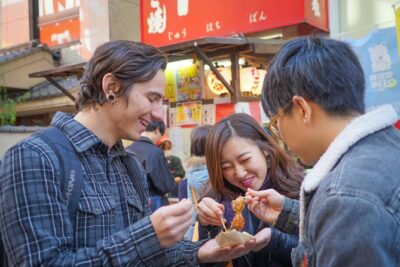
Next, Kuromon Market is one of the best ways to understand Osaka food culture in a single hour. The market runs close to 600 meters and has around 170 shops, with many stalls focused on fresh meat, vegetables, eggs, and other ingredients from across Japan and abroad.
Admission is free, so this is a relatively low-cost way to spend time and build energy for the rest of the day. And because it is built for both professionals and the public, you can browse even if you are not buying an entire feast. You will still see the range of ingredients and cooking styles that make Osaka famous.
A good strategy: come with a few “I want to try X” ideas, then let your guide point you to what looks best that day. Market shopping can be overwhelming when you are on your own. With a private guide, you can move with confidence.
Cup Noodle Museum Osaka Ikeda: a hands-on souvenir stop
![OSAKA Walking Tour [Customize Your Itinerary] - Cup Noodle Museum Osaka Ikeda: a hands-on souvenir stop](https://v.exploringosaka.com/wp-content/uploads/osaka-walking-tour-customize-your-itinerary-5.jpg)
If your group likes fun, interactive breaks, Cup Noodle Museum Osaka Ikeda is a great pick. This is not just a museum about instant noodles. You can make your own original cup noodles, which turns into a memorable take-home souvenir.
The stop is about 1 hour, and admission is not included. That makes it workable inside an 8-hour day, assuming you are not also trying to do a high-priority shopping stretch and a theme park in the same day.
Value angle: even if you are not a huge museum person, the “make your own” part gives you a reason to slow down and enjoy the experience. You end the visit with something physical, not just photos.
Not ready to leave Osaka yet? A few more ways to fill the day.
- Osaka Go Karting Tour with Funny Costume
★ 5.0 · 2,658 reviews - Osaka Castle: Museum and Tower Entry Ticket
★ 4.5 · 2,380 reviews - Osaka: Shinsekai Food Tour with 13-15 Dishes at 5 Eateries
★ 4.8 · 2,204 reviews
High-rise views at Harukas 300 and Umeda Sky Building
![OSAKA Walking Tour [Customize Your Itinerary] - High-rise views at Harukas 300 and Umeda Sky Building](https://v.exploringosaka.com/wp-content/uploads/osaka-walking-tour-customize-your-itinerary-6.jpg)
Osaka loves vertical views, and you can build in one or even two skyline moments depending on how your day plan is shaped.
Harukas 300 is inside Abeno Harukas, the tallest skyscraper in Japan. The observation deck is on the top three floors, floors 58 to 60, accessed by elevators from the 16th floor. You can get 360 degree views from the 60th floor, while the 58th floor has an inner court with a wooden deck and cafe. Admission is not included, and the stop is about 1 hour.
Then there is Umeda Sky Building in the Kita area, where two towers connect by the Floating Garden Observatory on the 39th floor. The open-air deck and window views can be great for seeing how the city is laid out. The basement area also replicates a town of the early Showa Period, which can be a fun contrast to the skyline.
From a practical standpoint, I like stacking views only if timing works. If you pick both Harukas 300 and Umeda Sky Building on the same day, you need to manage walking and paid admission. If you prefer one big payoff, choose the one that matches your schedule best.
Shinsekai at Tsutenkaku, Osaka’s pre-war nostalgia
![OSAKA Walking Tour [Customize Your Itinerary] - Shinsekai at Tsutenkaku, Osaka’s pre-war nostalgia](https://v.exploringosaka.com/wp-content/uploads/osaka-walking-tour-customize-your-itinerary-7.jpg)
Tsutenkaku is a short stop with a big atmosphere. It anchors the Shinsekai district, known as New World. The district was developed before the war, then neglected in later decades, and Tsutenkaku Tower became the nostalgia symbol of the area.
You get about 30 minutes here, and admission is not included. This is a good “palette cleanser” between larger attractions and long walking stretches. It is also a solid choice if your group wants a quick look at a different slice of Osaka life than the castle and modern towers.
Quick note for planning: since this is short, make sure it fits your timing. It is easy to want “one more” stop after Tsutenkaku, but your full day still needs to land back at food streets and transit.
Minami shopping streets: Shinsaibashi-suji to Namba
![OSAKA Walking Tour [Customize Your Itinerary] - Minami shopping streets: Shinsaibashi-suji to Namba](https://v.exploringosaka.com/wp-content/uploads/osaka-walking-tour-customize-your-itinerary-8.jpg)
Now you shift into the neighborhood energy of Minami. This is where Osaka feels like Osaka, with streets built for strolling, eating, and window-shopping.
Shinsaibashi-suji Shopping Street is one of the most famous shopping areas in the city. It runs east to Mido-suji Avenue, and it is a roofed arcade about 600 meters long. It has a history reaching back to the Edo period and includes kimono tailors, western clothing and footwear stores, restaurants, fast food spots, jewelers, and boutiques.
You also have time around Namba, which is in the southern part of Osaka and filled with restaurants and places to visit. Namba is especially strong at night, so if your guide’s route puts you there later in the day, you may get a more satisfying atmosphere.
These stops are mostly about wandering and eating, and admission is free for Shinsaibashi-suji. That makes them good “choose your own adventure” blocks in a customizable day plan.
Namba Yasaka Shrine and Sennichimae kitchenware street
If your group wants a break from shopping and food, two very different stops work well.
Namba Yasaka Shrine has an iconic lion head-shaped building. The building itself dates to the 1970s, but the shrine has a long history. There is an annual festival held in January, including a tug-of-war competition, and the festival is designated as an intangible folk cultural property by the Japanese government. This stop is about 30 minutes, and admission is free.
Then there is Sennichimae Kitchenware Street, also tied to Sennichimae Dogayasuji Shotengai near Namba Station. This is a shopping street almost entirely filled with kitchen-related shops, from pots and pans to knives and cutlery, plus artisan dishes. Admission is free, and you have about 30 minutes.
If you buy souvenirs, these are smart picks. You might find high-quality knives or beautiful plates, and they come from the city’s obsession with food.
Dotombori: food streets and classic Osaka sights
Dotombori is the big Minami emblem, a commercial district known for playhouses and food shops. It is representative of the Minami area and has been popular from Edo-period roots to today.
You have about 1 hour here, and admission is free. I like Dotombori as a finale or near-finale because it is easy to snack your way through without needing a ticket or a reservation. It is also where photos are easiest, because the whole street is built around signage, storefronts, and lively food culture.
Since walking is the name of the game, wear shoes that can handle a long day. Even with a private guide, you will rack up steps.
Culture time at Shitennoji and Sumiyoshi Taisha
Not all Osaka is neon and shopping. Two older religious sites help you slow down and see different sides of the city.
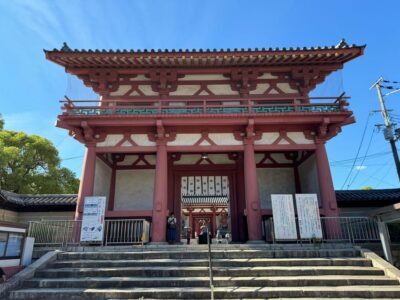
Shitennoji is one of Japan’s oldest temples and was the first ever built by the state. It was founded in 593 by Prince Shotoku. The buildings burned down multiple times over the centuries but were reconstructed to reflect the original 6th-century design. This stop is about 1 hour, and admission is not included.
Sumiyoshi Taisha Shrine is one of Osaka’s oldest shrines, founded in the 3rd century before Buddhism. It shows a unique architecture style called Sumiyoshi-zukuri, which is free of influence from the Asian mainland. Only two other shrine architecture styles are considered purely Japanese, linked to Ise Shrines and Izumo Taisha. This stop is about 1 hour, and admission is free.
I love how these two stops complement each other. Shitennoji gives you an early state-sponsored Buddhist connection, while Sumiyoshi Taisha highlights shrine traditions that are older than Buddhism’s influence. Even if you do not read everything, the atmosphere is different, and it gives your day more balance.
Optional add-ons: Solaniwa Onsen and Universal Studios Japan
This tour’s flexibility is what makes it stand out for groups with different priorities. Some people want sights and food. Some want a full-on theme-park day.
Solaniwa Onsen Osaka Bay Tower is a hot spring style theme park, described as the Kansai region’s biggest, spanning about 16,500 square meters across floors 2 to 5. It is themed around Beauty, Healing, Taste. Admission is not included, and the stop is about 1 hour.
Universal Studios Japan is another major option. It was the first Universal Studios brand park built in Asia, opened in March 2001, and covers about 39 hectares. It is described as Japan’s most visited amusement park after Tokyo Disney Resort. This stop is about 4 hours, and admission is not included.
Here is the key planning consideration: 8 hours is not enough to do everything. If you choose USJ for 4 hours, your remaining time has to shrink for castles, markets, and shrines. The guide can help prioritize based on your interests, but you should set expectations before you start the day.
Getting around during the day: what the tour covers, and what you pay
Pickup and drop-off are included, which helps a lot. But public transportation fees are not included, so you might still use metro or other transit depending on the route your guide builds.
That matters for two reasons. First, it affects your total cost. Second, it affects pacing. If you keep your “must-do” list realistic, transit time stays manageable, and walking time feels like sightseeing instead of just moving between stations.
The best use of a private guide here is route intelligence: they can likely help you avoid dead time and group stops that naturally cluster together in Osaka.
Who this Osaka private tour fits best
This tour is a good match if you want control and a slower, more intentional pace. It is especially useful for:
- Families or small groups who want to move together without constant coordination
- First-timers who want a guided route across big icons and key neighborhoods
- Food lovers who want a market stop with smart help for what to try
- People who dislike rigid group tours and want to adjust on the fly
It may not be the best fit if you want to minimize total cost and you are comfortable designing your own day route. Since entrance fees and transit are not included, budget-first travelers might prefer doing more self-guided walking.
Also, because extra charges may apply if the day runs long, it works best if you respect time windows. Think of it as a well-managed day with a private guide, not a full-day blank check.
Should you book this Osaka Walking Tour?
I would book it if you want an Osaka day shaped around your interests, with hotel pickup and enough flexibility to swap stops as the day unfolds. The strongest value is the combination of a private guide plus pre-planning support, so you spend less time guessing and more time enjoying the city.
I would hesitate if you know you want to hit multiple paid attractions back-to-back, or if your group is sensitive to entrance fees and transit costs. In that case, you can still book, but plan a shorter list of paid entries like one major view deck, one museum or interactive stop, and one cultural site.
One last practical move: double-check your confirmation details before the day starts, and keep your phone ready in case you need to reach your local team or guide. Private tours rely on coordination, and having that contact info on hand protects your day.
FAQ
How many people can be in a group?
The tour price is per group and the group size is up to 5 people.
How long is the private Osaka walking tour?
It runs about 8 hours.
Is hotel pickup and drop-off included?
Yes, hotel pickup and drop-off are included.
Are entrance fees included for places like Osaka Castle or Harukas 300?
No. Entrance fees are not included. The tour specifies that some stops have admission ticket not included.
Can I change the day plan on the spot with the guide?
Yes. You can change the itinerary even on the day while traveling with the tour guide, and you can reach the team and the guide for recommendations.
What is included versus not included in the price?
Included: hotel pickup and drop-off, and tour management. Not included: meals, accommodation, entrance fees, and public transportation fees.
What is the cancellation policy?
You can cancel for free up to 24 hours in advance for a full refund. If you cancel less than 24 hours before the start time, the amount paid is not refunded.
Just added around Osaka

Walking Tours, compared.
Osaka Local Foodie Walking Tour in Dotonbori and Shinsekai
Read our review →
Deep Backstreets Walking Tour with Dinner Option
Read our review →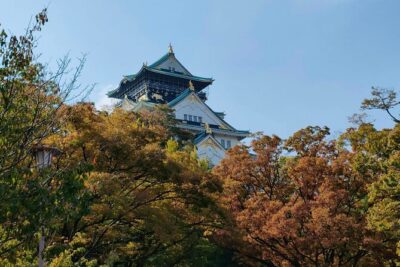
Ultimate Osaka Walking Tour: Castle, Dotonbori & Hidden Gems
Read our review →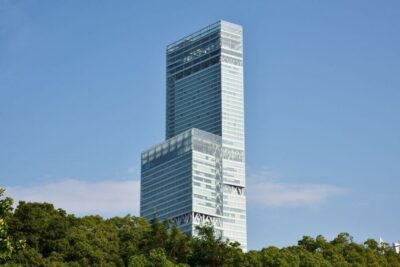
Main Sights and Hidden Spots Guided Walking Tour
Read our review →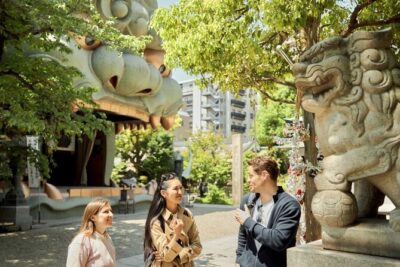
Private Osaka Walking Tour: Highlights & Hidden Gems
Read our review →
Osaka Castle Walking Tour and Castle Tower Admission
Read our review →
Kuromon Market Food Walking Tour in Osaka (6 stops, 6 tastes)
Read our review →
Five Must-See Highlights Walking Tour & Ramen Lunch
Read our review →This tour also fits