Reviewed · SHOW
Traditional Japanese Music show & Experience Tour in Osaka
Want hogaku close up in Osaka? This 60-minute Osaka show pairs a short live concert with hands-on instrument time, so you hear shamisen and wadaiko up close and then get to try the feel for yourself.
I like that the lineup can change by day, and you can ask professional musicians questions in the moment, not after the curtain call. The only catch is simple: time is tight, so this is more taster session than full training.
In This Review
- Key points to know before you go
- 60 minutes of traditional Japanese music in Osaka, hands-on
- The flow of the show: concert, then playing, then photos
- Instruments you can expect: shamisen, koto, wadaiko (and more)
- Why the “ask questions” part matters more than you think
- Small-group size: up to 7 people, minimum 2
- Osaka timing: Wednesday 11:00 and Friday 18:30
- Meeting point details in central Osaka
- Mobile ticket: what it changes for you
- Price and value: $46.12 for pro music plus you playing
- What you should do to get the most out of it
- Who this tour suits best
- FAQ
- How long is the Traditional Japanese Music show and Experience Tour in Osaka?
- What traditional instruments can I expect to experience?
- Do I just watch, or can I play the instruments?
- Can I take photos during the tour?
- When does the tour run in Osaka?
- Where is the meeting point?
- Is transportation included?
- What group size should I expect?
- What is the cancellation policy?
- Final call: should you book this Osaka instrument experience?
Key points to know before you go
- Small group, up to 7 people, so you are not lost in a crowd
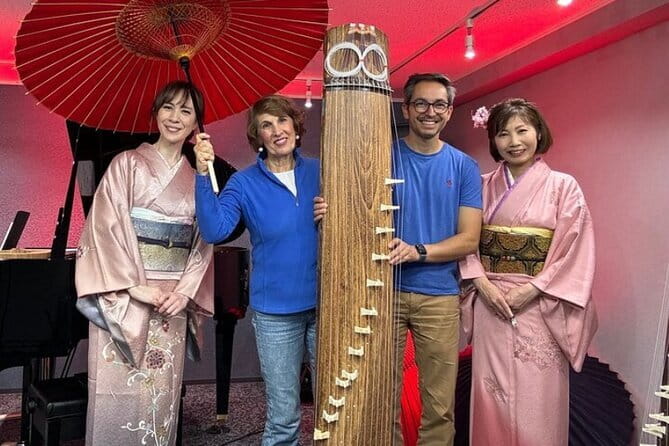
- Concert first, then instrument try time, with about 25 minutes to play
- Shamisen, koto, wadaiko, and more, depending on the day
- Ask questions freely to the musicians during the session
- Photos with instruments and performers make easy souvenirs
60 minutes of traditional Japanese music in Osaka, hands-on
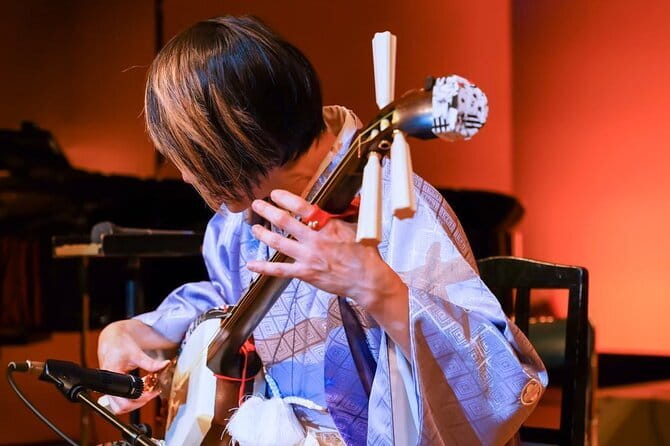
Osaka can feel like a food and street-neon city, and that is great. Still, it is nice to add one calm, focused cultural stop where music takes center stage. This 60-minute Traditional Japanese Music show and experience tour is built for exactly that. You start with a live performance, then you switch gears and get hands-on with traditional instruments.
The best part, from a visitor point of view, is the pacing. You are not stuck watching for an hour. You get the sound first, then you get your hands on the tools. That makes the instruments easier to understand, even if you know close to nothing about Japanese classical music.
Also, this is framed around hogaku, the umbrella term for traditional Japanese music. Hearing it live helps you catch the rhythm and texture that recordings often hide.
Other ways to spend a day in Osaka
- Osaka: Sumo Show & Experience w/ Optional Kimono & Hot Pot★ 4.5 · 609 reviews
- Osaka: Sumo Stage Show with Bento or Snack + Fight & Photo★ 4.3 · 364 reviews
- Osaka: English Stand Up Comedy Show at Osaka Comedy Club★ 4.7 · 203 reviews
- Osaka: UTAGE Japanese Taiko Live Show★ 4.9 · 167 reviews
- Osaka Sumo Experience with Live Show and Audience Challenge★ 5.0 · 162 reviews
The flow of the show: concert, then playing, then photos
The timing is straightforward, and that is a win when your Osaka day is already packed.
First 25 minutes: live Japanese music concert
You’ll watch professional musicians perform traditional instruments. Expect variety, not just one instrument doing background music. The goal here is clarity. You get a sense of how each instrument behaves, how the music moves, and why people call it expressive and technical at the same time.
Next 25 minutes: try playing traditional instruments
This is the hands-on block. You are given an instrument for experience, and you can try playing. The exact selection can vary, but the instruments that are specifically mentioned for this experience include shamisen, koto, and wadaiko.
This section is where you turn curiosity into something physical. Even if you only manage a few notes, you walk away understanding posture, grip, and what makes each sound possible. That is hard to get from museum displays.
Final 10 minutes: photos with instruments and performers
Then the session shifts into souvenir mode. You can take photos holding traditional instruments alongside the performers. It is a quick moment, but it is also why many people choose this format over a straight concert ticket.
Instruments you can expect: shamisen, koto, wadaiko (and more)
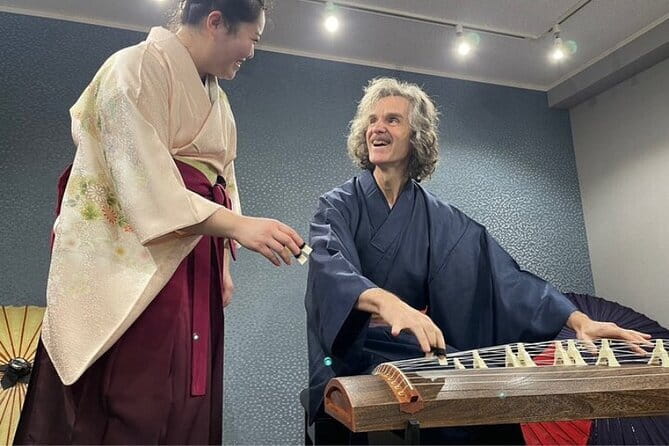
If you come to this hoping for the classic trio, you are in the right place. The experience highlights include:
- Shamisen (Japanese lute): usually associated with a sharp, lively tone and lots of expressive playing techniques.
- Koto (Japanese harp): known for a more flowing, resonant sound that can feel both precise and melodic.
- Wadaiko (Japanese drum): percussion with body and energy, where timing and texture matter a lot.
The program notes also mention more instruments beyond these. The key detail for you is that the content can vary by day. So the Wednesday session may feel different from the Friday session, even if the overall structure stays the same.
That variability is not a drawback if you treat it as part of the fun. It means you are not signing up for a repeatable routine. You are signing up for a small, live music moment that changes with the cast and set.
Why the “ask questions” part matters more than you think
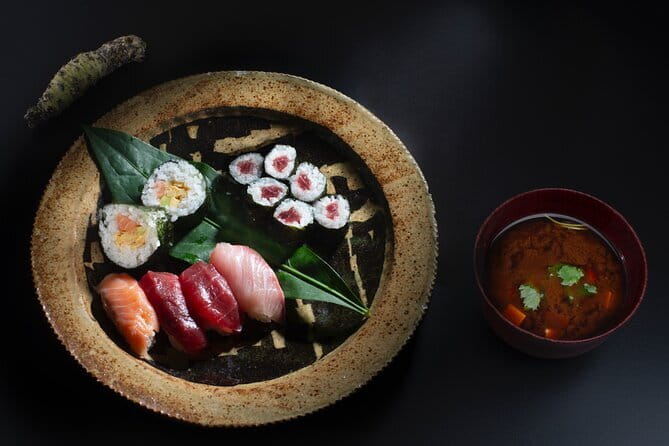
Lots of cultural activities say you can ask questions. Here, the format strongly supports it. Since you are in a small group setting and you get both listening time and playing time, your questions can connect directly to what you just heard or what you are currently trying.
This is the kind of place where a practical question works well, like what makes the pitch change on an instrument, or how musicians think about rhythm. You can also ask about what to listen for in shamisen or what controls the drum feel in wadaiko.
I like this approach because it turns the session from entertainment into understanding. You do not need a background in Japanese music. You just need curiosity and the willingness to try something slightly unfamiliar.
Small-group size: up to 7 people, minimum 2
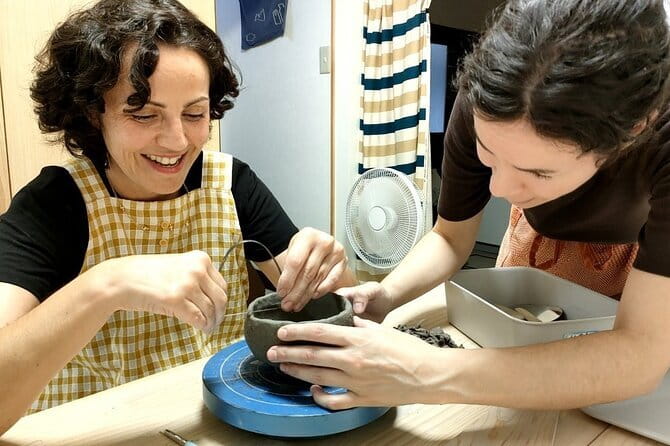
You should care about group size for one main reason: attention. With a maximum of 7 travelers, the experience is set up so you are actually part of the session, especially during the instrument try time and photo moment.
The activity also requires a minimum number of participants, so there is a chance it could be rescheduled or refunded if the minimum is not met. In practice, that is more of a planning note than a problem, especially if you pick one of the scheduled times that fits your itinerary.
If you are traveling with someone you want to share the experience with, this group size tends to feel more personal than large stage shows.
Not ready to leave Osaka yet? A few more ways to fill the day.
- Osaka Go Karting Tour with Funny Costume
★ 5.0 · 2,658 reviews - Osaka Castle: Museum and Tower Entry Ticket
★ 4.5 · 2,380 reviews - Osaka: Shinsekai Food Tour with 13-15 Dishes at 5 Eateries
★ 4.8 · 2,204 reviews
Osaka timing: Wednesday 11:00 and Friday 18:30

The tour runs at set times: Wednesday at 11:00 and Friday at 18:30. That simplicity helps planning. You are not guessing among a dozen daily start times.
The 11:00 option can work well if you want something culture-focused before your afternoon eating marathon. The 18:30 start suits people who like a later program, especially if you want to roam Osaka earlier and then settle in for a structured activity.
Because the schedule is limited, I’d treat this like a real appointment. If you are flexible, choose whichever slot makes your day feel less rushed.
Meeting point details in central Osaka
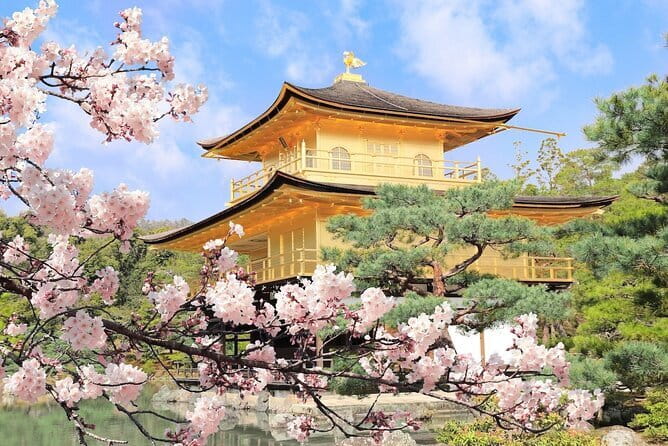
You meet at アルファ 心斎橋3-chōme-5-27 Minamisenba, Chuo Ward, Osaka, 542-0081, Japan. The tour ends back at the same meeting point, so you do not have to worry about a one-way drop-off.
It also notes that the activity is near public transportation. That matters because you will likely want to combine this with other plans around the Minamisenba area. If you are carrying an umbrella or shopping bags, plan for those in your hands since the experience space may not be designed for heavy luggage.
Mobile ticket: what it changes for you
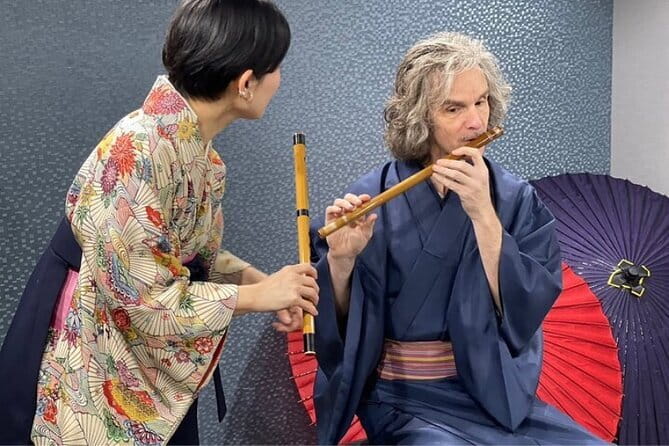
The tour uses a mobile ticket, which is practical. You do not need to print anything. In Japan, that can save time and avoid last-minute “where is my paper confirmation” stress.
Just make sure your phone is ready when you arrive. A dead battery at the meeting point is not a fun travel surprise.
Price and value: $46.12 for pro music plus you playing
At $46.12 per person, this is not a freebie, but it also is not just a basic ticket to watch. You are paying for three things bundled together:
1) A live concert segment (25 minutes) by professional musicians
2) Instrument experience time (25 minutes) where you are allowed to handle and play
3) A photo segment (10 minutes) that includes holding instruments
That combination is the value story. If you only wanted to listen, you could often find public performances or standard venue concerts. If you only wanted hands-on instrument practice, you might expect a higher cost for lessons. Here you get the key elements of both in one short session, with the added benefit that the instruments you try are highlighted by name.
Also, the small group size helps the value. When fewer people are in the room, the experience tends to be more responsive and less scripted.
What is not included is private transportation, so you will need to get yourself there using public transit, walking, taxis, or whatever fits your plan.
What you should do to get the most out of it
This is the kind of activity where your attitude matters. You are not auditioning for a concert. You are learning by doing, fast.
Here are a few practical moves that tend to pay off:
- Go in ready to ask at least one question. If you don’t know what to ask, ask how the instrument produces sound.
- Pay attention during the concert segment. The better you listen, the more sense the instrument time makes.
- Take the photo moment seriously. If you want a good shot holding the instrument, position yourself early.
- Wear shoes you can move in. You may need to shift slightly during instrument handling.
If you are a total beginner, good. The format is designed for that. If you already play or study music, you’ll likely enjoy the differences in technique and sound production.
Who this tour suits best
This experience is a great fit if you fall into one of these buckets:
- You want a compact cultural activity in Osaka that does not take half a day
- You are curious about Japanese traditional instruments but prefer hands-on learning
- You like small-group settings where questions and interaction are actually part of the event
- You want easy photo souvenirs that feel tied to the real activity, not just a backdrop
It may be less ideal if you want long-form instruction or you expect deep explanations of theory and technique. This session is short by design.
Also, the content can vary depending on the day. If you love variety and want to see different instruments, consider picking the slot that fits your schedule with that flexibility in mind.
FAQ
How long is the Traditional Japanese Music show and Experience Tour in Osaka?
It runs for about 1 hour total, with 25 minutes for the concert, 25 minutes for trying instruments, and 10 minutes for photos.
What traditional instruments can I expect to experience?
The experience includes instruments such as shamisen, koto, and wadaiko, plus additional instruments that may vary by day.
Do I just watch, or can I play the instruments?
You get time to try playing traditional Japanese musical instruments as part of the experience.
Can I take photos during the tour?
Yes. You can take photos with the instruments and performers, including a photo segment at the end.
When does the tour run in Osaka?
It runs on Wednesday at 11:00 and Friday at 18:30.
Where is the meeting point?
You meet at アルファ 心斎橋3-chōme-5-27 Minamisenba, Chuo Ward, Osaka, 542-0081, Japan. The tour ends back at the meeting point.
Is transportation included?
No. Private transportation is not included.
What group size should I expect?
There is a maximum of 7 participants, and a minimum of 2 participants is required for the activity to be held.
What is the cancellation policy?
You can cancel for a full refund up to 24 hours before the experience starts. If you cancel less than 24 hours before, you won’t receive a refund.
Final call: should you book this Osaka instrument experience?
If you want a short, high-impact cultural stop where you both hear traditional Japanese music and get hands-on with the instruments, I think this is a smart booking. The small group size, the concert plus instrument try format, and the included photo moment all point to good value for the time.
Skip it only if you need long instruction or you hate interactive activities. Otherwise, this is one of those “do it once, remember it for years” Osaka experiences built into a single hour.
Just added around Osaka

Show, compared.

Sumo Show & Experience w/ Optional Kimono & Hot Pot
Read our review →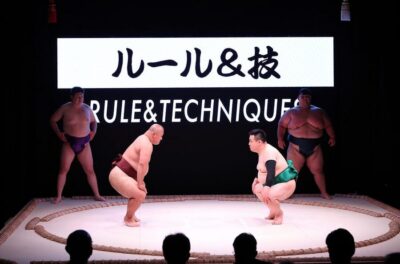
Sumo Stage Show with Bento or Snack + Fight & Photo
Read our review →
English Stand Up Comedy Show at Osaka Comedy Club
Read our review →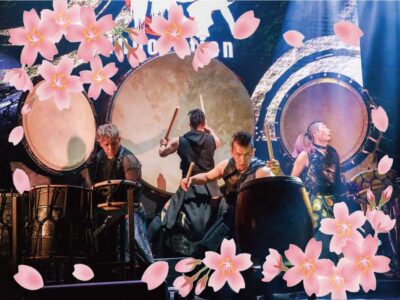
Osaka Sumo Experience with Live Show and Audience Challenge
Read our review →
OSAKA NIGHT FUSION Japanese Taiko Kabuki Samurai Dance Show
Read our review →