
Reviewed · CYCLING TOURS
Urban Canvas: Osaka Street Art Bike Tour
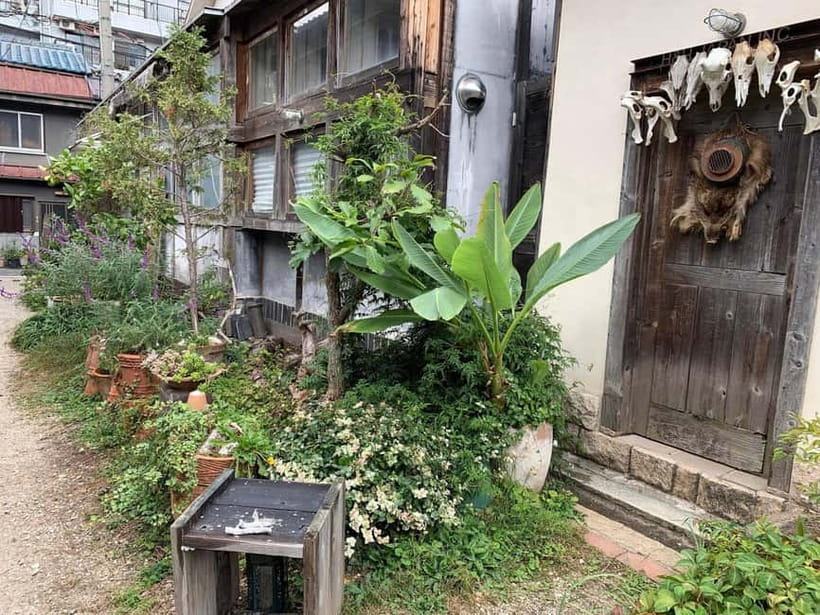
Street art in Osaka looks better when you pedal. This small-group bike tour threads through Tenma, Juso, and Nakazaki-cho for real street scenes, guided stories, and photo stops.
I especially love how the route focuses on the city’s less-frequented edges, not the usual postcard loops. I also like the mix of street art plus practical local stops, including coffee and a pizza slice in a very old building.
One thing to consider: it’s a ride through gritty urban areas, so you’ll want solid shoes and comfort with time on a bike (the tour runs 270 minutes). If rain chances run high, you may need to roll with the operator’s replacement date or refund.
In This Review
- Key takeaways
- Why Osaka’s Urban Canvas Works So Well on a Bike
- Starting in Tenma, Near Tenmabashi, and Why That Location Matters
- Tenma on Two Wheels, Where Grit and Art Share the Same Walls
- The Yodo River Crossing, Osaka Architecture, and a Real Neighborhood Shift
- Juso’s Underground Life, Local Commentary, and the Street Art Scene
- Nakazaki-cho, Hipster Shops, Galleries, and the Pizza Slice Finale
- What 270 Minutes Feels Like, Distance, and How to Stay Comfortable
- Price and Value at $87, What’s Included, and What You Should Budget For
- Who This Tour Is Best For (and Who Should Skip It)
- The Guides Matter: Why Ruben and Eric-Style Energy Elevate the Day
- Should You Book the Urban Canvas Osaka Street Art Bike Tour?
- FAQ
- Where is the meeting point?
- How long is the tour?
- How big is the group?
- What language is the tour guide?
- What’s included in the price?
- What should I bring?
- What is the rain policy?
- Are there any age limits?
- Is smoking allowed?
Key takeaways
- Small group of 6 means you can actually ask questions and get attention from your guide
- English-speaking guide with in-the-street context, not just art talk
- Crossing the Yodo River into Juso adds a real neighborhood shift to the day
- Street art by local and international artists shows Osaka as a living gallery
- Pizza slice in a 100-year-old building gives you a memorable local food moment
Why Osaka’s Urban Canvas Works So Well on a Bike
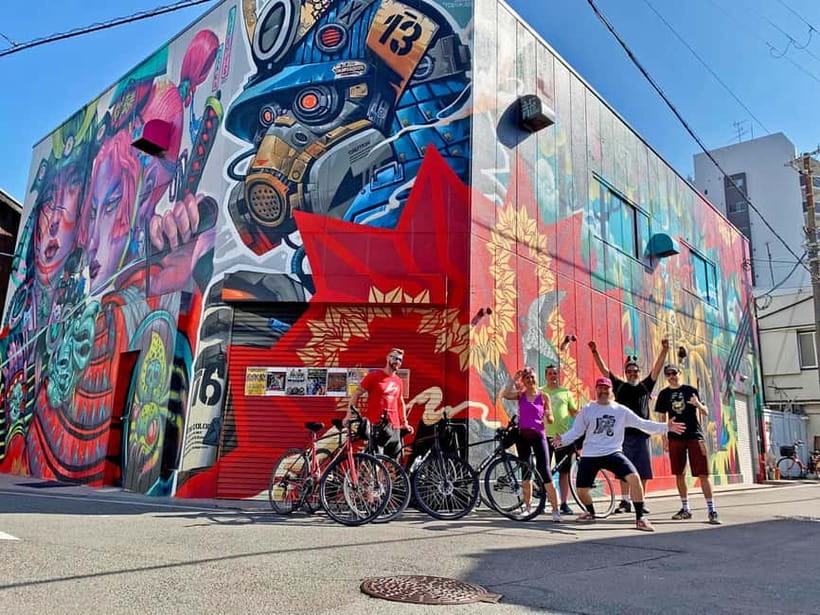
Osaka street art is not quiet. It’s loud, layered, and often tucked into places you would skip if you were only walking between big sights. The bike format helps a lot. You cover real distance without losing the street-level details that make graffiti and murals work.
The other reason this tour clicks is the balance. You get guided commentary about the local scene and underground life, then you get time to stop, look, and photograph. That matters because street art is all about context, surfaces, and layering. If you just ride past it, you miss what makes it worth seeing.
Lastly, the vibe is intentionally neighborhood-focused. You are not doing a “greatest hits” sweep. Instead, you experience how Tenma, Juso, and Nakazaki-cho each feel like different pages of the same Osaka story.
Other ways to spend a day in Osaka
- Urban Canvas: Osaka Street Art Bike Tour★ 5.0 · 47 reviews
Starting in Tenma, Near Tenmabashi, and Why That Location Matters
You meet about 10 minutes on foot from Tenmabashi Station (Osaka Metro and Keihan Line). That’s a smart start point because it puts you close enough to begin quickly, but far enough that the first pedal strokes already feel local.
Tenma is a working-city kind of area in the Osaka rhythm. You get rail lines, bridges, riverside urban shapes, and street textures that look daily, not staged. This matters for street art tours. Murals often sit in the middle of ordinary life, right where the city is doing its thing.
Practical tip: arrive early enough to settle in. The tour includes a bike and helmet, but you still need a minute to check your fit, get your camera ready, and mentally switch to “street-watching mode.”
Tenma on Two Wheels, Where Grit and Art Share the Same Walls
Tenma sets the tone. You’re heading into hip and gritty neighborhoods, and you can feel that shift right away in what you see on the street. Expect a mix of graffiti, street art, and urban architecture, the kind of visuals that make Osaka feel modern and messy at the same time.
This is also where you’ll likely enjoy the most “accidental art moments.” Street art doesn’t always announce itself. On a bike, you can move faster than walking, but you can still slow down at the guide’s stops and look at details like brush style, layering, and how pieces interact with signage and building edges.
From a comfort standpoint, this part of the tour is a good warm-up. You’ll find your rhythm and your pace early. If you’re the type who likes to photograph, use the first blocks to set a steady habit, shoot a little, then repeat. It’s easier than trying to remember settings later.
The Yodo River Crossing, Osaka Architecture, and a Real Neighborhood Shift
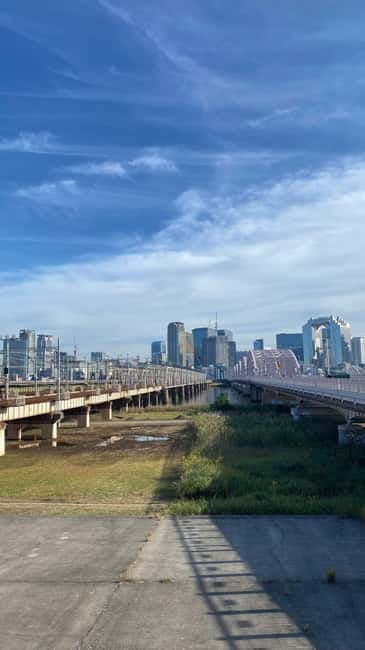
After Tenma’s textures, the tour crosses the Yodo River and heads toward Juso. That crossing isn’t just a commute. You’re moving through urban architecture that gives you a wider Osaka view, including modern skyline edges and the geometry of bridges and riverfront city design.
Crossings change your perspective, and this one changes your mood too. Juso has a reputation in the street art world because it feels less “managed” and more lived-in. Even the way you see buildings and street surfaces shifts once you’re over.
Photography tip: during crossings, stop thinking only about murals. Look at the wider composition. Street art often sits in frames created by rails, road angles, and river infrastructure. When you understand the frame, the art makes more sense.
Juso’s Underground Life, Local Commentary, and the Street Art Scene
Juso is where the tour’s story becomes more specific. You’ll hear commentary from a local resident who explains underground life in Osaka and how the street art scene operates here. That human layer is the difference between seeing art and understanding why it appears where it does.
One of the standout values of this tour is that you don’t just get art locations. You get interpretation. Street art in many cities is tied to artists, crews, and local identity. In Juso, that identity feels tied to neighborhoods that are busy, not tourist-polished.
This area also gives you the kind of stops that make a street art day feel real. You might grab specialty coffee and even visit an old-school standing bar. These are the moments that break the ride up and keep the tour from feeling like a checklist.
Also, Juso is described as nearly never visited by tourists, which you will feel in the street-level experience. It’s the sort of place where you can observe without being constantly jostled by tour crowds.
Not ready to leave Osaka yet? A few more ways to fill the day.
- Osaka Go Karting Tour with Funny Costume
★ 5.0 · 2,658 reviews - Osaka Castle: Museum and Tower Entry Ticket
★ 4.5 · 2,380 reviews - Osaka: Shinsekai Food Tour with 13-15 Dishes at 5 Eateries
★ 4.8 · 2,204 reviews
Nakazaki-cho, Hipster Shops, Galleries, and the Pizza Slice Finale
After Juso’s mood, the tour shifts again into Nakazaki-cho, described as a hipster enclave. Here you’re more likely to see boutique shops and galleries alongside street art. The neighborhood feels more curated in its day-to-day aesthetic, even though the art spirit stays the same.
This part of the tour gives you a satisfying arc. You start gritty and street-forward, cross a major river marker, then end in a more stylish zone that still keeps Osaka’s edge. That mix makes the art feel connected to the city, not pasted onto it.
And then there’s the food stop that turns the day into a story you remember. You visit a local institution serving pizza slices in a 100-year-old building. It’s exactly the kind of detail that turns a “tour lunch” into an actual moment, because you’re eating where the building itself feels like part of the neighborhood timeline.
If you want a simple strategy: eat slowly, then go back out with fresh energy. Your last stretch will feel better when you’ve refueled and relaxed your shoulders for a bit.
What 270 Minutes Feels Like, Distance, and How to Stay Comfortable
The tour runs 270 minutes and is designed for a smooth small-group ride. One review mentions a safe tempo with enough time to photograph, plus a distance around 23 km. That gives you a realistic idea: this is not a casual stroll with short rides.
For comfort, wear comfortable clothes and plan on shoes that can handle streets, stops, and possible uneven pavement. You’re also advised to bring a camera, which is a hint that photography is part of the point, not an afterthought.
You’ll likely have short breaks, including coffee and bar time, which help a lot on a longer bike day. And because you’re in a small group limited to 6, you’re not stuck behind a large crowd moving at a slow shuffle.
Safety note: the tour is bike-based, but it includes helmet and is guided. Still, ride-day comfort depends on you. If you’re uncomfortable with bicycles or you’re unsure about your balance, this is the wrong kind of day.
Price and Value at $87, What’s Included, and What You Should Budget For
At $87 per person for a 270-minute guided street art bike tour, the value comes from three concrete things: you get transportation (bike plus helmet), expert context (local guide, English), and a real food stop (pizza slice plus water).
It also helps that the group is small. Paying for a small group often means you get better pacing and more direct interaction with your guide. In this case, that interaction matters because street art is interpretive. A good guide helps you notice what you might otherwise miss.
What you should budget for beyond the price is personal snacks or extra drinks if you want more than what’s included. The tour includes water and a pizza slice, but nothing else is listed as included food beyond that.
One more practical value point: there’s no hotel pickup or drop-off. That keeps the price from inflating with transfers, but it does mean you need to plan how you’ll arrive at the meeting point near Tenmabashi.
Who This Tour Is Best For (and Who Should Skip It)
This is a great fit if you like street art, street culture, and the idea of seeing neighborhoods by bicycle rather than by subway windows. It’s also a good match if you enjoy asking questions and you want your guide to explain the scene, not just point at walls.
It’s less ideal if mobility is limited. The tour is listed as not suitable for people with mobility impairments and wheelchair users. It also specifies that children under 13 are not recommended, and children under 10 are not suitable.
If you are traveling with someone who hates biking or hates photo stops, this could feel like friction. But if you are open to a street-focused day and you’re comfortable pedaling for most of a half-day, you’ll likely have a blast.
The Guides Matter: Why Ruben and Eric-Style Energy Elevate the Day
Two guide names come up in the tour’s feedback: Ruben and Eric. Both are described as taking time to answer questions about street art and Osaka, and keeping a pace that works for photography.
That guide energy is one of the most praised parts of the experience. It’s not just enthusiasm. It’s the practical effect: you spend less time guessing what you’re looking at, and more time actually seeing. If you’ve ever toured a mural wall and left wondering what the artist meant, you’ll appreciate what a good guide adds here.
If you want the best experience, come with a tiny bit of curiosity. Even asking one question about a technique or a piece’s setting can help the whole tour click.
Should You Book the Urban Canvas Osaka Street Art Bike Tour?
You should book if you want Osaka that feels current, lived-in, and slightly gritty, with street art that you can actually slow down to photograph. The small group size, English guide, and included bike plus helmet make it a low-stress way to cover real neighborhood ground.
Book it if you like a structured story without feeling trapped in a museum. You get art, architecture, river views, and food in a 100-year-old building, all tied together by local commentary about the underground life of the city.
You might skip it if you dislike biking for 270 minutes, if you need wheelchair-friendly routing, or if you’re traveling with younger kids who are outside the tour guidance. And if you’re sensitive to rain risk, make sure your plans allow for a different date or refund if rain probability crosses the operator’s threshold.
If your goal is to see Osaka beyond the usual stops, this tour is a strong choice.
FAQ
Where is the meeting point?
You meet about 10 minutes on foot from Tenmabashi Station, which serves the Osaka Metro and Keihan Line.
How long is the tour?
The duration is 270 minutes.
How big is the group?
The tour is limited to a small group, with up to 6 participants.
What language is the tour guide?
The live tour guide provides the tour in English.
What’s included in the price?
Included items are the bike, helmet, bike tour, local guide, pizza slice, and water.
What should I bring?
Bring comfortable shoes, a camera, and comfortable clothes.
What is the rain policy?
If the chance of rain is higher than 60% during the time of the tour, the tour is cancelled and you can choose a different date or receive a full refund. You should make sure you are reachable.
Are there any age limits?
Children under 13 are not recommended to participate. Children under 10 are listed as not suitable for the tour.
Is smoking allowed?
No, smoking is not allowed.
Just added around Osaka
Cycling Tours, compared.
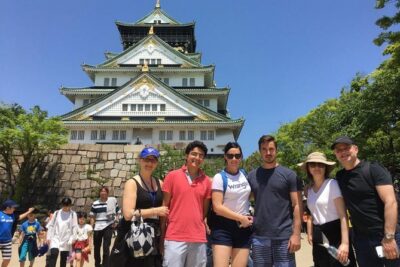
5-Hour Osaka Bike Tour to the Neighborhood of Osaka Castle
Read our review →
This tour also fits