
Reviewed · 2-HOUR EXPERIENCES
1.5〜2 Hours Traditional Kintsugi Work Shop in Namba Osaka
Osaka turns broken pottery into gold. This 1.5 to 2 hour kintsugi workshop in Namba has a small class size (max five), so you get real attention while you decorate a kintsugi plate with lacquer and 23K gold powder. One catch: you will not see the finished piece right away, since it needs time to cure and you receive it about 5 to 7 days later.
I also like the setting, the class is held in a traditional Japanese building called Kura, with wooden architecture and a gallery of Japanese art and antiques you can look at after class. If you want a creative break from the city noise, this is the kind of hands-on activity that feels grounded. One more consideration to plan for: if you have a lacquer allergy, this is not recommended.
In This Review
- Key Kintsugi Workshop Highlights in Namba
- Kintsugi in Namba, Osaka: what you actually make
- Inside the Kura building: why the setting is part of the lesson
- Your 23K gold step-by-step: what happens during the workshop
- Group size and instructor attention in a city like Osaka
- Timing matters: curing, drying, and when your plate arrives
- Shipping and price: does $125.53 make sense for what you get?
- Who should take this kintsugi class, and who should skip it
- Practical tips so your Namba workshop day runs smoothly
- Should you book this Kintsugi workshop in Namba?
- FAQ
- How long is the kintsugi workshop in Namba?
- What group size should I expect?
- What will I make, and what materials are included?
- When do I receive my finished kintsugi plate?
- Do they ship internationally, and what does it cost?
- What if I need to cancel or the class is canceled due to weather?
Key Kintsugi Workshop Highlights in Namba
- Max 5 people, lots of instructor time for questions and step-by-step guidance
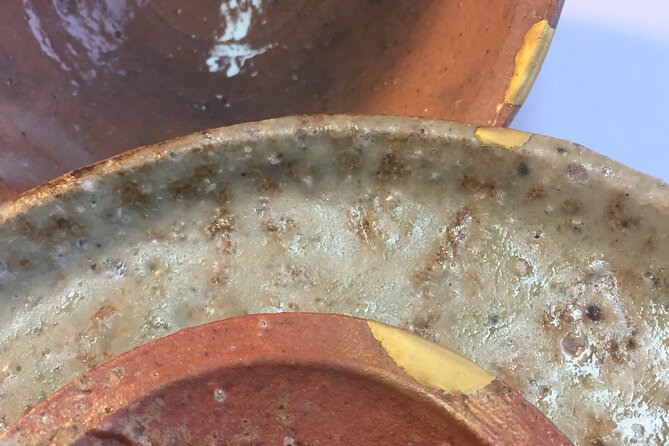
- 23K gold powder goes on lacquer, and you control the placement on your plate
- Traditional Kura setting with wooden architecture and an on-site gallery
- Materials included, so you can focus on doing the craft, not shopping for supplies
- Your plate is shipped after curing, with domestic shipping free and international shipping available for a fee
Kintsugi in Namba, Osaka: what you actually make
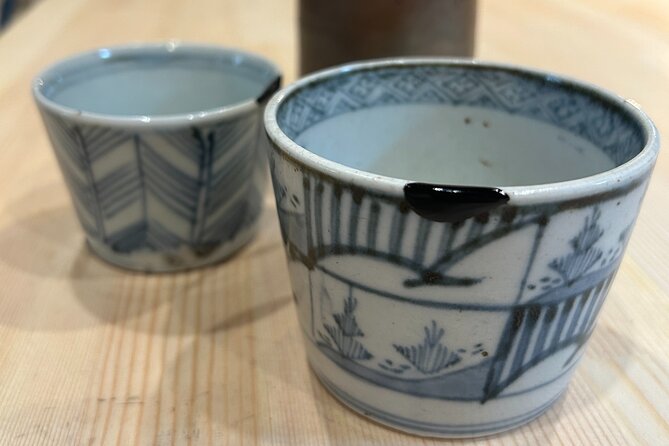
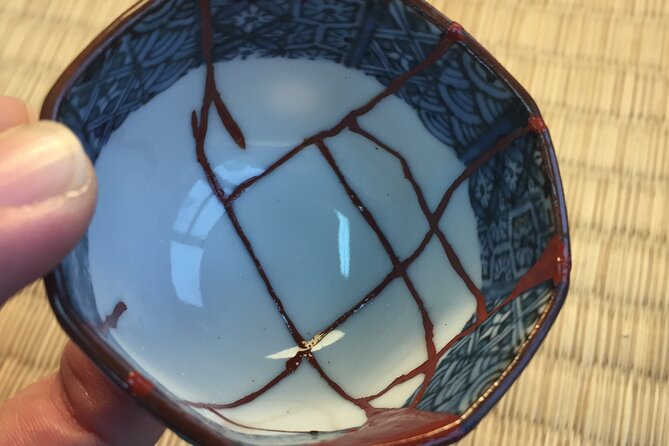
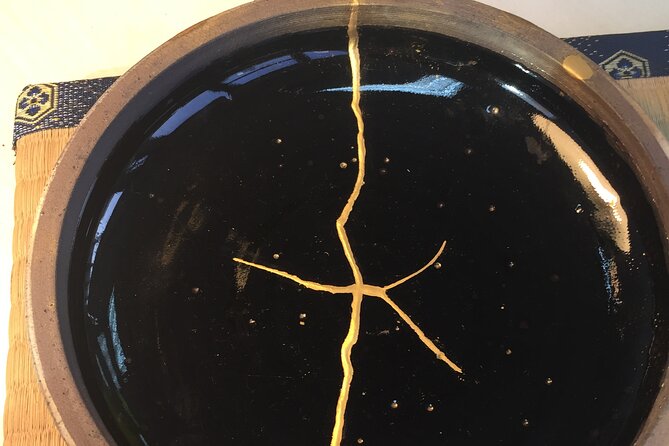
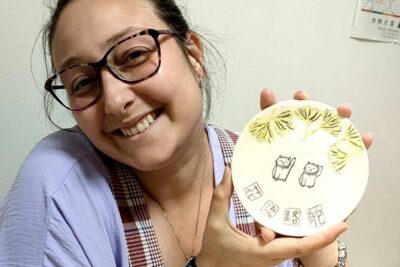
This workshop is built around one outcome you can bring home: your own decorated kintsugi plate. In plain terms, kintsugi is Japanese repair art. Instead of hiding cracks, you emphasize them using lacquer and gold. Here, you use lacquer as the bonding and finishing material, then you sprinkle gold powder over it for that signature look.
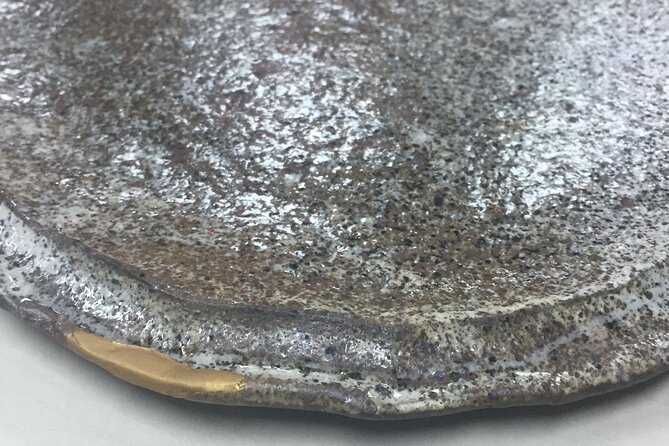
You are not just watching a demo. You learn the process and apply gold powder yourself, specifically using 23K gold. That matters, because the visual result depends on your technique. Too much gold, and it can look heavy. Too little, and the repair line might not pop. The instructor guides you so your plate looks intentional, not accidental.
The workshop format focuses on an introduction level experience, with instruction and a hands-on make portion that typically lands around 1 to 1.5 hours, depending on the session timing. Then you leave the hard part behind: curing. Your plate needs time to set, and the workshop arranges that step so your piece can arrive looking its best.
If you are the type who loves pottery, ceramics, antiques, or Japanese craft culture, this is a better use of your time than another quick photo stop. You come away with something that has meaning, plus you learn a technique you can appreciate for years.
Other ways to spend a day in Osaka
- Osaka: 2-Hour Nightlife District Walking & Local Food Culture★ 5.0 · 199 reviews
- Osaka: 2-Hour Local Street Food Tour – Dotonbori & Namba★ 4.6 · 95 reviews
- Osaka 2-Hour Genuine Kendo / Samurai Experience In Japan★ 5.0 · 65 reviews
- Osaka 2 Hour Local Street Food Tour in Dotonbori and Namba★ 5.0 · 2 reviews
- 2 Hours Private Painting of Ceramics in Osaka★ 5.0 · 1 review
Inside the Kura building: why the setting is part of the lesson
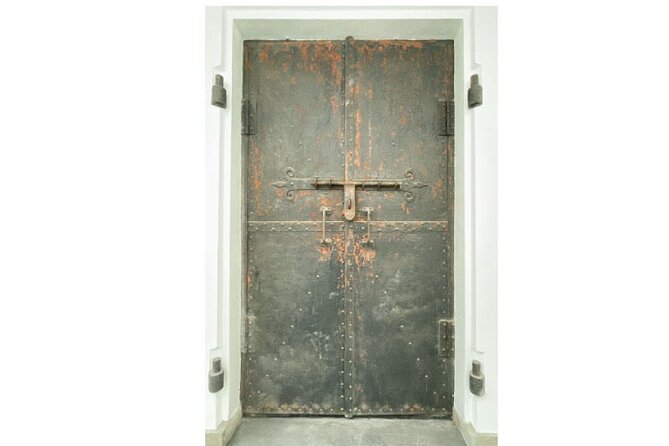
A lot of craft classes are held in plain rooms. This one takes place in a traditional Japanese building called Kura. That is not just aesthetic. The environment supports the mood of the practice, slower and more careful than typical sightseeing schedules.
In this space, you also get access to a gallery with Japanese art and antiques. Even if your main goal is the hands-on plate, it helps to see related objects around you. Kintsugi is not only about repair. It is about taste, patience, and a different attitude toward damage. Seeing antiques and craft pieces in the same atmosphere makes that idea land faster.
The Kura building also gives you something to do after class. When you finish your session, you can explore the wooden architecture and the gallery before you head back. If you like walking and browsing at a calmer pace, this adds real value to the experience.
For practical planning: the workshop is near public transportation, and it uses a mobile ticket. Service animals are allowed, and most travelers can participate. The one clear “no” is lacquer allergy, since lacquer is part of the process.
Your 23K gold step-by-step: what happens during the workshop
The flow is straightforward, and that helps your brain stay calm while your hands do the work.
You start with a kintsugi introduction and a look at the lacquer history behind the craft. Learning the background is not just trivia. It explains why the method looks the way it does, and why the gold line is treated like part of the object’s story rather than something to cover.
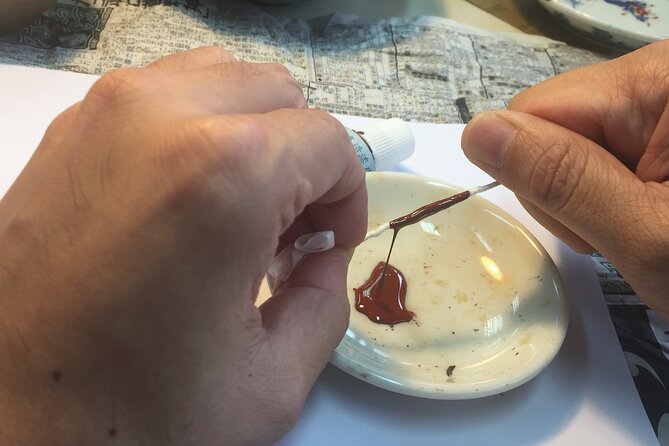
Then you move into the hands-on portion: decorating a kintsugi plate with gold powder. You are taught how to work with lacquer and how to add the gold powder so the repair line looks clean and intentional.
One detail I think is especially helpful for first-timers: you are likely working on a style that may differ from what you usually see in photos. In at least one session, people made a chopping-style kintsugi pattern rather than the crack-style effect. The important point is that you will still be applying the gold to the lacquer repair line, and the end result is still a real kintsugi piece you can display.
You also get cultural extras that go beyond gold and lacquer. Multiple sessions include matcha preparation and tasting at the end. In some cases, there is also a sweet such as mochi. Even if you are not a tea person, it is a nice way to slow down after the workshop and leave with more than just an object.
Group size and instructor attention in a city like Osaka
Namba is busy. That is why the group size matters. With a maximum of five people, you are not stuck in a chaotic line. You can ask questions, get feedback, and redo a step if something looks off. You are also less likely to feel rushed.
The instructor is a big part of why the sessions land as relaxing. Names you may hear include Jo, Josuke, and Zenkei, and the common theme is patience. People describe clear instructions, and they mention the host taking time to explain the entire process, including the meaning behind kintsugi.
This kind of instruction style is useful for visitors who want to understand what they are doing, not just complete a craft activity. If you are worried your hands will not cooperate, this is the class where that worry tends to fade.
Also, if you are the type who likes chatting and learning from a local, the atmosphere seems to support it. Some sessions include extra help and even local recommendations. One tip that stood out: Namba Yasaka Jinja is nearby, and it can be worth a quick visit on your way out if you have time.
Timing matters: curing, drying, and when your plate arrives
Here is the part to plan for. You do not get your finished piece immediately. After you apply lacquer and 23K gold powder, your plate needs curing time. One review specifically notes that the drying process takes about 24 hours before the piece is ready for final handling.
Then the workshop delivers your finished decorated plate to you later, typically in 5 to 7 days. That timing is part of the value. You are paying for instruction plus a craft process that actually finishes the way it should, instead of handing you a rushed, not-set item.
So if you are visiting Osaka for a short trip, make sure you are okay with receiving the plate after you return home. The workshop can ship it, which solves the biggest logistical headache of taking home fragile or drying crafts.
If you are traveling with only carry-on luggage, this approach is also a relief. You are making something delicate and time-sensitive, and shipping is the smart move.
Not ready to leave Osaka yet? A few more ways to fill the day.
- Osaka Go Karting Tour with Funny Costume
★ 5.0 · 2,658 reviews - Osaka Castle: Museum and Tower Entry Ticket
★ 4.5 · 2,380 reviews - Osaka: Shinsekai Food Tour with 13-15 Dishes at 5 Eateries
★ 4.8 · 2,204 reviews
Shipping and price: does $125.53 make sense for what you get?
At $125.53 per person, this is not a bargain workshop. But it also is not a “cheap token” activity. The price aligns with what you receive: a guided session, materials for kintsugi, and a finished plate that gets shipped after curing.
Key value points you are paying for:
- All materials provided, including the lacquer and 23K gold powder you use during the class
- Small-group instruction that helps you produce a real kintsugi result
- Follow-through on curing and finishing, so your piece is not just half done
- Shipping options so you can take the art home without carrying it
Shipping details are important:
- International shipping is available, and the shipping cost is 5000 yen
- Domestic shipping to a Japan address is free of charge
If you are an international visitor, the international shipping fee is the main addition to budget for. If you have an address in Japan (maybe a hotel or friend’s place), the domestic shipping being free makes the overall value even stronger.
Also note that the ticket is described as a mobile ticket, so you are not juggling paper vouchers in a busy station area. Less friction usually means you enjoy the craft more.
Who should take this kintsugi class, and who should skip it
This workshop fits best if you want a quieter, creative activity in Osaka. It is also ideal if you like Japanese culture beyond food and landmarks, especially if you have an interest in pottery repair, antiques, or craft history.
You will probably enjoy it if you:
- want hands-on instruction rather than passive observation
- appreciate small-group settings
- like making something you can display at home
- enjoy calm activities that slow your day down
You should think twice if:
- you have a lacquer allergy (this is explicitly not recommended)
- you need an item to take home in the same day (the finished plate arrives later, 5 to 7 days)
One more practical fit point: the workshop offers morning and afternoon classes, which helps you match it to your energy level. Morning can be great if you want a calm start. Afternoon can work well if you want something reflective after a day of exploring.
Practical tips so your Namba workshop day runs smoothly
A few small things can make a big difference.
First, plan extra time to find the entrance. The meeting point is listed at:
Japan, 556-0016 Osaka, Naniwa Ward, Motomachi, 2-chōme 6-30 マンション ニューナンバ
Even if you use transit and arrive early, it is worth giving yourself a buffer for the last steps on foot. The workshop area is described as a traditional building, which can be charming, and sometimes that also means the entrance is easy to miss if you are rushing.
Second, be ready for a short instruction period before you start applying gold powder. Your hands will learn better if you stay present and follow the steps instead of trying to freestyle.
Third, plan your schedule around the reality that your plate is curing and will be shipped later. If you are the type who hates waiting, this class is still manageable, but mentally decide ahead of time that it is coming after your trip.
Finally, if matcha is included in your session, take it as part of the pacing. It is not just a drink. It helps you close the session calmly, especially after you have been focused on fine work.
Should you book this Kintsugi workshop in Namba?
I think this is a strong choice if you want a genuinely hands-on craft experience in Osaka, with small-group attention, 23K gold, and a traditional Kura setting. The price is fair for what you get when you factor in materials, instruction, and the finished plate being sent to you after curing.
Book it if you can handle waiting a few days for your piece and you are okay with lacquer being part of the process. Skip it if lacquer allergy is an issue or if you need something in your hands right away.
If you want a day that feels like Japanese craft culture, not just sightseeing, this is exactly the kind of workshop that leaves you with a story, not just a souvenir.
FAQ
How long is the kintsugi workshop in Namba?
The workshop lasts about 1 hour 30 minutes.
What group size should I expect?
The class has a maximum of five travelers.
What will I make, and what materials are included?
You will make a kintsugi plate and decorate it with gold powder. The workshop provides the materials you need, and you sprinkle 23K gold onto lacquer.
When do I receive my finished kintsugi plate?
After the course, you receive your decorated plate in about 5 to 7 days.
Do they ship internationally, and what does it cost?
Yes, international shipping is available for a shipping cost of 5000 yen. Domestic shipping to a Japan address is free of charge.
What if I need to cancel or the class is canceled due to weather?
You can cancel for a full refund if you cancel at least 24 hours before the experience start time. If it is canceled due to poor weather, you will be offered a different date or a full refund.
Just added around Osaka


2-Hour Experiences, compared.

2-Hour Nightlife District Walking & Local Food Culture
Read our review →
2-Hour Local Street Food Tour – Dotonbori & Namba
Read our review →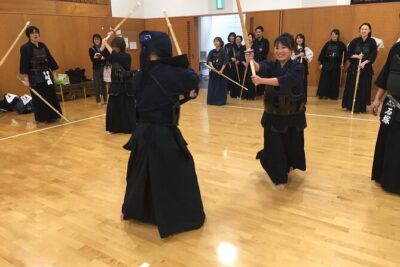
Osaka 2-Hour Genuine Kendo / Samurai Experience In Japan
Read our review →
Osaka 2 Hour Local Street Food Tour in Dotonbori and Namba
Read our review →
This tour also fits