
Reviewed · NIGHTLIFE
Osaka: 2-Hour Nightlife District Walking & Local Food Culture
Osaka night snacks in two hours. This small-group walk is a smart way to see the Namba area after dark, while getting practical help with street food and market navigation.
I like that you get guided time for the big sights and the food spots in a tight loop, and I especially like the mix of atmosphere plus shopping street stops like Hozenji Yokocho and Doguyasuji.
One drawback to plan around: the tour price covers the guide, but street food and drinks are not included, so you will spend extra if you want to sample everything.
In This Review
- Key Points I’d Prioritize
- Why This 2-Hour Namba Night-Food Walk Feels Like a Shortcut
- Meeting Point and Timing: Starting at Don Quijote Dotonbori Midosuji
- Dotombori Glico Sign: Where Your Night Starts With Instant Osaka Energy
- Hozenji Yokocho and the Fudo Myo-o Wish Ritual
- Sennichimae Doguyasuji: The Kitchen-Tool Shopping Street That Foodies Notice
- Kuromon Market: Osaka’s Kitchen for Seafood and More
- What’s Included, What You Pay For, and How to Snack Smart
- Small-Group Pace and Real Local Guidance
- Price and Value: Is $31.84 Worth It?
- Who This Osaka Night Walk Suits Best
- Should You Book This Osaka Night Food Walk?
- FAQ
- How long is the Osaka nightlife and local food culture walking tour?
- What does the tour cost?
- Is food included in the tour price?
- Is this a small-group tour?
- What tour stops will I visit?
- Do the stops have admission fees?
- Where do I meet the tour?
- Is it a mobile ticket?
- Can I cancel for a full refund?
Key Points I’d Prioritize
- Small group size (up to 15) keeps the pace friendly and the guide easier to hear.
- Two-hours long makes it a great first-night option in Osaka without taking over your whole evening.
- Four food-focused stops cover famous Namba scenes and real local market energy.
- English-speaking guide helps you move through busy areas with less guesswork.
- Food flexibility means you can choose what you want to buy at stalls and counters on the spot.
Why This 2-Hour Namba Night-Food Walk Feels Like a Shortcut
Osaka is a city where eating is a full-contact sport, and doing it on your own can feel like a lot of wandering with little clarity. This format keeps things focused. In about two hours, you hit the places that define Namba food culture and you get guidance on what to look for when the streets get crowded.
I also like the practical mix here. You start in the flash-and-flair zone around the Dotonbori area, then you work your way toward quieter, more atmospheric streets, and finally you land at a market where you can choose from seafood and other local favorites. The order matters because it gives you variety instead of a single long stretch of one type of food scene.
Finally, this is built for the way most people travel. If it is your first time in Osaka or you just want a confident intro without overplanning, this kind of short guided walk can get your bearings fast. You can then return later on your own to the spots you liked most.
Other ways to spend a day in Osaka
- Osaka: 2-Hour Local Street Food Tour – Dotonbori & Namba★ 4.6 · 95 reviews
- 1.5〜2 Hours Traditional Kintsugi Work Shop in Namba Osaka★ 5.0 · 75 reviews
- Osaka 2-Hour Genuine Kendo / Samurai Experience In Japan★ 5.0 · 65 reviews
- Osaka 2 Hour Local Street Food Tour in Dotonbori and Namba★ 5.0 · 2 reviews
- 2 Hours Private Painting of Ceramics in Osaka★ 5.0 · 1 review
Meeting Point and Timing: Starting at Don Quijote Dotonbori Midosuji
The tour meets at Don Quijote Dotonbori Midosuji, specifically at 2-chōme-5-9 Nishishinsaibashi, Chuo Ward, Osaka. That location is useful because it is tied to a well-known landmark in the Namba area, and it is near public transportation.
Because the total time is about two hours, treat this like an evening appointment. If you arrive a little late, it can compress the food and photo time at the market. If you arrive early, you can still use the time to get oriented around the area before your guide pulls the group together.
You also get a mobile ticket, so you do not need to hunt for paper confirmation. That makes a difference when you are already juggling train schedules, dinner reservations, and that first wave of Osaka walking energy.
Dotombori Glico Sign: Where Your Night Starts With Instant Osaka Energy
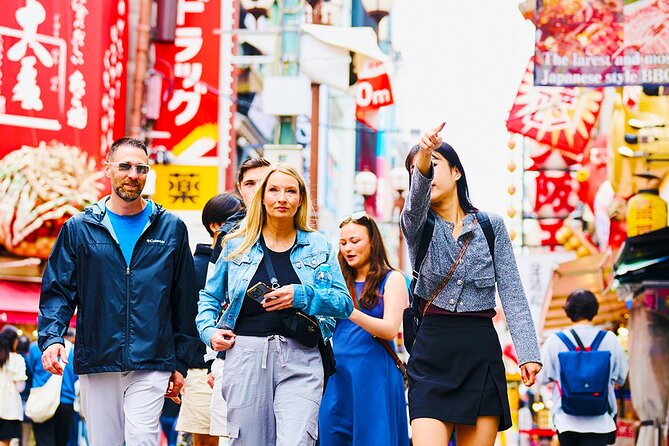
Your first stop is the Dotombori Glico Sign area, and you spend around 30 minutes here. This is the point where Osaka nightlife hits you. Neon signs, crowded sidewalks, and that distinct Dotonbori vibe set the tone for the rest of your walk.
I like starting here because it gives you recognizable landmarks early. Even if you later get separated from your group for a moment, you will have a mental anchor for where you are. The guide also helps you sort out where to go next, which is a big deal in a place where streets can feel like a maze.
The stop itself also works as a food warm-up. You will get street-food context and guidance for what is typically easy to order and enjoy on the move. One consideration: this opening area can feel hectic. If you prefer very calm sightseeing, plan your expectations and keep your camera ready but your shoulder relaxed.
Hozenji Yokocho and the Fudo Myo-o Wish Ritual
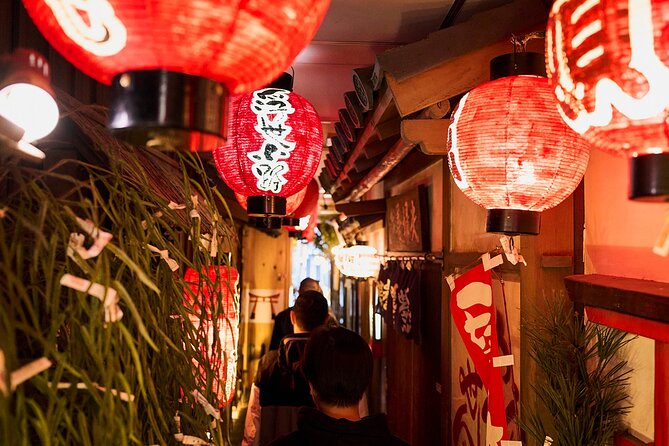
Next is Hozenji Yokocho, around 20 minutes. This is the kind of contrast Osaka is good at: a small, atmospheric lane tucked inside the city rhythm. People come for the moss-covered statue of Fudo Myo-o, and you may notice the ritual visitors do there.
In this spot, visitors often splash water on the statue while making a wish. That small action is part of the place’s charm, and it is also a reminder that Osaka is not only about food lines and shopping streets. It has quieter corners, too.
What I like about this stop in a food tour is that it gives your brain a reset. Markets and stalls can blur together if you start in them too soon. Hozenji Yokocho breaks the sequence, so when you reach the market later, you are more alert and more likely to notice what each vendor is offering.
Possible consideration: because this is a popular, scenic pocket of the city, you will still be in a pedestrian area. If you are sensitive to crowd flow or tight walkways, stick close to your guide’s pace and avoid stopping in the middle of the lane.
Sennichimae Doguyasuji: The Kitchen-Tool Shopping Street That Foodies Notice
After Hozenji, you head to Sennichimae Doguyasuji Shopping Street for about 20 minutes. This is not a normal tourist stop. It is focused on kitchen tools used by professionals, and that makes it fascinating if you care about the craft behind cooking.
Even if you are not planning to buy anything, this is still worth your time. You get to see the kind of tools that professionals rely on, and that can change how you think about street food. When you watch how vendors work later, it can feel more intentional than random vending.
I also like this stop because it adds a layer beyond eating. A lot of food tours only talk about what you taste. Doguyasuji gives you a peek at the gear side of food culture, and that is a fun way to remember Osaka after the last snack.
One practical drawback: shopping streets can tempt you into impulse buys. If your budget is tight, set a limit before you arrive, so you can enjoy the sights without worrying about what you might regret later.
Not ready to leave Osaka yet? A few more ways to fill the day.
- Osaka Go Karting Tour with Funny Costume
★ 5.0 · 2,658 reviews - Osaka Castle: Museum and Tower Entry Ticket
★ 4.5 · 2,380 reviews - Osaka: Shinsekai Food Tour with 13-15 Dishes at 5 Eateries
★ 4.8 · 2,204 reviews
Kuromon Market: Osaka’s Kitchen for Seafood and More

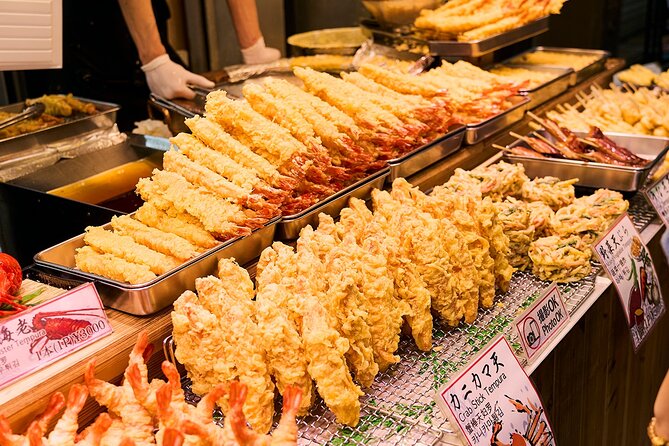
Your final major stop is Kuromon Market, about 30 minutes. It is described as Osaka’s Kitchen, and that label fits. The market is known for fresh seafood, wagyu beef, fruits, sushi, and other items that you can try on the spot.
This is where the guided part helps most. Markets like this can be overwhelming, especially when you see rows of items and you are not sure what is seasonal, popular, or easiest to order. With a guide, you can move more confidently, learn what to look for, and spend your snack budget more intentionally.
I also like that you end here near where the energy of Namba makes sense. After the tour, you can choose to keep going in the same neighborhood rather than relocating across town. If Kuromon is your favorite stop, it is also a place you can revisit later on your own when you have more time to linger.
Consideration: market food is not included in the tour cost. That is the trade-off for not being stuck with a set meal. Plan for extra spending if you want to sample several items, and keep an eye on how your pace feels. You can always buy one or two items and still call it a win.
What’s Included, What You Pay For, and How to Snack Smart
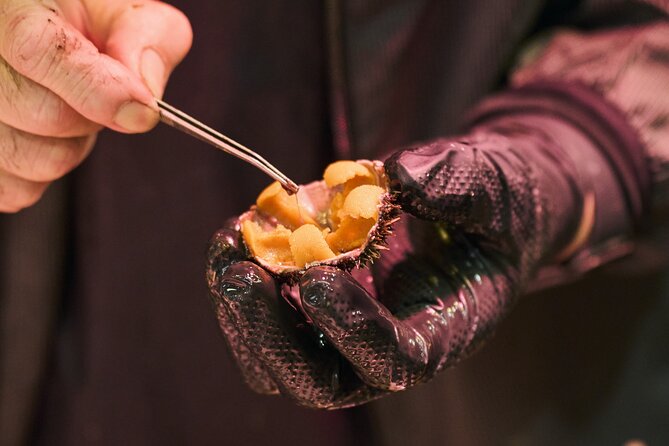
This tour includes an English-speaking guide, and the stops you visit are free from admission ticket costs. What is not included is the food and drinks from street vendors. The tour also does not stop for dining-in as part of the experience cost.
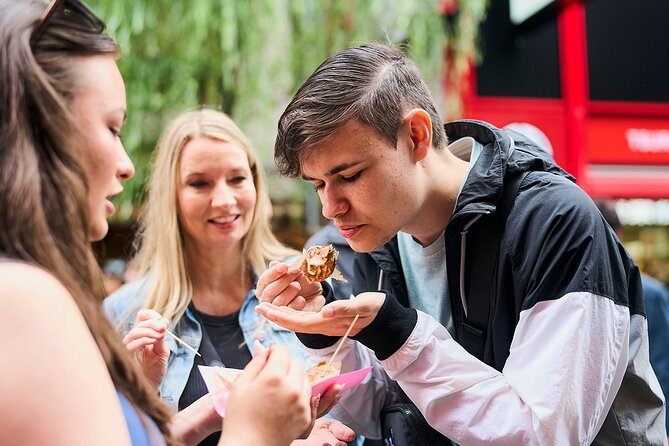
So think of this as guided time for tasting options, not a prepaid buffet. I like that approach because it keeps your choices open. If you want to try takoyaki and gyoza, you can prioritize them. If you would rather focus on seafood from the market, you can lean that way.
A smart way to handle it is to decide your snack plan before you reach Kuromon. For example, you can pick one item for the first big food stop, then save the rest of your hunger for the market. That way you do not end up full too early or overspend on duplicates.
Also, because this is a short walk, do not expect long meal-style pacing. If you normally eat slowly, you might need to slow down by buying fewer items and taking your time at the counter when possible.
Small-Group Pace and Real Local Guidance
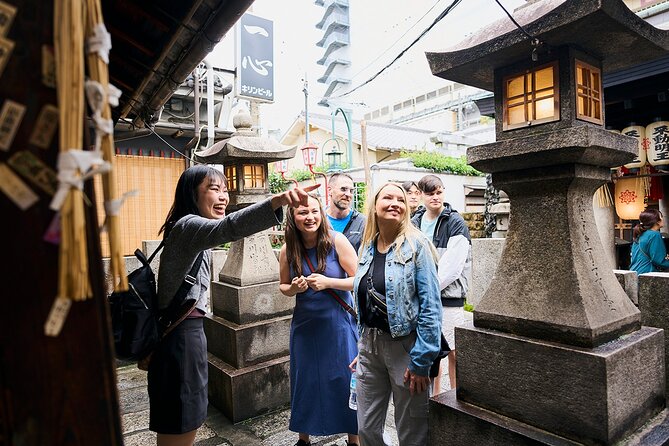
This experience is capped at a maximum of 15 travelers, which is a sweet spot for a walking tour. Small group sizes keep things practical. You are not shouting over dozens of people, and your guide can better keep track of everyone when the streets get busy.
The guidance is offered in English, and the style is about helping you navigate. In feedback, guides such as Kaz, Nako, and Sayaka are praised for showing classic spots alongside off-the-beat choices. That kind of mix matters because it prevents the tour from feeling like a checklist of only the most obvious landmarks.
If you want your night in Osaka to feel less like navigating alone and more like following someone who knows the area, this is the kind of structure that delivers. Your guide can also suggest more places to try during your stay, which is handy if you are staying in the Namba or nearby areas.
One practical consideration: because the tour is only about two hours, you will cover a lot of ground. Wear shoes you trust. This neighborhood rewards comfortable walking.
Price and Value: Is $31.84 Worth It?
At $31.84 per person, you are not paying for meals. You are paying for a guide, guided movement through key stops, and the time structure that strings together Dotonbori, Hozenji, Doguyasuji, and Kuromon in one evening.
That can be good value if you are worried about wasting time. When you are new to Osaka, market navigation is the hard part. The guide helps reduce guesswork and helps you make better snack choices within a short window.
You should also consider the group size advantage. With up to 15 people, you are less likely to feel like you are just being marched by a script. And the fact that you can choose from tours throughout the day means you can match this to when you actually feel like walking and eating.
If you are already very confident about street-food ordering and market browsing, you might skip a guided tour and explore on your own. But if you want a structured path that reduces friction in the Namba area, this price can feel reasonable for what you gain in comfort and clarity.
Who This Osaka Night Walk Suits Best
This tour fits best when you want an efficient, guided introduction to Osaka’s food scene. It is also a great option if you like the idea of seeing famous areas like Dotonbori, but you do not want to only chase photos.
It is especially useful if you enjoy street snacks and want help picking where to go next. The tour’s focus on street food like takoyaki and gyoza, plus a market stop for seafood, suits people who like trying small bites rather than sitting down for a full meal.
You will probably enjoy it most if you are:
- Visiting Osaka for the first time
- Staying in or near the Namba area
- Planning a first evening outing
- Wanting English-speaking guidance in busy food zones
If you dislike crowds or prefer long, slow meals, the time and walking pace might feel too tight. In that case, you might prefer a longer food experience or a food tour built around one neighborhood only.
Should You Book This Osaka Night Food Walk?
Yes, I think you should book it if you want a low-effort way to get your Osaka food night off to a confident start. The value comes from the short, structured loop, the English guide, and the chance to hit Dotonbori energy, Hozenji atmosphere, Doguyasuji kitchen-tool street views, and Kuromon Market in one go.
Book it especially early in your trip, so your guide’s suggestions can help you plan what to do next. If you are on a strict food budget, decide ahead of time how many snacks you want, so the market does not tempt you into spending more than you planned.
FAQ
How long is the Osaka nightlife and local food culture walking tour?
It is approximately 2 hours.
What does the tour cost?
The price is $31.84 per person.
Is food included in the tour price?
No. Food and drinks from street vendors are not included in the tour cost, and the tour does not stop for dining-in.
Is this a small-group tour?
Yes. The maximum group size is 15 travelers.
What tour stops will I visit?
You will visit the Dotombori Glico Sign area, Hozenji Yokocho (including the Hozenji Temple area), Sennichimae Doguyasuji Shopping Street, and Kuromon Market.
Do the stops have admission fees?
The listed admission ticket for each stop is free.
Where do I meet the tour?
The meeting point is Don Quijote Dotonbori Midosuji, at 2-chōme-5-9 Nishishinsaibashi, Chuo Ward, Osaka 542-0086, Japan.
Is it a mobile ticket?
Yes. The tour includes a mobile ticket.
Can I cancel for a full refund?
Yes. You can cancel up to 24 hours in advance for a full refund. If you cancel less than 24 hours before the start time, the amount paid is not refunded.
More Walking Tours in Osaka
- Osaka: Deep Backstreets Walking Tour with Dinner Option★ 4.9 · 902 reviews
- Ultimate Osaka Walking Tour: Castle, Dotonbori & Hidden Gems★ 5.0 · 862 reviews
- Osaka: Main Sights and Hidden Spots Guided Walking Tour★ 4.9 · 702 reviews
- Private Osaka Walking Tour: Highlights & Hidden Gems★ 5.0 · 569 reviews
More Food in Osaka
- Osaka Food Tour: 13 Dishes at 5 Local Eateries★ 5.0 · 2,149 reviews
- Hungry Osaka Street Food Tour:15 Tastings & 3 Drinks with a Local★ 5.0 · 1,727 reviews
- Osaka Local Foodie Walking Tour in Dotonbori and Shinsekai★ 5.0 · 985 reviews
- Hungry Osaka Street Food Tour: 15 Dishes & 3 Drinks★ 4.9 · 694 reviews
Just added around Osaka

Nightlife, compared.
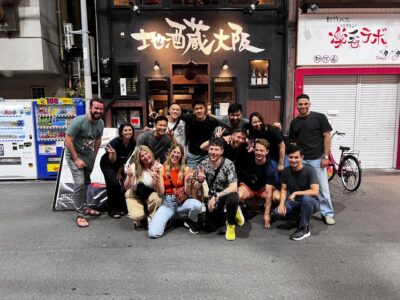


3Hour Osaka Pub Crawl Bar Hopping Nightlife Guided Tour in Namba
Read our review →
Osaka Umeda: PICCADILLY DINNER SHOW & NIGHTCLUB with Tasting
Read our review →
3.5h Osaka Night guided Local Bar Hopping, Sake & Karaoke
Read our review →
PICCADILLY PREMIUM DINNER SHOW&NIGHTCLUB with Tasting
Read our review →
Osaka Bar Hopping | Explore Hidden Bars & Izakayas in Namba
Read our review →
Osaka Dotonbori:GIRAFFE Nightclub Ticket with Drink/VIP Plan
Read our review →This tour also fits