

Reviewed · DAY TRIPS TO KYOTO FROM OSAKA
7 Day Bus Pass: Tokyo, Kanazawa, Takayama, Kyoto and More
Bus travel can feel free here. The LIMON Pass turns Japan’s Golden Route into a hop-on, hop-off style plan, linking Tokyo with Osaka/Kyoto and key mid-route stops like Takayama and Kanazawa. If you catch the right departures, you can also tack on Mt. Fuji 5th Station and Shirakawago.
What I like most is the freedom to build your own order of stops. The pass supports 7 days of travel along the route, with guaranteed daily departures, so you are not stuck waiting for a single train schedule.
One thing to weigh is that you still need to manage logistics, especially seat reservations and tight group rules. Everyone on a single booking has to travel together, and there are baggage limits plus size rules, so you’ll want to pack smart.
In This Review
- Key things to know before you ride
- What the 7-day LIMON Pass covers across Tokyo, Takayama, Kanazawa, Kyoto, and Osaka
- Choosing your start point: Tokyo vs Osaka/Kyoto and how your plan takes shape
- How daily departures and seat reservations work in real life
- Mt. Fuji 5th Station and Shirakawago: exciting add-ons, but only on select departures
- Stop-by-stop breakdown: what each riding day accomplishes for you
- Tokyo, then out onto the route
- Lake Kawaguchiko, plus the Kawaguchiko access taxi note
- Hirayu Onsen: a practical break between cities
- Takayama: a key mid-route city for self-guided exploration
- Kanazawa: another direct stop that keeps your route logical
- Kyoto and Osaka: wrap up your trip with flexible days
- Baggage rules, storage, and how to pack for a bus pass
- What the bus experience feels like, based on what the service is known for
- Who this pass is best for, and who should think twice
- Should you book the LIMON Pass for Japan’s Golden Route?
- FAQ
- What cities and stops does the LIMON Pass include?
- Do I have to reserve seats for each stop?
- Are Mt. Fuji 5th Station and Shirakawago included every day?
- What baggage can I bring?
- Are meals and accommodation included?
- What is the cancellation policy?
Key things to know before you ride
- 7-day flexibility on the Golden Route, with a plan you control and buses handled for you
- Guaranteed daily departures, which makes it easier to adjust your days
- Select departures include Mt. Fuji 5th Station and Shirakawago, but not every departure has them
- Hirayu Onsen sits on the route as a stop, which can break up the big-city rhythm
- Baggage storage is available, but you still have strict piece and size limits
- Great driver and comfort focus, with feedback pointing to excellent drivers and clean, comfortable buses
What the 7-day LIMON Pass covers across Tokyo, Takayama, Kanazawa, Kyoto, and Osaka
This is a bus pass built for the classic cross-country flow from Tokyo toward Osaka and Kyoto. Along that corridor, you get direct bus service to places like Takayama and Kanazawa, plus stops that help you reach areas that can be trickier by train alone.
Your covered stops are listed clearly: Tokyo, Lake Kawaguchiko, Hirayu Onsen, Takayama, Kanazawa, Kyoto, and Osaka. That matters because it lets you plan a route that is realistic for bus travel, rather than trying to force every day to match train timing.
The practical value here is simple: instead of juggling multiple train transfers and schedules, you can treat the route like a moving base. You move when it suits you, and you spend your energy on seeing the places you picked, not decoding rail diagrams.
Also, the service includes baggage storage, which is helpful when you arrive early or want a few hours to explore between rides.
More temples, thirty minutes up the line
- Osaka/Kyoto: Hiroshima Miyajima Bus Tour & Shinkansen Ticket★ 4.7 · 919 reviews
- From Kyoto/Osaka: Kyoto Top Highlights 1-Day Guided Bus Tour★ 4.5 · 714 reviews
- Ancient Capital Tour: Kyoto and Nara Highlights from Kyoto/Osaka★ 4.5 · 332 reviews
- Osaka/Kyoto: Amanohashidate & Miyama Tour with Boat & Lunch★ 4.6 · 207 reviews
- Kyoto and Nara Day Trip from Osaka★ 4.0 · 175 reviews
Choosing your start point: Tokyo vs Osaka/Kyoto and how your plan takes shape
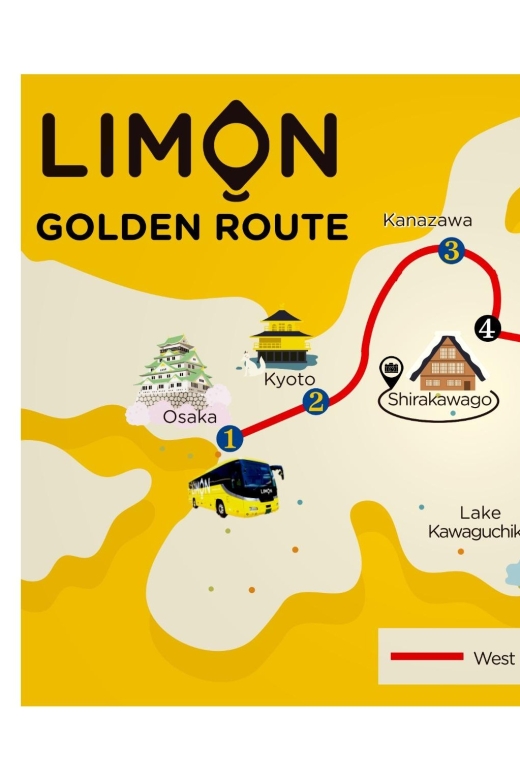
You pick a route that starts from either Tokyo or Osaka/Kyoto. That choice affects the rhythm of your trip because you are basically deciding which end of Japan’s Golden Route you want to work toward.
The pass is designed so you can make your own itinerary. So instead of buying a rigid multi-day package with one set order, you can shape the sequence of cities and timing based on your priorities.
Here’s the key practical tip: think about your “anchor” city first. If you know you want Tokyo up front and Kyoto/Osaka at the end, starting from Tokyo usually feels easiest. If you already have plans in Kansai, starting near Osaka/Kyoto can reduce backtracking.
One more detail that helps planning: the pass supports daily departures, so you’re not stuck waiting days for a specific connection.
How daily departures and seat reservations work in real life
This pass runs on guaranteed daily departures, and it’s meant for self-guided use. But you still need to reserve seats for each stop after booking, so plan for that.
After you book, you log in with your GetYourGuide booking reference ID to reserve seats for each stop. Your itinerary then gets sent to the lead traveler’s email address, which becomes your “control panel” for where you should be and when.
In practice, this is a pass for planners who like flexibility, not for travelers who want zero effort. You’ll manage reservations, confirm your seating, and coordinate timing with your group.
Also, there’s a rule that can affect group travel: all members under one booking have to travel together. If your travel party has different interests or pacing, this can feel restrictive, so consider booking separately if that’s your situation.
Mt. Fuji 5th Station and Shirakawago: exciting add-ons, but only on select departures
Two major sightseeing options are attached to the route: Mt. Fuji 5th Station and Shirakawago. The important catch is that they are for select departures, not automatically every day.
That means you’ll want to decide early which days you want these experiences. If you care about one of them, build your schedule around the departure that includes it.
Why this is valuable: these two stops are the kind of things that can derail a trip if you rely only on standard transport timing. A pass that includes them on certain departure patterns can turn “maybe we can do it” into “we can do it without extra planning.”
The drawback is also clear: if your dates do not line up with the select departures, you might still pass near the region but miss the specific experience. So check the departure options early, and treat these as time-sensitive.
Stop-by-stop breakdown: what each riding day accomplishes for you
Not ready to leave Osaka yet? A few more ways to fill the day.
- Osaka Go Karting Tour with Funny Costume
★ 5.0 · 2,658 reviews - Osaka Castle: Museum and Tower Entry Ticket
★ 4.5 · 2,380 reviews - Osaka: Shinsekai Food Tour with 13-15 Dishes at 5 Eateries
★ 4.8 · 2,204 reviews
Tokyo, then out onto the route
Tokyo is your starting point if you choose that direction. From there, the bus network takes you through the mid-route cities and on toward Kansai.
The benefit of starting in Tokyo is you get your first big chunk of travel right away, instead of spending time piecing together transfers across multiple stations. You are essentially moving your trip forward each day without needing to master multiple rail segments.
A drawback to consider is energy. Starting a multi-city trip immediately can be tiring, so build in at least one lighter day somewhere along the way if you can.
Lake Kawaguchiko, plus the Kawaguchiko access taxi note
The pass includes a stop at Lake Kawaguchiko, which is also where you can connect for the Mt. Fuji 5th Station option on select departures.
There is one specific logistics detail you should know. For customers traveling between Tokyo and Kawaguchiko, the plan can include a taxi connection. The data states a taxi is arranged from the Highland Resort Hotel and Spa to Kawaguchiko Station.
This matters because it is not a pure door-to-door bus scenario. If you are staying near that hotel, it might be smooth. If you are staying elsewhere, you’ll want to confirm what the pickup or transfer point means for your exact lodging.
Hirayu Onsen: a practical break between cities
Hirayu Onsen is included as a stop. Even if you do not plan a long soak, having an onsen-themed stop between busy city days can turn travel days into more of a break than a shuffle.
The practical value: it gives you a natural “pause” point on the route. You can use it for rest, a short walk, or simply to change pace before heading into the next city.
Because the pass only lists it as a stop, you should think of Hirayu Onsen as a flexible window rather than a guaranteed full sightseeing block.
Takayama: a key mid-route city for self-guided exploration
Takayama is one of the major covered cities on this pass. It sits in the middle of the Golden Route flow, which makes it ideal as either a couple-day base or a one-day stop depending on your schedule.
One practical benefit of having it included by direct bus is reducing transfer stress. Instead of hunting for complicated connections, you can plan to arrive, get oriented, and then go explore under your own steam.
There is also a second taxi note tied to Takayama. The plan states that a taxi is arranged for customers traveling between Tokyo and Takayama, with a taxi transfer from the Highland Resort Hotel and Spa to Kawaguchiko Station. That detail sounds most directly connected to the Tokyo to Kawaguchiko flow, but it’s listed alongside the Tokyo-Takayama taxi support, so be sure your itinerary clarifies which transfer applies to you.
Kanazawa: another direct stop that keeps your route logical
The pass includes Kanazawa as a stop. That is a big deal for bus planning because it creates a clean, linear route across multiple regions.
If you want a trip that feels more like a string of meaningful places rather than an endless sequence of check-in and check-out, having both Takayama and Kanazawa built in can help. You can spread your nights across these cities and reduce how often you change hotels.
Since meals and accommodation are not included, you’ll treat Kanazawa as a place to use your own lodging and meal plans. The pass handles transport, not your dining.
Kyoto and Osaka: wrap up your trip with flexible days
The route includes both Kyoto and Osaka. This is the classic endgame for many trips to Japan, and using the pass can make it easier to position yourself for different types of days.
The practical win is that you get to decide how many days to spend in each city because the pass supports 7 days of travel. You can ride through on one day and stay longer another day, as long as your reserved seats match.
One small planning consideration: since this is bus-based, you should expect your timing to be shaped by bus departures rather than the most frequent train options.
Baggage rules, storage, and how to pack for a bus pass
This type of pass lives or dies on packing. The good news is baggage storage is available. The not-so-fun part is the strict baggage rules and responsibility terms.
Key rules you should follow:
- You must manage your own baggage, and the provider will not be responsible for lost, damaged, or left-over items unless negligence is recognized.
- There are restrictions on baggage size and how many pieces you can bring, with a total of 3 bags per person.
The size and piece limits are listed as:
- Large suitcase: maximum overall dimensions within 208 cm, 1 bag
- Small suitcase: maximum overall dimensions within 126 cm, 1 bag
- Small carry-on bag that can be brought to your seat: 1 bag
So you can bring up to two suitcases plus one carry-on, as long as each piece stays within those dimension limits.
Also, the bus vehicle may vary depending on passenger numbers. That makes the “can I lift my bag into the storage area” question very real. Pack with the assumption that you’ll need to handle your own items.
If you want an easy rhythm, keep one smaller bag as your daily kit for water, chargers, and snacks. You’ll be glad you can carry it with you.
What the bus experience feels like, based on what the service is known for
Even without a personal ride report, the service signals a clear standard. The best-rated feedback emphasizes excellent drivers, clean and comfortable buses, and a great service feel.
That matters more than people expect. A multi-day bus pass can become miserable if vehicles run rough, drivers feel rushed, or cleanliness is inconsistent. Here, that comfort and professionalism is a selling point worth believing.
One more practical note: the bus pass includes guaranteed daily departures, so you are not gambling on a single departure time that could be missed. That helps keep your trip moving.
Who this pass is best for, and who should think twice
This pass is a strong fit if you want:
- A self-planned multi-city trip from Tokyo toward Kyoto and Osaka
- Direct bus coverage for places like Takayama, Kanazawa, and Lake Kawaguchiko
- A route that can reach Mt. Fuji 5th Station and Shirakawago on select departures
- The convenience of baggage storage and less transfer complexity than trains alone
It might be less ideal if:
- Your group cannot travel together, since all members under one booking have to ride together
- You need a completely free-form schedule with no seat reservations
- You pack large luggage and are not willing to follow the 3 bags rule and the dimension limits
- You are counting on every day to include Mt. Fuji or Shirakawago, since those are only on certain departure options
Should you book the LIMON Pass for Japan’s Golden Route?
I’d book it if your priority is practical transport across multiple regions with less schedule stress. The route structure is clear, the coverage is broad for the Golden Route corridor, and the service reputation leans heavily toward excellent drivers and clean, comfortable buses.
I would think twice if your trip dates do not line up with the select departures for Mt. Fuji 5th Station or Shirakawago, or if your travel party does not move as one unit. In those cases, the reservation effort and the together-only rule could irritate you.
Before you commit, do two quick checks:
- Look at which departure days include the Mt. Fuji 5th Station and Shirakawago options, if those are must-dos for you.
- Confirm you can pack within the 3-bag limits, including carry-on size you can take to your seat.
If those boxes work for you, this pass can give you a very workable, low-friction way to see a lot of Japan without turning your trip into a transportation puzzle.
FAQ
What cities and stops does the LIMON Pass include?
The pass lists stops at Tokyo, Lake Kawaguchiko, Hirayu Onsen, Takayama, Kanazawa, Kyoto, and Osaka.
Do I have to reserve seats for each stop?
Yes. After booking, you reserve seats for each stop using your GetYourGuide booking reference ID. Your itinerary is then sent to the lead traveler’s email address.
Are Mt. Fuji 5th Station and Shirakawago included every day?
No. Mt. Fuji 5th Station and Shirakawago are included for select departures.
What baggage can I bring?
You can bring a total of 3 bags per person: one large suitcase (up to 208 cm), one small suitcase (up to 126 cm), and one small carry-on that can go with you to your seat.
Are meals and accommodation included?
No. Meals and accommodation are not included.
What is the cancellation policy?
You can cancel up to 11 days in advance for a 95% refund.
Just added around Osaka
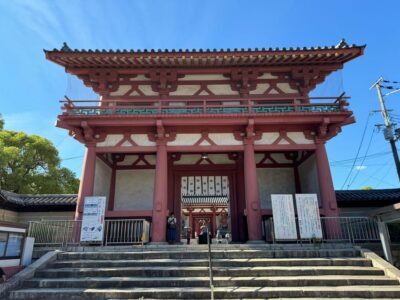


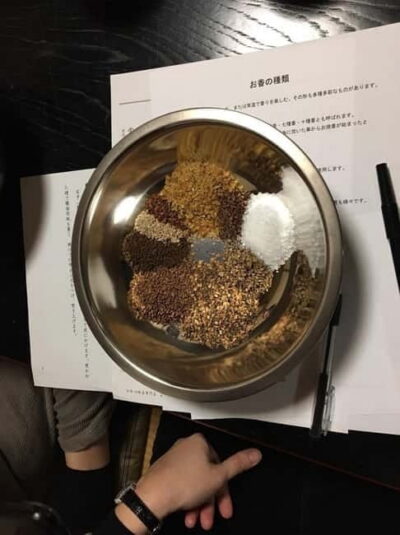
Day Trips to Kyoto from Osaka, compared.
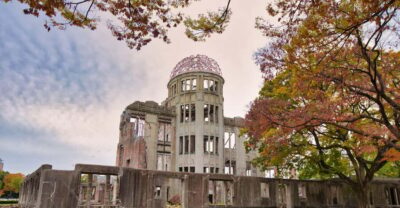
Osaka/Kyoto: Hiroshima Miyajima Bus Tour & Shinkansen Ticket
Read our review →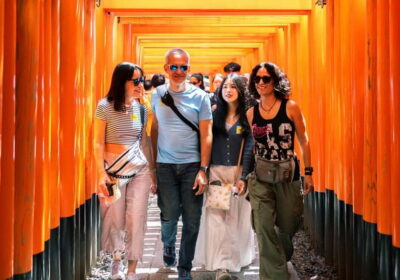
From Kyoto/Osaka: Kyoto Top Highlights 1-Day Guided Bus Tour
Read our review →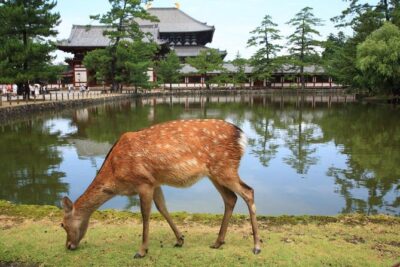
Ancient Capital Tour: Kyoto and Nara Highlights from Kyoto/Osaka
Read our review →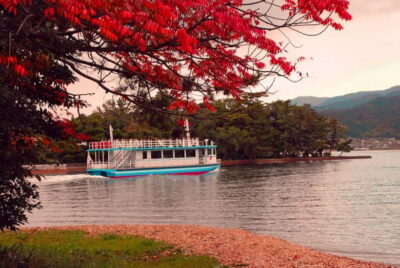
Osaka/Kyoto: Amanohashidate & Miyama Tour with Boat & Lunch
Read our review →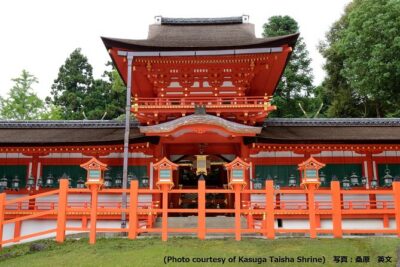

Full Day Tour of Kyoto with Private Transportation
Read our review →
Kyoto & Nara Private customized tour with English speaking Guide
Read our review →This tour also fits