

Reviewed · DAY TRIPS TO KYOTO FROM OSAKA
Best of Kyoto and Nara Highlights Day Tour from Osaka (7~9 spots)
Two ancient cities, one efficient day.
I like how this tour strings together Kyoto and Nara in a 10-hour format, without forcing you to plan every transfer. Two things I really appreciate: the English & Korean speaking guide who keeps you moving, and the way the stops mix big-name sights with smaller, more peaceful moments like shrine lanes and bamboo paths.
Here’s the trade-off. You are on a fixed schedule, so you cannot linger forever. If you hate crowds or you want slow, detailed temple time, the pacing can feel tight, especially around the later Kyoto highlights.
In This Review
- Key points to know before you go
- One-day Kyoto and Nara from Osaka, how the timing actually feels
- Two routes, Mon-Wed-Fri versus Tue-Thu-Sat
- Kasuga Grand Shrine and Nara Park, a calm start with strong visual payoff
- Todai-ji and the Great Buddha, where optional tickets change your level of focus
- The short viewpoint break behind Nara Park on the Arashiyama route
- Uji stop: Byodoin Temple and Omotesando before Fushimi Inari
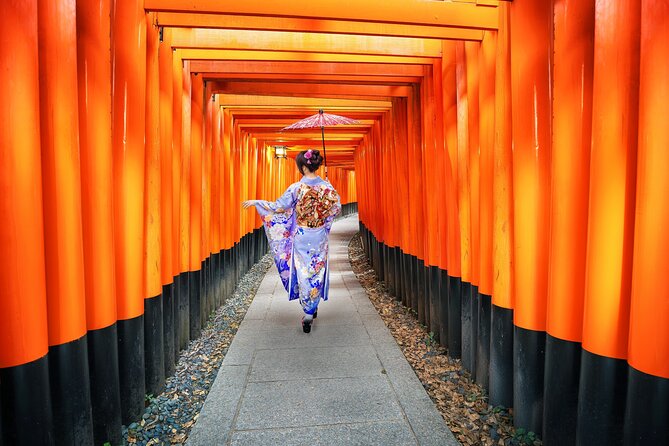
- Fushimi Inari Taisha, the torii tunnel that steals the show
- Arashiyama bamboo forest and river crossing on the Tue-Thu-Sat route
- Nishiki Market and Kiyomizu-dera, your Kyoto payoff
- Guides, pacing, and why this tour feels well-run
- Price and value: what you pay, what you add on
- Practical advice to get the best day out of 10 hours
- Should you book this Kyoto and Nara highlights tour?
- FAQ
- Which days run the Fushimi Inari route versus the Arashiyama route?
- What time does the tour start and what time do we return to Osaka?
- How long is the tour?
- What is included in the tour price?
- Is admission to Todaiji, Byodoin, and Kiyomizu-dera included?
- Are any stops free?
- Do meals come with the tour?
- What is the meeting point?
- What happens to Nishiki Market during cherry blossom season on the Arashiyama route?
Key points to know before you go
- Two route options by day of week: Mon, Wed, Fri = Fushimi Inari route, Tue, Thu, Sat = Arashiyama route.
- First stops hit fast: depart Osaka at 8:00 AM, reach the first destination at 9:00 AM, and return by 6:00 PM.
- A small-group experience in practice: max capacity is 49, and some departures run closer to a small group size.
- Optional paid temple halls: Todaiji, Byodoin, and Kiyomizu-dera have optional main hall admissions.
- Seasonal swap on the Arashiyama route: in cherry season, Nishiki Market may be replaced by Maruyama Park with an adjusted order.
- Good for solo travelers who want help: guides may offer to help with photos when you are traveling alone.
One-day Kyoto and Nara from Osaka, how the timing actually feels
This is a day tour that starts in Osaka at Tsurutontan Soemoncho at 8:00 AM, then returns to the same spot at 6:00 PM. The whole experience is about 10 hours, and that matters because Kyoto and Nara are spread out enough that doing them yourself in one day would be a coordination headache.
The tour also gives you clear expectations for the day’s flow. You are not aimlessly wandering. You have a guide, set stops, and set arrival windows, plus time allocated per site. That structure is the point, and it is why the tour works well if you want the highlights without building an itinerary from scratch.
One more practical note: the operator uses a mobile ticket, so keep your phone charged. It sounds obvious, but on a full day of walking and transit, battery anxiety is the last thing you want.
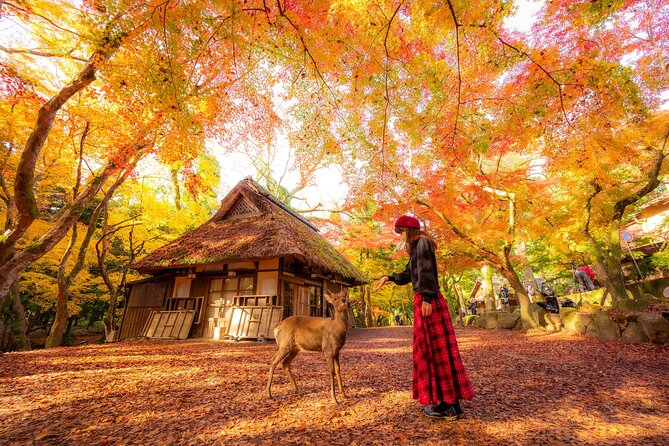
Deer that bow back, minutes from Osaka
- Ancient Capital Tour: Kyoto and Nara Highlights from Kyoto/Osaka★ 4.5 · 332 reviews
- Kyoto and Nara Day Trip from Osaka★ 4.0 · 175 reviews
- Discover Himeji, Kobe and Nara from Osaka★ 5.0 · 101 reviews
- Kyoto & Nara Private customized tour with English speaking Guide★ 4.5 · 99 reviews
- Kyoto and Nara UNESCO Highlights Full-day Tour From Osaka★ 4.5 · 50 reviews
Two routes, Mon-Wed-Fri versus Tue-Thu-Sat
The best part of this tour is that you do not get stuck with one rigid plan year-round. There are two different routes, depending on which day you book.
Fushimi Inari route (Mon, Wed, Fri):
You’ll see Kasuga Grand Shrine, Nara Park, Todai-ji, then head to Byodoin Temple and Byodoin Omotesando in Uji, and finish with Fushimi Inari Taisha with its famous torii gates.
Arashiyama route (Tue, Thu, Sat):
You’ll see Kasuga Grand Shrine, Nara Park, Todai-ji, then add a short viewpoint hike behind Nara Park, and move through Arashiyama for bamboo, Nonomiya Shrine, and Togetsukyo Bridge. The Kyoto portion includes Nishiki Market and Kiyomizu-dera.
If you care more about walking through torii gates up a mountain path, choose the Fushimi Inari day. If you want bamboo, river views, and the Kyoto classics around Kiyomizu-dera, pick the Arashiyama day.
Kasuga Grand Shrine and Nara Park, a calm start with strong visual payoff
Most day tours start with something loud and crowded. This one starts with atmosphere.
Stop 1: Kasuga Grand Shrine
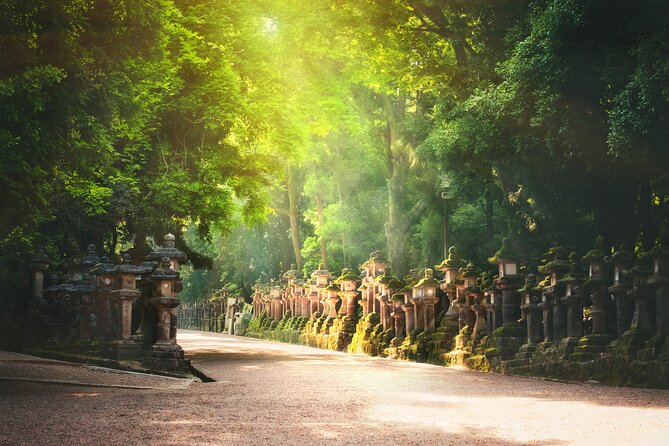
You spend about 30 minutes at a Shinto shrine known for its hundreds of stone and bronze lanterns. Even with limited time, the visual cue is immediate. It is one of those places where the setting does half the storytelling for you, and the lantern field helps you understand why it feels sacred even before you read a single sign.
Stop 2: Nara Park
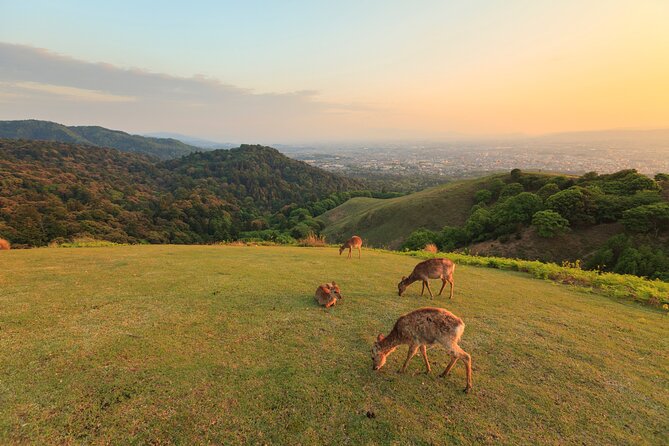
Another 30 minutes gives you a chance to walk the park area where deer roam freely. This is one of the easiest stops to enjoy because you do not need to plan much. You simply follow the group, then take a short wander on your own.
The only consideration here is time. Thirty minutes is enough for a first pass, not enough for long detours if you get distracted by the deer (you will).
Todai-ji and the Great Buddha, where optional tickets change your level of focus
Stop 3: Todai-ji Temple
You get around 30 minutes here, and the main draw is the Great Buddha, housed inside a massive wooden hall. This is not just a photo stop. The hall is big enough that the scale tends to land even if you are tired.
Important detail: Todai-ji admission is not included for the main hall option. The optional main hall admission is 800 Yen. If you are the type who likes to see the interior properly, budget the additional cost. If your priority is photos and exterior views, you can still enjoy the time without adding the ticket.
Also, plan your energy. This is the stop where you want to be mentally ready to focus, not the stop where you are counting the minutes until the next bus ride.
The short viewpoint break behind Nara Park on the Arashiyama route
On the Arashiyama days, there’s a built-in little upgrade after Todai-ji.
You get access to a gentle grassy hill behind Nara Park, described as offering panoramic views of Nara City and key landmarks, including the big roof of Todai-ji. It is a short hike with scenic reward, and it does something clever for your day: it gives you a breather between major temple viewing and the busier Kyoto portion.
This is also a good moment to stretch your legs. The day is long, and after sitting on transit, your body will appreciate the movement. Just remember you will likely be walking on uneven ground, so comfortable shoes beat anything stylish.
More temples, thirty minutes up the line
- Osaka/Kyoto: Hiroshima Miyajima Bus Tour & Shinkansen Ticket
★ 4.7 · 919 reviews - From Kyoto/Osaka: Kyoto Top Highlights 1-Day Guided Bus Tour
★ 4.5 · 714 reviews - Osaka/Kyoto: Amanohashidate & Miyama Tour with Boat & Lunch
★ 4.6 · 207 reviews
Uji stop: Byodoin Temple and Omotesando before Fushimi Inari
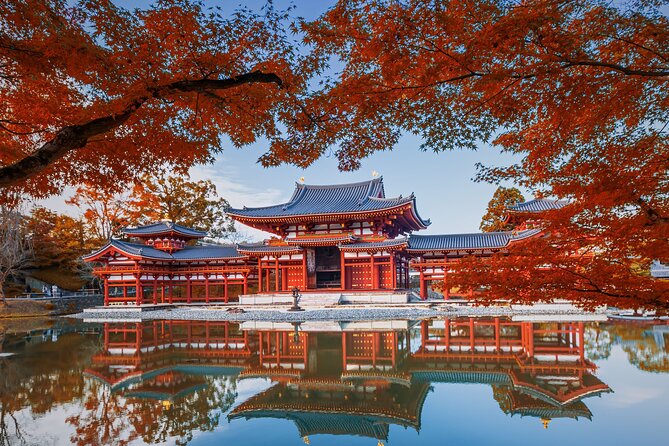
If you are on the Mon, Wed, Fri route, your middle-of-the-day shift is focused on Uji.
Stop 4: Byodoin Temple (40 minutes)
This is a Buddhist architecture highlight, and it is especially famous for the Golden Phoenix Hall, known from the Japanese 10-yen coin. Here, you get 40 minutes, which is a solid window to take in the hall and pond views and still have time for a slower look.
The optional main hall admission is 700 Yen, and it is not included. If you want the full effect of the iconic view from inside the area, this is one of the stops worth paying for.
Stop 5: Byodoin Omotesando (50 minutes)
Next you move to a traditional street with tea houses. This is your lunch time, but the tour is clear: lunch is on your own expense. The upside is that you have a proper window to eat without the usual scramble. And since Uji is known for matcha treats, expect the area to be matcha-friendly.
One practical tip: because lunch is optional and on your own, your biggest risk is ordering too much and then feeling heavy later on the torii-gate walk at Fushimi Inari.
Fushimi Inari Taisha, the torii tunnel that steals the show
Stop 6: Fushimi Inari Taisha (50 minutes)
This is the signature stop on the Fushimi Inari route, with thousands of vermillion torii gates winding up Mount Inari. The experience is as much about the rhythm of walking as it is about the scenery. You move through the gates in a way that feels like a slow corridor, and that is exactly why it is so popular.
The tour gives you about 50 minutes, so you can enjoy the main tunnel path and still get back to the group without panic. If you prefer fewer crowds and fewer steps, focus on the lower portions rather than aiming for the very top, and you will get a more relaxed experience.
Arashiyama bamboo forest and river crossing on the Tue-Thu-Sat route
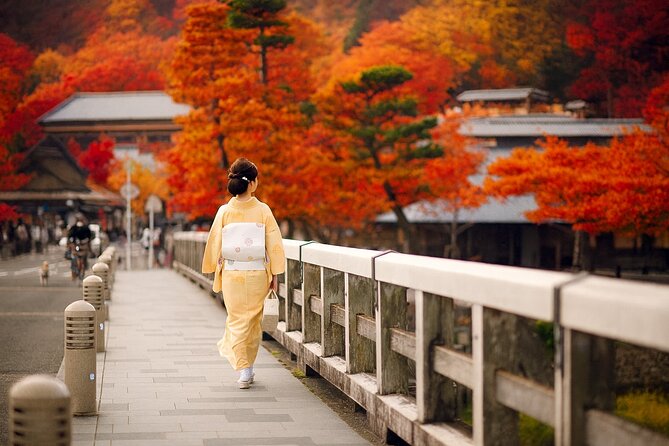
For Arashiyama days, the tour turns Kyoto into a calmer, greener walk.
Stop 7: Arashiyama Bamboo Forest (25 minutes)
You get a short stroll through the bamboo grove where sunlight filters through dense stalks. Even in a short time window, the effect is instant: you get the shaded hush and the “vertical forest” feeling that makes the place so recognizable in photos.
Stop 8: Nonomiya Shrine (30 minutes)
This is a smaller Shinto stop inside the forest area. It’s described as spiritually significant with a history dating over a thousand years. Since it is smaller, it can be easier to appreciate than the biggest attractions.
Stop 9: Togetsukyo Bridge (25 minutes)
You finish this trio at Togetsukyo Bridge, spanning the Katsura River. It is one of Arashiyama’s famous landmarks, and the mention that it goes back to the Heian period adds context without bogging you down.
This cluster works well because it is layered. Bamboo sets the mood, Nonomiya gives you meaning, and the bridge gives you perspective over the river.
Nishiki Market and Kiyomizu-dera, your Kyoto payoff
The Kyoto portion finishes with food energy and then big temple views.
Stop 10: Nishiki Market (1 hour)
Nishiki Market is called Kyoto’s kitchen, with over a hundred stalls offering snacks and Kyoto specialties. The tour time is 1 hour, which is enough to taste a couple of things and pick up something small to carry.
If you travel in spring cherry blossom season, there’s a key seasonal detail: on this Arashiyama route, Nishiki Market may be replaced by Maruyama Park, and the order of stops adjusts.
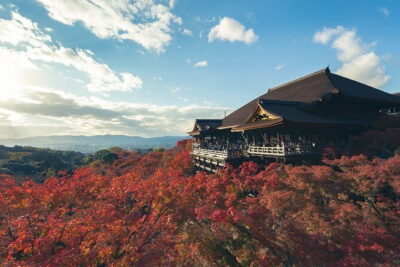
Stop 11: Kiyomizu-dera (1 hour 20 minutes)
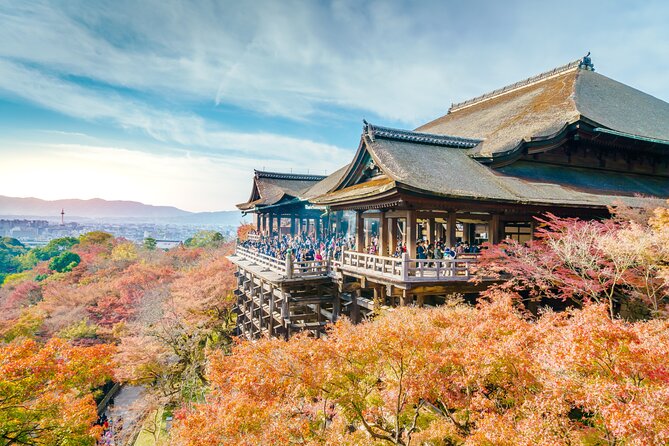
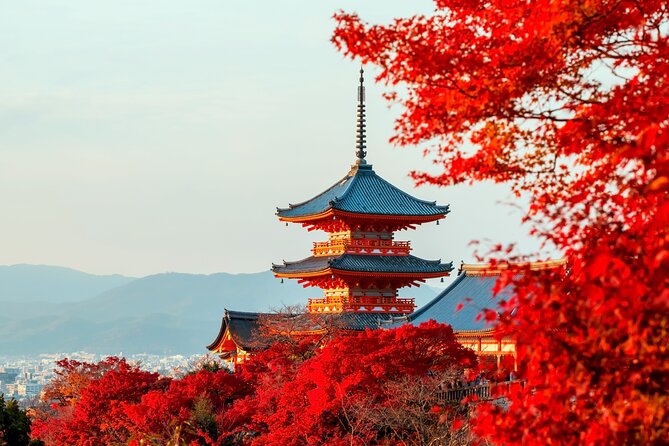
This is a UNESCO World Heritage site, known for the wooden stage and panoramic views over Kyoto. The tour gives you 1 hour 20 minutes, which is generous compared to many day tours, and it means you can watch the view, move through the site, and still feel unhurried.
The optional main hall admission is 500 Yen, not included. If you want to maximize the Kiyomizu experience, plan to pay for the main hall. If you mainly care about the overall scene and stage area, you can decide based on your energy.
Guides, pacing, and why this tour feels well-run
This kind of day tour lives or dies by the guide. And the feedback points to a pattern: the best days are the ones where the guide explains calmly and helps you navigate without stress.
I like that this tour includes an English & Korean speaking guide, because Kyoto signage is one thing, but temple and shrine context is another. Guides named Yuri and Soae Lee have been described as patient and kind, with explanations delivered in a way that makes sense even if you are not a first-time Japan reader. That patience matters when you are walking a long day.
There’s also a helpful detail for solo travelers. A guide named Min was praised for stepping in to help with photos when there was no one else to take them. If you are traveling alone and want at least a few decent photos, that small kindness can be the difference between a good day and a frustrating one.
Pacing-wise, the schedule is built with short, focused stop times. That helps you see more. The downside is you cannot fully slow down. So the smartest strategy is to treat each stop as a highlight pass, then save deeper exploration for a separate Kyoto or Nara day.
Price and value: what you pay, what you add on
At $55.17 per person, this tour is priced like a real value proposition for a day that covers transportation plus a guided route across two regions. The included basics are transportation and an English & Korean speaking guide.
What you should expect to add is admissions where specified. The tour notes optional main hall admissions for:
- Todaiji Temple: 800 Yen
- Byodoin Temple: 700 Yen
- Kiyomizu-dera: 500 Yen
Kasuga Grand Shrine and Nara Park are free, and the markets and forest walk areas are built into the schedule without stating added fees.
So the value comes down to your style. If you pay for the main halls, you will spend extra, but you will also get the full temple interior experience at the big three. If you keep it to the included areas, you still get the iconic exteriors and scenic walking routes.
One more cost-smart idea: since lunch is on your own expense in the Byodoin Omotesando time slot, set a rough lunch budget before you go. Otherwise, matcha and snack stalls can add up fast.
Practical advice to get the best day out of 10 hours
This tour is designed for movement, so prepare like you are planning for walking.
- Wear comfortable shoes. You will walk through torii gates at Fushimi Inari and move between bamboo, shrines, and bridge areas in Arashiyama.
- Keep a light bag. You will have time on Nishiki Market to snack and maybe buy small items, but your best experience comes when you can still move easily.
- Decide early about optional tickets. Todai-ji, Byodoin, and Kiyomizu-dera are the ones called out for main hall admissions.
- Be ready for traffic and weather changes. The schedule can adjust based on real-time conditions, and the guide may shift the order or timing.
If you handle crowds well and you like seeing a lot without over-planning, you will probably love this format. If you hate bus days, consider spending two separate days instead of forcing everything into one.
Should you book this Kyoto and Nara highlights tour?
If you want an organized, guided route that gets you Kyoto and Nara highlights from Osaka in one shot, this is a strong candidate. The two-route system also helps you match your interests, either torii gates in Fushimi Inari days or Arashiyama bamboo plus Kiyomizu-dera on the other schedule.
I would book it if:
- You value structure and want a guide to handle the flow.
- You are okay with a highlight-level visit at each stop rather than deep study.
- You plan to budget for the optional temple halls you care about most.
I would skip or reconsider if:
- You want long, slow time inside the major temples.
- You dislike fixed schedules and prefer to wander on your own.
Overall, for first-timers and time-crunched visitors, this day tour is one of the more practical ways to cover a lot of ground while still getting context from a real guide.
FAQ
Which days run the Fushimi Inari route versus the Arashiyama route?
The Fushimi Inari route runs on Mon, Wed, and Fri. The Arashiyama route runs on Tue, Thu, and Sat.
What time does the tour start and what time do we return to Osaka?
The tour starts at 8:00 AM from Tsurutontan Soemoncho and returns back to the same meeting point at about 6:00 PM.
How long is the tour?
The duration is about 10 hours.
What is included in the tour price?
The tour includes transportation and an English & Korean speaking guide.
Is admission to Todaiji, Byodoin, and Kiyomizu-dera included?
No. Optional main hall admissions are not included. The listed main hall fees are 800 Yen for Todaiji, 700 Yen for Byodoin, and 500 Yen for Kiyomizu-dera.
Are any stops free?
Yes. Kasuga Grand Shrine and Nara Park are listed as free, and other stop areas are described without included admission fees.
Do meals come with the tour?
Meals are not included. Lunch time is specifically mentioned for the Byodoin Omotesando stop on the Fushimi Inari route, and it is at your own expense.
What is the meeting point?
The meeting point is Tsurutontan Soemoncho.
What happens to Nishiki Market during cherry blossom season on the Arashiyama route?
During cherry blossom season, Nishiki Market will be replaced by Maruyama Park, and the order of stops will be adjusted.
Just added around Osaka

Day Trips to Kyoto from Osaka, compared.
Osaka/Kyoto: Hiroshima Miyajima Bus Tour & Shinkansen Ticket
Read our review →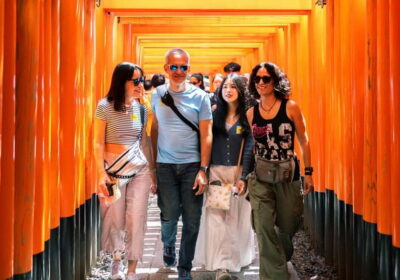
From Kyoto/Osaka: Kyoto Top Highlights 1-Day Guided Bus Tour
Read our review →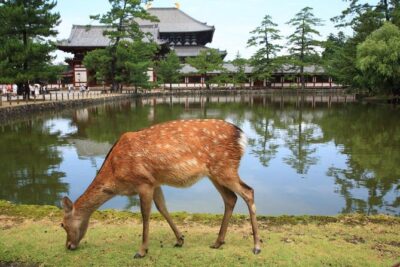
Ancient Capital Tour: Kyoto and Nara Highlights from Kyoto/Osaka
Read our review →
Osaka/Kyoto: Amanohashidate & Miyama Tour with Boat & Lunch
Read our review →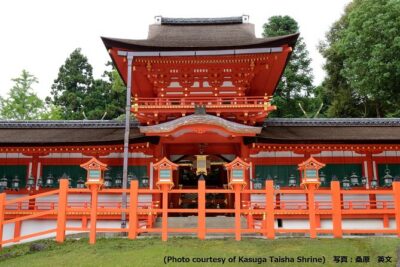

Full Day Tour of Kyoto with Private Transportation
Read our review →
Kyoto & Nara Private customized tour with English speaking Guide
Read our review →This tour also fits