Reviewed · FOOD
Deep Dive: Osaka Food Markets from Local to Luxurious!
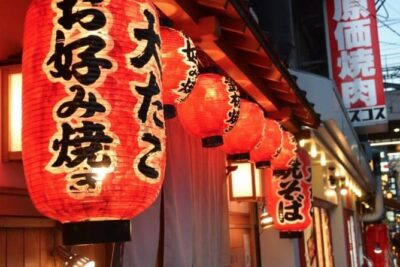
Osaka food markets are a map for your stomach. This private tour links the places that shape how locals shop and eat, moving from Takashimaya depachika to Kuromon Ichiba. You get short stops, lots of street-level context, and a guide who explains what you are looking at and how it fits into Osaka food culture.
I love the mix of market styles, from a department store underground food hall to a local wet market and then on to covered shopping streets. I also like the human factor, with native or near-native language support and guides such as Ferdinand and Kevin who help with explanations and practical recommendations as you browse.
One watch-out: it is not an all-inclusive snack parade. Samples and refreshments are not included, so if you want to eat, you should plan on buying what you choose along the way.
In This Review
- Key highlights worth circling
- Osaka Food Markets, Designed to Help You Shop Like a Local
- Price, Time, and the Practical Stuff You Should Know
- Takashimaya Osaka Store and the Depachika Mindset
- What to do during your depachika time
- Pulala Tenma Wet Market, Where Ingredients Tell the Story
- Tenjinbashi-suji: Osaka’s Longest Arcade Plus a Real Supermarket Check
- The smart move here
- Osaka Tsuruhashi Ichiba: Korea Town Shopping With a Food Twist
- Kuromon Market: Great Sights, Higher Prices, and Better Choices With a Guide
- If you are price sensitive
- Sennichimae Doguyasuji: Kitchenware Paradise for Knives, Ceramics, and More
- A practical buying tip
- Minami (Namba) and the Dotonbori Finish: Where the Lights Take Over
- What You Learn Beyond Food: Ordering Confidence and Market Smarts
- A good way to use the guide
- Who This Tour Fits Best (And Who Might Want Another Plan)
- Should You Book This Osaka Food Markets Tour?
- FAQ
- How long is the Osaka food markets tour?
- Is the tour private?
- Is transportation included in the price?
- Are food tastings or snacks included?
- Does the tour offer pickup?
- Where do I meet and where does the tour end?
- Is there a lot of walking?
Key highlights worth circling
- Four market zones in one route, so you see Osaka food culture from multiple angles, not just one famous stall street
- Real-world shopping guidance, with a guide who helps you understand what to buy and how to order
- Depachika at Takashimaya, a department store food hall that sets the tone with high-quality displays
- Korea Town at Osaka Tsuruhashi Ichiba, where food shopping mixes with cultural goods like clothing
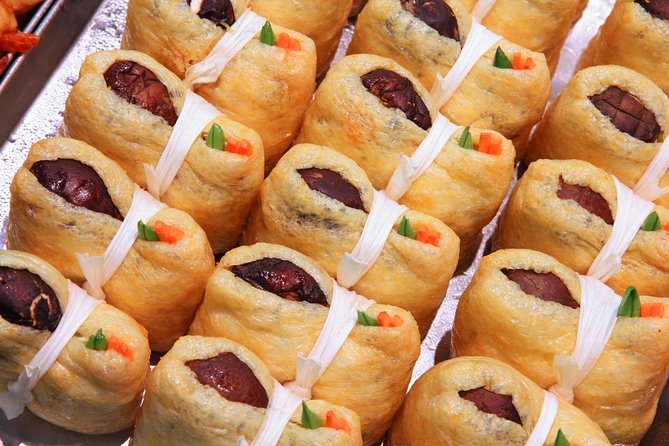
- Kitchenware at Doguyasuji, a fun detour for knives, ceramics, lacquer chopsticks, and even wax sushi models
Osaka Food Markets, Designed to Help You Shop Like a Local
Osaka can feel like one long blur of signs, scents, and menus. This tour gives you structure, so you are not just wandering Kuromon with a hungry plan and zero strategy. Instead, you learn how Osaka food markets work, how ingredients move from stall to plate, and how to talk your way through choices with a guide at your side.
I like that the experience aims for a specific outcome: you leave more confident navigating food markets and ordering dishes on your own. That matters. Food is easier to enjoy when you can actually pick what you want and understand what you are buying.
And the route is built for variety. You get department store precision, traditional market energy, and shopping streets where people buy supplies, not just snacks. That mix is why this is more than a highlight tour.
Other ways to spend a day in Osaka
- Osaka: Shinsekai Food Tour with 13-15 Dishes at 5 Eateries★ 4.8 · 2,204 reviews
- Osaka Food Tour: 13 Dishes at 5 Local Eateries★ 5.0 · 2,149 reviews
- Hungry Osaka Street Food Tour:15 Tastings & 3 Drinks with a Local★ 5.0 · 1,727 reviews
- Osaka Local Foodie Walking Tour in Dotonbori and Shinsekai★ 5.0 · 985 reviews
- Hungry Osaka Street Food Tour: 15 Dishes & 3 Drinks★ 4.9 · 694 reviews
Price, Time, and the Practical Stuff You Should Know
This experience runs about four hours, with a choice of morning or afternoon. It is priced at $91 per person, and the operator averages booking about 48 days in advance, which is a good sign that people plan it as a core Osaka activity.
Because it is a private tour, you are not stuck matching pace with strangers. That can make a big difference in markets, where people naturally slow down to compare brands, packaging, and portion sizes.
Pickup is offered, and you’ll have a mobile ticket. Transportation is not included, listed around 330 yen per adult, so you should budget that on top of the tour price.
Also, wear shoes for walking. The route is short at each stop, but it still adds up to a solid amount of foot time across arcades, market aisles, and shopping streets. This is the kind of tour where you will feel it in your legs if you show up in sandals.
Takashimaya Osaka Store and the Depachika Mindset
Your first hub is Takashimaya Osaka Store, specifically the depachika, the famous underground food halls in Japanese department stores. These places are not only about food. They teach you how Japanese grocery culture can look like a showroom, with everything presented clearly and cleanly.
What I love here is the “starter lesson” vibe. You get to see how raw ingredients, packaged items, and Japanese and Western-style food offerings are organized. It is an easy way to reset your sense of what a market can be, before you hit more traditional areas later.
This stop is only around 20 minutes, but it sets up the rest of your day. If you learn what to look for in one highly curated space, you will shop smarter in the busier markets that follow. Admission here is free, so you are paying for guidance and timing, not extra entry costs.
What to do during your depachika time
Look for what you can realistically buy and carry. Take note of how items are labeled and displayed. And if you are unsure what to order later, ask your guide for shopping strategy, not just recommendations.
Pulala Tenma Wet Market, Where Ingredients Tell the Story
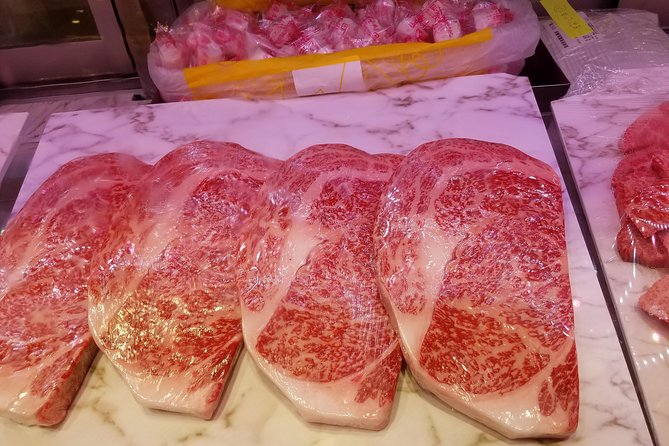
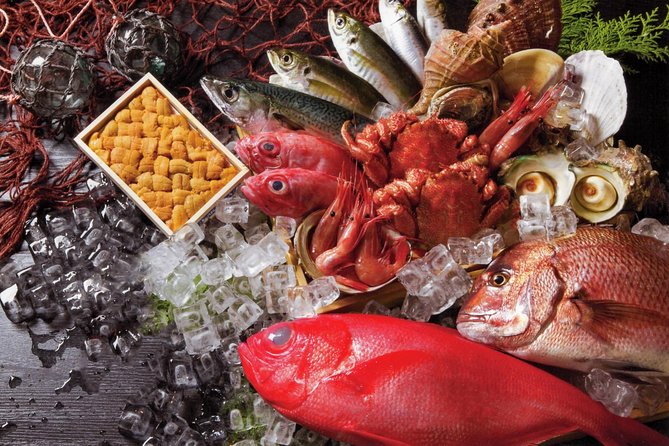
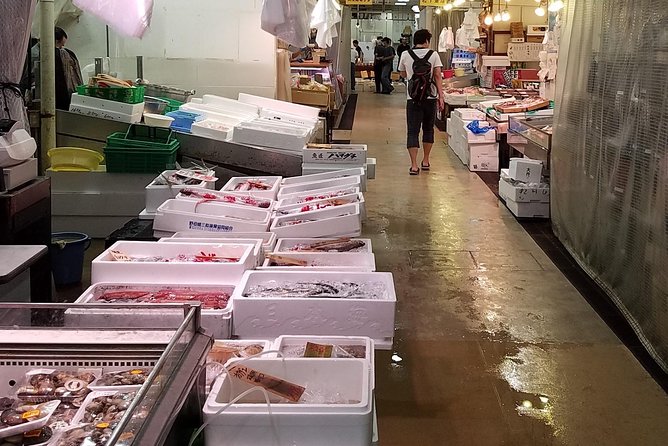
Next is Pulala Tenma, a local wet market you can see up close without the usual tourist crush. This is the part of the tour that feels most grounded. You are surrounded by the parts of food that become cuisine: seafood, meats, vegetables, and other ingredients lined up for daily use.
This stop is about 30 minutes, and it is designed to connect the dots. Your guide explains how ingredients come together, so you start thinking beyond individual dishes. You begin to understand why certain flavors and textures show up again and again in Osaka food.
A wet market is also where you learn market logic. You see freshness cues, how sellers present items, and how people shop when they are building a meal, not just sampling a bite.
One practical advantage here: if you want to buy ingredients to make something later, your guide’s perspective helps you avoid random choices. And even if you only browse, you will leave with a clearer idea of what quality looks like.
Not ready to leave Osaka yet? A few more ways to fill the day.
- Osaka Go Karting Tour with Funny Costume
★ 5.0 · 2,658 reviews - Osaka Castle: Museum and Tower Entry Ticket
★ 4.5 · 2,380 reviews - Osaka: Tea Ceremony Experience
★ 4.9 · 1,426 reviews
Tenjinbashi-suji: Osaka’s Longest Arcade Plus a Real Supermarket Check
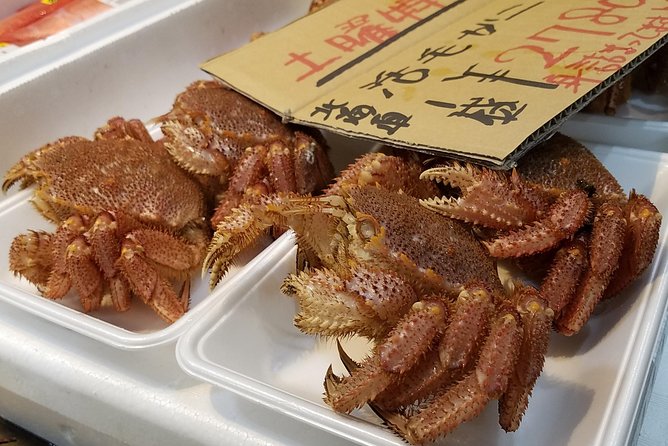
Tenjinbashi-suji Shopping Street is one of the standout “walk and learn” segments of the route. It is billed as the longest covered shopping street in Japan, and during your 40-minute stop, you learn how it fits into daily life in Osaka now, not just as a historical name.
This is also where the tour adds a small reality check. You do not only see food stalls. You see everyday shopping habits and the modern version of “where people go” for groceries and supplies.
The description includes a pop-in to an Osaka supermarket. That is useful because supermarkets teach you what locals trust for selection and price, especially if you are trying to repeat a few favorite items later on your own.
The smart move here
Use this stop to practice what you will do later at markets. Pick a few items you understand, compare packaging, and ask your guide how locals think about choosing. Even a quick Q and A can remove the intimidation factor when you hit the bigger, more famous market stops.
Osaka Tsuruhashi Ichiba: Korea Town Shopping With a Food Twist
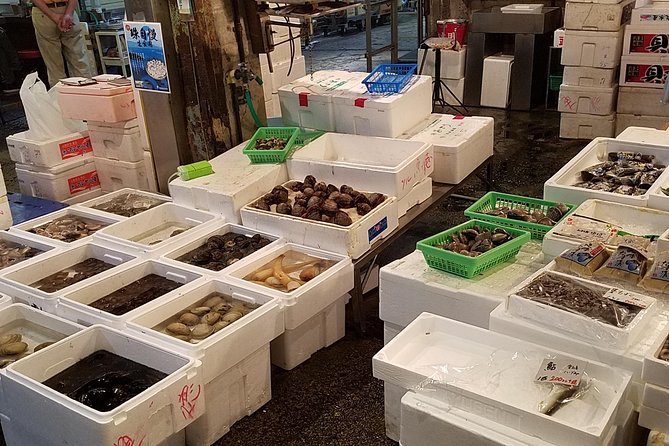
Then you head to Osaka Tsuruhashi Ichiba, in Korea Town. This is about 30 minutes, and it is not framed as a single-genre food market. It is busy, culturally indicative, and the shopping includes more than food.
The tour points out that you’ll see clothing and other goods alongside edible treats. That matters because it tells you how food culture travels with people and community. In other words, you are not just tasting flavors. You are seeing how cultural identity shows up in everyday browsing.
This is a great spot for snack shopping too, since the market layout makes it easy to grab something small and keep moving. Just remember: the tour description is clear that snacks you buy are your responsibility, so treat this stop like a chance to spend intentionally, not a free sampling buffet.
Kuromon Market: Great Sights, Higher Prices, and Better Choices With a Guide
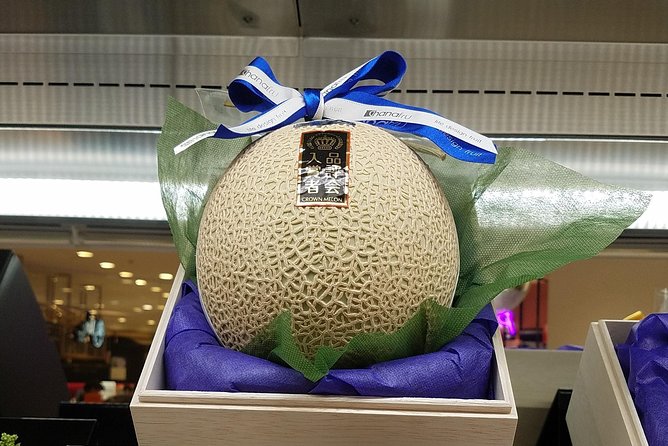
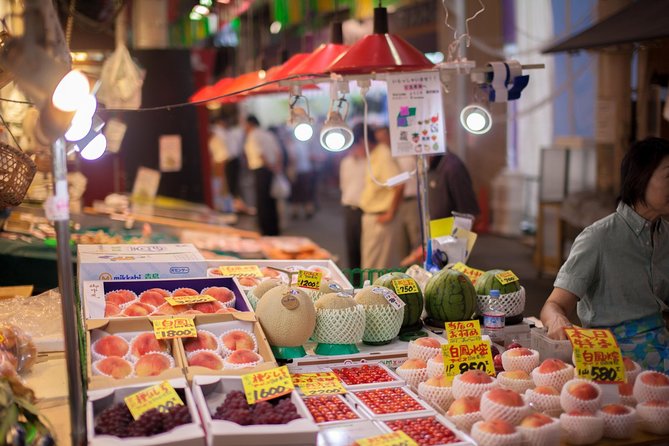
Kuromon Market is the one many people come to Osaka for. It is open, energetic, and part of what makes it famous is the sheer visual overload in the best possible way.
You get about 25 minutes here, and the tour notes that prices can be a bit high compared with other spots. That tracks with how “darling of the visitor scene” markets tend to work: you pay for the convenience, visibility, and quality you can spot instantly.
This is also where having a guide helps you spend less blindly. Your guide can help you pick items that match what you actually want, not just what looks good in a photo. You will likely find that when you understand the ingredient side of things from earlier stops, you choose with more confidence here.
If you are price sensitive
Decide ahead of time what you want from Kuromon: a specific ingredient, a small bite, or a souvenir food item. Then let your guide help you compare options quickly. That way, you are not stuck comparing for too long in a crowded market aisle.
Sennichimae Doguyasuji: Kitchenware Paradise for Knives, Ceramics, and More
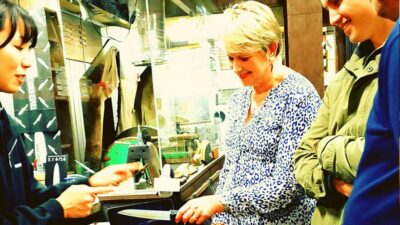
After Kuromon, you shift into a different kind of treasure hunt. Sennichimae Doguyasuji Shopping Street is where kitchenware takes center stage.
This segment is about 25 minutes, and it is the stop where your souvenirs might end up being practical. The tour highlights items like Japanese cooking knives, wax sushi models, Japanese ceramics, tea cups, and lacquer chopsticks.
I love this stop because it turns Osaka food culture into something you can bring home. Even if you never become a serious home cook, a well-made utensil or serving dish is the kind of memory that gets used, not stuffed in a drawer.
A practical buying tip
If you plan to buy heavier items, think about how you will carry them and where you will store them during the rest of your trip. Markets can make you shop with one hand and carry with the other, so planning helps.
Minami (Namba) and the Dotonbori Finish: Where the Lights Take Over
Your final portion is Minami (Namba), including the Dotonbori area, with about 20 minutes of time. This is your chance to connect what you learned in markets with the wider city vibe.
Minami is also where you can keep wandering on your own after the tour ends. The tour finishes near Ebisu Bridge in Dotonbori, so you end in a smart spot for dinner, photos, and a last walk before you call it a day.
What You Learn Beyond Food: Ordering Confidence and Market Smarts
The headline promise is learning to navigate food markets and order dishes independently. That is not just a feel-good line. In practice, it means you get guidance on how to ask for what you want, how to compare options, and how to avoid common tourist traps.
The reviews you can find for this kind of tour show one repeating theme: the best guides do more than list food. They explain context and help with the small uncertainties that make shopping hard.
Guides named in feedback include Ferdinand, Kevin, Thomas, Lito, Alejandro, Damian, and Oshi. Across those names, the consistent praise is for strong explanations and adapting to your interests, including families and kids. One family-centered highlight you should take seriously: some guides will tailor parts of the route to what children care about, which can make the day feel less like a long adult shopping errand.
A good way to use the guide
Go in with a simple plan: one item you want to try, one ingredient you might buy, and one souvenir you can carry easily. Then ask your guide how to make those choices in each market. You’ll feel the value fast when you are not guessing.
Who This Tour Fits Best (And Who Might Want Another Plan)
This tour is a strong match if you:
- enjoy food markets and want to understand ingredients, not just chase one famous stall
- want a private guide to help you navigate language and ordering
- like shopping streets as much as markets, especially for kitchenware
It can be less ideal if you are chasing an eating-focused itinerary where you expect included tastings at every stop. The tour cost covers the guide and access, but samples, food items, refreshments, and souvenirs are not included, and snacks are your responsibility to purchase.
So think of this as a guided route for market reading, shopping confidence, and smart buying. If you want a tour where the main event is pre-paid tastings, you might want a different style of food tour.
Should You Book This Osaka Food Markets Tour?
I would book it if your goal is to understand Osaka through how locals shop and order. The route covers a smart spread: depachika at Takashimaya, a wet market at Pulala Tenma, the covered arcade on Tenjinbashi-suji, Korea Town at Tsuruhashi Ichiba, the famous Kuromon Market, and the kitchenware street of Doguyasuji, then it finishes near the Dotonbori lights.
The value stands out because you get structure and guidance across very different types of food shopping. And the language support helps you move faster and ask better questions.
Just go in with realistic expectations: you are paying for the guide and market access, not for included bites. Bring comfortable shoes, decide how much you want to spend on snacks and purchases, and use your guide to shop smarter. If you do that, you should walk away feeling like you can handle Osaka’s food scene on your own.
FAQ
How long is the Osaka food markets tour?
The tour lasts about 4 hours.
Is the tour private?
Yes. It is a private tour, meaning only your group participates.
Is transportation included in the price?
No. Transportation is not included. The tour lists a cost of about 330 yen per adult.
Are food tastings or snacks included?
No. Samples, food items, refreshments, and souvenirs are not included. Snacks during the tour are your responsibility to purchase.
Does the tour offer pickup?
Pickup is offered.
Where do I meet and where does the tour end?
You start at McDonald’s in front of Temma Station (Tenjinbashi, Kita Ward). The tour ends at Ebisu Bridge in Dotonbori (Chuo Ward).
Is there a lot of walking?
There is a moderate amount of walking, so comfortable shoes are a good idea. Children must be accompanied by an adult.
Just added around Osaka


Food, compared.
Shinsekai Food Tour with 13-15 Dishes at 5 Eateries
Read our review →
Osaka Food Tour: 13 Dishes at 5 Local Eateries
Read our review →
Hungry Osaka Street Food Tour:15 Tastings & 3 Drinks with a Local
Read our review →
Osaka Local Foodie Walking Tour in Dotonbori and Shinsekai
Read our review →
Hungry Osaka Street Food Tour: 15 Dishes & 3 Drinks
Read our review →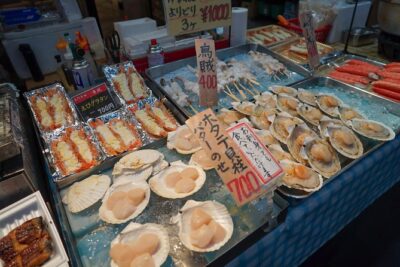
Kuromon Market Food Walking Tour in Osaka (6 stops, 6 tastes)
Read our review →
Guided Food Tour with 12 Dishes at 4 Local Eateries
Read our review →