
Reviewed · DAY TRIPS TO KYOTO FROM OSAKA
From Osaka: 10-hour Private Day Tour to Kyoto and Nara
Torii gates and Buddha statues in one day. This private Osaka day trip strings Kyoto and Nara together with door-to-door convenience and a route you can shape to your pace. It is a smart way to see big names without playing transit roulette.
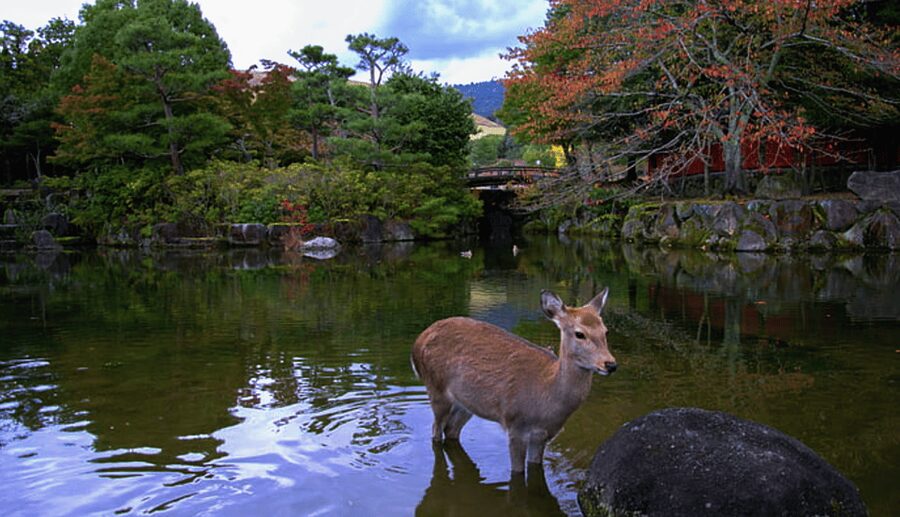
I especially like the hotel pickup and drop-off in Osaka City Center with an air-conditioned private vehicle and a professional driver. I also like that the itinerary is customizable, so you are not stuck doing everything one fixed way. And yes, the Nara deer are a memorable moment, exactly as you’d hope.
The main thing to consider is that 10 hours goes fast once you add walking time, plus admissions and meals are extra. If you want lots of optional stops or you linger longer than planned, you may hit overtime charges.
In This Review
- Key highlights to pay attention to
- A private Osaka-to-Kyoto-and-Nara day that actually feels manageable
- Osaka pickup, drop-off, and the comfort factor that changes everything
- Kyoto morning: Fushimi Inari Taisha without the headache
- Kinkaku-ji and Golden Pavilion time: beauty plus a tight schedule
- Arashiyama Bamboo Grove: the longer Kyoto block that balances the temples
- The Kyoto-to-Nara transition: use the driving time wisely
- Nara Park and the deer: the moment that tends to win people over
- Todai-ji and the Great Buddha: the spiritual heavyweight of the day
- Kasuga Taisha and the yew oak trees: a natural add-on if time allows
- Return to Osaka: finishing before your energy crashes
- Price and value: what $330 gets you, and when it makes sense
- Who this tour suits best (and who might want a different plan)
- Should you book this Osaka to Kyoto and Nara private tour?
- FAQ
- How long is the Osaka to Kyoto and Nara private day tour?
- Is hotel pickup and drop-off included?
- What are the main stops included on the tour?
- Are admission tickets included in the tour price?
- Are food and drinks included?
- Can I customize the itinerary during the tour?
- Is this tour private?
- What happens if the tour runs longer than 10 hours?
- What languages and accessibility options are available?
Key highlights to pay attention to
- Private car comfort with air-conditioning, plus all parking fees handled
- Hotel pickup and drop-off for Osaka City Center stays
- Flexible Kyoto and Nara routing, not a rigid checklist
- Top sights packed in: Fushimi Inari, Kinkaku-ji, Nara Park, Todai-ji
- Arashiyama Bamboo Grove gets a full chunk of time
- Wheelchair accessible and supported by Japanese and English language options
A private Osaka-to-Kyoto-and-Nara day that actually feels manageable
If your Kyoto and Nara list is long, this is the kind of tour that keeps the day from turning into chaos. You get a professional driver and a private car, so you spend less energy figuring out transfers and more energy actually looking at temples and scenery.
This also helps with flow. Kyoto and Nara are both popular, and timing matters. With a private vehicle, you can start earlier than you might on public transport and keep your momentum as you move between areas.
Value-wise, you are not just buying sightseeing. You are buying time, comfort, and a smoother day structure. That matters when you only have one day to cover two major destinations.
Deer that bow back, minutes from Osaka
- Ancient Capital Tour: Kyoto and Nara Highlights from Kyoto/Osaka★ 4.5 · 332 reviews
- Kyoto and Nara Day Trip from Osaka★ 4.0 · 175 reviews
- Discover Himeji, Kobe and Nara from Osaka★ 5.0 · 101 reviews
- Kyoto & Nara Private customized tour with English speaking Guide★ 4.5 · 99 reviews
- Kyoto and Nara UNESCO Highlights Full-day Tour From Osaka★ 4.5 · 50 reviews
Osaka pickup, drop-off, and the comfort factor that changes everything
The day starts with pickup from your Osaka accommodation. The wording here is important: pickup and drop-off are included, but service is only for properties in Osaka City Center. If your hotel sits outside that area, you could be asked about additional charges, so it is worth confirming your meeting logistics early.
Once you are in the car, the big win is simple. You get an air-conditioned private vehicle, which is a big deal in Japan when humidity and heat can drain you fast. Even if you do not love being driven, it is an easy way to conserve energy for walking in Kyoto and Nara.
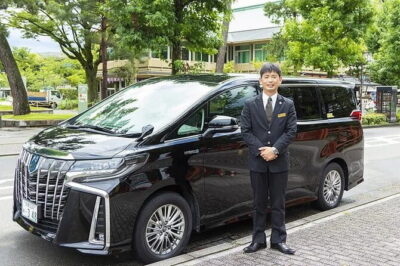
Another detail I appreciate: you are not just handed a vehicle. You have a professional driver handling the road while you focus on where you want to go. The driver contacts you in advance to confirm the meeting point, and they ask for a phone number or WhatsApp account when booking. That kind of communication keeps the start of the day calm instead of frantic.
Kyoto morning: Fushimi Inari Taisha without the headache
Your suggested plan begins with a pickup at 08:00, then a drive to Kyoto. You arrive at Fushimi Inari Taisha around 09:30, with about 1 hour there.
Fushimi Inari is famous for a reason: thousands of red torii gates. Even if you have seen photos before, the gates feel more personal when you walk through them. The shrine gives you that classic mix of calm and motion, people passing by, paths narrowing, and the bright red color doing what it does best.
The drawback of a stop like this is crowd pressure. You will still share the walk with other visitors. A private tour does not erase popularity, but arriving at this time window can help you keep the stroll comfortable and not rushed.
One practical move: wear shoes you trust. You are going to walk, and the torii paths are not the kind of place you want to bounce around in stiff, uncomfortable footwear.
Kinkaku-ji and Golden Pavilion time: beauty plus a tight schedule
Next you head to Kinkaku-ji (Golden Pavilion), with a suggested arrival around 10:30 and 1 hour on site.
Kinkaku-ji’s big draw is visual. The Golden Pavilion is instantly recognizable, and it is the kind of sight that makes you slow down for a few photos and a real look. In a day with multiple temples, that matters, because you want at least one stop where you feel you can just stand back and take it in.
The tradeoff is timing. You only have an hour, and that means you have to choose how you spend it. If you want lots of photo angles, you might spend more time inside the main viewing areas and less time wandering. If you prefer quieter pacing, focus on the viewpoints closest to where you enter and plan your route so you do not backtrack too much.
This is a good moment to decide what kind of Kyoto day you want. Temples and big landmarks, or slower streets and atmosphere. Because the itinerary is customizable, you can steer in the direction that suits your group.
Arashiyama Bamboo Grove: the longer Kyoto block that balances the temples
The schedule then includes Arashiyama Bamboo Grove, roughly 11:30 onward, with about 2 hours suggested.
This stop balances the day. Fushimi Inari and Kinkaku-ji are about iconic structures. Arashiyama Bamboo Grove feels more like a walk-through landscape moment, where the visual rhythm of the bamboo changes how you move. Two hours is a generous window for photos, walking, and a breather between major sightseeing anchors.
The practical consideration: bamboo areas can be crowded too. If you care most about photos, you can shift your timing within that two-hour window to find calmer angles. If you just want the mood, prioritize the parts that let you slow down and absorb the atmosphere instead of racing to the next famous spot.
This is also where you can use customization. If your group wants more nature time instead of another temple-like stop, Arashiyama is a good place to keep your legs comfortable and your mind refreshed.
More temples, thirty minutes up the line
- Osaka/Kyoto: Hiroshima Miyajima Bus Tour & Shinkansen Ticket
★ 4.7 · 919 reviews - From Kyoto/Osaka: Kyoto Top Highlights 1-Day Guided Bus Tour
★ 4.5 · 714 reviews - Osaka/Kyoto: Amanohashidate & Miyama Tour with Boat & Lunch
★ 4.6 · 207 reviews
The Kyoto-to-Nara transition: use the driving time wisely
At about 13:30, you depart for Nara. You arrive around 14:30, giving you time to settle in before the next set of sights.
Here is why this transfer approach works: Nara is a different vibe from Kyoto. Kyoto can feel like temple density and tourist lanes. Nara is more open space, with big landmarks and the deer park area as the social center. By planning the timing, you arrive ready to switch gears rather than arriving mid-chaos.
If you are easily tired, this is the time to hydrate, use the rest room if available, and get your group aligned on what matters most to them next. The tour allows you to adjust focus, and a quick check-in during the drive can save energy later.
Nara Park and the deer: the moment that tends to win people over
Your first Nara stop is Nara Park, with a suggested photo stop and sightseeing time of about 1 hour, around 14:30 to 15:30.
The star here is easy: friendly deer. This is the kind of attraction that works even if you are not chasing history. It is fun, it is memorable, and it gives everyone something simple to experience right away.
There is also a practical side. When you are dealing with animals, you want calm, not frantic. Keep your camera and attention ready, but avoid trying to rush close-up interactions. Focus on clean photos and safe, respectful viewing.
If you loved the idea of meeting deer at least once in Japan, this part is the payoff. It is also the part that most often makes people grin, because it is not something you can recreate anywhere else.
Todai-ji and the Great Buddha: the spiritual heavyweight of the day
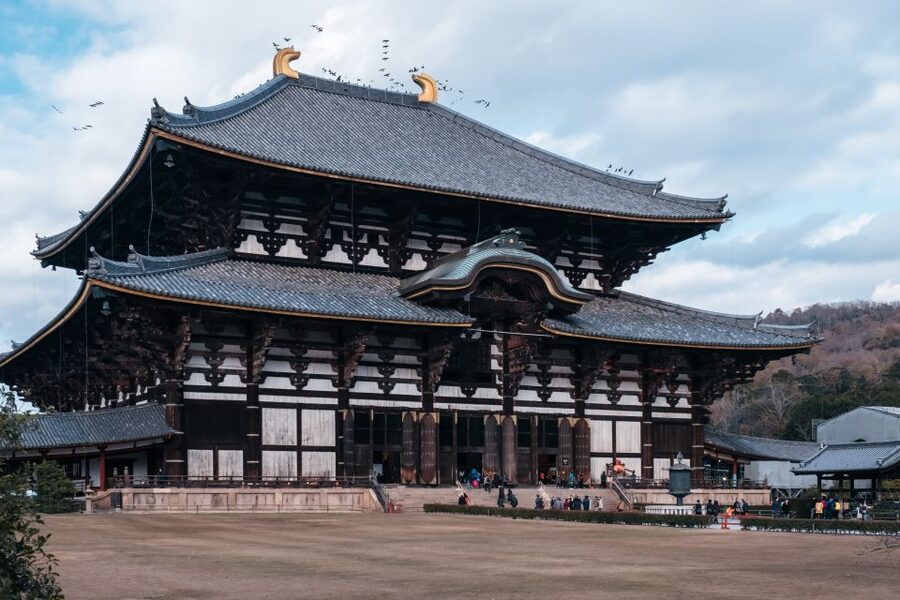
After Nara Park, your plan includes Todai-ji Temple around 15:00 to 16:00, with about 1 hour suggested.
Todai-ji is famous for one main thing in this itinerary: the Great Buddha. That is what you should focus on. When you stand in the temple space, the scale usually hits you faster than any explanation. It is not just a statue, it is the centerpiece that gives the whole site weight.
One consideration: after a morning and afternoon of walking, your brain may feel “full.” That does not ruin Todai-ji, but it changes how you experience it. If you want the most impact, do not spend the whole hour sprinting around. Pick key viewing angles, let your eyes take in the size, then take a slower final pass.
This is also where you can benefit from the private structure. If your group wants a few extra minutes here, the driver can help you manage time across the rest of the day.
Kasuga Taisha and the yew oak trees: a natural add-on if time allows
Your suggested final option is an additional stop around 16:00 to 17:00 at Kasuga Taisha Shrine, specifically noting the giant yew oak trees in the precincts.
This part is for people who want variety. Todai-ji is dramatic and monumental. Kasuga Taisha’s precincts, especially with those massive trees, tends to feel more like a calm setting where you can walk and reset.
Whether you do it depends on your energy and how your group is feeling. With the tour being customizable, you can trade this type of stop for something else in Kyoto or Nara if you have a stronger priority.
Return to Osaka: finishing before your energy crashes
The suggested schedule has you back to Osaka around 18:00, then dropped off at your hotel.
In a 10-hour day, getting back on time is not a minor detail. It can decide whether your evening is enjoyable or just survival-mode. Because the driver handles the route, you do not need to worry about navigation fatigue.
If you plan dinner back in Osaka, keep it simple. You will likely want something close to your hotel and not a long ride across town after a packed sightseeing day.
Price and value: what $330 gets you, and when it makes sense
The price listed is $330 per person for a 10-hour private car charter. That sounds steep if you compare it to public transit, but this is not a public-transit experience.
You are paying for:
- door-to-door hotel pickup and drop-off (within Osaka City Center)
- a professional driver
- an air-conditioned private vehicle
- all fees and taxes, including parking fees
- the ability to customize the itinerary
So when does it feel worth it? For groups and families, private logistics can be a relief. For visitors who hate transit transfers, the savings is time and stress. For anyone trying to fit Kyoto plus Nara into one day, private transport can make the schedule workable.
Where the value needs a reality check is the extra costs. Admission tickets and meals are not included. That means the total day cost will be higher once you add entry fees and your lunch. Also, if you exceed the 10-hour window, overtime fees apply, and the rates differ depending on whether a guide is involved.
My practical take: if your priority is efficiency and comfort with flexible choices, the structure justifies the cost. If you are comfortable traveling by train and you want maximum budget control, you might find cheaper alternatives.
Who this tour suits best (and who might want a different plan)
This tour fits best if you want a one-day greatest-hits style day without navigating. It is also good if you value comfort and want to keep the group together.
You will likely love it if:
- you want top Kyoto and Nara landmarks in one hit
- you prefer a calmer day than crowded public transportation
- your group has mixed interests and you want flexibility
- you want a private setup with a driver and language support
It may not fit as well if:
- you want very loose pacing with lots of unplanned stops (the day is still 10 hours)
- you are trying to keep every yen under tight control, since admissions and meals are extra
- your hotel is outside Osaka City Center and pickup rules could affect the logistics
Should you book this Osaka to Kyoto and Nara private tour?
I think you should book if you want a smooth, one-day way to hit Fushimi Inari, Kinkaku-ji, Arashiyama Bamboo Grove, Nara Park, and Todai-ji with the comfort of a private car and the freedom to adjust timing. The itinerary structure is built for people who want to see the big icons without spending the day chasing connections.
If you do not mind spending time on public transit and you already know exactly which spots you want, you could do it cheaper on your own. But if you want the day to feel organized, with minimal hassle and good flow, this is the type of tour that delivers.
FAQ
How long is the Osaka to Kyoto and Nara private day tour?
The total duration is 10 hours, from hotel pickup to drop-off.
Is hotel pickup and drop-off included?
Yes. Pickup and drop-off are included for properties in Osaka City Center. If your hotel is outside that service area, additional charges may apply.
What are the main stops included on the tour?
The tour includes Fushimi Inari Taisha, Kinkaku-ji, Arashiyama Bamboo Grove, Nara Park, and Todai-ji Temple. Kasuga Taisha Shrine is listed as an optional stop.
Are admission tickets included in the tour price?
No. Admission tickets are not included.
Are food and drinks included?
No. Food and drinks are not included.
Can I customize the itinerary during the tour?
Yes. The itinerary is customizable, and you can choose your preferred spots in Kyoto and Nara.
Is this tour private?
Yes. It is a private group tour with a private vehicle.
What happens if the tour runs longer than 10 hours?
Overtime fees apply if the tour exceeds 10 hours. The listed rate is 42 USD per hour without a guide, and 67 USD per hour with a guide.
What languages and accessibility options are available?
The live tour guide language options include Japanese and English, and the tour is wheelchair accessible.
Just added around Osaka
Day Trips to Kyoto from Osaka, compared.
Osaka/Kyoto: Hiroshima Miyajima Bus Tour & Shinkansen Ticket
Read our review →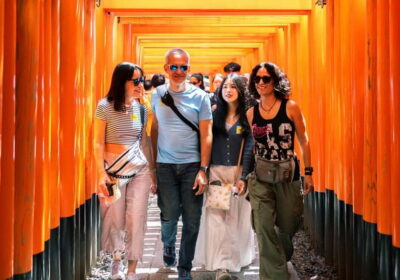
From Kyoto/Osaka: Kyoto Top Highlights 1-Day Guided Bus Tour
Read our review →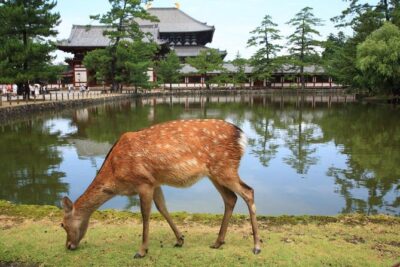
Ancient Capital Tour: Kyoto and Nara Highlights from Kyoto/Osaka
Read our review →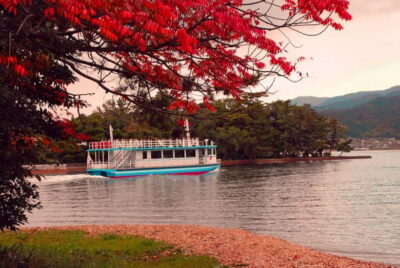
Osaka/Kyoto: Amanohashidate & Miyama Tour with Boat & Lunch
Read our review →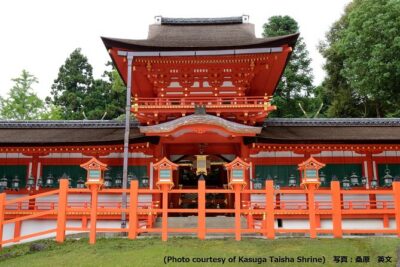

Full Day Tour of Kyoto with Private Transportation
Read our review →
Kyoto & Nara Private customized tour with English speaking Guide
Read our review →This tour also fits