
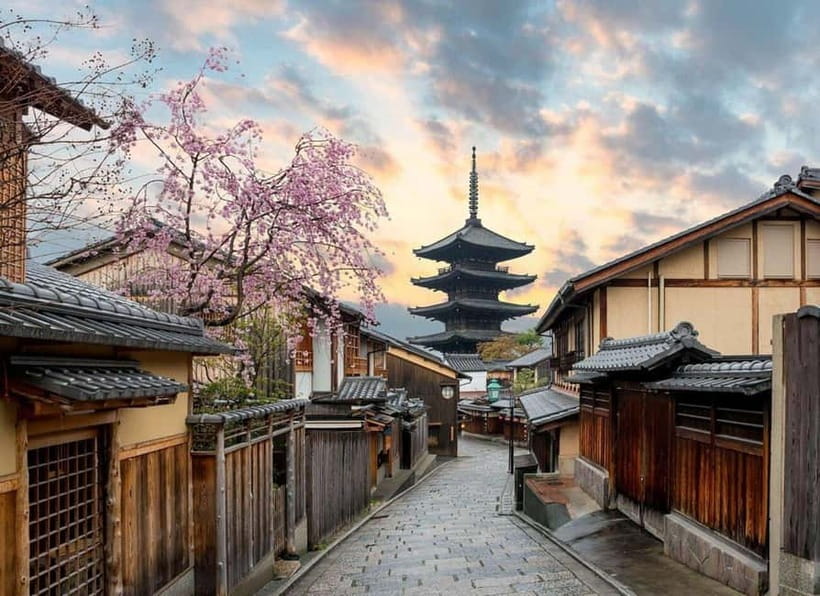
Reviewed · DAY TRIPS TO KYOTO FROM OSAKA
From Osaka / Kobe: Kyoto Private Tour with Licensed Guide
Kyoto can feel like a maze, and that is the point of this tour. You get a licensed local guide to steer you through neighborhoods on foot, then build a day around 3 to 4 chosen stops. Once booked, your guide reaches out to shape the plan around your interests and your pace.
I like how this is genuinely personal, not a fixed, hour-by-hour stamp. I also like that it helps with the practical side, like getting from place to place using the local transit system. The main consideration is that this is a walking day tour with no private vehicle included, so you will rely on public transport or taxis and budget for those costs.
In This Review
- Key points to know before you go
- Why a licensed private guide matters in Kyoto
- The 8 to 9 hour day, and how it usually works
- Picking your Kyoto stops, from shrines and temples to river lanes
- Fushimi Inari-taisha Shrine, if you want a classic Kyoto shrine moment
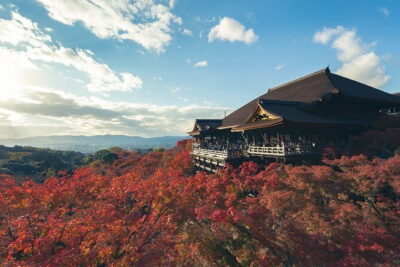
- Kiyomizu-dera Temple, for big-view Kyoto sightseeing time
- Nishiki Market, for food and street-stall browsing
- Gion and Pontocho, for traditional Kyoto streets and evening atmosphere
- Nijō Castle, when you want a structured, landmark-heavy stop
- Kyoto Imperial Palace, for an official, calm counterpoint
- Ginkakuji Temple and Ryoan-ji, for a temple-with-attitude day
- Kinkakuji, for a high-impact temple visit
- Nanzenji Suirokaku, if you want something that feels scenic and atmospheric
- Arashiyama, Ukyo-ku, for nature-and-neighborhood contrast
- Kurama-dera and Kibune River, for a more nature-forward option
- Nishiki versus Arashiyama, choosing your day’s personality
- Gardens and imperial villas, for a slower, more contemplative day
- The logistics you should plan for, so the day feels easy
- Meeting your guide from Osaka or Kobe
- Getting between Kyoto stops
- Entry fees and what is covered
- Group size and the private feel
- Who this Kyoto private tour is best for
- Price and value: $154 for 8 to 9 hours of guide time
- Should you book this private Kyoto walking tour?
- FAQ
- How many places can I choose for the tour?
- How long is the private Kyoto tour?
- Is a private vehicle included?
- What languages will my guide speak?
- Is the tour wheelchair accessible?
- What should I bring or pay for during the day?
Key points to know before you go
- Licensed local English guide to handle on-the-ground explanations and routing
- Choose 3 to 4 sites so the day fits your interests instead of forcing a checklist
- Walking-focused itinerary that rewards good shoes and a flexible mindset
- Meet-up in Osaka or Kobe with a requested pickup spot your guide confirms
- Private group (up to 7 people) for a calmer, more adjustable experience
- Wheelchair accessible, but you should expect a lot of walking during a sightseeing day
Why a licensed private guide matters in Kyoto
Kyoto is famous for being layered. Streets change character block to block. One minute you are near a temple approach lane, the next you are turning into a traditional shopping street. If you try to do that with only maps, you can burn time on logistics instead of enjoying the sights.
That is where a licensed local guide earns their keep. Their job is not just telling stories. It is also helping you pick the order of stops and move efficiently between them. In at least one confirmed experience, the guide was especially helpful with the train and subway connections, which is exactly the kind of day saver you want when you have limited time and want to see everything you asked for.
You also get a real sense of pacing. With a private group, you can slow down for photos, linger at the parts you care about, and skip what you are not into. The tour is built around you choosing 3 to 4 stops from a long list, or letting the guide recommend based on your preferences.
The best-fit mindset is this: you are in Kyoto to spend your day outdoors and walking. If you want a sightseeing day with minimal movement, you might find this harder than you expected. But if you like exploring on foot with a plan, this format is a strong match.
More temples, thirty minutes up the line
- Osaka/Kyoto: Hiroshima Miyajima Bus Tour & Shinkansen Ticket★ 4.7 · 919 reviews
- From Kyoto/Osaka: Kyoto Top Highlights 1-Day Guided Bus Tour★ 4.5 · 714 reviews
- Ancient Capital Tour: Kyoto and Nara Highlights from Kyoto/Osaka★ 4.5 · 332 reviews
- Osaka/Kyoto: Amanohashidate & Miyama Tour with Boat & Lunch★ 4.6 · 207 reviews
- Kyoto and Nara Day Trip from Osaka★ 4.0 · 175 reviews
The 8 to 9 hour day, and how it usually works
This is scheduled as an 8 to 9 hour experience. That time window matters because Kyoto’s neighborhoods are not all next door. The tour is walking-focused, and the details say a private vehicle is not included. So you should expect some combination of walking plus transit between sites.
That structure is actually a good thing. You do not just hop between far-flung landmarks in a taxi bubble. You get time in the streets around each stop, plus the guide can adjust where you spend your energy.
Here is what I would plan for, practically:
- You will likely walk through temple and shrine approaches, plus nearby lanes and streets.
- You may use local trains or taxis between areas, depending on the day and your chosen spots.
- You will need cash, and you should have Japanese Yen for transport costs that are not included.
A small but important detail: your guide coverage for entry is tied to the sights listed under What to Expect. That matters because entrance fees and other personal expenses are not included. So you should budget for those separately based on which sites you pick.
Picking your Kyoto stops, from shrines and temples to river lanes
The tour gives you a menu of possible destinations, and you select 3 to 4. Your guide then plans a route that makes sense for your day. Since I cannot know exactly which set you will choose, I am going to help you think like the guide does, by grouping the options by vibe and by practical tradeoffs.
Below are the kinds of stops you can pick, plus what to consider for each.
Fushimi Inari-taisha Shrine, if you want a classic Kyoto shrine moment
Choose this when you want a major Kyoto shrine experience that tends to anchor a full morning or part of an afternoon plan. It is a strong choice because it gives you a clear visual identity for your day, and it is the kind of location where a guide can help you navigate efficiently so you are not stuck moving at the pace of crowds for no reason.
Tradeoff to consider: if you pick too many high-traffic icons in one day, the timeline can get tight. That is when the guide’s routing becomes extra valuable.
Kiyomizu-dera Temple, for big-view Kyoto sightseeing time
Choose Kiyomizu-dera Temple if you want a temple visit that feels like a headline stop. It is a great candidate for pairing with nearby traditional streets, because your guide can fold in shopping and neighborhood atmosphere without you feeling like you are zig-zagging all day.
Tradeoff: depending on your mobility and energy level, you might feel more walking than you expect. Wear shoes you trust.
Other ways to spend a day in Osaka
- Private Osaka Walking Tour: Highlights & Hidden Gems
★ 5.0 · 569 reviews - 3/4/5 Hours Private Tour in Osaka with Local Guide
★ 5.0 · 189 reviews - Osaka’s Best and Brightest: Private Full-Day Tour by Vehicle
★ 5.0 · 147 reviews
Nishiki Market, for food and street-stall browsing
Nishiki Market Shopping District works well when you want a break from temple-tempo and want a stroll through a place that is built for browsing. This is often the kind of stop that adds variety to a day heavy on religious sites.
Tradeoff: it can be a slower, stop-and-sample kind of experience. If you also chose two large attractions, you may need to keep your pace tight so you do not run short on time.
Gion and Pontocho, for traditional Kyoto streets and evening atmosphere
Pick Gion if you want a district feel, not just a single landmark. Pairing it with Pontocho is a smart way to add street character to your day. Together, they can create a visual arc, temple morning then neighborhood lanes later.
Tradeoff: these are popular types of areas. If you are easily distracted by crowds, consider how you will handle busier moments. A guide can help you choose the best order so the day feels smoother.
Nijō Castle, when you want a structured, landmark-heavy stop
Nijo Castle is a good option when you want something with a clear boundary and a destination feel, rather than an open-ended walk. A guide helps you make the most of the time because you can move efficiently and not miss key areas within the site.
Tradeoff: if you prefer quieter nature walks, you might not want too many indoor or structured stops in one go. This is your choice, since the tour is flexible.
Kyoto Imperial Palace, for an official, calm counterpoint
Kyoto Imperial Palace is a strong candidate when you want a different tone. It can balance a day that otherwise leans heavily into shrines and shopping streets.
Tradeoff: it can feel more formal and less spontaneous. If you love wandering at random, mix in at least one street or market type stop.
Ginkakuji Temple and Ryoan-ji, for a temple-with-attitude day
You can choose Ginkakuji Temple and Ryoan-ji Temple when you want the day’s energy to slow down and feel more reflective. These are also common choices for pairing because they are both temple-focused and lend themselves to a steady walking rhythm.
Tradeoff: they are still sightseeing sites. Plan your day so you have enough energy left to enjoy them rather than rush.
Kinkakuji, for a high-impact temple visit
Kinkakuji Temple tends to be the kind of stop people remember because it looks like a postcard. From a practical standpoint, it also tends to be a “you will know it when you see it” location, so a guide’s help is mainly about timing and keeping your day moving.
Tradeoff: it can be tempting to add multiple major icons. If you do, you may feel like you are sprinting between highlights. The private guide model helps prevent that, but your selected stops still drive the pacing.
Nanzenji Suirokaku, if you want something that feels scenic and atmospheric
Nanzenji Suirokaku is a good pick for people who want a more “set piece” moment. It can add visual variety to your day without forcing another shopping street stop.
Tradeoff: like other major sites, it can take time. If you choose this plus another big landmark, keep your third and fourth picks simpler.
Arashiyama, Ukyo-ku, for nature-and-neighborhood contrast
If you want a day that feels like Kyoto’s outdoors, pick Arashiyama, Ukyo-ku. This area is especially good when you want to mix temples, river vibes, and walkway moments, all in one region.
Now for the detail you care about most if you are a nature photographer: the tour menu includes both Bamboo Forest Street and nearby additions like Togetsukyo Bridge and Okochi Sanso Garden (also Tenryu-ji Temple). One confirmed experience even singled out the bamboo forest as an extra treat when timing allowed.
Tradeoff: bamboo and river areas often draw a lot of attention. If your ideal day is quiet and slow, pick fewer heavy-hit stops or let your guide choose the most comfortable order.
Kurama-dera and Kibune River, for a more nature-forward option
If you prefer a calmer nature angle, the list includes Kurama-dera and the Kibune River. These can create a day that feels less like “line up, view, move” and more like a scenic walking outing.
Tradeoff: they may require more transit effort depending on where your other chosen stops are. This is exactly where letting your guide recommend an itinerary can pay off.
Nishiki versus Arashiyama, choosing your day’s personality
This is the simplest decision rule I can give you:
- Choose Nishiki Market + Gion/Pontocho if you want street life and classic Kyoto neighborhoods.
- Choose Arashiyama with bamboo and garden options if you want nature walking and scenic set pieces.
You can mix them, but if you try to do both in one day, the schedule can feel stretched. Again, your guide can help with the order, but the geography still matters.
Gardens and imperial villas, for a slower, more contemplative day
Your menu includes Katsura Imperial Villa and Shugakuin Imperial Villa, plus garden options like Yoshimine-dera and Okochi Sanso Garden. These are ideal if you want your day to feel more like “Kyoto as place,” not just a series of checkpoints.
Tradeoff: these can consume time. Pair them with one major shrine or temple stop and keep your other choice light.
The logistics you should plan for, so the day feels easy
This tour is private and it is walking-focused, so the tiny details change how enjoyable it feels.
Meeting your guide from Osaka or Kobe
You meet up within a designated area of Osaka or Kobe, and pickup is described as your guide waiting in your hotel lobby or train station you request, about 10 minutes before the scheduled pickup time. That is helpful because it reduces the stress of hunting people in a busy station.
Tip: send your pickup request clearly and double-check the exact station or hotel name with your guide when they contact you.
Getting between Kyoto stops
Because a private vehicle is not included, you might use public transport or taxis between sites. The tour notes that exact transportation costs can be discussed after reservation, and you should have Japanese Yen on hand.
This is where your guide earns real-world value. One confirmed experience highlighted how the guide guided through train and subway connections, which tells you the day is designed for practical movement, not just standing around at landmarks.
Entry fees and what is covered
Entrance fees and other personal expenses are not included. Guide entry fees are only covered for sights listed under What to Expect. So if you pick a mix of places, you should expect some entry costs still come out of your pocket.
Group size and the private feel
It is a private group with a maximum of 7 passengers. That matters because it is not a giant group system. You can ask questions, your guide can tailor the pace, and the day will feel less like a conveyor belt.
Who this Kyoto private tour is best for
This kind of tour fits best when you want:
- A private day without the stress of figuring out the whole routing system on your own.
- The flexibility to choose 3 to 4 places, instead of being forced into a full checklist.
- A guide who can help you shape a route around your interests and keep time under control.
It is especially appealing for:
- First-timers in Kyoto who want the main feeling of the city, but not chaos.
- Small groups and families where you want control over pacing.
- Anyone with limited time who would rather pay for guidance than waste energy on transit decisions.
Price and value: $154 for 8 to 9 hours of guide time
At $154 per person, you are paying for a private, licensed local English speaking guide for a long day, plus the ability to choose your own 3 to 4 stops. What you are not paying for is transportation costs between sites, entrance fees, and personal spending.
So the value equation comes down to this: do you want help saving time and reducing stress, and are you willing to budget separately for transit and entry? If yes, this pricing can be sensible, because the alternative usually looks like piecing together tickets, trying to read transit maps while also trying to see Kyoto at the same time, and then paying for taxis when you get tired.
Also consider that your guide entry coverage is tied to the sites you select. That means the “real total” depends on your choices. Pick a set that matches your interests, then budget entrance fees accordingly.
Should you book this private Kyoto walking tour?
If your goal is a flexible Kyoto day with a licensed guide who can help with routing and practical movement, I think this is a smart booking. The private format and the ability to choose 3 to 4 sites are the big wins, especially if you care about getting your day right instead of following a rigid script.
I would only hesitate if you strongly prefer rides-by-vehicle comfort, because this is a walking day and a private vehicle is not included. If you come prepared with good shoes and cash for transit and entry, you will be set up for a smooth, tailored day.
If you book, do one thing that pays off immediately: pick your top priorities first, then let your guide build the order. That is where the tour turns into a day you actually enjoy.
FAQ
How many places can I choose for the tour?
You can choose 3 to 4 spots for your itinerary, or your guide can recommend an itinerary based on your interests.
How long is the private Kyoto tour?
The tour runs about 8 to 9 hours.
Is a private vehicle included?
No. This is a walking day tour, and a private vehicle is not included. Public transportation or local taxis may be used to transfer between sites, and costs are not included.
What languages will my guide speak?
Your guide provides English and Japanese.
Is the tour wheelchair accessible?
Yes, the tour is listed as wheelchair accessible.
What should I bring or pay for during the day?
Bring cash. You should also have Japanese Yen for possible transportation between sites. Entrance fees and other personal expenses are not included.
Just added around Osaka


Day Trips to Kyoto from Osaka, compared.
Osaka/Kyoto: Hiroshima Miyajima Bus Tour & Shinkansen Ticket
Read our review →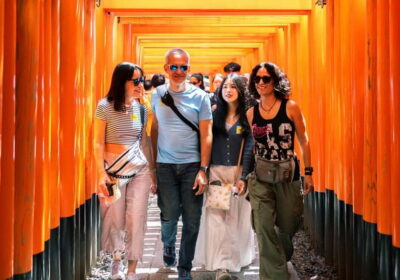
From Kyoto/Osaka: Kyoto Top Highlights 1-Day Guided Bus Tour
Read our review →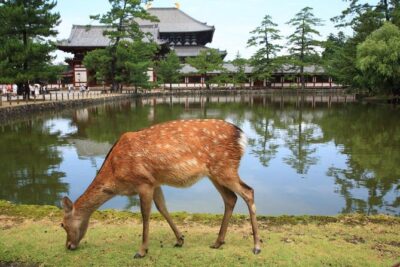
Ancient Capital Tour: Kyoto and Nara Highlights from Kyoto/Osaka
Read our review →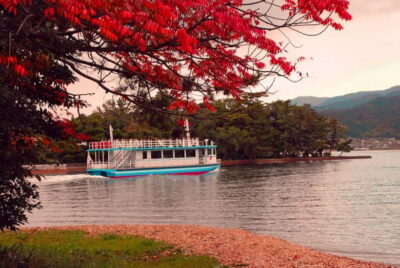
Osaka/Kyoto: Amanohashidate & Miyama Tour with Boat & Lunch
Read our review →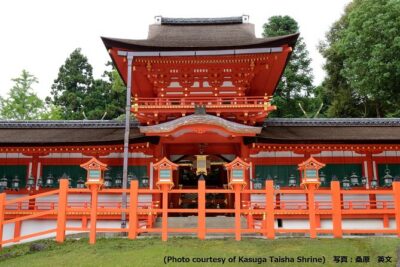

Full Day Tour of Kyoto with Private Transportation
Read our review →
Kyoto & Nara Private customized tour with English speaking Guide
Read our review →This tour also fits