
Reviewed · DAY TRIPS TO KYOTO FROM OSAKA
Full Day Private Tour in Kyoto with Pickup
Kyoto can feel like a big city trap. This private day turns it into a calm, custom highlight run with pickup and an AC car.
You pick 3 to 4 stops from a strong menu, and the guide helps you time the photo moments and temple pacing. That mix of freedom and structure is the point.
I love the convenience built into the day. Hotel pickup and drop-off plus private transportation means you spend less time wrestling trains, and more time walking at a sane speed. I also like that many stops are short, so you can choose variety, from Arashiyama bamboo to Gion streets.
One thing to plan for is cost after booking. The tour price is $425 per person, but several top sights have admission fees that are not included, and lunch is also extra.
In This Review
- Key things that make this Kyoto private tour work
- What You Actually Get in This Kyoto Private Day
- Price and Ticket Reality, so You Can Budget Like a Pro
- Pickup Timing From Osaka, and How the Day Gets Scheduled
- Choosing Your 3 to 4 Stops: The Best Strategy
- Arashiyama Bamboo and Tenryu-ji Gardens: Nature Without the Whole Day
- Kinkaku-ji Gold Leaf and Ginkaku-ji Silver Edge: One Theme, Two Looks
- Zen Rock Garden at Ryoan-ji, and the Calm Rhythm of Kyoto Temples
- Fushimi Inari Torii Paths and Kiyomizu-dera Waterfall Views
- Kiyomizu-dera Plus Old Streets: How Gion Fits Without Overselling It
- Nishiki Market Food Time With Less Planning Stress
- Sanjusangendo, 1001 Statues, and the Wow Moment of Scale
- Kyoto Imperial Palace in a 5-Minute Window: When It Makes Sense
- Nanzen-ji, Heian Shrine, and Other Shrine Stops for Variety
- Nijo Castle, Daikaku-ji, and Toji Temple for Architecture and Big Visuals
- Kodai-ji, Eikando, Kenninji, and Shoren-in: Higashiyama Slow Walk Energy
- How Kumiko’s Example Shows This Works for Real Groups
- Who This Tour Suits Best (and Who Might Want Another Option)
- Should You Book This Kyoto Private Tour?
- FAQ
- How long is the Kyoto private tour with pickup?
- Is this tour private or shared?
- Does the tour include hotel pickup and drop-off?
- Are admission tickets included?
- How many sites can I choose to visit?
- Is lunch included in the price?
- What is included in the tour price besides the guide?
- What admission fees should I expect for major temples?
- Can I cancel for a full refund?
- Are service animals allowed?
Key things that make this Kyoto private tour work
- Private AC vehicle with hotel pickup so you start relaxed and stay flexible
- Pick 3 to 4 sites from a wide menu, instead of getting herded through everything
- Short stop windows (often about 15 minutes) help you cover more without losing your mind
- Most temple tickets are extra, so you can decide where to spend
- Mobile ticket and group discounts can make timing and math easier
- A real-life example: the guide Kumiko organized a smooth day for 11 people, including 5 kids (ages 5 to 13) and an adult with a disability
What You Actually Get in This Kyoto Private Day
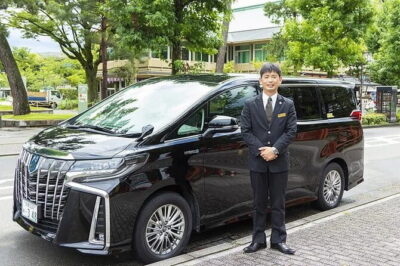
This is a private luxury day tour built around control. You are not stuck on a fixed bus route, and you are not doing Kyoto on hard mode with transfers. You start with pickup, ride in an air-conditioned private vehicle, and then build your day from the stops offered.
The day runs about 8 to 9 hours, and the plan uses quick stop blocks. That matters because Kyoto is full of turning points, crowds at peak times, and long lines at the wrong moment. When your stops are short and intentional, you can keep the day moving without feeling rushed at every location.
The guide portion is also a practical win. You are not just getting directions, you get help choosing which stops fit your interests, your energy level, and the flow of the day. And the private setup means questions are easier, especially for families or groups who need steady pacing.
More temples, thirty minutes up the line
- Osaka/Kyoto: Hiroshima Miyajima Bus Tour & Shinkansen Ticket★ 4.7 · 919 reviews
- From Kyoto/Osaka: Kyoto Top Highlights 1-Day Guided Bus Tour★ 4.5 · 714 reviews
- Ancient Capital Tour: Kyoto and Nara Highlights from Kyoto/Osaka★ 4.5 · 332 reviews
- Osaka/Kyoto: Amanohashidate & Miyama Tour with Boat & Lunch★ 4.6 · 207 reviews
- Kyoto and Nara Day Trip from Osaka★ 4.0 · 175 reviews
Price and Ticket Reality, so You Can Budget Like a Pro
At $425 per person, this is not a bargain tour. You are paying for private transport, hotel pickup and drop-off, and the work of someone managing timing in a busy city. If you are splitting the cost across a small group, it can start to feel more reasonable, especially compared with paying for taxis plus private guide time separately.
The big trade-off is that admission tickets are not included for many of the highlights. Based on the listed estimates, you should expect extra costs like:
- Kinkaku-ji: about ¥400
- Sanjusangendo: about ¥600
- Ginkaku-ji: about ¥500
- Ryoan-ji: about ¥500
- Tenryu-ji: about ¥500
- Nanzen-ji: about ¥500
- Eikando: about ¥600
- Daikaku-ji: about ¥500
- Toji Temple: about ¥600
- Kiyomizu-dera: about ¥400
Two stops are listed as admission free in the plan: Gion and Nishiki Market. Kyoto Imperial Palace and some others are marked as admission not included, so do not assume free entry unless it is explicitly listed as free.
Also, lunch is not included. I recommend you plan either a simple market meal or a sit-down break near one of your chosen stops, so you are not spending your one day in transit hunting for food.
Pickup Timing From Osaka, and How the Day Gets Scheduled
This tour offers pickup, and it also includes parking fees and a fuel surcharge in the price. That helps remove two common annoyances when you do private sightseeing by car. You are paying for the car and the logistics, not extra surprises.
There is also a useful option if you are coming from Osaka: you can start about 1 hour earlier. If you want first light in places like Arashiyama or a calmer run through central Kyoto, that hour can matter.
The plan lists each stop at about 15 minutes in most cases, with a couple of shorter moments like Kyoto Imperial Palace at about 5 minutes and longer travel time likely filling the gaps between locations. In practice, that means your day works best if you pick a few high-priority sights and let the guide handle the order.
Choosing Your 3 to 4 Stops: The Best Strategy
Here is the approach I like for a day like this: pick your “can’t miss” anchors, then add supporting stops that match the same mood.
For example, if you want classic Kyoto temple beauty, pair Kinkaku-ji or Ginkaku-ji with Ryoan-ji or Tenryu-ji. If you want streets and atmosphere, pair Fushimi Inari with Gion and Nishiki Market. If you love quiet gardens, build around Nanzen-ji or Shoren-in.
Your guide can help you keep the day from turning into a sprint. Since the schedule is built in short blocks, you get a lot of variety when you choose wisely, and you avoid burning time on “maybe later” stops.
Arashiyama Bamboo and Tenryu-ji Gardens: Nature Without the Whole Day
If Arashiyama is on your list, you are signing up for a Kyoto scene that photographers chase for a reason. The bamboo stretch is known for its towering stalks and the calm feeling you get when you walk through. Even in busy seasons, the bamboo path creates a different rhythm than the main temple corridors.
The plan also includes Tenryu-ji Temple, another strong partner for this part of the day. Tenryu-ji is famous for a landscape garden and is considered one of the finest examples of Zen garden design. In a short time window, you still get the big visual payoff, and it sets a calmer tone after busier street areas.
A practical consideration: Arashiyama can be crowded during peak travel seasons, and it can eat time if you build your day around it with other far-reaching stops. That is why a private car and a smaller number of sites works so well here.
Other ways to spend a day in Osaka
- Private Osaka Walking Tour: Highlights & Hidden Gems
★ 5.0 · 569 reviews - 3/4/5 Hours Private Tour in Osaka with Local Guide
★ 5.0 · 189 reviews - Osaka’s Best and Brightest: Private Full-Day Tour by Vehicle
★ 5.0 · 147 reviews
Kinkaku-ji Gold Leaf and Ginkaku-ji Silver Edge: One Theme, Two Looks
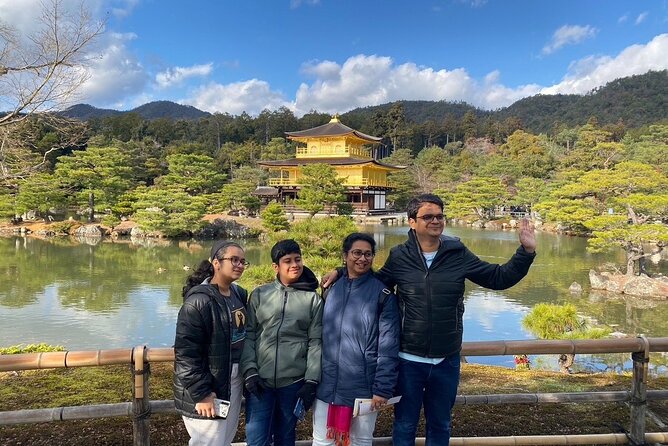
Kinkaku-ji is the famous one for good reason. The upper floors are coated in gold leaf, and the building’s origin links it to Ashikaga Yoshimitsu, later becoming a Zen temple. In a short visit, you still get the main spectacle: the reflective look and the temple setting that makes the photo easy.
If you want the “same family, different style” move, add Ginkaku-ji Temple. It is known for its silver leaf exterior and was built by Ashikaga Yoshimasa. It feels a bit different from Kinkaku-ji, with a softer visual identity that pairs well with Zen garden wandering.
In short stop time, you will not do deep reading or long pacing. But you will see what makes these temples famous, which is often the real goal for a first day.
Zen Rock Garden at Ryoan-ji, and the Calm Rhythm of Kyoto Temples
Ryoan-ji Temple is famous for its Zen rock garden. The design is minimalist: 15 rocks arranged in raked gravel in a way that pushes you to slow down and look longer than the clock wants.
This is the kind of stop that changes how you experience the rest of your day. After torii gates and crowded streets, the rock garden brings back the idea of Kyoto as quiet reflection. Even if your visit is brief, it sets your mindset.
Tenryu-ji also supports this calmer theme. If you choose both Ryoan-ji and Tenryu-ji, you basically build a Zen-heavy block, which is great if you love garden design and temples for the feeling, not just the main photo.
Fushimi Inari Torii Paths and Kiyomizu-dera Waterfall Views
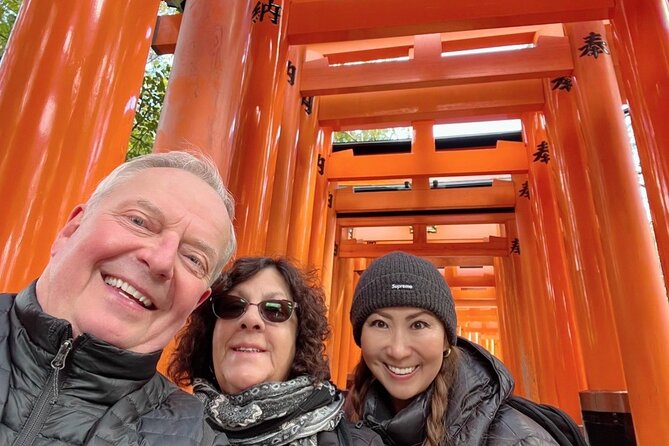
Fushimi Inari-taisha Shrine is a must for many first-timers because the vermilion torii gates create a strong sense of movement. The paths lead up Mount Inari, and the idea of thousands of shrines along the mountainside gives the place its signature emotional pull.
In a short stop window, I suggest you focus on the entrance section and a photo point where the gates stack nicely. You can still feel the scale without turning it into a full hike day.
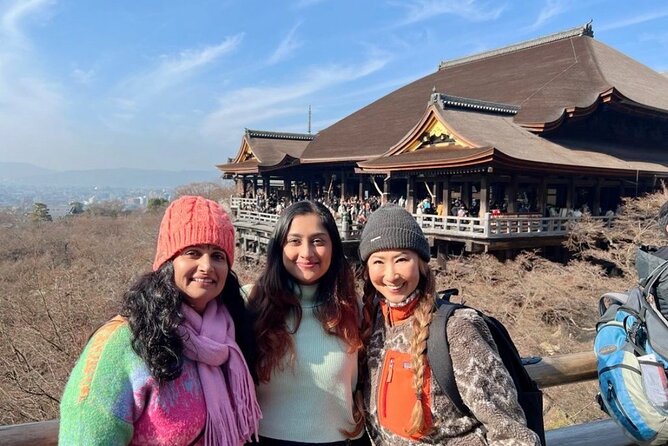
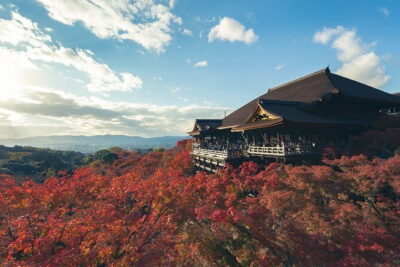
Then there is Kiyomizu-dera, called the Pure Water Temple. It dates back to 780 and is known for the Otowa Waterfall. This is one of those Kyoto sights where you can see why people plan entire days around temples, even if you only have 15 minutes. The setting in the forested area east of Kyoto gives it a different atmosphere than the downtown streets.
If you are sensitive to crowds, consider placing Fushimi Inari earlier in the day and using your private car to reposition quickly.
Kiyomizu-dera Plus Old Streets: How Gion Fits Without Overselling It
Gion is a famous geisha district with traditional machiya houses lined along the streets. Even if you are not focused on cultural performance, the neighborhood layout is worth it because it feels like a living heritage district rather than a single photo point.
The plan lists Gion with free admission. That is helpful because you can spend your time on atmosphere, not on ticket lines. You can also pair it with Kodai-ji Temple for a Higashiyama vibe shift, or with Nishiki Market if you want food and browsing.
Yasaka Shrine is also on the menu and is tied closely to the Gion area. It is known as Gion Shrine and is described as having lantern-lit paths, which is a big part of why people connect the neighborhood with festivals.
Nishiki Market Food Time With Less Planning Stress
Nishiki Market is often called Kyoto’s Kitchen. In this tour plan, it is included as a free stop, and it is known for offering local specialties through many shops and restaurants.
This is a smart mid-day or late-day stop because it solves a real problem: you want a snack break without committing to a long meal reservation. In a short window, you can taste a few things and keep moving.
If you have chosen heavier temple stops earlier, Nishiki Market acts like a reset. It is also ideal for kids or anyone who wants food-based “culture,” not only architecture.
Sanjusangendo, 1001 Statues, and the Wow Moment of Scale
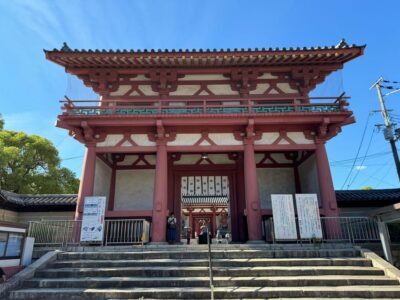
Sanjusangendo Temple is famous for 1001 statues of Kannon, the goddess of mercy. It was built in 1164 and described as Japan’s longest wooden structure. That combination of number and scale is the kind of fact that makes a short visit still feel meaningful.
It is also a great choice if your group loves clear, memorable details. A single sentence like 1001 statues gives you a mental hook before you even arrive, which helps you enjoy the place faster.
One caution: scale-heavy sights can feel crowded if timing is off. If you plan to visit during peak periods, keep your other stops flexible and let the guide shape the day.
Kyoto Imperial Palace in a 5-Minute Window: When It Makes Sense
The tour includes Kyoto Imperial Palace in Kyoto Imperial Park, and the plan lists it as about 5 minutes. It is the former residence of the Imperial Family and was reconstructed in 1855, with historical buildings and gardens.
With only a few minutes, you should treat this as a quick “see it and orient yourself” stop. It is most valuable if you want the general setting and want the palace park as context for the rest of your Kyoto day.
If palace architecture is one of your top interests, you may want more time than a quick pass. Otherwise, it is a good add-on that fills the route without draining your day.
Nanzen-ji, Heian Shrine, and Other Shrine Stops for Variety
Nanzen-ji Temple is a historic Zen temple complex described with majestic gates, serene gardens, and an aqueduct. It is another choice for anyone who likes temples that feel more spacious and less like a tight photo corridor.
Heian Shrine is on the list too, and it is known for its massive torii gate and expansive gardens that burst into color in cherry blossom season. Even in seasons outside blossoms, it can add a different feel to the day because you get a big shrine gate moment and room to walk.
Kifune Shrine is a different kind of stop. It is dedicated to the god of water and located in a lush forest area near the Kibune River. That sounds like a getaway inside the city, and it can help your day feel less repetitive compared with other temple-heavy blocks.
Jonangu Shrine is another calmer option, described with expansive gardens and seasonal flowers. If your chosen stops are all known for crowds or crowds by association, Jonangu can rebalance the day.
Nijo Castle, Daikaku-ji, and Toji Temple for Architecture and Big Visuals
Nijo Castle is a UNESCO World Heritage site listed for this tour. It is famous for ornate interiors, majestic gates, and Japanese gardens. The castle makes sense if your group likes architecture and historic design.
Daikaku-ji Temple is included as well. It is a former imperial villa turned temple, with a serene pond garden and historic buildings dating to the Heian period. Even with a short stop window, pond garden settings give you that classic Kyoto water reflection feeling.
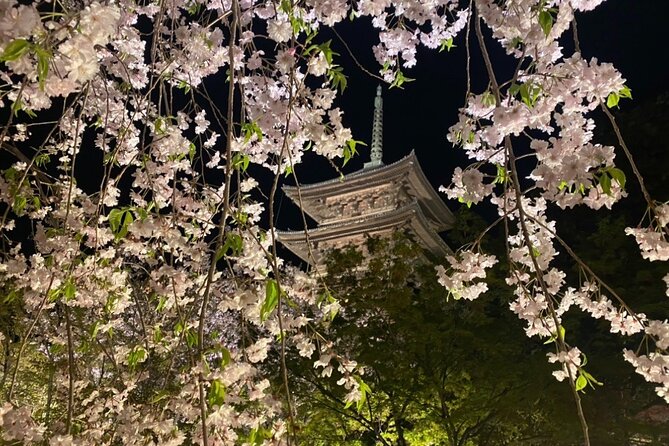
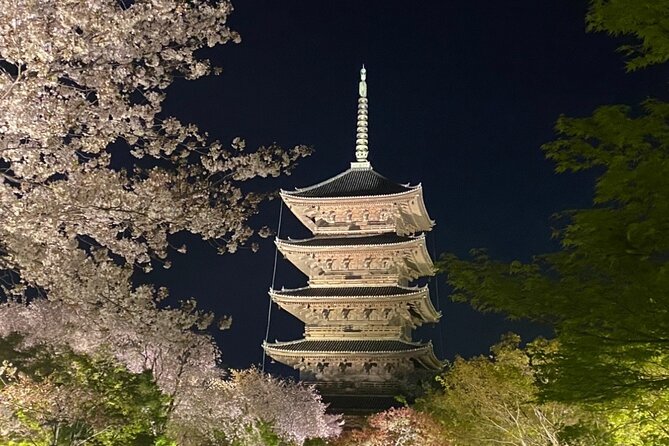
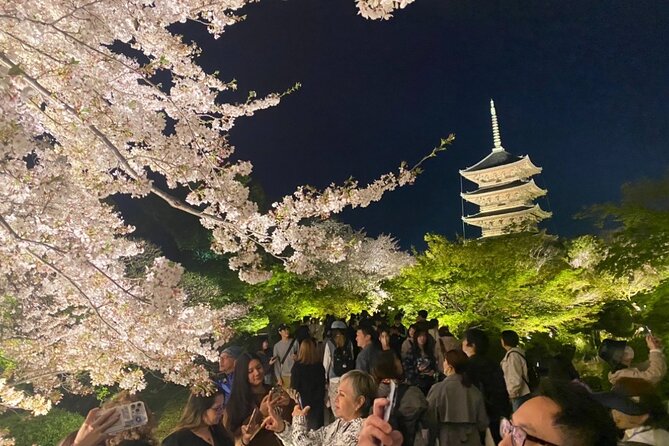
Toji Temple is one of the more “big structure” stops on the list, famous for a towering pagoda and described as the tallest wooden tower in Japan. There is also a flea market held on the 21st of each month, which could add a local touch if your date lines up.
If you want a day that feels like Kyoto seen through major landmarks, this block works well. The visuals are strong, and your guide can help you choose which ones match your group’s priorities.
Kodai-ji, Eikando, Kenninji, and Shoren-in: Higashiyama Slow Walk Energy
Higashiyama temples make Kyoto feel like Kyoto. Kodai-ji Temple is known for exquisite Zen gardens, historic tea houses, and night illuminations. Eikando Zenrinji Temple is known for autumn foliage and houses an Amida Buddha statue.
If you are mixing seasons, keep expectations grounded in the season you visit. The tour listing ties Eikando strongly to autumn foliage, but the temple still matters as a spiritual and architectural stop.
Kenninji Temple is described as Kyoto’s oldest Zen temple, with painted sliding doors and tranquil tea gardens. Shoren-in Temple is a quiet retreat with a pond garden and tea houses set in the foothills of Higashiyama.
In practice, these stops are best for groups who enjoy walking and looking. They are not the most efficient if your group wants only one quick landmark photo per stop, but they reward patience.
How Kumiko’s Example Shows This Works for Real Groups
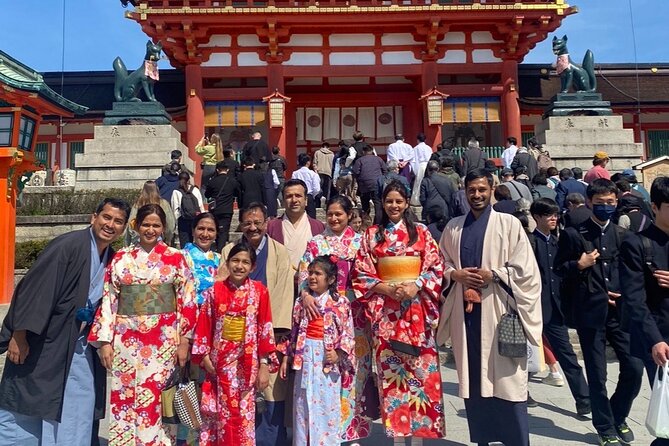
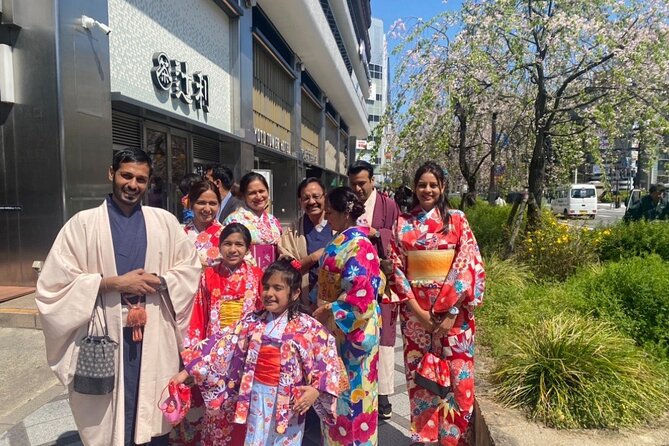
One reason I like this style of private tour is what it takes to handle variety. In one example, the guide Kumiko organized a fantastic and efficient tour for 11 people, including 5 children aged 5 to 13 and one adult with a disability.
That kind of group mix is exactly where a short-stop plan and a flexible guide matter. Kids need movement and breaks. Adults with mobility considerations need fewer surprises and smoother transitions. A private car and a guide who can keep everyone synced makes the difference between a day that feels stressful and one that feels manageable.
So if your group includes family members with very different energy levels, this private format is the right tool.
Who This Tour Suits Best (and Who Might Want Another Option)
This tour fits best if you want Kyoto highlights with control. If you are traveling with kids, mixed ages, or anyone who does not want to hop trains between far-flung sights, the pickup and private vehicle are a big deal.
It is also a good fit for first-time visitors who want a high-impact overview without spending the whole day in queues. Because you pick 3 to 4 sites, you can tailor the day to what you actually care about: torii gates, Zen gardens, markets, or temple architecture.
If you are a high-powered “see everything” traveler, the short stop structure might feel limiting. This tour is designed to cover a few signature moments well, not to satisfy every Kyoto obsession in one day.
Should You Book This Kyoto Private Tour?
I would book it if you want a private Kyoto day with less friction. The combination of hotel pickup, private AC transport, and a guide who helps you pick the right stops is exactly what makes Kyoto enjoyable instead of exhausting.
I would pause before booking if your main priority is stacking many paid temples into one day. With several admission costs listed as extra, your final spend can climb quickly, especially if you select many ticketed sites. Also, lunch is not included, so plan that part yourself.
One final practical tip: choose your 3 to 4 stops early, then keep one “flex” slot for a mood shift. That might be Nishiki Market for food time, or a calmer shrine like Jonangu for a breather. When you do that, this day stops feeling like a checklist and starts feeling like Kyoto.
FAQ
How long is the Kyoto private tour with pickup?
The duration is about 8 to 9 hours.
Is this tour private or shared?
It is private. Only your group will participate.
Does the tour include hotel pickup and drop-off?
Pickup is offered, and the tour includes hotel pickup and drop-off.
Are admission tickets included?
No. Tickets are not included for many stops. Some stops are listed as free, including Gion and Nishiki Market.
How many sites can I choose to visit?
You select 3 to 4 sites from the available menu.
Is lunch included in the price?
No, lunch is not included.
What is included in the tour price besides the guide?
The price includes parking fees, fuel surcharge, private transportation, and an air-conditioned vehicle.
What admission fees should I expect for major temples?
The tour lists approximate costs for several sights, including Kinkaku-ji (about ¥400), Kiyomizu-dera (about ¥400), Sanjusangendo (about ¥600), and others like Tenryu-ji, Ryoan-ji, and Nanzen-ji (each about ¥500), plus Eikando (about ¥600), Daikaku-ji (about ¥500), and Toji Temple (about ¥600).
Can I cancel for a full refund?
Yes. Free cancellation is offered, and you can cancel up to 24 hours in advance for a full refund.
Are service animals allowed?
Yes, service animals are allowed.
Just added around Osaka

Day Trips to Kyoto from Osaka, compared.
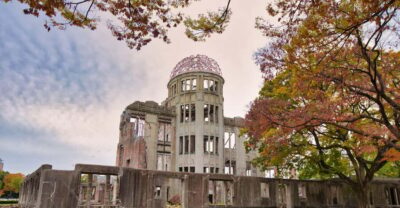
Osaka/Kyoto: Hiroshima Miyajima Bus Tour & Shinkansen Ticket
Read our review →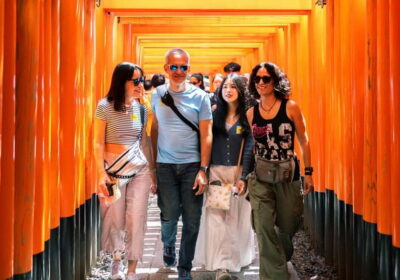
From Kyoto/Osaka: Kyoto Top Highlights 1-Day Guided Bus Tour
Read our review →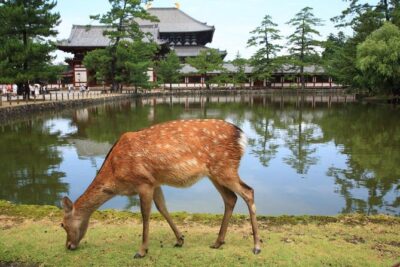
Ancient Capital Tour: Kyoto and Nara Highlights from Kyoto/Osaka
Read our review →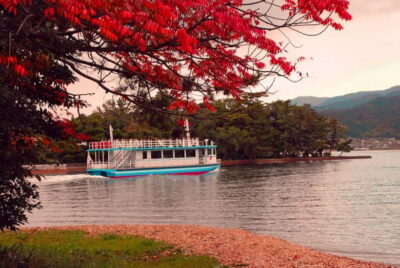
Osaka/Kyoto: Amanohashidate & Miyama Tour with Boat & Lunch
Read our review →

Full Day Tour of Kyoto with Private Transportation
Read our review →
Kyoto & Nara Private customized tour with English speaking Guide
Read our review →This tour also fits