
Reviewed · DAY TRIPS TO KYOTO FROM OSAKA
Kyoto Full-Day Private Tour (Osaka departure) with Government-Licensed Guide
Kyoto in one day, without the chaos. I like that you travel with a government-licensed English-speaking guide, not a random meet-and-hope setup, so the places make sense as you walk. I also like the custom itinerary angle, where you can choose 3 to 4 Kyoto sites from a big menu of options, instead of being shoved into someone else’s exact plan.
One watch-out: it’s a walking tour. Expect lots of steps and a fast pace, and plan your budget for transportation, entrance fees, and lunch since they are not included.
In This Review
- Key highlights that make this tour worth your time
- Why Osaka-to-Kyoto feels easier with a licensed guide
- How the 8-hour walking day plays out (and how to enjoy it)
- Picking 3 to 4 stops from 35-plus Kyoto choices
- Iconic classics: Fushimi Inari, Kiyomizu-dera, Gion, Nishiki, and Higashiyama
- Nijo Castle and Kyoto’s power centers in one guided sweep
- Temple highlights for Zen fans: from silver and golden pavilions to Ryoan-ji
- Arashiyama: bamboo paths, Togetsukyo Bridge, and garden villas
- Saga’s hillside temples: Otagi Nenbutsu-ji, Adashino, and quieter Kyoto
- Adding Uji’s Byodoin Phoenix Hall if you have extra time
- Price and logistics: what you pay for, what you still cover
- The human factor: how guides like Rie, Ichiro, and Haru shape the day
- Should you book this Osaka-to-Kyoto private tour?
- FAQ
- How long is the Kyoto full-day private tour from Osaka?
- Can we choose which Kyoto sites to visit?
- Is pickup included from Osaka?
- Are entrance fees and lunch included in the tour price?
- Is this a private tour or a group tour?
- Is a private vehicle available?
- Can I cancel for a full refund?
Key highlights that make this tour worth your time
- Government-licensed English-speaking guides who help you understand what you are seeing
- Custom 3-4 stop Kyoto plan built around your interests
- A practical full-day structure for seeing top areas like Fushimi Inari, Gion, and Arashiyama without guesswork
- Short, high-impact visits that work well if you only have one day in Kyoto
- Guides who handle transit stress, including train navigation and time management for cruise or tight schedules
- Many stops with free entry, so you can spend your money where it counts
Why Osaka-to-Kyoto feels easier with a licensed guide
If you’ve ever tried to coordinate Kyoto temples, neighborhoods, and transit all in one day, you already know the pain. This tour is built for people who want the highlights, but not the stress. You start in Osaka, meet your guide within designated Osaka areas, and then head into Kyoto on a schedule designed for a full day.
What you are really paying for here is the thinking power of a licensed guide. The guide can connect the dots between sites like Fushimi Inari, the imperial-era layers of Kyoto, and the big historical shifts that shaped today’s streets. That matters, because Kyoto is not just a list of photo spots. It is an entire city organized around centuries of religion, politics, and daily life.
You also get the flexibility of choosing 3 to 4 Kyoto stops from a menu of 35+ possibilities. That is a smart match for a one-day trip, where time is always the villain.
More temples, thirty minutes up the line
- Osaka/Kyoto: Hiroshima Miyajima Bus Tour & Shinkansen Ticket★ 4.7 · 919 reviews
- From Kyoto/Osaka: Kyoto Top Highlights 1-Day Guided Bus Tour★ 4.5 · 714 reviews
- Ancient Capital Tour: Kyoto and Nara Highlights from Kyoto/Osaka★ 4.5 · 332 reviews
- Osaka/Kyoto: Amanohashidate & Miyama Tour with Boat & Lunch★ 4.6 · 207 reviews
- Kyoto and Nara Day Trip from Osaka★ 4.0 · 175 reviews
How the 8-hour walking day plays out (and how to enjoy it)
This is an 8-hour day in practice, not a slow sit-and-savor experience. The format is a walking tour, and pickup is on foot. That sounds simple, but it changes everything about how you should prepare.
Here is the practical reality: you’ll be moving through multiple neighborhoods, and each stop is designed to be efficient. The tour description even frames some sites as shorter guided looks, so you can hit several areas instead of losing the whole day to one temple entrance line or one long detour.
Plan like you are doing a long city hike:
- Wear shoes you trust for hours
- Bring a snack, because a review specifically calls out how much walking there is
- Treat lunch as something you’ll need to fit into your timing, since it is not included
If your group wants maximum sitting time, this might feel too active. If you want maximum Kyoto per hour, it is a good fit.
Picking 3 to 4 stops from 35-plus Kyoto choices
The tour’s big advantage is the menu. You are not limited to a single “greatest hits” route. You can choose your Kyoto mix based on what you actually care about: shrine paths, Zen temples, historic districts, markets, geisha neighborhoods, imperial gardens, or quieter hillside temples.
To make your choice feel easier, think in zones:
Old Kyoto streets and classic highlights (east side)
This is where Fushimi Inari, Kiyomizu-dera, Higashiyama Ward, Gion, Nishiki Market, and Pontocho fit together well. You get the shrine experience, the historic atmosphere, and food street energy in one sweep.
Zen temples and garden icons (north and east side cluster)
You can build around spots like Ginkakuji, Nanzenji, Tofuku-ji, Tōji, Kinkakuji, Ninna-ji, and Ryoan-ji. This route makes sense if you care about temple architecture and famous garden styles.
Arashiyama and the west Kyoto nature-and-culture mix
Arashiyama is a different Kyoto mood: the Togetsukyo Bridge area, bamboo grove walking paths, and big-name temple stops like Tenryu-ji. Add garden-focused stops like Okochi Sanso and you get a day that feels more scenic.
Quiet hillside temples in west Kyoto
If you want less street energy and more calm, you can choose temple areas like Jojakkoji, Nisonin, Gio-ji, Adashino Nenbutsu-ji, and Otagi Nenbutsu-ji. These are the kinds of places where moss, small gates, and long stair paths create that slow, reflective pace.
Because you only pick 3 to 4 stops, your biggest decision is usually not which temple is best. It is which Kyoto mood you want that day.
Iconic classics: Fushimi Inari, Kiyomizu-dera, Gion, Nishiki, and Higashiyama
A lot of Kyoto first-timers start with Fushimi Inari, and this tour is built to make that kind of stop painless. Fushimi Inari-taisha is one of the most instantly recognizable shrine experiences in Japan, and the tour description notes free admission for this stop. The route also frames it as a short visit that still feels like you get more context than a quick, self-guided wander. That matters because Fushimi Inari is visual, but the meaning is layered.
From there, you can connect to Kiyomizu-dera, which is described as a longer guided look around the temple grounds. Kiyomizu-dera tends to be a “you see it, then you want the story” kind of site, and a guide helps you focus on what to notice instead of trying to read everything on the fly.
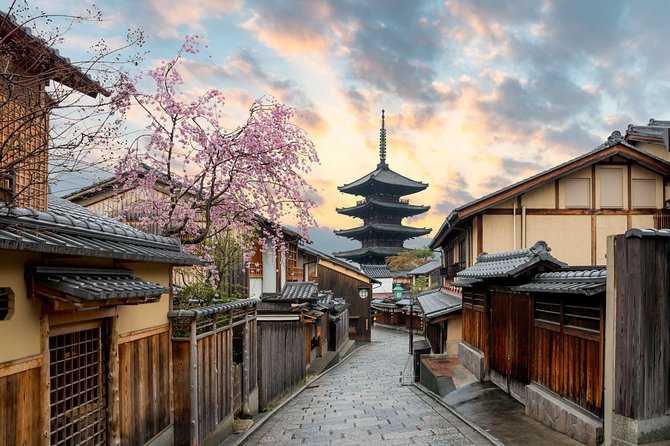
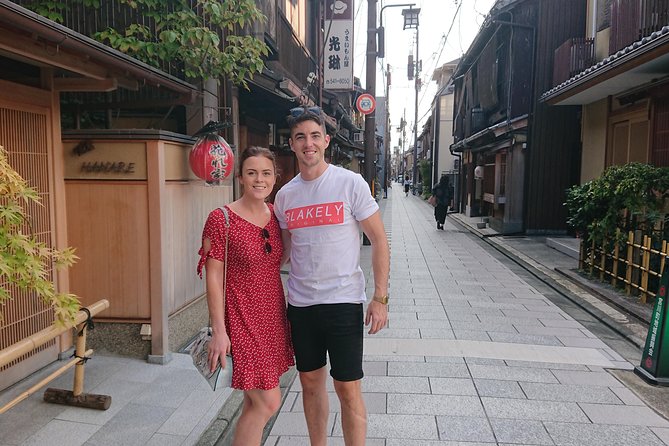
Then comes the street side of Kyoto. Higashiyama Ward is presented as one of Kyoto’s best preserved historic areas, which is perfect for walking the old-town feel. Pair that with Gion, and you get geisha district atmosphere in narrow lanes that can be intimidating if you are navigating alone. Pontocho is another smart pairing, an alley full of dining energy in a compact space.
Finish the classic loop with Nishiki Market, a narrow shopping and food street often called Kyoto’s Kitchen. The tour lists it as free to enter, so you are spending time not money, and your guide can help you spot what is worth trying versus what is just loud.
Nijo Castle and Kyoto’s power centers in one guided sweep
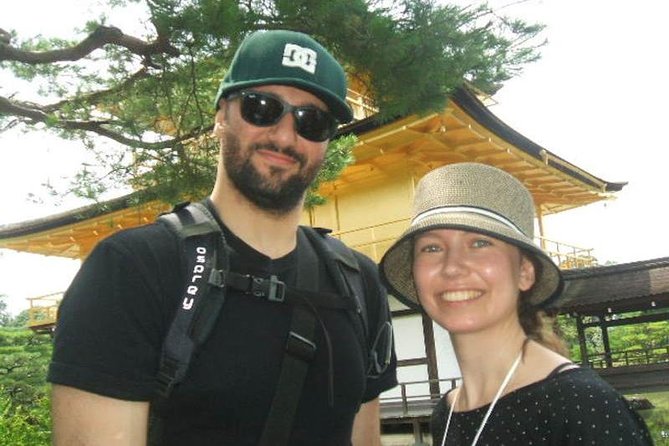
Kyoto is not only shrines and scenic streets. It also has a political backbone, and Nijo Castle is one of the strongest ways to feel that.
Nijo Castle is a UNESCO site, built in 1603 as the Kyoto residence of Tokugawa Ieyasu, the first shogun of the Edo Period. With that kind of origin, it is worth having a guide to explain why the place feels the way it does today. You are not just touring buildings, you are stepping into a designed power system.
If your route allows it, you can also add the Kyoto Imperial Palace. The description explains it served as the imperial residence until 1868, when the emperor and capital moved to Tokyo. This is one of those stops where context turns “pretty gates and grounds” into “oh, now I get the timeline.”
One practical consideration: the tour is designed for a short day plan. So treat castle and palace visits as focused orientation stops. If you want hours inside museums or deep architectural study, you might feel slightly rushed. But if your goal is to understand Kyoto’s historical layers in a single day, this section works.
Other ways to spend a day in Osaka
- Private Osaka Walking Tour: Highlights & Hidden Gems
★ 5.0 · 569 reviews - 3/4/5 Hours Private Tour in Osaka with Local Guide
★ 5.0 · 189 reviews - Osaka’s Best and Brightest: Private Full-Day Tour by Vehicle
★ 5.0 · 147 reviews
Temple highlights for Zen fans: from silver and golden pavilions to Ryoan-ji
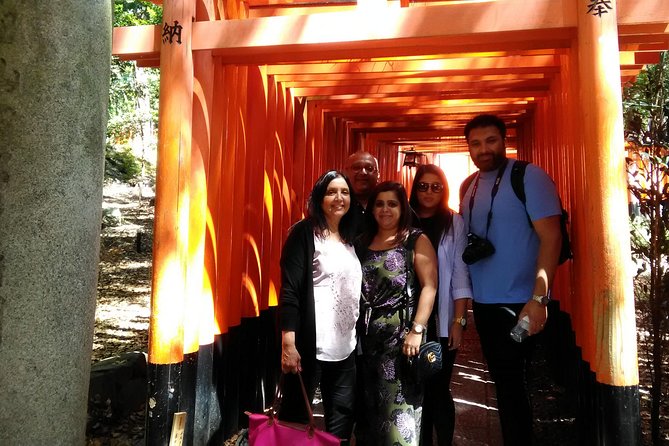
Kyoto’s Zen temple icons are famous for a reason, but the details are easy to miss when you are just moving from entrance to entrance. A guided route helps you notice the design choices that give these places their identity.
You might include Ginkakuji (Silver Pavilion), built after shogun Ashikaga Yoshimasa’s retirement villa plans in 1482. Or you might choose Nanzenji, described as one of Japan’s important Zen temples and the head temple of one of the major Zen branches. Either way, the guide helps you connect the temple’s role to the broader religious landscape you are walking through.
There is also a very strong “garden lovers only” pick: Ryoan-ji, known for Japan’s most famous rock garden. If you love minimal design and the rules behind the composition, this is the kind of stop where a guide can help you understand what you are looking at.
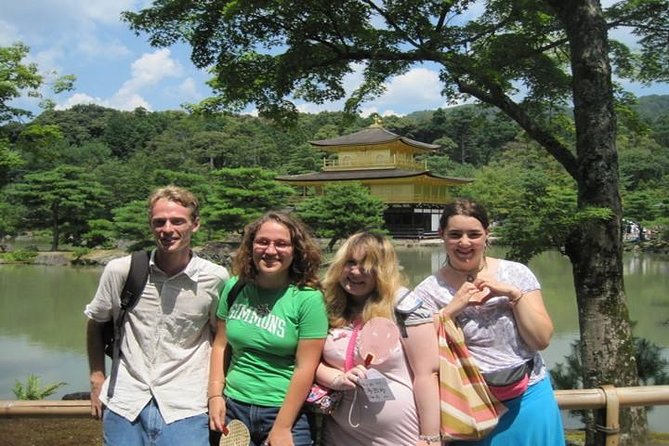
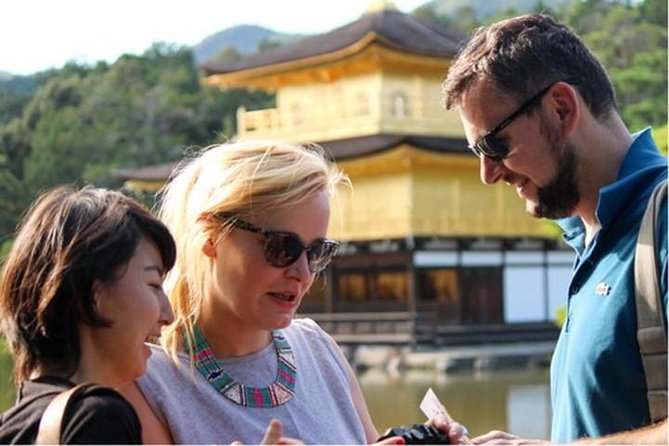
And yes, you can also aim for the big visual payoff at Kinkakuji (Golden Pavilion), with its top floors covered in gold leaf. The tour description frames Kinkakuji as a retirement villa connection tied to Ashikaga. When you pair that with other Zen stops, the day becomes more than sightseeing. It becomes a clear study in how power, taste, and religion show up in stone and space.
Expect temple admissions to be part of your cost planning. These entrances are not included in the tour price, so budget for the sites you choose.
Arashiyama: bamboo paths, Togetsukyo Bridge, and garden villas
Arashiyama is one of Kyoto’s most distinctive areas, and it fits perfectly into a one-day “big scenery” plan. The tour highlights Togetsukyo Bridge, described as Arashiyama’s iconic landmark, originally built during the Heian Period and reconstructed in the 1930s.
The bamboo grove portion is also very specific in the way it’s presented. The walking paths through the bamboo are said to be especially enjoyable when there is a light wind, because the tall stalks sway gently. That’s a nice tip because it hints at what to look for besides just taking a photo at the first bend.
If you want a temple upgrade after bamboo, Tenryu-ji is listed as the most important temple in Arashiyama and part of the famous “five great Zen temples” set. You can also layer in garden-focused stops like Okochi Sanso Garden, the former villa of actor Okochi Denjiro. The description notes the garden includes multiple gardens and buildings, including the kinds of spaces that helped turn the villa into a curated experience.
If you prefer imperial-era garden design, you might consider Katsura Imperial Villa, described as one of the finest examples of Japanese architecture and garden design, completed in 1645. With limited time, pick one “wow” garden experience and let the rest of the day flow around it.
Saga’s hillside temples: Otagi Nenbutsu-ji, Adashino, and quieter Kyoto
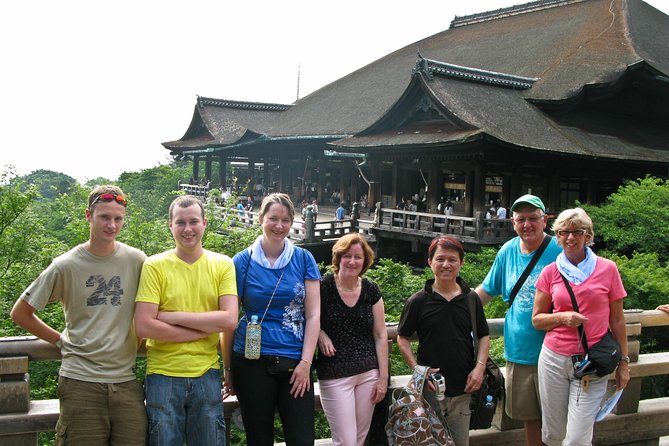
Not everyone wants to be in the middle of the crowds, even if crowds are part of the Kyoto brand. This tour’s wider stop list gives you an alternative: the quieter hillside temples of west Kyoto.
Adashino Nenbutsu-ji is described as located at the end of the Saga-Toriimoto Preserved Street. It traces back to the early 9th century, tied to Kobo Daishi and stone statues placed for the souls of the dead. If you like temples with a strong origin story, this kind of stop makes sense.
Then there is the standout for offbeat visual impact: Otagi Nenbutsu-ji, famous for its 1,200 stone statues of rakan, each with a different facial expression. That amount of variation turns the walk into a scavenger hunt. It is also the kind of place where your guide can help you spot patterns you might otherwise miss.
You can also mix in other hillside options like Jojakkoji, Nisonin, and Gio-ji, each described as having an understated atmosphere, hillside paths, and lots of moss or trees near the routes.
Just remember, hillside temples are still walking. If anyone in your group struggles with stairs or long uneven paths, choose fewer stops and keep them closer together.
Adding Uji’s Byodoin Phoenix Hall if you have extra time
If you are willing to stretch the day, Uji can add a completely different Kyoto flavor. Byodoin Temple is highlighted for its Phoenix Hall, described as a National Treasure of Japan and a UNESCO World Heritage site. The description also notes extra travel time since it is in Uji city in Kyoto prefecture.
This is the kind of stop that can justify the private-tour format. When you try to tack Uji on as an afterthought, timing gets messy fast. With a guide, you at least have a plan for how it fits into your 8-hour window.
If Uji is one of your must-dos, you’ll likely want to limit your other choices. Pick one classic east-side stop and one Uji-compatible option, otherwise you may spend more time commuting than actually seeing.
Price and logistics: what you pay for, what you still cover
At $201.46 per person, this tour sits in the “worth it if you want a guided, efficient day” category. Here’s what your money is actually buying:
Included:
- A licensed local English-speaking guide
- A customizable walking tour where you choose 3 to 4 Kyoto sites
- Meet-up within designated Osaka areas
Not included:
- Transportation between points
- Entrance fees for temples and attractions
- Lunch and personal expenses
- A private vehicle unless you request it, and it must be booked at least 5+ days ahead
There is also a mobile ticket mentioned, which can simplify check-in.
How to judge value: you are paying to remove uncertainty. You get someone who can help you navigate Kyoto’s geography, explain what you are looking at, and keep you from losing time. The more complex your day becomes, the more that “uncertainty removal” matters.
Also, some sites on the stop list are marked free admission (Fushimi Inari, Gion, Nishiki Market, Pontocho, Higashiyama areas, and Toji). That can help offset the entrance-fee part of the budget, depending on what you choose.
The human factor: how guides like Rie, Ichiro, and Haru shape the day
A private tour is only as good as the person holding the group together. The strong thread in the feedback is that the guides do real work, not just point at landmarks.
Names that show up include Rie, Andy Murao, Tatsuya Ito, Bell, Ichiro, Haru, Akira, and Kiriko. The common themes are practical:
- Guides make transit easier, including train navigation and getting back on schedule, which matters if you are starting from a cruise terminal or managing tight timing
- Guides adapt the pace for real life, including a review noting care for a young daughter’s stamina
- Guides add helpful stops, like suggesting a restaurant for traditional Japanese food or even a ramen lunch detour
- Guides help with confidence, including directions and walking support in neighborhoods like Gion and the older street districts
There was also one less-perfect experience where communication and pace were an issue due to language gaps. The good sign for you is that the provider emphasizes licensed guides and backs up quality control when guidance does not match standards.
In plain terms: if you want Kyoto without headaches, pick a guide who communicates clearly and can steer your day. You’ll feel it immediately in how smooth the walking feels.
Should you book this Osaka-to-Kyoto private tour?
I’d book it if your priorities are a guided one-day taste of Kyoto, smart routing, and someone to explain the meaning behind the big-name places. It’s also a strong choice if you are short on time and need help with transit, especially from Osaka or if you are returning to a cruise on a deadline.
I would not book it if your group wants a slow, flexible “we linger wherever we want” style day, or if everyone in your party has limited walking tolerance. The tour is structured for movement, and many stops are designed as short looks rather than long stays.
If you do book, I’d go in with two decisions ready:
- Which Kyoto mood do you want most (east classics, Zen temples, Arashiyama scenery, or quiet hillside calm)?
- How many people are going and how comfortable are they with stairs and long walking?
Do that, bring snacks and solid shoes, and you will likely get the day Kyoto is best at: memorable, well explained, and efficiently planned.
FAQ
How long is the Kyoto full-day private tour from Osaka?
It runs for about 8 hours.
Can we choose which Kyoto sites to visit?
Yes. The tour is described as customizable, with 3 to 4 Kyoto sites chosen from a list of options.
Is pickup included from Osaka?
Pickup is offered, and you meet your guide within designated Osaka areas. It’s also described as a walking tour, with pickup on foot.
Are entrance fees and lunch included in the tour price?
No. Transportation and entrance fees are not included, and lunch and personal expenses are also not included.
Is this a private tour or a group tour?
It is a private tour, so only your group participates.
Is a private vehicle available?
A private vehicle is available on request, but it must be pre-booked at least 5+ days in advance.
Can I cancel for a full refund?
Yes. Free cancellation is available if you cancel at least 24 hours in advance for a full refund.
Just added around Osaka


Day Trips to Kyoto from Osaka, compared.
Osaka/Kyoto: Hiroshima Miyajima Bus Tour & Shinkansen Ticket
Read our review →
From Kyoto/Osaka: Kyoto Top Highlights 1-Day Guided Bus Tour
Read our review →
Ancient Capital Tour: Kyoto and Nara Highlights from Kyoto/Osaka
Read our review →
Osaka/Kyoto: Amanohashidate & Miyama Tour with Boat & Lunch
Read our review →

Full Day Tour of Kyoto with Private Transportation
Read our review →
Kyoto & Nara Private customized tour with English speaking Guide
Read our review →This tour also fits