
Reviewed · DAY TRIPS TO KYOTO FROM OSAKA
Kyoto Full day Tour Kinkakuji, Kiyomizu-dera and Fushimi Inari
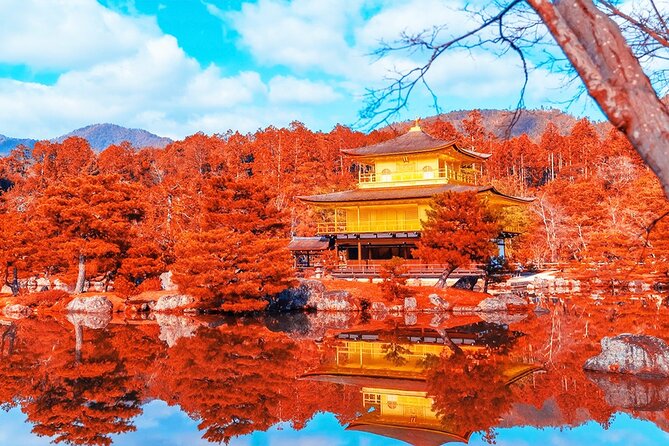
Golden gates, red torii, and tight timing. This full-day route is a fast, organized way to see three Kyoto hits, from the Golden Pavilion at Kinkaku-ji to the photo magnets and temple lanes around Kiyomizu-dera, then onto free Fushimi Inari in the afternoon.
Two things I really like are the practical multilingual guide help, and the way the schedule gives you real time at Kiyomizu-dera and the old streets (not just a quick drive-by). One thing to consider: it is efficient, so Kinkaku-ji is brief, and you should budget for temple tickets and your own lunch.
In This Review
- Key points before you go
- How the day runs, from Osaka pickup to Kyoto drop-off
- Kinkaku-ji Temple: 40 minutes with the Golden Pavilion
- Kiyomizu-dera plus Ninenzaka and Sannenzaka: where the day breathes
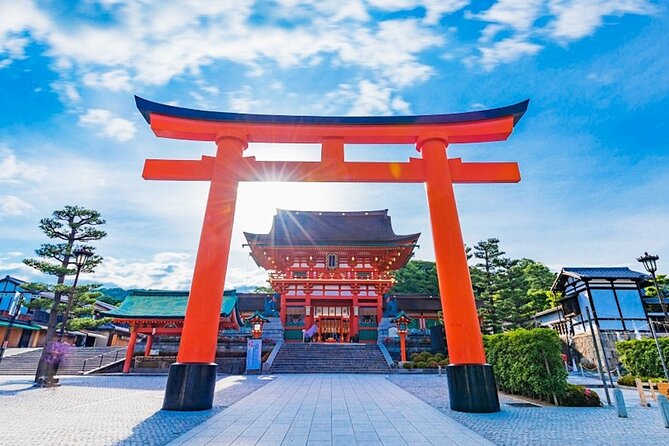
- Fushimi Inari-taisha’s torii gates: short walk, big atmosphere
- Guide quality is the real value, especially on a full day
- Price and ticket math: what you really pay
- Comfort, crowd flow, and how to pace yourself
- Who this tour fits best
- Should you book this Kyoto full-day Kinkaku-ji, Kiyomizu-dera, Fushimi Inari tour?
- FAQ
- What is the duration of the Kyoto full day tour?
- Where do I meet the guide?
- Are temple tickets included?
- Is lunch included?
- What is included in the price?
- How large is the group?
Key points before you go
- AC transport plus a multilingual guide means less guesswork between stops.
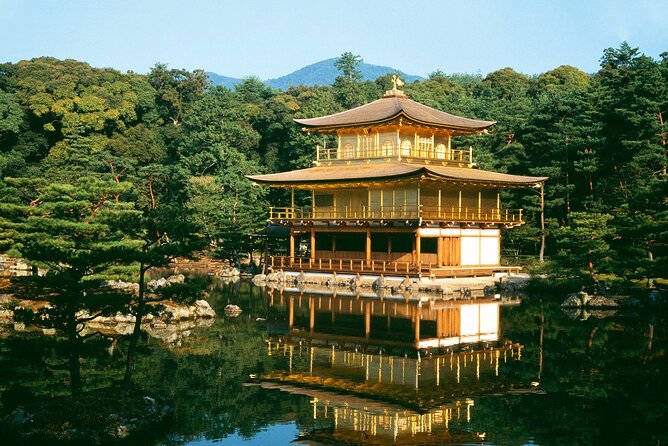
- 40 minutes at Kinkaku-ji gives you a taste of the Golden Pavilion without lingering too long.
- 3 hours at Kiyomizu-dera is long enough to explore the temple area and the street vibe (Ninenzaka and Sannenzaka).
- Fushimi Inari is admission-free and capped to about 1 hour 10 minutes, so you choose your walking level.
- Group size max 40 keeps it from feeling like a private tour, but still managed.
- Mobile ticket helps you avoid extra paper and keep moving.
How the day runs, from Osaka pickup to Kyoto drop-off
This is a 9.5-hour day with one clear goal: see Kyoto’s most in-demand sights in a single push. You meet at either Osaka at 8:40am or Kyoto at 9:50am, then ride in an air-conditioned vehicle to your first stop. The day ends with drop-off around 6:10pm.
That timing matters. You will be in transit for parts of the morning and early afternoon, and the stops are sized around the flow of Kyoto crowds. The schedule is set up so you hit the top sights in the order that keeps the day logical, not random.
Also pay attention to one realistic note: the itinerary may shift if traffic, weather, or other issues hit. That is normal for Kyoto on a bus day. I always tell people to avoid locking in a last-minute dinner plan far from your drop-off, just in case your finish time nudges.
Quiet spaces between the neon
- Osaka: Minoh, Katsuoji Temple, & Minoh Falls Full-day Tour★ 4.9 · 172 reviews
- Sagano Romantic Train & Arashiyama, Kiyomizudera, Fushimi Inari Taisha Day Tour★ 4.5 · 171 reviews
- Full Day Kyoto Tour : Bamboo Forest, Golden Temple, Fushimi Inari★ 5.0 · 84 reviews
- Osaka Temple Cool Foot Bath & Matcha Experience〈45min〉★ 4.9 · 82 reviews
- Osaka: Mind & Spirit Balance Temple Reiki Healing★ 5.0 · 41 reviews
Kinkaku-ji Temple: 40 minutes with the Golden Pavilion
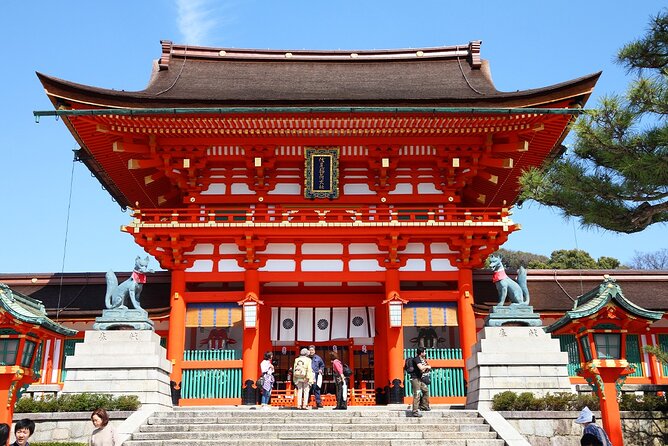
Kinkaku-ji is the kind of Kyoto landmark that looks even better once you are there in person. The Golden Pavilion has a way of turning everyone into photographers, but the time slot is short by design: about 40 minutes, and the entry ticket is not included (listed as $4 per person).
So how do you use your time well here?
First, decide what you want from Kinkaku-ji. In 40 minutes you can usually do the main views and take photos, but you will not have time for a long, slow wander everywhere. If you want a calm experience, aim to get your key angles early in the visit, before you fully get swept into the crowd flow.
Second, go in ready to look up as well as around. Kinkaku-ji is famous for the pavilion itself, but the surrounding temple grounds and water views are part of the magic. You want your “main moment,” plus a quick walk to pick up the best perspective before your group starts moving to the next stop.
One more practical point: if you are trying to pack a lot into Kyoto, Kinkaku-ji works well as your first big visual hit. After that, the day keeps building with streets and spiritual sites that feel more like you are walking through Kyoto day by day, not just snapping landmark photos.
Kiyomizu-dera plus Ninenzaka and Sannenzaka: where the day breathes
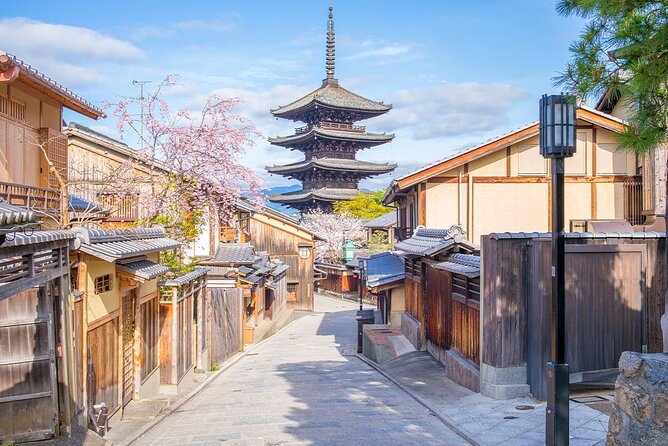
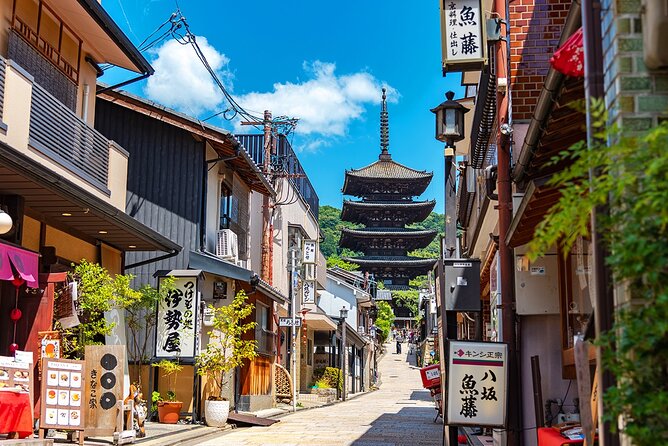
This is the heart of the itinerary, with 3 hours at Kiyomizu-dera. It is listed as a UNESCO World Heritage Site and it has over 1,200 years of history, which helps explain why this area feels so layered. The tour also leans into the street experience around it, including stops through Ninenzaka and Sannenzaka.
Here is what makes this stretch valuable for you. Kiyomizu-dera is not only about the temple structures. It is about the approach, the nearby lanes, and the old Kyoto walking rhythm. The tour setup gives you enough time to do more than the temple headline, including the classic “Kyoto street” feeling.
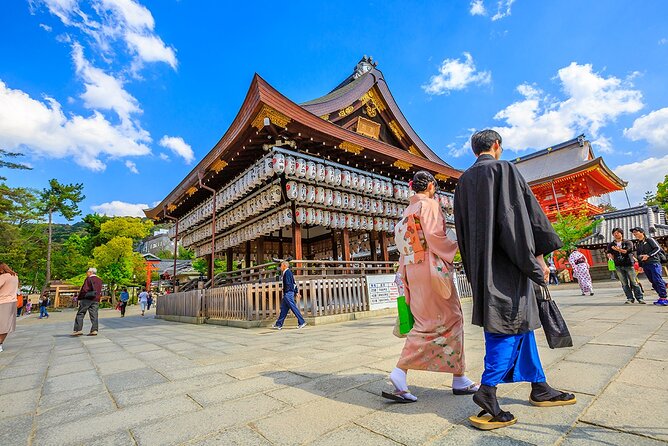
You may also see an option to wear a kimono in the area. The tour description points out that you can don one and stroll the streets at your own pace. That matters because it changes how you experience the neighborhood. Instead of just passing through, you feel more “in” the setting.
Why 3 hours is the right amount: it lets you balance temple time with street time. If you go straight from one into the other without breathing room, Kyoto can feel like a checklist. With this schedule you can actually pause, snack, browse, and take photos without rushing every step.
The one drawback to keep in mind: Kiyomizu-dera entry is not included and is listed as $4 per person, and lunch is also not included. If you are the type who needs a proper sit-down meal, you will want to plan that on the fly during your Kiyomizu-dera window.
Fushimi Inari-taisha’s torii gates: short walk, big atmosphere
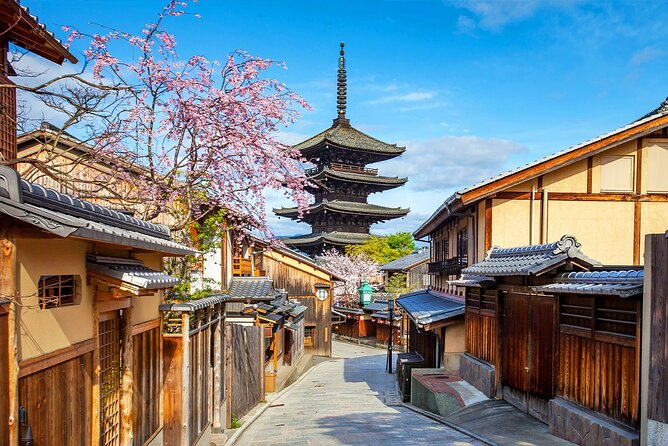
In the afternoon you shift to Fushimi Inari-taisha Shrine, known for its thousands of red torii gates. The tour gives you about 1 hour 10 minutes, and the good news is the entry for this stop is free.
This is a different kind of Kyoto experience than Kinkaku-ji. You are walking through repeating gates that create a moving tunnel of color. Even if you do not walk every uphill section, the act of moving forward under the torii is the payoff.
With only a little over an hour, you will want to decide your walking goal before you start. If your priority is photos and the main gate corridors, you can stay closer to the base. If you want higher-up views, you will trade off some time for extra climbing. Either way, the tour timebox keeps you from getting stranded in “just one more turn” territory.
Also, think about timing. An afternoon tour stop can mean lighter crowds than the morning rush, but it is not guaranteed. What you can control is your pacing. Walk steady, take breaks when you need them, and keep an eye on where your group is heading.
If you love spiritual atmosphere and photo-worthy architecture, Fushimi Inari is where that energy clicks into place.
Guide quality is the real value, especially on a full day
On a day like this, the guide is not just commentary. They help you stay oriented, keep the group on track, and make the stops feel connected instead of separate.
The standout detail from past experiences is the guide experience, including names like YIYI and Frederick. YIYI is described as super helpful with great communication, and Frederick is praised for being fun, caring, and good at looking after everyone and making the day feel special.
You should also expect clear meeting instructions. The guide holds a yellow flag with the Gogoday logo at the meeting point, and you join by telling them the name you used when booking. I like this kind of setup because it reduces the “where do I stand” stress, especially in busy areas where meeting points can get chaotic fast.
One tip that will make your day smoother: arrive early. The tour notes ask for being there about 15 minutes before the meeting time. That buffer matters because the group has to check in and start moving on schedule.
If you get a guide who communicates well, this tour feels easy. If your guide has a calm, organized style, you spend less time worrying and more time actually seeing Kyoto.
More temples, thirty minutes up the line
- Osaka/Kyoto: Hiroshima Miyajima Bus Tour & Shinkansen Ticket
★ 4.7 · 919 reviews - From Kyoto/Osaka: Kyoto Top Highlights 1-Day Guided Bus Tour
★ 4.5 · 714 reviews - Ancient Capital Tour: Kyoto and Nara Highlights from Kyoto/Osaka
★ 4.5 · 332 reviews
Price and ticket math: what you really pay
The price is listed as $53.85 per person, and the core value is not just the sights. You are buying transportation in an air-conditioned vehicle plus a multilingual tour guide. That is a big deal in Kyoto, where hopping between major neighborhoods can chew up time.
Here is what you should budget on top of the base price:
- Kinkaku-ji ticket: about $4 per person, not included
- Kiyomizu-dera ticket: about $4 per person, not included
- Fushimi Inari: free
- Lunch: not included
So you are likely looking at around $61.85 total for the two ticketed temples, plus whatever you spend for lunch and snacks. That is still fair for a full-day route that includes AC transport and guided time at three top sites.
Why I think this is good value: the day is structured to minimize wasted travel. You are not spending your morning sorting buses, arguing with timing, or trying to match train schedules while also trying to enjoy the scenery.
One caution: since lunch is not included, you should eat thoughtfully. If you wait too long, you can end up hungry while you are near a crowd-heavy area. Aim to plan a meal during your Kiyomizu-dera window, when you have the most time to sit, browse, and regroup.
Comfort, crowd flow, and how to pace yourself
This tour limits the group to up to 40 travelers. That is not private, but it also avoids the feeling of being lost in a huge herd. On a Kyoto day, the difference between 20 people and 40 people can be noticeable, mostly in how quickly you move and how often you need to stop for everyone to catch up.
Because Kinkaku-ji is only 40 minutes, you should expect a more structured feel there. Kiyomizu-dera is freer with 3 hours, so you get more flexibility to set your own rhythm. Fushimi Inari is a middle ground at 1 hour 10 minutes, enough time to experience torii gates without turning it into a hike marathon.
Weather and crowds can also change how the day feels. Kyoto can be sweaty, cool, rainy, or bright in the same trip week. Since your transport is air-conditioned and the schedule is set, you at least have shelter and a plan between the outdoor walks.
The other pacing thing to watch: by the time you finish the last stop, you may be tired. The tour guidance suggests not having other activities planned at the very end. I agree. Give yourself breathing room after drop-off, so you are not scrambling for dinner or transit while still running on tour energy.
Who this tour fits best
This works best if you want a “greatest hits” Kyoto day and you do not want to spend your precious travel time mapping transit. I think it is a strong choice for:
- First-timers who want Kinkaku-ji, Kiyomizu-dera, and Fushimi Inari in one go
- People who appreciate clear routing and guided context
- Anyone who likes photo stops but also wants time to actually walk the street areas
It might not be your best match if you prefer long, quiet temple visits, or if you hate the idea of paying separate tickets for two stops and handling your own lunch. The schedule is designed for efficiency, not for taking your time at every single point.
If you travel with limited mobility or sensory needs, you would want to think carefully. The data here does not spell out accessibility support, so you might want to check directly with the operator if that matters to you.
Should you book this Kyoto full-day Kinkaku-ji, Kiyomizu-dera, Fushimi Inari tour?
Book it if you want a practical, guided day that knocks out the big Kyoto icons with AC comfort, a multilingual guide, and enough time to enjoy the Kiyomizu-dera street atmosphere. The combination of Kinkaku-ji’s quick wow-factor, Kiyomizu-dera’s longer explore window, and Fushimi Inari’s free torii walk makes the day feel worth the money.
Skip or consider alternatives if you want slower, deeper temple time or lunch and admission costs fully included. In this tour, you handle those pieces yourself, and the first stop is intentionally short.
If your top priorities are seeing the highlights and staying on schedule, this one is a solid pick, especially with the kind of guide support highlighted by past names like YIYI and Frederick.
FAQ
What is the duration of the Kyoto full day tour?
The tour runs for about 9 hours 30 minutes, with drop-off around 18:10pm after an earlier morning meeting.
Where do I meet the guide?
You meet at a selected meeting point: Osaka at 8:40am or Kyoto at 9:50am.
Are temple tickets included?
Kinkaku-ji and Kiyomizu-dera entry tickets are not included and are listed as $4.00 per person each. Fushimi Inari-taisha entry is free.
Is lunch included?
No. Lunch is not included in the tour.
What is included in the price?
The tour includes transportation in an air-conditioned vehicle and a multilingual tour guide. A mobile ticket is also part of the experience.
How large is the group?
The maximum group size is 40 travelers.
Just added around Osaka


Day Trips to Kyoto from Osaka, compared.
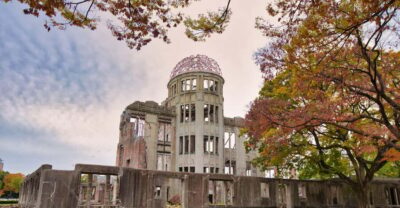
Osaka/Kyoto: Hiroshima Miyajima Bus Tour & Shinkansen Ticket
Read our review →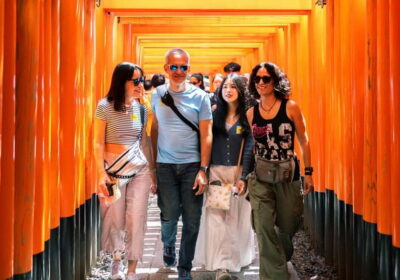
From Kyoto/Osaka: Kyoto Top Highlights 1-Day Guided Bus Tour
Read our review →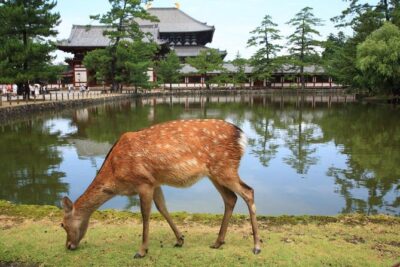
Ancient Capital Tour: Kyoto and Nara Highlights from Kyoto/Osaka
Read our review →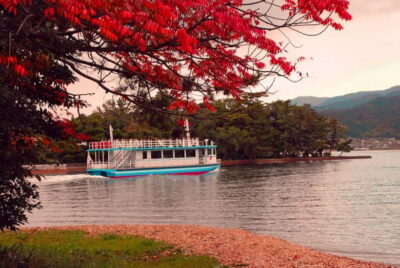
Osaka/Kyoto: Amanohashidate & Miyama Tour with Boat & Lunch
Read our review →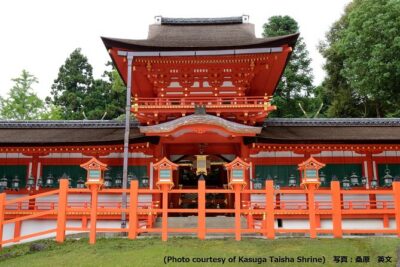

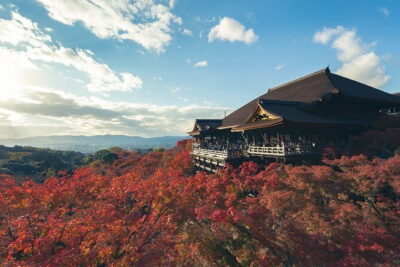
Full Day Tour of Kyoto with Private Transportation
Read our review →
Kyoto & Nara Private customized tour with English speaking Guide
Read our review →This tour also fits