Reviewed · FOOD
Osaka Food & Culture 6hr Private Tour with Licensed Guide
Osaka food is easier with a guide. This private 6-hour walk in Osaka focuses on the city’s famous yaki street snacks, plus the neighborhoods where they live. You also get to pick which 3 to 4 stops you want most, based on your food likes.
What I like most is the flexibility. Instead of a fixed checklist, your guide helps shape the route around your preferences, then you spend real time in the spots that fit your cravings. I also appreciate the human factor, since Maya is the kind of licensed guide who is engaging and makes sure you cover the plan you agreed on, with a few smart add-ons if time allows.
One consideration: this is a walking tour with a tight, snack-focused route, and lunch plus transportation are not included. If you need lots of seated time or expect meals to be part of the price, you will want to plan ahead.
In This Review
- Key highlights I’d plan around
- What you really get in a 6-hour Osaka food culture tour
- Dotonbori neon to Hozenji Yokocho, the Osaka street-food mood
- Shinsekai and Kuromon Market, snack culture with real foot traffic
- Ikuno Korea Town, kimchi and Korean mochi on the same food map
- Sennichimae Doguyasuji and Shinsaibashi-suji, cooking culture in shopping form
- How the customization works, and how to use it well
- Price and what you should budget for food
- Who this Osaka tour suits best
- Should you book this Osaka Food and Culture private tour?
- FAQ
- How long is the Osaka Food and Culture private tour?
- Is there pickup for this tour?
- Can I choose which places to visit?
- Are entrance fees and lunch included?
- Is this a private tour or a shared group tour?
- What happens if the weather is bad?
Key highlights I’d plan around
- Licensed English guidance so you can ask what things actually are, not just point at signs
- Choose 3 to 4 stops from the food and street-market list, so the tour matches your taste
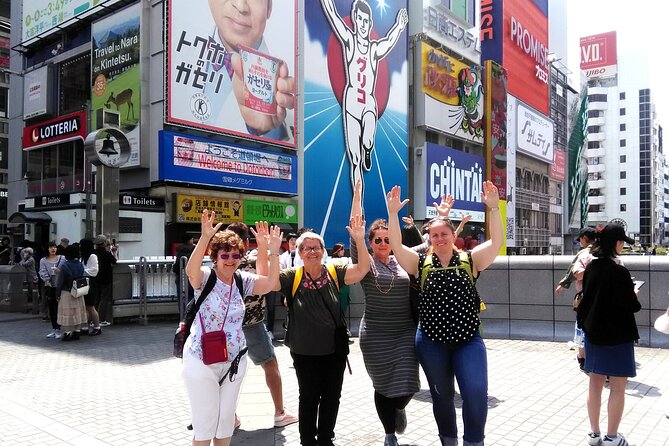
- Dotonbori atmosphere with billboards, stalls, and the big Osaka-night vibe
- Kuromon Market access in a dense 600-meter area with many small shops
- Ikuno Korea Town food shopping including kimchi and Korean mochi options
- Shopping streets that connect to cooking culture like Doguyasuji and Shinsaibashi-suji
What you really get in a 6-hour Osaka food culture tour
This is not a food tour where you get a stamped map and a “good luck” ending. It’s a private, licensed English-guided walk designed for people who want Osaka food culture explained in context, while still moving through the city at a good pace.
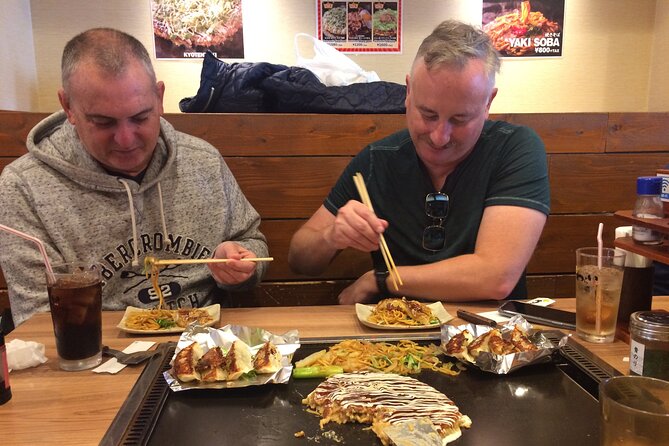
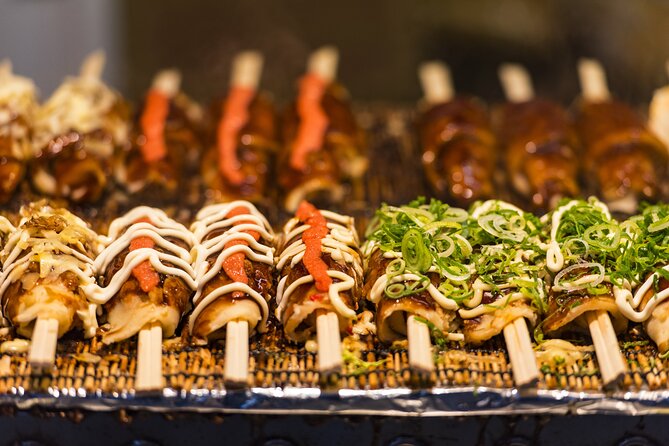
You’ll spend about 6 hours exploring selected parts of Osaka, centered on street foods you’ll hear nonstop in Japan: takoyaki, okonomiyaki, and related dishes. Your guide also puts food names into plain language, like what makes Kushi Katsu a thing in Osaka and why local takoyaki has a reputation.
The value here is mostly in the guide time and the fact that you can customize. At $144.06 per person, you’re paying for a government-licensed, English-speaking local who can steer you to the right corners, interpret what you’re seeing, and keep the walk efficient. Most of the stops are free to enter, so your money is going toward people and food decisions rather than ticket costs.
One more practical note: this is a walking format. Pickup is offered, but the tour itself meets you on foot within a designated area of Osaka. Plan for shoes that can handle pavement and standing in line.
Other ways to spend a day in Osaka
- Osaka: Shinsekai Food Tour with 13-15 Dishes at 5 Eateries★ 4.8 · 2,204 reviews
- Osaka Food Tour: 13 Dishes at 5 Local Eateries★ 5.0 · 2,149 reviews
- Hungry Osaka Street Food Tour:15 Tastings & 3 Drinks with a Local★ 5.0 · 1,727 reviews
- Osaka Local Foodie Walking Tour in Dotonbori and Shinsekai★ 5.0 · 985 reviews
- Hungry Osaka Street Food Tour: 15 Dishes & 3 Drinks★ 4.9 · 694 reviews
Dotonbori neon to Hozenji Yokocho, the Osaka street-food mood
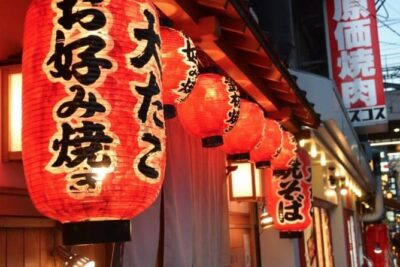
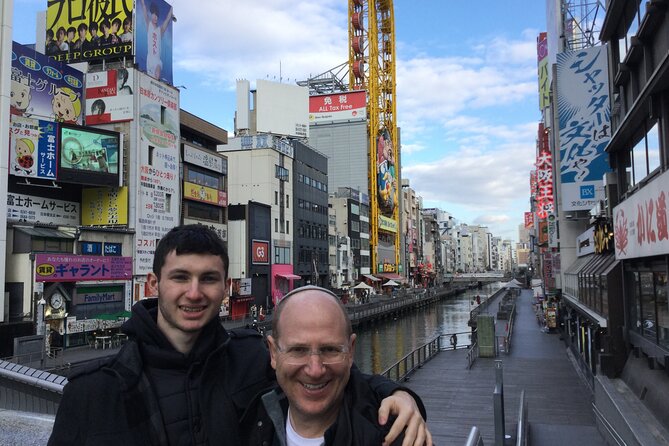
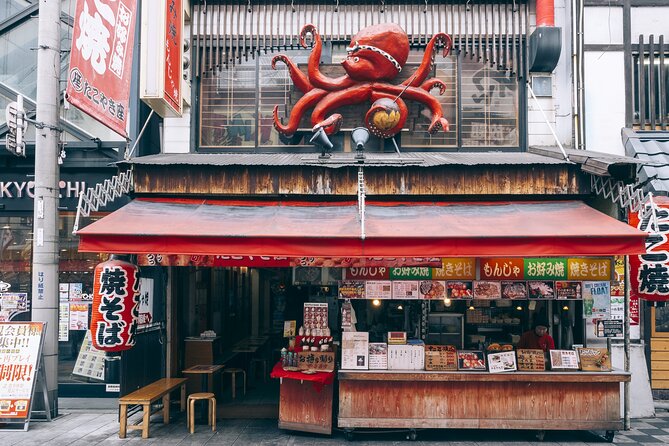
Dotonbori is the part of Osaka that feels like a movie set, but it’s real life. Huge billboards, crowded restaurant fronts, and that mix of fryer oil, sweet sauces, and late-night energy. This is where takoyaki and okonomiyaki aren’t just menu items, they’re the soundtrack.
In Dotonbori, you’re not only looking. You’re learning what to watch for when you’re deciding what to order. A licensed guide can help you understand how these dishes are put together and how sauces and toppings change the flavor. That matters because “same dish” can taste different from stall to stall in Osaka.
Then you shift into a quieter, older-feeling stretch with Hozenji Yokocho. This narrow, stone-paved lane next to Dotonbori feels like the Osaka of years ago, lined with small food shops and cafes. It’s a nice contrast, and it helps you pace the tour. You get the big neon first, then the calmer alley vibes where you can slow down and pay attention.
Practical tip for you: if you’re picky about sweet versus savory, tell your guide early. Your chosen stops are meant to match your preferences, and it’s easier to steer the evening once you’ve explained what you want to taste more of.
Shinsekai and Kuromon Market, snack culture with real foot traffic
Shinsekai is a different Osaka mood. It was developed before the war, then it was neglected for decades, and today it carries a nostalgia-heavy feel. At the center is Tsutenkaku Tower, a landmark that helps you orient yourself fast. Even if you just spend a short moment here, Shinsekai gives you a sense of how Osaka’s street culture has changed over time.
What I like about including Shinsekai in a food-and-culture plan is that it sets up the next stop. You’re moving from big street lights into an area where people come for snacks and everyday energy, not just tourist photos.
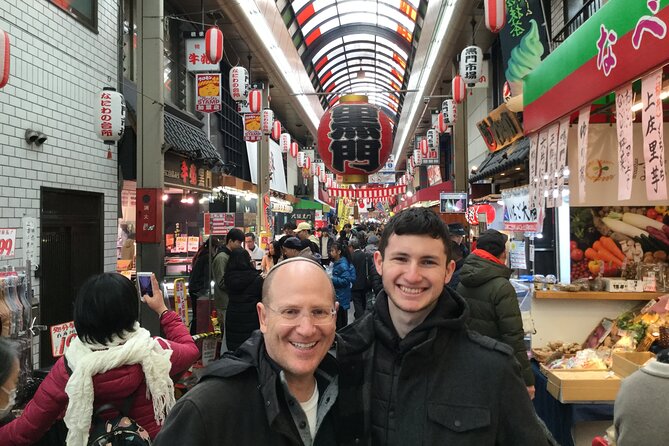
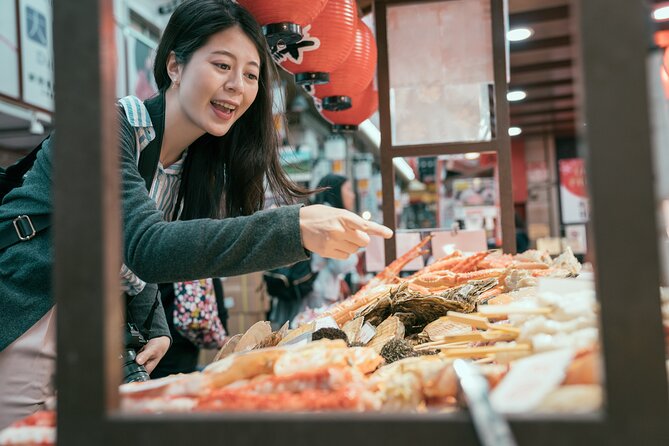
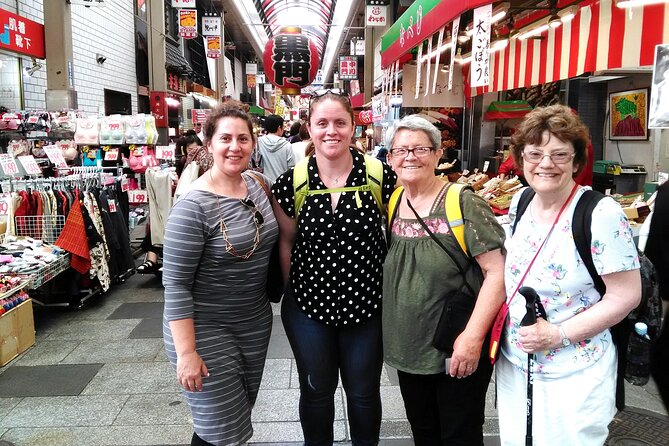
From there, Kuromon Market is where your appetite gets loud again. It’s a covered public market that stretches around 600 meters parallel to Sakaisujidori Street, and it has about 150 shops. That scale matters because you can compare options, spot different cooking styles, and watch what locals gravitate toward.
A market stop like this is valuable even if you do not buy everything. You learn the flow: how stalls present food, what smells tend to signal what you’ll taste, and how menus differ by shop. Your guide can help you decide what fits your time budget, too, since this tour is only about 6 hours total.
Possible drawback to plan for: markets can be crowded. If you’re sensitive to tight spaces or long lines, choose earlier timing in your day when you can, or ask your guide for the easiest-to-navigate sections once you arrive.
Ikuno Korea Town, kimchi and Korean mochi on the same food map
Not every “Osaka food tour” includes Ikuno Korea Town, and that’s exactly why it can be a win. This area sells Korean food items, including fermented vegetables like kimchi, radish, and cucumbers, as well as Korean mochi items such as ddokboki and related snack cakes, plus seaweed options.
Even if Korean food is not your first love, this stop adds variety. You’re still in the same Osaka food universe, but you’re broadening beyond the classic Osaka yaki focus. It also gives you a chance to buy ingredients or packaged snacks to take back later, which is handy if you want more than just something you eat on the spot.
This is also a smart stop for friends or couples who have different food priorities. One person can focus on Osaka classics, and the other can zero in on Korean comfort foods, while your guide keeps the walking route efficient so you’re not splitting up.
Practical tip for you: if you want to shop, set expectations with your guide. The tour includes time at this area, but not unlimited shopping time, so you’ll get more value if you know what you’re looking for before you get inside.
Sennichimae Doguyasuji and Shinsaibashi-suji, cooking culture in shopping form
You also get two shopping streets that make sense for a food-focused tour, not just retail browsing.
Sennichimae Doguyasuji Shopping Street is a short, focused strip, about 150 meters long, lined with specialty stores for kitchen utensils and cooking items. It’s the kind of place where you can see how people prepare food at home, not just what they buy to eat outside. If you’ve ever wondered how Osaka households stock their kitchens, this is the answer in brick-and-street form.
There’s also a seasonal detail worth knowing. The Doguyasuji Festival on October 9, called Tool Day, is when tools are on sale. If you happen to visit in early October, your timing could line up with a more eventful atmosphere.
Then Shinsaibashi-suji Shopping Street brings you back to bigger mainstream energy. It’s a giant arcade of about 600 meters, with cosmetics, apparel, and restaurants, so it’s easy to find your next snack or rest your feet for a moment. Even if you only spend a short time here, it helps connect the food route to everyday Osaka shopping life.
Why these stops matter: you end with an Osaka you can navigate after the tour. Knowing where the cooking tools shops sit and how Shinsaibashi-suji flows gives you a second map in your head, which helps your next meal go smoother.
Not ready to leave Osaka yet? A few more ways to fill the day.
- Osaka Go Karting Tour with Funny Costume
★ 5.0 · 2,658 reviews - Osaka Castle: Museum and Tower Entry Ticket
★ 4.5 · 2,380 reviews - Osaka: Tea Ceremony Experience
★ 4.9 · 1,426 reviews
How the customization works, and how to use it well
The tour is designed so you choose 3 to 4 spots from the list before the day. That’s a big deal because Osaka has a lot going on, and time evaporates fast once you’re walking.
Here’s how to use customization for maximum value:
- Tell your guide your must-eat list first (for many people, that’s takoyaki and okonomiyaki).
- Then add one wildcard preference. Maybe you want more savory, more seafood, or you want a spicy or Korean-food detour.
- If you care about snacks versus full sit-down meals, say that too. Lunch is not included, so your guide can help you plan where you’ll stop.
This is also where the guide’s personality matters. Maya is specifically praised for thoroughly covering what you agreed on, and for adding a couple of choices along the way once you’re already moving. That kind of flexibility is useful because Osaka is never exactly the same twice, and small adjustments can make your day feel less like a schedule and more like a plan that adapts.
Price and what you should budget for food
The headline price is $144.06 per person for about 6 hours with a licensed English-speaking guide. For a private tour, that can be fair value because you’re paying for:
- a guide who can explain what you’re eating and seeing,
- a route that focuses on multiple neighborhoods,
- and the ability to tailor the mix of food streets and markets.
What’s not included is key to budgeting. You’ll handle transportation fees, lunch, and other personal spending yourself. Also, while many areas have free entry, you might still face food costs during the stops, since tasting is the whole point of street-food culture.
My budgeting rule of thumb for you: if you want to eat multiple items at markets and around Dotonbori, plan for extra spending on top of the tour price. If you instead treat it like sampling and take a larger meal later, you can keep costs more controlled.
Who this Osaka tour suits best
This fits you best if you:
- want a guide to translate Osaka food culture into something you can actually use when ordering,
- like street food, markets, and shopping streets that connect to food life,
- and prefer a private route that you can shape around cravings.
It’s also a strong pick for first-timers, because it gives you several “food Osaka” zones in one half-day walk. You get the neon street-food feel (Dotonbori), the nostalgia vibe (Shinsekai), the market intensity (Kuromon), a Korean detour (Ikuno Korea Town), and then the cooking-shopping angle (Doguyasuji), with Shinsaibashi-suji rounding it out.
If you’re the type who hates walking, or you need long seated breaks every hour, you might find the pace a bit much. In that case, you may prefer a more meal-centric tour style that includes longer stops.
Should you book this Osaka Food and Culture private tour?
Yes, I think you should book it if you want a guided, food-focused half-day that you can customize and that hits the classic Osaka areas for street snacks and market energy. The strongest reason to choose it is the combination of a licensed English guide plus the freedom to select the 3 to 4 stops that match your appetite.
You might skip it if your main goal is a fully planned meal package with lunch included, or if you need a very low-walking experience. Since the tour is built around walking and your own food spending, you’ll get the most enjoyment if you come ready to snack, wander, and ask questions.
FAQ
How long is the Osaka Food and Culture private tour?
It lasts about 6 hours.
Is there pickup for this tour?
Pickup is offered, and the tour is a walking format where you meet the guide on foot within a designated area in Osaka.
Can I choose which places to visit?
Yes. After booking, you pick 3 to 4 spots from the tour list and tell your guide your food preferences.
Are entrance fees and lunch included?
No. Entrance fees, lunch, transportation fees, and other personal expenses are not included.
Is this a private tour or a shared group tour?
It is a private tour. Only your group participates, and you cannot combine multiple tour groups.
What happens if the weather is bad?
The experience requires good weather. If it is canceled due to poor weather, you will be offered a different date or a full refund.
Just added around Osaka

Food, compared.
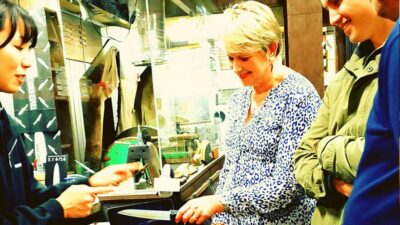
Shinsekai Food Tour with 13-15 Dishes at 5 Eateries
Read our review →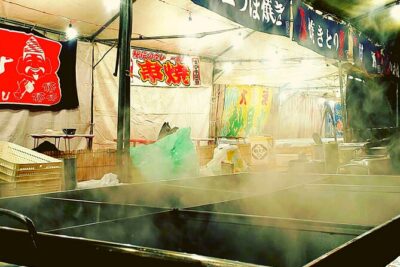
Osaka Food Tour: 13 Dishes at 5 Local Eateries
Read our review →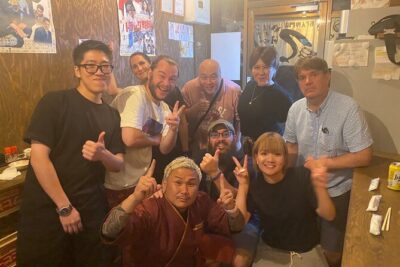
Hungry Osaka Street Food Tour:15 Tastings & 3 Drinks with a Local
Read our review →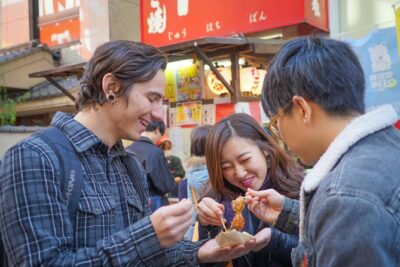
Osaka Local Foodie Walking Tour in Dotonbori and Shinsekai
Read our review →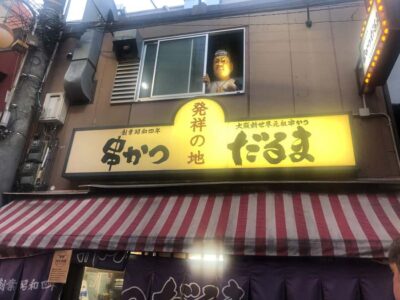
Hungry Osaka Street Food Tour: 15 Dishes & 3 Drinks
Read our review →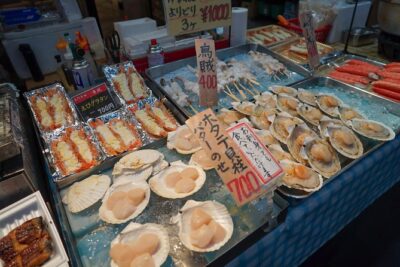
Kuromon Market Food Walking Tour in Osaka (6 stops, 6 tastes)
Read our review →
Guided Food Tour with 12 Dishes at 4 Local Eateries
Read our review →