
Reviewed · DAY TRIPS TO KYOTO FROM OSAKA
Osaka / Kyoto: Kinkaku-ji, Kiyomizu-dera Temple, Sannenzaka & Uji
Kyoto in one day can feel overwhelming, unless someone maps it out. This tour strings together UNESCO temples and old-town streets, then shifts gears to Uji, where tea culture is the real souvenir. I like how the route keeps your stops logical, not random, and I love that you get a guide who explains what you’re looking at as you go.
One thing to consider: temple time is short at each major site, so you’ll want comfortable shoes and a calm pace if you want photos and a good look. And since lunch is not included, you’ll need to plan your own meal break.
In This Review
- Key Highlights You Should Know Before You Go
- A One-Day Route From Osaka or Kyoto to Kiyomizu-dera and Uji
- Price and Value: What You Pay, What You Still Need to Budget
- Kiyomizu-dera: UNESCO Sights and the Otowa Waterfall Area
- Kinkaku-ji Golden Pavilion: How to Enjoy the 40-Minute Zen Moment
- Sannenzaka and Ninenzaka: Old Streets That Actually Feel Like Old Kyoto
- Byodo-in Temple (Uji): The Phoenix Hall and the UNESCO Factor
- Murasaki Shikibu Statue, Uji Park, and the Slower Side of Riverside Uji
- Byodo-in Omotesando: Tea Shops, Street Energy, and Useful Souvenirs
- Comfort, Pacing, and the Guide Factor (Especially If You Get Amanda)
- Who This Tour Suits Best, and Who Might Prefer Something Else
- Should You Book This Osaka and Kyoto Temples and Uji Tour?
- FAQ
- How long is the tour?
- What does the price include?
- Which tickets cost extra?
- Is lunch included?
- What is the group size limit?
- What is the cancellation policy for a full refund?
Key Highlights You Should Know Before You Go
- A smooth day plan connecting Kiyomizu-dera, Kinkaku-ji, and Uji without wasting time figuring transit
- UNESCO stops at a good pace, with set time windows that help you see more in less stress
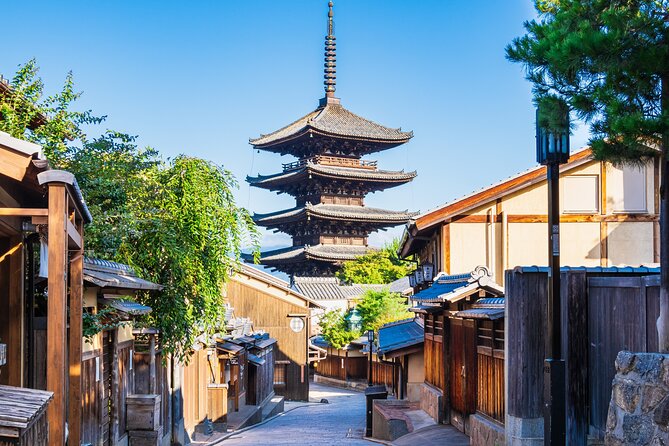
- Sannenzaka and Ninenzaka for Kyoto street atmosphere with preserved old-style buildings
- Uji’s tea-country vibe, including Byodo-in Omotesando shops and a slower riverside stop
- Rabbit-themed Uji Shrine details, with lanterns and ema featuring the local bunny theme
- Guided clarity, with one highlighted guide name, Amanda, praised for understandable explanations
A One-Day Route From Osaka or Kyoto to Kiyomizu-dera and Uji
The best thing about this kind of day tour is the control. You’re not winging it between neighborhoods, and you’re not stuck deciding in the moment which temple to prioritize. The plan is built around Kyoto’s iconic highlights, then extends into Uji for tea culture and a quieter change of scenery.
You can depart from Osaka or Kyoto, and you’ll ride in an air-conditioned vehicle with a guide. That matters more than it sounds. In Japan, the time drain from trains, bus transfers, and walking between distant points can eat your day. Here, you keep moving as a group, so you spend your energy on the sights, not on logistics.
The tour runs about 10 hours, which is enough time to see the big names, plus a handful of supporting spots that round out the experience. You’ll also notice that several stops are free, so the day has a mix of ticketed and non-ticketed moments.
Quiet spaces between the neon
- Osaka: Minoh, Katsuoji Temple, & Minoh Falls Full-day Tour★ 4.9 · 172 reviews
- Sagano Romantic Train & Arashiyama, Kiyomizudera, Fushimi Inari Taisha Day Tour★ 4.5 · 171 reviews
- Full Day Kyoto Tour : Bamboo Forest, Golden Temple, Fushimi Inari★ 5.0 · 84 reviews
- Osaka Temple Cool Foot Bath & Matcha Experience〈45min〉★ 4.9 · 82 reviews
- Osaka: Mind & Spirit Balance Temple Reiki Healing★ 5.0 · 41 reviews
Price and Value: What You Pay, What You Still Need to Budget
The price is $58.90 per person, and what you’re really buying is time saved plus guided interpretation. You get an air-conditioned vehicle and a guide included, and the itinerary covers eight stops. Compared with doing each place solo, this often feels like better value when you factor in transit effort and the fact that the guide helps you understand what matters at each site.
Tickets are the main extra cost. For the big three, you’ll need the 1600 yen admission ticket covering Kinkaku-ji, Kiyomizu-dera, and Byodo-in Temple. Lunch is also not included, so you should plan a meal on your own during the day.
Also worth knowing: the tour uses mobile tickets, so you’re not juggling paper confirmations. Group size is capped at 48 travelers, which usually keeps the day from turning into total chaos at the stops. Still, it’s a group. If you prefer ultra-quiet viewing, treat temple time as a chance to get oriented and soak it in briefly rather than a slow, lingering museum visit.
Kiyomizu-dera: UNESCO Sights and the Otowa Waterfall Area
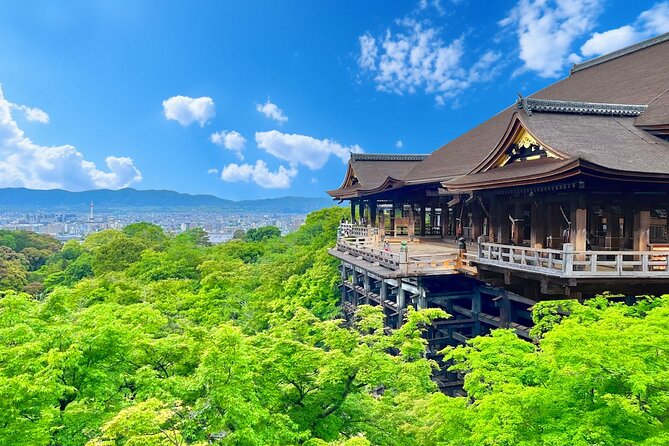
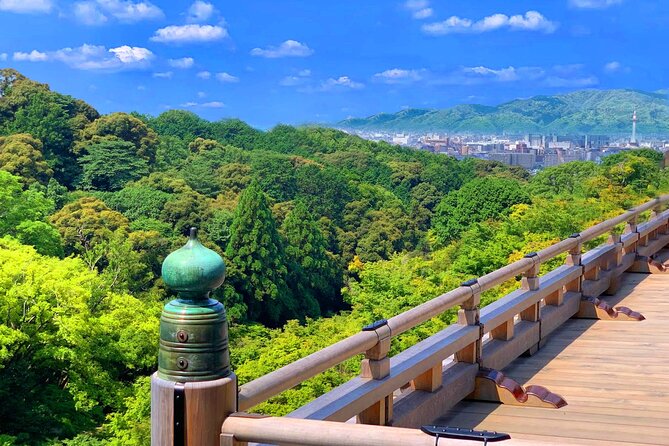
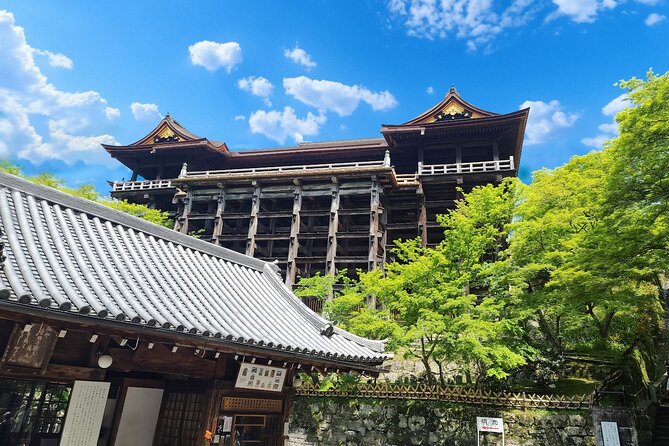
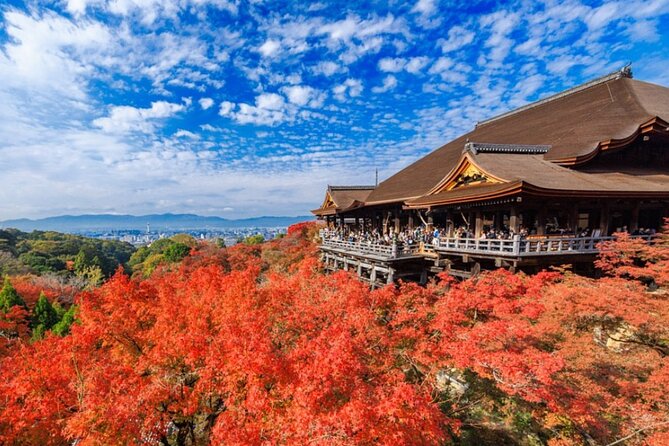
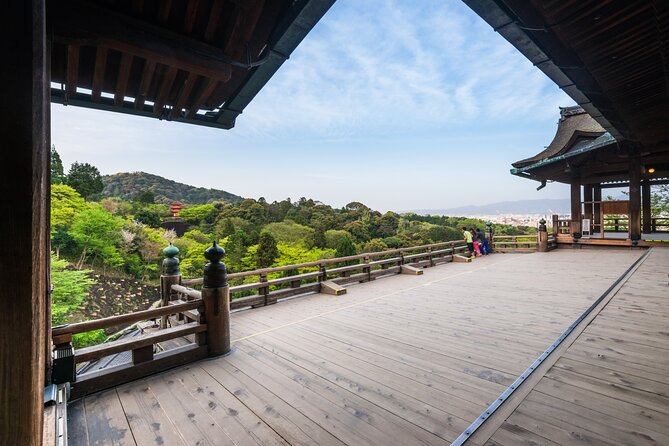
Kiyomizu-dera is one of those Kyoto temples people talk about for a reason. It’s part of the UNESCO Historic Monuments of Ancient Kyoto, and the tour schedules about 1 hour here. That time is ideal for two things: getting your bearings and understanding why this temple is famous.
The temple’s founding is tied to the year 780, and the site is associated with the Otowa Waterfall area. Even if you only catch a portion of the landscape and approach, the key is to learn how the complex relates to the views and the worship space. With a guide, you can connect the big visual landmarks to the stories and religious purpose that give the place meaning.
A practical note: Kiyomizu-dera is a place where you can easily rush. The schedule gives you time, but it’s still a short window compared with self-paced visits. If your priority is photography from the main viewpoint area, aim to arrive ready to move quickly and take a few deliberate shots instead of spending the whole hour chasing every side angle.
What I like about this stop: it’s a high-impact UNESCO landmark early enough that you start the day feeling you hit the main storyline.
Kinkaku-ji Golden Pavilion: How to Enjoy the 40-Minute Zen Moment
Then comes Kinkaku-ji, the Golden Pavilion. It’s a Zen Buddhist temple and another UNESCO World Heritage site, best known for the striking golden exterior and the calm gardens around it. You get about 40 minutes here, which is a fairly brisk slot but workable if you focus on the best viewpoints first.
This is one of the stops where the guide can really help. The pavilion is visually obvious, but the experience is also about what surrounds it, the way the gardens frame the temple, and the overall mood of stillness. A good explanation helps you shift from mindless photo-taking to noticing how the scene is composed.
The main consideration is time. Forty minutes can feel tight if you get delayed or if you spend a long time just waiting to find the perfect angle. My advice is to treat Kinkaku-ji like a sprint with style: pick two or three places you want to stand, then go. You’ll enjoy it more than if you try to cover everything.
My favorite part of the Kinkaku-ji stop: the chance to see how the gold pavilion and garden design work together, even within a short visit.
Sannenzaka and Ninenzaka: Old Streets That Actually Feel Like Old Kyoto
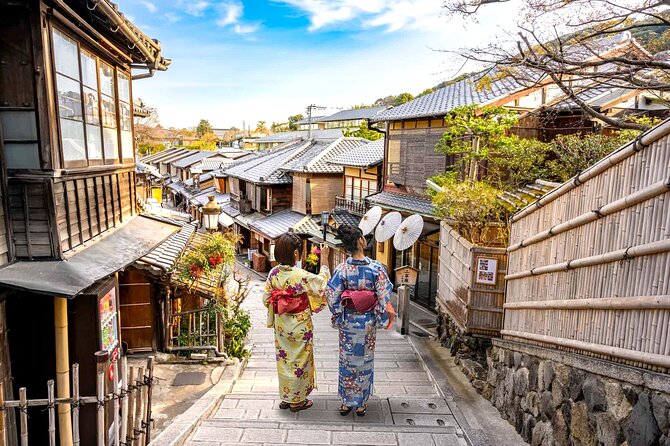
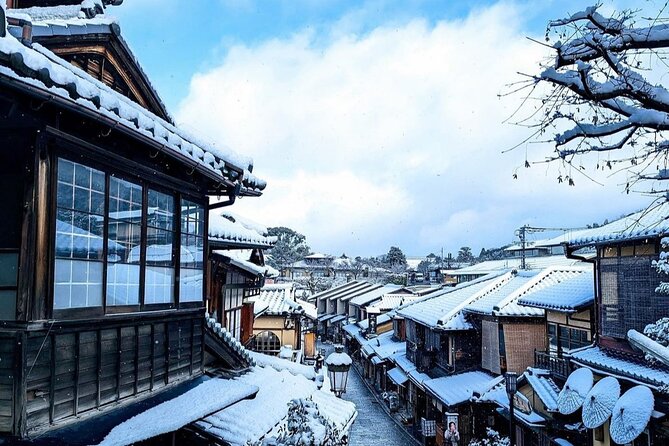
From temples to streets. Sannenzaka and Ninenzaka have long been famous for their sloping lanes lined with historic Japanese-style buildings. The tour gives about 1 hour for this area, and that’s exactly the right amount of time to walk, pause, and soak up the atmosphere.
This is the part of Kyoto where you’ll feel the city’s everyday texture. You’re not only looking at monuments. You’re seeing the kind of street that once shaped daily life, now preserved as a walking experience. The buildings, the slope, and the narrow streets combine to create a sense of stepping into a different tempo.
A small practical tip: wear shoes you don’t mind getting a little tired in. The slope is part of the character here, and it adds up when you’re also doing multiple stops in one day. If you want souvenirs, this is a smart place to browse, because it’s less rushed than a pure temple queue moment and more about wandering.
Why this stop is valuable: it gives you atmosphere, not just landmarks.
More temples, thirty minutes up the line
- Osaka/Kyoto: Hiroshima Miyajima Bus Tour & Shinkansen Ticket
★ 4.7 · 919 reviews - From Kyoto/Osaka: Kyoto Top Highlights 1-Day Guided Bus Tour
★ 4.5 · 714 reviews - Ancient Capital Tour: Kyoto and Nara Highlights from Kyoto/Osaka
★ 4.5 · 332 reviews
Byodo-in Temple (Uji): The Phoenix Hall and the UNESCO Factor
Then you head to Uji and Byodo-in Temple, with about 30 minutes on the itinerary. This is one of Japan’s best-preserved national treasures and a UNESCO World Heritage Site, with the Phoenix Hall as the signature structure.
The Phoenix Hall is the icon you’ll remember. The wing-like corridors create a distinctive silhouette, and the whole setup is designed to be viewed as a whole, not as scattered details. With only half an hour, you’ll want to arrive with a clear goal, like seeing the hall’s exterior and taking in the layout around it.
Because Byodo-in is ticketed within the 1600 yen admission total, it’s also part of the day’s budgeting reality. The ticket cost makes sense because Byodo-in is one of those places where the architecture is the show, and there’s no substitute for seeing it in person.
Possible drawback: 30 minutes is not long if you want to read every explanation board or revisit the pavilion from multiple angles. But if your goal is to tick the major sight and move on, this is a good fit.
Murasaki Shikibu Statue, Uji Park, and the Slower Side of Riverside Uji
Not every stop is about a massive building. Some are about connection, context, and rhythm.
First up is the Murasaki Shikibu Statue, honoring the author of The Tale of Genji from the Heian period (9th to 12th centuries). You’ll spend about 20 minutes here. This is a quick cultural stop, but it helps you connect Japanese literature to the places you’re seeing. It’s a reminder that Kyoto and Uji aren’t only religious landmarks, they’re also cultural memory.
Next is Uji Park, about 30 minutes. It’s an island park surrounded by the Uji River, with three bridges connecting it to the riverbanks. Even without extra bells and whistles, this works as a decompress moment. After a concentrated run of temples and streets, a riverside pause is a good reset for your feet and your brain.
Then you’ll visit Uji Shrine for about 20 minutes. Here, the theme is rabbits. You’ll see the white, red-eyed bunny imagery on lanterns and ema (votive tablets). It’s a fun tonal change from the more solemn temple spaces, and it gives you something specific to notice rather than just another shrine yard.
Why I think this grouping works: it balances architecture with theme, then adds open space and a playful local detail.
Byodo-in Omotesando: Tea Shops, Street Energy, and Useful Souvenirs
Finally, you’ll have about 30 minutes at Byodo-in Omotesando. Uji is known for green tea production, and this street is lined with shops selling tea and tea-related goods. This is where your day can turn practical.
If you like food gifts, you’ll find it easier to buy something meaningful here than at a random store in a big city. The street is naturally tied to the place, so the tea items feel connected to the route you just followed.
Because this stop is time-limited, the best way to enjoy it is to decide what you’re looking for before you start walking in circles. Tea for yourself? Tea for family? Small snack items? Pick a lane and browse efficiently.
What you’ll leave with: more than photos, often you’ll leave with something you can actually taste later and remember.
Comfort, Pacing, and the Guide Factor (Especially If You Get Amanda)
The tour includes an air-conditioned vehicle, and that’s a big deal for a 10-hour day. Even if you love walking, you still need breaks. Group transportation also keeps the day from getting scattered, so each stop happens at the intended time window.
The guide is built into the value of the experience. You’re not only moving from temple to temple, you’re getting context that makes the scenes easier to read. One guide name that’s specifically praised for clarity is Amanda, with feedback highlighting how understandable and relaxed the explanations felt, plus a wish the day were longer.
That’s the real point of a good guide in Kyoto: without help, you can still enjoy the sights, but you might miss why they matter. With help, you get a better emotional read on the buildings, the streets, and the cultural references.
One last timing reality check: temple stops are short on purpose. The trade is more places in a day, less slow wandering. If you’re okay with that structure, this tour fits well.
Who This Tour Suits Best, and Who Might Prefer Something Else
This tour is a strong match if you want a curated, high-coverage day that hits Kiyomizu-dera, Kinkaku-ji, the classic walking streets of Sannenzaka and Ninenzaka, and then adds Uji’s cultural and tea stops.
It’s especially good for:
- First-timers who want the big Kyoto names without map stress
- Travelers who enjoy guided explanation and a steady itinerary
- People who want Kyoto plus a change of pace in Uji, all in one go
You might want to look for a different option if:
- You love long, quiet temple time and want to linger for hours
- You hate any crowds at all during major UNESCO stops
- You need lunch included, with no planning required
Should You Book This Osaka and Kyoto Temples and Uji Tour?
I’d book it if your goal is a smart, guided day that balances major UNESCO highlights with Kyoto street atmosphere and an Uji tea stop. The 1600 yen ticket budget for the three key temples is straightforward, and the rest of the itinerary mixes in free stops that add variety without piling on extra entry fees.
I’d also book it if you appreciate explanations that make the sights easier to understand. The strongest signal from the provided feedback is that the guide clarity really improves the experience, with Amanda specifically called out.
But if you want a slower, deeper temple day and you’re the type who likes to sit quietly and absorb, you may feel the time limits at Kinkaku-ji and Byodo-in Temple. In that case, consider a more flexible option.
If you can handle a brisk itinerary and bring a little patience for famous sites, this is a solid way to see the Kyoto-and-Uji highlights in a single, well-organized day.
FAQ
How long is the tour?
The tour lasts about 10 hours.
What does the price include?
The price includes an air-conditioned vehicle and a guide.
Which tickets cost extra?
You’ll need tickets for Kinkaku-ji, Kiyomizu-dera, and Byodo-in Temple, which are listed as 1600 yen. Admission for other stops is listed as free.
Is lunch included?
No, lunch is not included.
What is the group size limit?
This tour has a maximum of 48 travelers.
What is the cancellation policy for a full refund?
You can cancel for a full refund up to 24 hours in advance of the experience start time. If you cancel less than 24 hours before, the amount paid is not refunded.
Just added around Osaka


Day Trips to Kyoto from Osaka, compared.
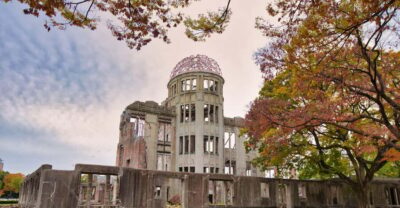
Osaka/Kyoto: Hiroshima Miyajima Bus Tour & Shinkansen Ticket
Read our review →
From Kyoto/Osaka: Kyoto Top Highlights 1-Day Guided Bus Tour
Read our review →
Ancient Capital Tour: Kyoto and Nara Highlights from Kyoto/Osaka
Read our review →
Osaka/Kyoto: Amanohashidate & Miyama Tour with Boat & Lunch
Read our review →

Full Day Tour of Kyoto with Private Transportation
Read our review →
Kyoto & Nara Private customized tour with English speaking Guide
Read our review →This tour also fits