Reviewed · PRIVATE
Osaka: Private Experience of Traditional Japanese Pottery
A ceramics lesson in Osaka can be oddly calming. Here, you get a private, step-by-step workshop tied to Japanese food, plus a real local studio visit away from the usual crowds.
Two things I genuinely like: you work with Shigaraki-area clay and traditional glazes to make something you can actually use at home, and you get a culture-and-technique chat led by an instructor with training in both Osaka and Barcelona. One consideration is that if you want the workshop piece shipped, expect an estimated two-month wait, and shipping costs are not included.
In This Review
- Key highlights to know before you go
- Teradachō Station to a Showa-era Studio, without the tourist maze
- Pick your ceramic set: sake, sushi, or matcha bowl
- Working with Shigaraki clay and traditional glazes, the real craft lesson
- A private lesson in Spanish, Catalan, or English, with Anna’s clear patience
- Japanese cuisine meets ceramics, why the food theme helps you remember it
- Your included gift, plus what happens if you ship your final piece
- Price and value: why $96 for 2 hours can be a good deal
- Practical tips so your workshop goes smoothly
- Who should book this Osaka pottery experience
- Should you book it?
- FAQ
- Where is the meeting point?
- How long does the experience last?
- Is this experience private?
- What can I make during the workshop?
- What clay and materials are used?
- What languages are available for the class?
- What is included in the price?
- Can I ship the piece I make?
- What gift do I get to take home?
- Is there any restriction on alcohol or drugs?
Key highlights to know before you go
- Private instruction so you can ask questions and move at your pace
- Cuisine-themed ceramics: sake set, sushi set, or a matcha tea bowl
- Shigaraki clay with typical Japanese glazing colors and styles
- Ceramist training in Osaka and Barcelona, teaching in your chosen language
- A take-home gift included: a small sushi plate and a sakura-flower chopstick holder
- Studio visit in a century-old house, giving you a Showa-era Osaka feel
Teradachō Station to a Showa-era Studio, without the tourist maze
Your experience starts at JR Teradachō station, North Exit. Look for the team holding a sign that says CERAMICS TOCOTON. From there, you head to the studio, and that first transfer matters more than you’d think. You are moving out of the main tourist lanes and into a street where local food shops line the way.
The studio itself is a century-old, two-story house. That setting changes the mood from classroom to craft space. You get to see how Osaka people live and work in the middle of everyday neighborhoods, not in a themed showroom.
Before hands-on clay time, expect a smooth lead-in from your ceramist. You’ll also have coffee or tea, which sounds small, but it helps when you are trying to focus on fine motor steps.
Other ways to spend a day in Osaka
- Private Osaka Walking Tour: Highlights & Hidden Gems★ 5.0 · 569 reviews
- 3/4/5 Hours Private Tour in Osaka with Local Guide★ 5.0 · 189 reviews
- Osaka’s Best and Brightest: Private Full-Day Tour by Vehicle★ 5.0 · 147 reviews
- Kyoto & Nara Private customized tour with English speaking Guide★ 4.5 · 99 reviews
- Osaka: Private Custom Walking Tour with a Local Guide★ 4.6 · 97 reviews
Pick your ceramic set: sake, sushi, or matcha bowl
You do not just make a random souvenir. The workshop is designed around Japanese cuisine themes, so your choices feel personal and practical.
You can choose one:
- Sake set: a small bottle plus a glass
- Sushi set: a sushi plate plus a chopstick holder
- Matcha tea bowl
This is one of the smarter parts of the experience. When the form is tied to something you understand, the technical steps make more sense. A chopstick holder, for example, trains you to think about shape and function, not only decoration.
Because the clay and glaze style are meant to be typical of Japan, you’re also building a piece that looks consistent with what you’d find in traditional craft settings. That makes your souvenir feel more intentional, and less like it could have been made anywhere.
Working with Shigaraki clay and traditional glazes, the real craft lesson
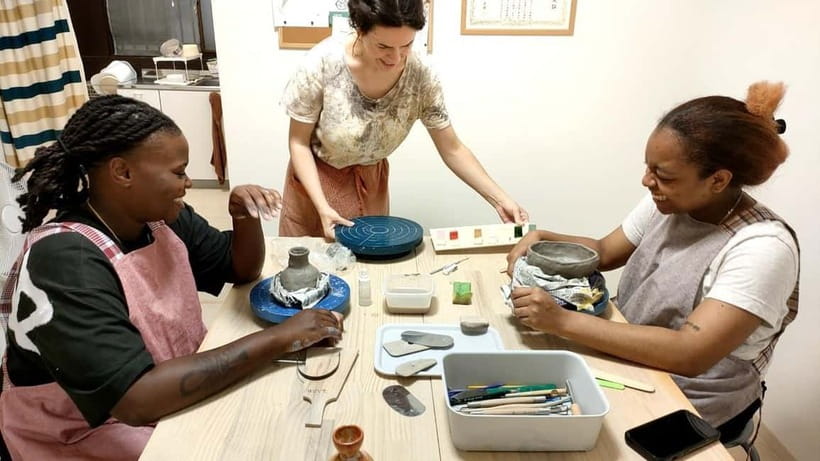
The clay comes from Shigaraki, one of Japan’s traditional ceramic-producing areas. That detail is the backbone of the workshop. It gives your piece a regional identity, not just a generic “made in Japan” stamp.
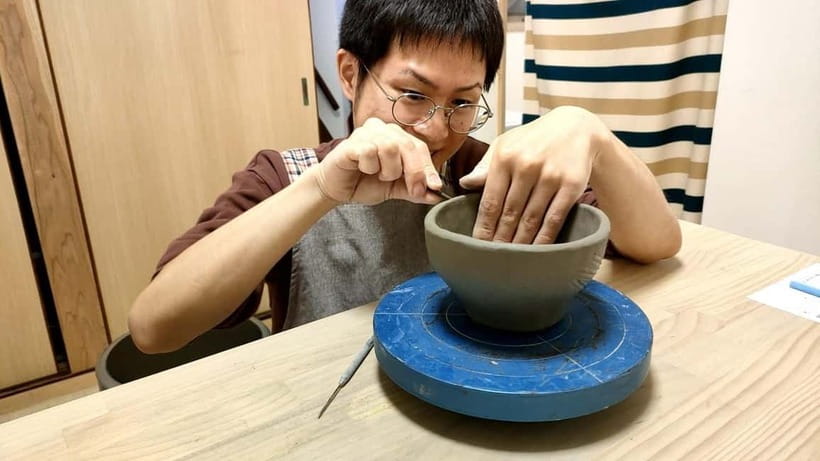
As you work, you get step-by-step guidance on the techniques needed to shape and decorate your ceramic item. You’ll also receive technical explanations about ceramics, not just a casual demo. You learn what to watch for as the clay moves from raw to formed, and how glaze choices affect the final look.
The colors used for decoration are described as typical Japanese. That matters because glazes are not random. They respond to firing, thickness, and application style. Even in a short 2-hour session, you get the main ideas behind why ceramic surfaces end up the way they do.
If you care about authenticity, this is the difference between buying a finished product and understanding what makes Japanese pottery Japanese. Your brain leaves the workshop with a framework, so later, when you see pottery in shops, you can recognize what you learned.
A private lesson in Spanish, Catalan, or English, with Anna’s clear patience
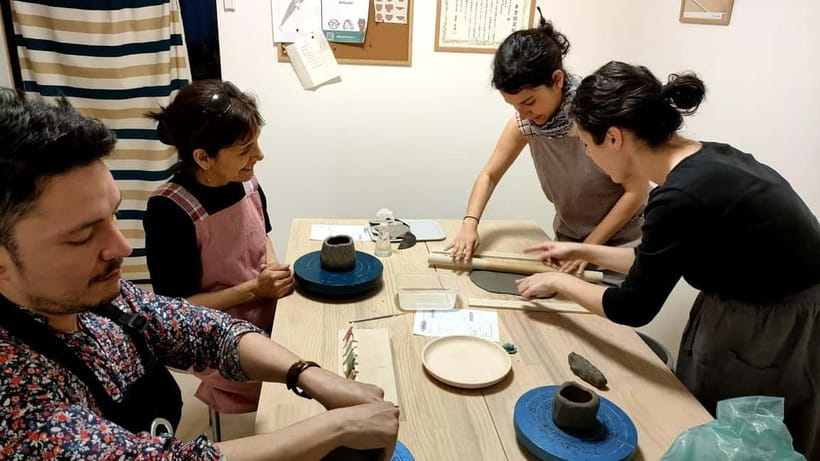
This is a private group, which means you’re not squeezed into a crowd with one instructor and five minutes of attention. You get time to ask questions, and you can slow down when a step feels tricky.
Your instruction can be in Spanish, Catalan, or English. That language detail is a big practical advantage. If you’ve tried ceramics workshops abroad before, you know that instructions often end up mostly hands and body language. Here, the teaching is available in the languages listed, so you can understand the why, not just the how.
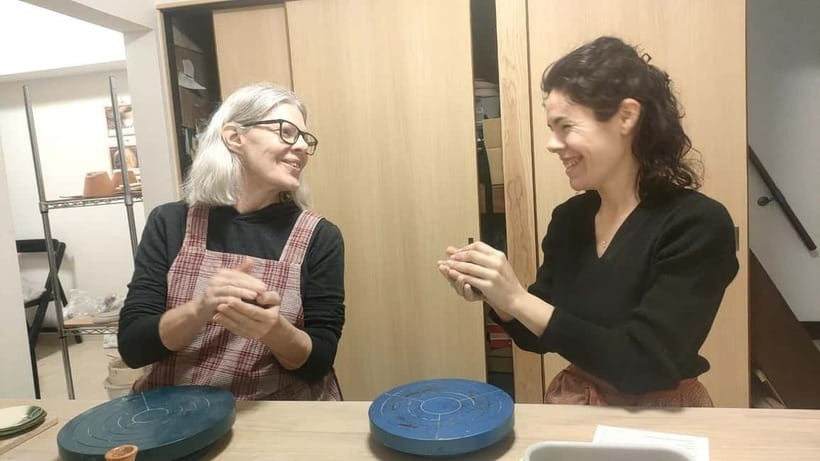
The positive reviews also spotlight the instructor’s teaching style and patience, including an instructor named Anna. The feedback you can take seriously is simple: the explanations are clear, and the pace is thoughtful. That is exactly what you want for a craft where small technique differences matter.
You can expect the instructor to connect the art to culture too. Instead of leaving you alone with a lump of clay, the session includes guided context about Japanese ceramics and everyday life.
Japanese cuisine meets ceramics, why the food theme helps you remember it
The coolest part of this workshop is that it ties making ceramics to what Japan feels like daily. You’re not only learning craft steps, you’re learning how Japanese cuisine and ceramic objects belong to the same lifestyle.
Your chosen piece connects to use cases:
- A sake set points you toward how drinks are served in small, deliberate forms
- A sushi set focuses on serving, portioning, and pairings that fit a meal’s rhythm
- A matcha tea bowl connects directly to a drink culture that values simple objects done correctly
During the workshop, you also get cultural explanations about Japan. It’s not presented as a history lecture. It’s more like practical cultural context that makes the craft feel less foreign.
And because you’re working in a neighborhood studio next to local food shops, the experience naturally links to what’s around you. Even if you do not eat in the studio, you leave with food in your thoughts, which makes the souvenir more meaningful.
Not ready to leave Osaka yet? A few more ways to fill the day.
- Osaka Go Karting Tour with Funny Costume
★ 5.0 · 2,658 reviews - Osaka Castle: Museum and Tower Entry Ticket
★ 4.5 · 2,380 reviews - Osaka: Shinsekai Food Tour with 13-15 Dishes at 5 Eateries
★ 4.8 · 2,204 reviews
Your included gift, plus what happens if you ship your final piece
At the end, you do not leave empty-handed. You receive a small gift made of ceramics: a small sushi plate decorated with traditional glazes, plus a chopstick holder in the shape of a sakura flower, made by the ceramist.
That gift is smart value. It means you get a usable, nicely themed ceramic item even if you are not planning to ship the larger workshop piece right away.
If you want the piece you made during the lesson sent home, you can. Shipping is optional, and shipping costs are not included. The estimated shipping time is about two months.
So you have a clean decision path:
- Take home the immediate gift now
- Choose shipping if you want your exact workshop creation later
If you are the type who likes to travel light, shipping can be a huge relief. Just plan your expectations around the timing.
Price and value: why $96 for 2 hours can be a good deal
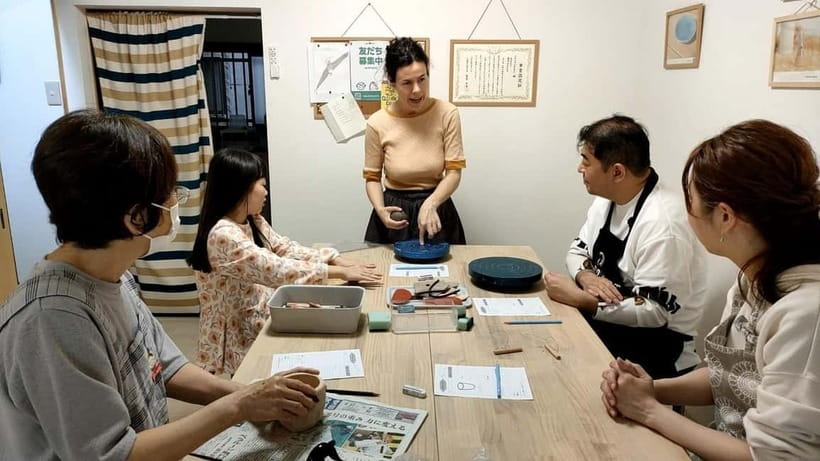
At $96 per person for a 2-hour private experience, the value comes from what’s included, not just the teaching.
You get:
- Pickup service at JR Teradachō station
- Materials to build your chosen piece
- Technical ceramics explanations
- Cultural explanations about Japan
- Coffee or tea
- A ceramics gift (sushi plate plus sakura chopstick holder)
Private lessons usually cost more because your time is individualized. Here, the price also bundles the materials and the studio’s expertise. If you compare this to a DIY-style class where you buy extra supplies or pay more for firing and finishing, this setup feels more “complete.”
The one cost to keep in mind is shipping for your finished piece, since shipping is not included. But even with shipping as an extra, you still receive the take-home ceramics gift the same day.
Practical tips so your workshop goes smoothly
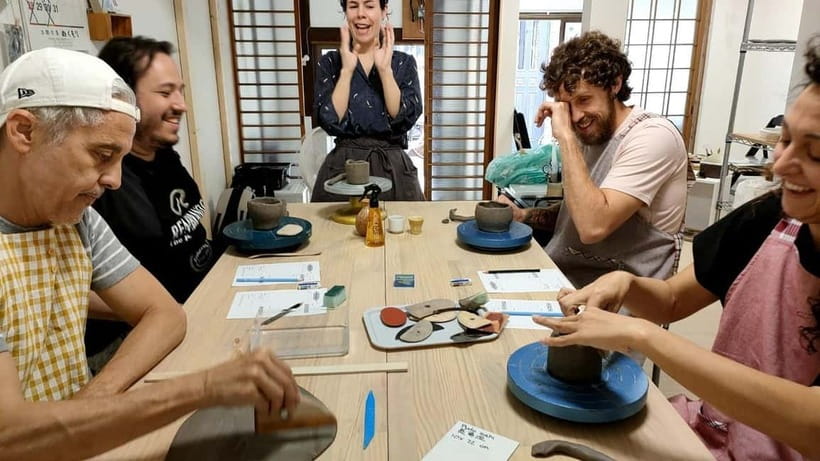
A few small things can make a big difference.
First, be on time. If you will be more than 15 minutes late, contact the team. Past that, it is treated as a no-show.
Second, note the rules: no alcohol and no drugs are allowed. That is typical, but it’s good to know up front.
Third, consider who it fits. It is not suitable for children under 5. For older kids, you might find it more manageable because the workshop includes careful handwork and attention.
Language is another practical point. Decide in advance whether you want Spanish, Catalan, or English. That way you can relax once you arrive and focus on the work.
Finally, if you are picky about souvenirs, aim to choose the set that matches what you’ll actually use at home: a matcha bowl if you drink matcha, or a sushi set if you like serving boards and entertaining.
Who should book this Osaka pottery experience
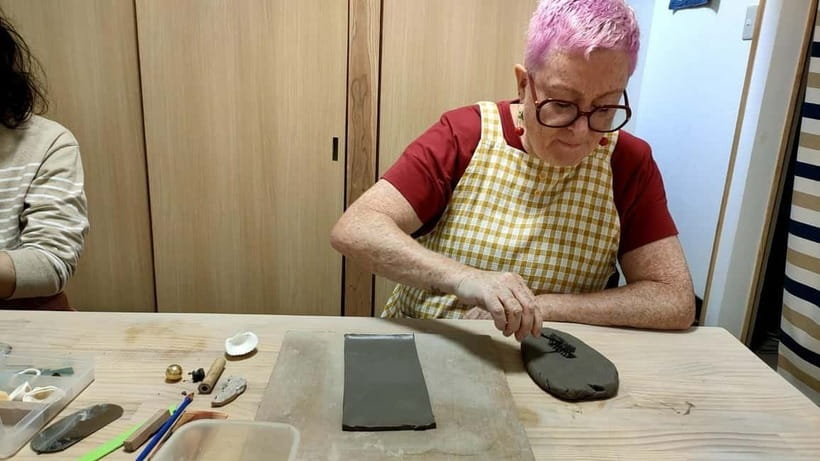
This workshop is a great match if you want:
- A hands-on souvenir with real craft instruction
- A setting that feels like everyday Osaka, not a tourist stop
- Private teaching in Spanish, Catalan, or English
- A link between Japanese ceramics and Japanese food culture
It is also ideal if you have done pottery before and want a deeper, more technical explanation. The inclusion of ceramics technique talk is the sign you will leave with more understanding than just a decorated object.
If you only want quick shopping and you dislike sitting down for careful work, you might prefer something else. This is about making, not browsing.
Should you book it?
Yes, I think you should book it if your goal is to bring home something that looks Japanese because it was made with Japanese materials and methods, while also getting the cultural context that makes it stick. The private format, the Shigaraki clay, and the fact that you take home a finished gift make the session feel like a real experience, not a rushed activity.
You might skip it if you cannot handle the idea of shipping timing and possible extra costs for mailing your made piece. Otherwise, it’s a strong choice for anyone who wants Osaka through craft, food, and a local studio setting.
FAQ
Where is the meeting point?
You meet at the North Exit of JR Teradachō station. You’ll recognize the team because they will be carrying a sign with the name CERAMICS TOCOTON.
How long does the experience last?
The workshop lasts 2 hours.
Is this experience private?
Yes. It is a private group experience.
What can I make during the workshop?
You can choose to make a sake set (small bottle and glass), a sushi set (sushi plate and chopstick holder), or a matcha tea bowl.
What clay and materials are used?
The clay comes from the Shigaraki area, and you decorate using typical Japanese glazes.
What languages are available for the class?
The workshop is taught in Spanish, Catalan, or English.
What is included in the price?
Included items are pickup service at JR Teradachō station, all materials needed to build your chosen piece, technical explanations about ceramics, cultural explanations about Japan, coffee or tea, and a ceramics gift.
Can I ship the piece I make?
Yes, you can request shipping of the pieces you made. Shipping costs are not included, and the estimated shipping time is about two months.
What gift do I get to take home?
You receive a small sushi plate decorated with traditional glazes, and a sakura-flower chopstick holder, made by the ceramist.
Is there any restriction on alcohol or drugs?
Yes. Alcohol and drugs are not allowed. Also, children under 5 years are not suitable for this experience.
Just added around Osaka


Private, compared.
Private Osaka Walking Tour: Highlights & Hidden Gems
Read our review →
3/4/5 Hours Private Tour in Osaka with Local Guide
Read our review →
Osaka’s Best and Brightest: Private Full-Day Tour by Vehicle
Read our review →
Full Day Tour of Kyoto with Private Transportation
Read our review →
Kyoto & Nara Private customized tour with English speaking Guide
Read our review →