
Reviewed · SHRINE & TEMPLE TOURS
Osaka Temple :Warm Bamboo Oil Massage – Deep Restore〈90min〉
Breathe out, then feel your shoulders loosen. This Osaka temple experience pairs a warm bamboo oil massage with a tea ceremony and Zen meditation in a setting built for quiet. I love how the tea ceremony with matcha turns culture into something calm and understandable, not just sightseeing.
You also get a full sequence that feels intentional: incense rituals, a short meditation with a bell, and then hands-on bodywork that targets tension. One consideration is that the Zen meditation may be shared with other guests unless you request a private experience.
In This Review
- Key Points at a Glance
- Inside the Temple Welcome, Yukata, Incense, and Tone Setting
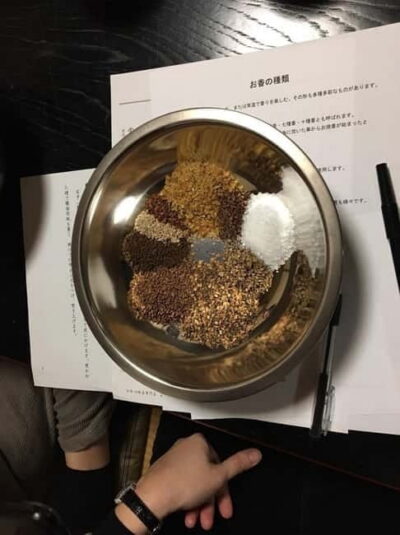
- Zen Meditation With a Bell, Kneaded Incense, and Real Quiet
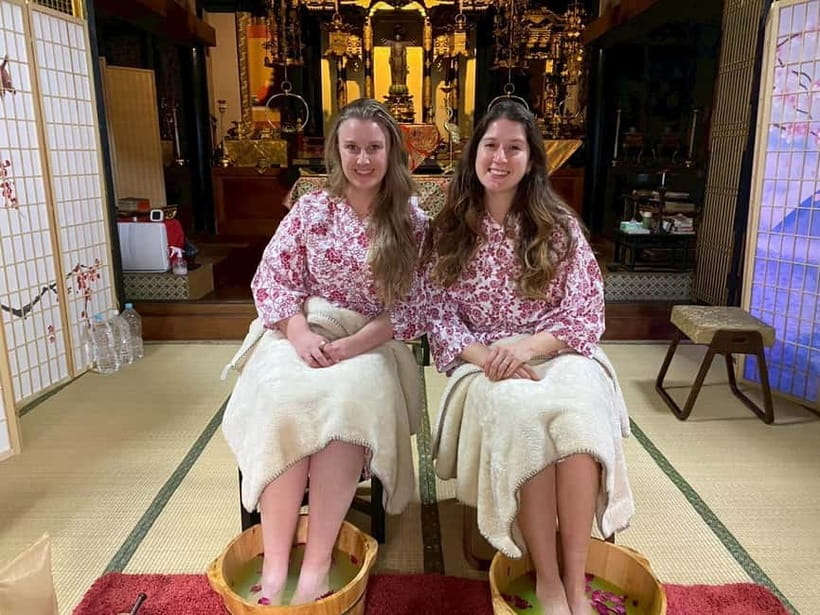
- Foot Bath, Scrub Massage, and the Start of the Reset
- Warm Bamboo Oil Massage, Myofascial Release, and Why It Feels Different
- Matcha, Japanese Sweets, and the Tea Ceremony That Actually Teaches
- Photo Keepsake, Small Group Energy, and Leaving Centered
- Price and Value, What $129 Really Buys in This 2 Hour Temple Session
- Who This Osaka Temple Massage Fits Best
- Tips to Get the Best Results From Your Warm Bamboo Session
- Should You Book This Osaka Temple Warm Bamboo Oil Massage?
- FAQ
- How long is the Osaka Temple Warm Bamboo Oil Massage experience?
- What is included besides the bamboo massage?
- Is the group private?
- What languages are available during the experience?
- Where should I search on Google Maps to find the meeting point?
- Do I get a yukata to wear and a photo afterwards?
Key Points at a Glance
- 90 minutes of warm bamboo oil massage with myofascial release for deep, soothing recovery
- Zen meditation in a temple setting with a bell and kneaded incense
- Tea ceremony plus matcha and sweets, with clear cultural context
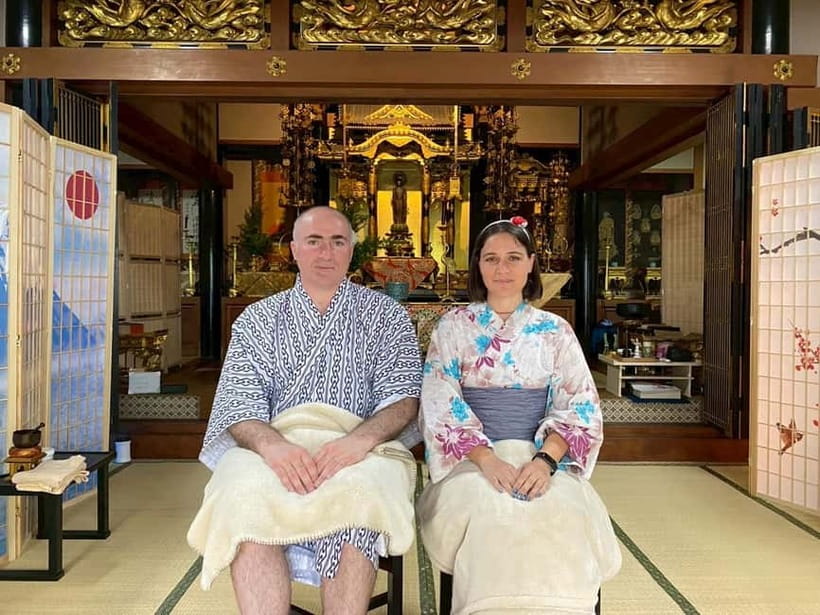
- Yukata welcome and temple photo on your smartphone, included
- Small group size (up to 3) for a more focused, quieter experience
Inside the Temple Welcome, Yukata, Incense, and Tone Setting
The first thing I like about this experience is how quickly it resets you. You start with a welcome drink, then change into a yukata. That single step matters. It signals you are not rushing through a site, you are stepping into a slower rhythm.
Next comes the temple visit with an incense offering. You are not left to guess what to do. There is an introduction to the temple’s history and Japanese worship culture as part of the visit, so the incense and prayer rituals make sense as you do them, rather than feeling like a photo op you are trying to get right.
If you are the type who gets fussy about timing or flow, this is a relief. The order is logical, you get guided through each part, and the whole session leans toward calm. The incense also helps you feel the temple space before the massage even begins.
Quiet spaces between the neon
- Osaka: Minoh, Katsuoji Temple, & Minoh Falls Full-day Tour★ 4.9 · 172 reviews
- Sagano Romantic Train & Arashiyama, Kiyomizudera, Fushimi Inari Taisha Day Tour★ 4.5 · 171 reviews
- Full Day Kyoto Tour : Bamboo Forest, Golden Temple, Fushimi Inari★ 5.0 · 84 reviews
- Osaka Temple Cool Foot Bath & Matcha Experience〈45min〉★ 4.9 · 82 reviews
- Osaka: Mind & Spirit Balance Temple Reiki Healing★ 5.0 · 41 reviews
Zen Meditation With a Bell, Kneaded Incense, and Real Quiet
Then you move into Zen meditation. You get it in a practical way, not a vague description. The session includes a bell and kneaded incense, and the guide helps set the tone so you can actually participate.
Here is the real value for you: meditation in a temple is one thing, but doing it as a guided routine is another. Even if you do not consider yourself a meditation person, the structure helps. You are not trying to invent focus from scratch. You are given cues, and that makes it much easier to settle.
One note to keep in mind: Zen meditation may be shared with other guests unless a private experience is requested. In a shared setting, you will still get your own space in the ritual, but the pacing may feel slightly more social than fully private.
Foot Bath, Scrub Massage, and the Start of the Reset
Before the bamboo oil massage, you get a foot bath and a scrub massage. This sequence is smart. Feet are a body “control panel” for many people, and warming and gentle scrubbing can soften the entire experience. It also helps you shift from travel mode, sitting, walking, and standing too much, into body mode, where movement feels less urgent.
The scrub massage is not described as extreme. Think of it as a transition, a warm-up that helps your body feel ready. Then the session moves into the main treatment with bamboo and oil, which is where the deep restoration theme really shows up.
If you have tight calves, tired ankles, or that heavy, post-walking feeling that creeps in after Osaka sightseeing, this is a good start. You feel it right away because your feet are involved early, not as an afterthought.
Warm Bamboo Oil Massage, Myofascial Release, and Why It Feels Different
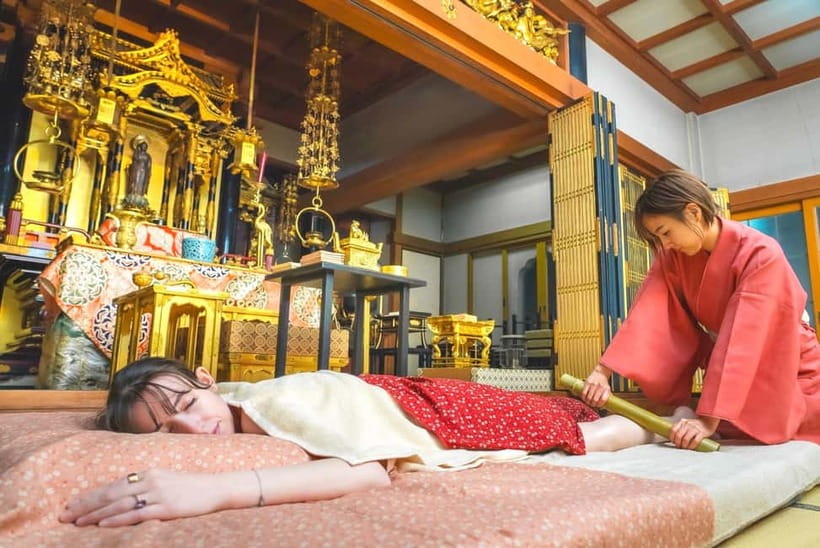
Now the centerpiece: warm bamboo and hand oil massage, delivered for 90 minutes. The focus is deep restore, using myofascial release with bamboo plus warm oil. That is a key detail. Bamboo is not just a gimmick here. The session is described as using warm bamboo to support deep release, and that changes how the pressure and contact feel compared with a typical lotion-only massage.
Warmth matters. When heat is part of the method, your muscles and fascia often respond more easily. So instead of feeling like someone is forcing you to relax, it can feel like your body gives in on its own schedule.
You should also know what you are getting in terms of hands-on care. This is not described as a quick “try it once” treatment. It is built as a full-body oil massage, with time allocated to release and restore, not just surface soothing.
In my opinion, this is also why the experience earns such strong reactions from repeat visitors. A good massage can be nice. A massage that includes myofascial release and stays warm and consistent tends to produce that post-session calm people remember the next day.
Matcha, Japanese Sweets, and the Tea Ceremony That Actually Teaches
After all that body work, the tea ceremony is where the experience finishes in a satisfying way. You get traditional Japanese tea, plus matcha experience and original Japanese sweets. The ceremony also comes with a cultural and historical explanation, so you understand what you are seeing, smelling, and tasting.
This is not just about drinking matcha. You are learning the context behind how tea ceremonies work and why they are treated as more than a beverage. When it is done well, you start noticing details: the pace, the presentation, and the way people use tea as a form of mindful pause.
And because you just came from a calm temple ritual and then a deep massage, the tea moment lands harder. It feels like the session stays in the same emotional lane: slower, quieter, and grounded. That pairing is the value, not any single component.
If you are worried that tea ceremonies are stiff or overly formal, this one is guided and explained. You are set up to follow along without feeling lost.
Other ways to spend a day in Osaka
- Osaka: Japanese Zen Massage and Facial at the Temple/180-min
★ 4.8 · 10 reviews - Zen Japanese Massage, Head Spa & Facial at the Temple <180-min>
★ 5.0 · 9 reviews - Osaka:Bamboo Healing Massage at the Temple <90-min>
★ 5.0 · 9 reviews
Photo Keepsake, Small Group Energy, and Leaving Centered
One of the easiest “extras” to appreciate is the photo. You wear a yukata, and you get a commemorative photo taken, with complimentary smartphone photos of your experience in the temple to take home as a keepsake. You do not have to book a separate photographer day. You get the moment captured while it is still happening.
Also, small group matters here. Limited to 3 participants, you are more likely to get a calm environment and less waiting. It also helps the guide manage pacing so you can actually relax. In sessions like this, overcrowding can ruin the mood. Here, the size is controlled.
If you like to end your travel day with something you can feel later, this is a strong pick. After deep restoration, the photo and tea ceremony act like a gentle landing, not a frantic sprint to your next reservation.
Price and Value, What $129 Really Buys in This 2 Hour Temple Session
At $129 per person for a roughly 2-hour overall experience, you are paying for more than massage time. The massage itself is 90 minutes, and on top of that you get a guided temple visit with incense offering, Zen meditation with bell and kneaded incense, a foot bath and scrub massage, plus the tea ceremony with matcha and sweets.
That combo is why the price feels more justified than a massage-only option. You are not paying only for hands-on bodywork. You are also paying for the structure and guidance that makes the temple rituals understandable, and the cultural part does not feel tacked on. It is integrated into the full flow.
The other value point is language support. Instruction is offered in English and Japanese, which lowers the risk of feeling lost during rituals. Even if you have visited temples before, guided context makes a real difference.
Who This Osaka Temple Massage Fits Best
This experience is a great fit if you want a day in Osaka that is not just checklists and photos. You want calm, plus learning that feels approachable. It is also ideal if you are traveling with stress from long walking days and you want your body to recover in a ritual framework.
I also think it works well for couples. The tone is intimate, the group is small, and the session design keeps you together through most of the flow. One of the strongest reasons people keep coming back is that the experience is not only relaxing, it is thoughtfully paced.
If you are extremely private and you do not want any shared meditation moments, you should consider asking for a private experience. That single detail can change how comfortable you feel in the Zen segment.
Tips to Get the Best Results From Your Warm Bamboo Session
Here are practical ways to make the session work better for you.
1) Go in with a mindset of receiving. Myofascial release and oil massage work best when you are not fighting it. If you tense up, the release can feel harder.
2) Treat the foot bath and scrub as part of the healing. It is tempting to rush ahead mentally, but warming your feet helps the whole body settle.
3) Keep hydrated after. Even though hydration guidance is not stated, standard aftercare for massage is to drink water and take it easy.
4) Plan your next hour carefully. You might want to avoid immediate intense activities right after. This session can leave you pleasantly slow.
Should You Book This Osaka Temple Warm Bamboo Oil Massage?
If you want a temple experience that feels both spiritual and practical, this is a strong choice. The best reason to book is the combination: 90 minutes of warm bamboo oil myofascial release, followed by a matcha tea ceremony with sweets and a guided Zen meditation. You get body recovery plus cultural calm, and the small group size helps the atmosphere stay gentle.
Book it if you are:
- In Osaka and you want more than a standard temple visit
- Interested in Japanese rituals but want explanations in English
- After a massage that aims deeper than surface relaxation
Skip or rethink it if:
- You need a fully private meditation from the start and cannot request that
- You strongly prefer very traditional sightseeing only, with no bodywork component
If you like flexibility, there are options to reserve now and pay later, and free cancellation is available up to 24 hours in advance. That means you can time it around how your travel day feels, which is exactly what you want for a session built to help you slow down.
FAQ
How long is the Osaka Temple Warm Bamboo Oil Massage experience?
The massage is 90 minutes, and the total experience duration is about 2 hours.
What is included besides the bamboo massage?
You get a welcome drink and changing into a yukata, a temple visit with incense offering plus an introduction to temple history and worship culture, Zen meditation with bell and kneaded incense, a foot bath and scrub massage, warm bamboo and hand oil massage, and a traditional tea ceremony with cultural and historical explanation, including matcha experience and Japanese sweets. Complimentary smartphone photos are included.
Is the group private?
The group is limited to 3 participants. Zen meditation may be shared with other guests unless a private experience is requested.
What languages are available during the experience?
Instruction is available in English and Japanese.
Where should I search on Google Maps to find the meeting point?
When setting the Google map location, enter Japanese Massage -the one&only-. If you use the temple’s name, you may end up at the back entrance and get lost. If needed, search for the restaurant Tossa de coracao, and the meeting location is right next to it.
Do I get a yukata to wear and a photo afterwards?
Yes. You will receive a simple yukata to wear, and there is a commemorative photo taken with included complimentary smartphone photos.
More Massage & Relaxation in Osaka
- Osaka Temple Head Spa &Matcha Facial – Refresh & Glow〈90min〉★ 5.0 · 24 reviews
- Osaka: Tennen Onsen Naniwa-no-Yu, the famous hot spring spa★ 4.7 · 19 reviews
- ZEN therapy | Shiatsu-style massage, EnergyTherapy & Japanese Tea★ 5.0 · 5 reviews
- Osaka Reiki Healing and Aroma Massage At The Temple<120min>★ 5.0 · 2 reviews
Just added around Osaka

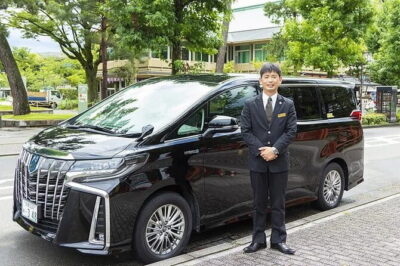
Shrine & Temple Tours, compared.
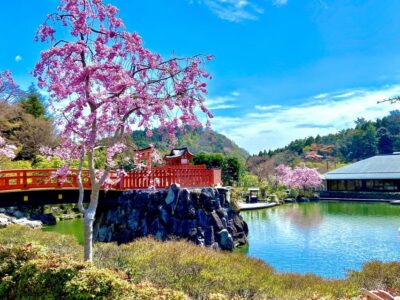
Minoh, Katsuoji Temple, & Minoh Falls Full-day Tour
Read our review →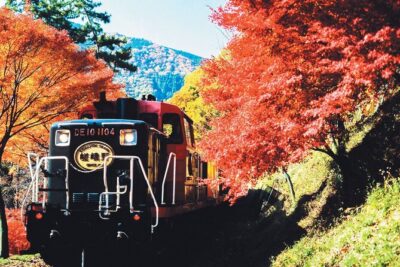
Sagano Romantic Train & Arashiyama, Kiyomizudera, Fushimi Inari Taisha Day Tour
Read our review →Full Day Kyoto Tour : Bamboo Forest, Golden Temple, Fushimi Inari
Read our review →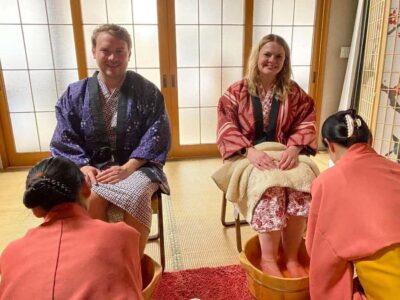
Osaka Temple Cool Foot Bath & Matcha Experience〈45min〉
Read our review →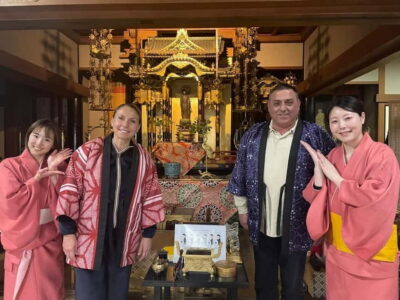
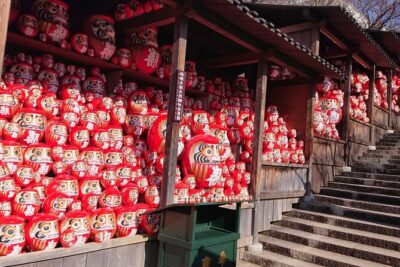
Katsuo-ji Temple, Arashiyama Forest, & Nara Park
Read our review →
Immersive Arashiyama & Fushimi Inari by Private Car
Read our review →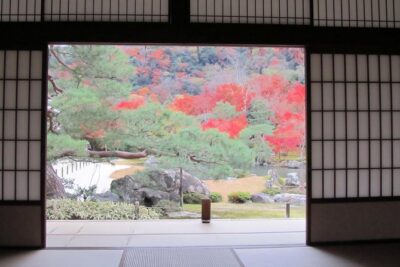
Kyoto Highlights: Arashiyama & Fushimi Inari by Private Car
Read our review →This tour also fits