
Reviewed · MASSAGE
ZEN therapy | Shiatsu-style massage, EnergyTherapy & Japanese Tea
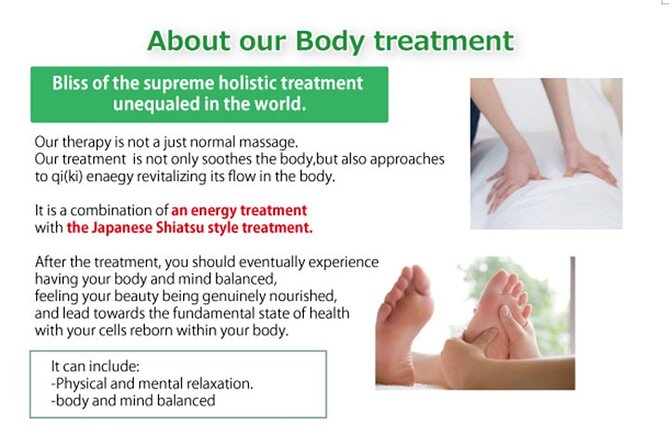
Zen therapy in Osaka is part massage, part mindfulness, part energy work. What makes it interesting is the combination of shiatsu-style bodywork with Qi (Ki) energy balancing, plus the Zen concept setup with a monk-style kimono. I really like the structure, especially the calm shift into the treatment room after changing into the samue robe. I also like the ending, where you get a matcha and tea sweets pause before your therapist’s written report. One possible drawback: if you are skeptical about energy healing, you may still enjoy the physical relaxation, but you might not buy the Qi explanation.
You’ll go to MAITRII in Shin-Osaka for a private session (only your group), usually with enough time to slow down and actually feel the treatment land. The therapy is offered in length options, from a shorter refresher up to a luxury 120 minute session, and the team says the experience is designed for fatigue recovery and deep relaxation, along with beauty and disease prevention ideas. If you want the most intensive version, pick the longer track, but if you’re worried about intensity or attention on your body, the premium or luxury options are specifically suggested for that concern.
In This Review
- Key highlights to know before you go
- ZEN therapy in Osaka: what you’re really booking
- Price and time: picking the right session length (and value)
- Where MAITRII is and how to plan your arrival
- The samue kimono and Zen mindset setup
- Shiatsu-style Qi balancing: hands-on work with an energy goal
- Hydrogen inhalation therapy and the MAITRII connection
- Crystals, artificial quartz, and what that means for you
- Matcha tea sweets: why the tea ritual matters
- The treatment report: using the session after you leave
- Who should book this ZEN therapy session
- Should you book ZEN therapy in Osaka?
- FAQ
- How long is the ZEN therapy session?
- What should I do when I arrive?
- Is this a private session or shared with other people?
- What’s included in the experience?
- Is Japanese tea included, and what will it be like?
- Will I get any information after the treatment?
- Can I buy the samue kimono as a souvenir?
- Where is the meeting point in Osaka?
- What is the cancellation policy?
- Who can participate?
Key highlights to know before you go
- Samue Zen monk kimono: You change into the robe so the experience starts with the right mental tone.
- Shiatsu-style Qi balancing: Bodywork is paired with energy adjustments to help your natural healing ability.
- Crystals and artificial quartz: The room setup uses crystals under the bed and special artificial quartz technology to amplify the intended healing energy.
- Japanese tea ritual: Matcha and tea sweets are part of the cooldown, not an afterthought.
- Treatment report: You receive a written overview of your energy status and future advice from your therapist.
- Flexible session lengths: Choose 30, 60, 90, or 120 minutes depending on how deep you want to go.
ZEN therapy in Osaka: what you’re really booking
This is not a standard spa massage where everything ends at the table. The core promise is Qi (Ki) balancing using a shiatsu-style approach, framed through Zen ideas. The therapist’s job, as they describe it, is to relax your body, help remove unwanted Qi related to toxins and stress, and recharge with the energy the body needs.
What makes it feel different is the “ritual packaging.” You start by changing into a Zen monk robe called samue, and you transition into a more mindful state before the hands-on work begins. Then, after the bodywork and energy treatment, you slow down again with matcha and tea sweets, followed by a treatment report that aims to translate the session into guidance for what comes next.
That whole flow matters because it turns a 60 minute service into a full reset. You leave less wired, not just less sore. If you are into Japanese relaxation culture, Zen temple vibes, or you just want a calm hour that feels intentional, this hits the mark.
Other ways to spend a day in Osaka
- Osaka Temple :Warm Bamboo Oil Massage – Deep Restore〈90min〉★ 5.0 · 14 reviews
- Osaka: Japanese Zen Massage and Facial at the Temple/180-min★ 4.8 · 10 reviews
- Zen Japanese Massage, Head Spa & Facial at the Temple <180-min>★ 5.0 · 9 reviews
- Osaka:Bamboo Healing Massage at the Temple <90-min>★ 5.0 · 9 reviews
- Osaka Reiki Healing and Aroma Massage At The Temple<120min>★ 5.0 · 2 reviews
Price and time: picking the right session length (and value)
The price listed is $57.23 per person, and the experience is offered in multiple time options: 30 minutes, 60 minutes, 90 minutes, and a luxury 120 minutes option. The “1 hour (approx.)” label fits most people who choose the 60 minute session, but the range is the real value lever here.
Here’s the practical way to choose:
- If you mainly want recovery and relaxation, start with the shorter option.
- If you want the full flow, including time for energy work and the tea ritual, the longer sessions tend to feel more complete.
- If you’re concerned about your body parts being too treated or too intense, the guidance says to choose premium or luxury rather than the shorter, more focused options.
In real-world terms, the best value is usually the option that matches your energy level today. If you show up already exhausted, a longer session can help the experience feel like a true recharge instead of a quick reset.
Where MAITRII is and how to plan your arrival
You meet at MAITRII, H2 Inhalation Therapy & relaxation, Shin-Osaka area, at Shin-Osaka Daiichi Building 8F (address is listed at 5丁目-6-16, Nishinakajima, Yodogawa-ku, Osaka). It’s described as near public transportation, so you should be able to fit it between sightseeing plans without much stress.
Because this is a private session, you’ll want to arrive a little early to settle in. Once you’re there, the session is built around changing into the kimono, then lying down for the Qi balancing massage and energy work. Even if you’re visiting Osaka for food, sights, or shopping, this is the kind of experience where being rushed can reduce how calm you feel afterward.
The samue kimono and Zen mindset setup
One of the most distinctive parts is the samue robe. You change into the Zen monk kimono called samue before the therapy begins. The idea is that you prepare your body, then your mind follows, moving toward a calmer, more mindful state.
If you’ve ever done Zazen in a temple context, you’ll understand the logic. It’s not just clothing. It’s a signal to your nervous system that you are switching modes. You can think of it like a ritual start: body changes, mind slows.
The experience also offers the option to purchase a work robe (samue) as a souvenir, described as comfortable, high-quality work clothes that are popular for relaxing time or even going for a walk. That matters if you like practical souvenirs instead of things you can’t use.
Shiatsu-style Qi balancing: hands-on work with an energy goal
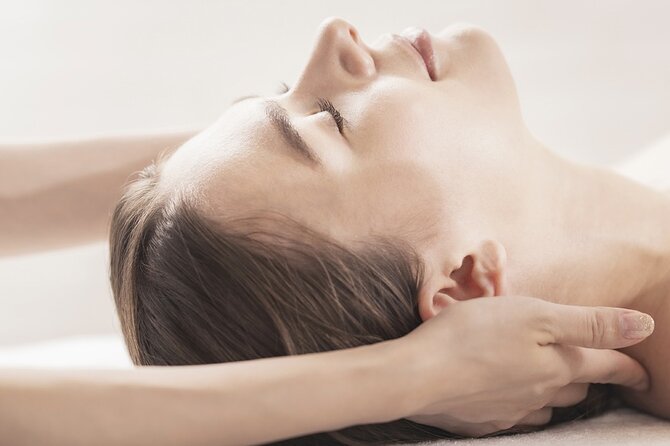
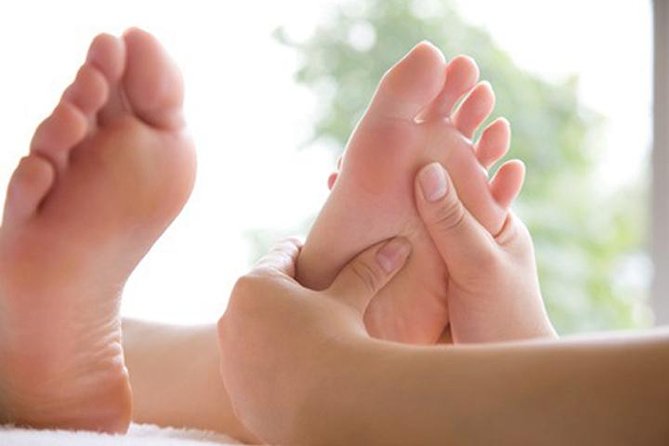
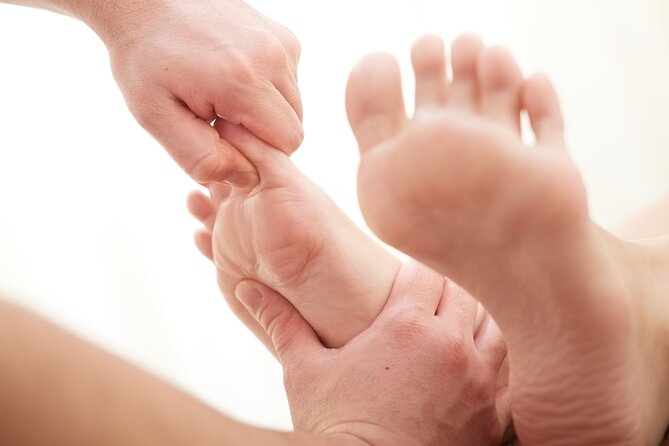
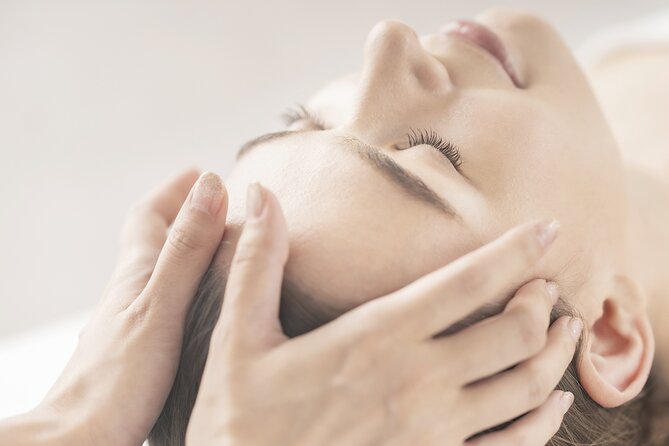
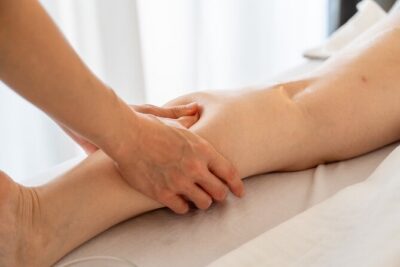
The body treatment combines shiatsu-style massage with energy therapy. The therapist relaxes your body and works on your Qi, aiming to clear what’s considered unwanted from stress and toxins, then recharge you with the energy your body needs.
They also frame the work as supporting fatigue recovery and deep relaxation, plus beauty and even longer-term prevention and brain development ideas. You don’t have to buy the whole medical philosophy to benefit from the service. What you can judge fairly is whether the massage part feels good, whether you get genuinely relaxed, and whether the energy explanation shapes your experience in a way that helps you unwind.
This is where the reviews really line up with the practical takeaway: people feel relaxed and rejuvenated, and they describe it as a mix of shiatsu and energy work. One of the strong comments was that even if you don’t believe in energy healing, you can still come away feeling better.
That’s the balanced way to think about it. Treat the appointment as both a physical recovery session and a guided relaxation ritual. If your body responds, you win.
Not ready to leave Osaka yet? A few more ways to fill the day.
- Osaka Go Karting Tour with Funny Costume
★ 5.0 · 2,658 reviews - Osaka Castle: Museum and Tower Entry Ticket
★ 4.5 · 2,380 reviews - Osaka: Shinsekai Food Tour with 13-15 Dishes at 5 Eateries
★ 4.8 · 2,204 reviews
Hydrogen inhalation therapy and the MAITRII connection
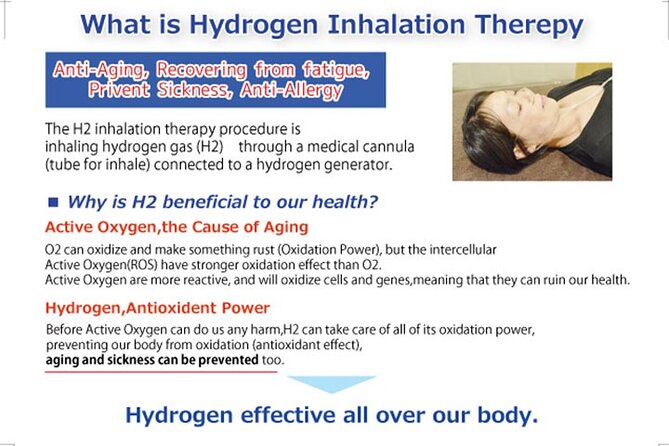
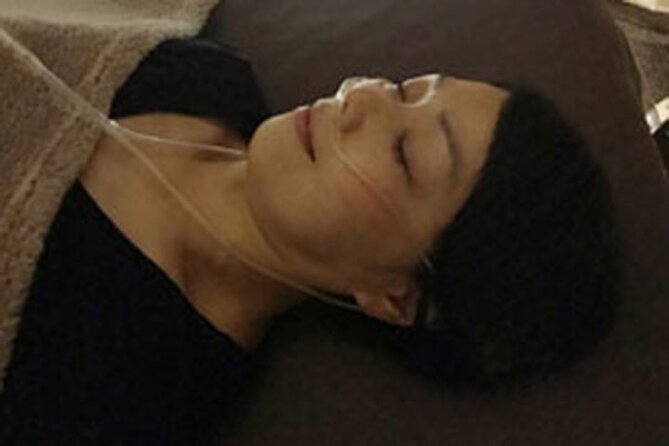
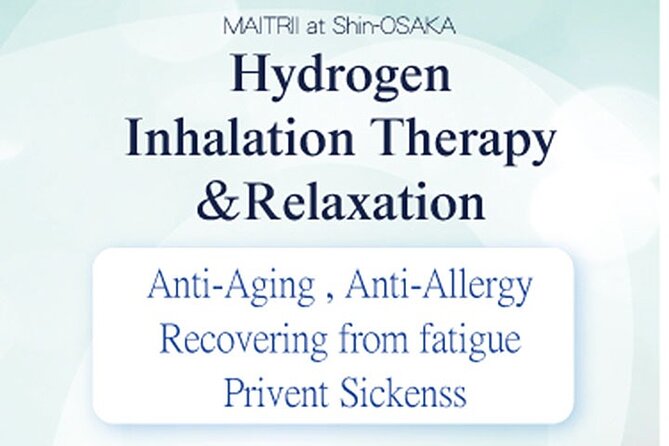
The meeting point is labeled MAITRII, H2 Inhalation Therapy & relaxation, and at least one of the strongest positive notes specifically mentions hydrogen inhalation therapy alongside body massage. That suggests this stop is part of the overall experience context even if not every session lists every element in the same way.
Practical advice: if hydrogen inhalation is important to you, confirm it when you receive your booking confirmation, since the provided details emphasize Qi balancing massage and the tea ritual in the included items. Either way, the session includes a hands-on massage component and the Zen-themed finish.
Crystals, artificial quartz, and what that means for you
The therapy room is described as conditioned with high-quality Japanese crystals, and the setup includes high-quality crystals placed under the bed. The session also uses special artificial quartz technology, described as a quartz crystal product made over several years and said to amplify healing energy more ideally than natural quartz because of more ordered crystal structure.
Now, here’s the practical angle. Even if you approach energy healing with skepticism, the crystals and bed setup still create atmosphere. They also add to the sense that you’re not just getting a generic massage. You’re entering a prepared treatment environment, and that can make relaxation easier.
The therapist also mentions they are a Clinical Energy Medicine Therapist® and they aim to detoxify mind and thoughts, leaving your mind calm. You should take that as their approach to mental relaxation, not as something you can verify like a lab test. But if you tend to tense up in daily life, a calming, ritual-driven environment can help your mind cooperate with your body.
Matcha tea sweets: why the tea ritual matters
Your session includes Japanese tea as part of the flow: matcha and tea sweets, described as a moment like coming out at tea. The tea ritual isn’t just marketing here. After energy work and shiatsu-style massage, you’re likely to be more receptive to gentle stimulation, warm flavors, and the slower rhythm of sitting and tasting something.
Tea is also culturally connected to Zen. The details say the word sado comes from Zen. Even if you don’t chase symbolism, it’s still a good finishing move because it helps you come down safely rather than jumping straight back into trains, errands, or loud nightlife.
If you’re the type who likes to plan your meals carefully, this is an easy win. The tea and sweets can serve as a light break, but the session description does not claim it replaces a full meal. So if you have dinner reservations later, keep that in mind.
The treatment report: using the session after you leave
A big practical feature is the treatment report. After the therapy, your therapist provides a report describing your energy status and advice for the future.
This is useful because it gives your session a next step. Without a report, energy work can feel like a one-time experience. With guidance, you can decide what to focus on next, like rest timing, relaxation habits, or whether you should return for a longer session.
Also, the report can help you compare sessions if you come back. Even if your belief system is flexible, your body feedback is real, and the report adds a structured way to track how you felt before and after.
One more point: the experience is set up as a private room with a therapist, and your group is the only group in the session. That privacy helps you ask questions if you’re curious about what the therapist means by Qi balancing or how you can support it at home.
Who should book this ZEN therapy session
This is a great fit if you want:
- Deep relaxation with a hands-on massage component
- Fatigue recovery and stress relief that feels intentional
- A Zen-styled experience with samue robe vibes and a tea ritual finish
- A private, calming appointment where you can slow down in Osaka
It’s also appealing if you like the idea of energy healing, even as part of a broader wellness routine. People describing it as one of a kind also point to the shiatsu and energy mix as the differentiator.
You might want to skip or approach cautiously if you want a strictly medical, evidence-only treatment. The details frame outcomes in Qi, Ki, mind calm, and prevention language. Still, even skeptics can potentially enjoy the physical part and the calm ritual flow, as long as they go in expecting relaxation more than a diagnosis.
Should you book ZEN therapy in Osaka?
If you’re in Osaka and you want one experience that feels both Japanese and restorative, I think this is worth serious consideration. The best reason to book is the full flow: samue robe start, shiatsu-style Qi balancing with a prepared crystal-and-quartz environment, then matcha and sweets, then a written treatment report.
The price is also reasonable for a private hour plus ritual elements, and the review-style feedback emphasizes that people felt relaxed and rejuvenated, especially after longer sessions. If you’re going to commit to energy healing, do it with the option that gives you enough time to actually settle in.
My practical recommendation: book the longer session if you are already tired or you want the most complete experience. Choose a shorter option if you mainly want a reset and you are pairing it with a packed day.
FAQ
How long is the ZEN therapy session?
The experience is offered in length options of 30 minutes, 60 minutes, 90 minutes, and a luxury 120 minutes option. The overall listing also notes about 1 hour for the experience.
What should I do when I arrive?
You’ll change into a Zen kimono called samue before the treatment begins. After that, the therapist starts the energy therapy and shiatsu-style body treatment.
Is this a private session or shared with other people?
This is described as private, meaning only your group participates.
What’s included in the experience?
Included items are a full-body Qi (energy) balancing massage using shiatsu-style massage with energy therapy, plus a Japanese Zen tea ritual.
Is Japanese tea included, and what will it be like?
Yes. The experience includes matcha and tea sweets as part of the tea ritual.
Will I get any information after the treatment?
Yes. You’ll receive a treatment report describing your energy status and advice for the future.
Can I buy the samue kimono as a souvenir?
If you wish, you can purchase a Zen Buddhist kimono samue as a work robe souvenir.
Where is the meeting point in Osaka?
The meeting point is MAITRII, H2 Inhalation Therapy & relaxation, Shin-Osaka Daiichi Building 8F, 5丁目-6-16, Nishinakajima, Yodogawa-ku, Osaka.
What is the cancellation policy?
Free cancellation is available if you cancel at least 24 hours in advance for a full refund. If you cancel less than 24 hours before the experience’s start time, the amount paid is not refunded.
Who can participate?
The listing says most travelers can participate. The experience is described as suitable for a wide range of people seeking relaxation and recovery benefits.
More Massage & Relaxation in Osaka
- Osaka Temple Head Spa &Matcha Facial – Refresh & Glow〈90min〉★ 5.0 · 24 reviews
- Osaka: Tennen Onsen Naniwa-no-Yu, the famous hot spring spa★ 4.7 · 19 reviews
- Osaka 60 minutes Full body or Facial massage for women★ 5.0 · 1 review
- Osaka: Aroma Massage at the Temple<60min>★ 5.0 · 1 review
Just added around Osaka

Massage, compared.
Osaka Temple :Warm Bamboo Oil Massage – Deep Restore〈90min〉
Read our review →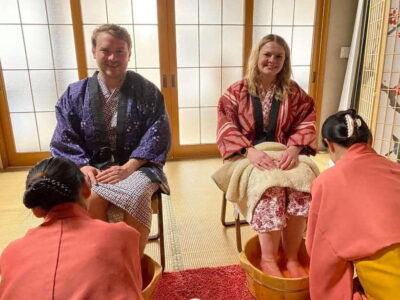
Japanese Zen Massage and Facial at the Temple/180-min
Read our review →Zen Japanese Massage, Head Spa & Facial at the Temple <180-min>
Read our review →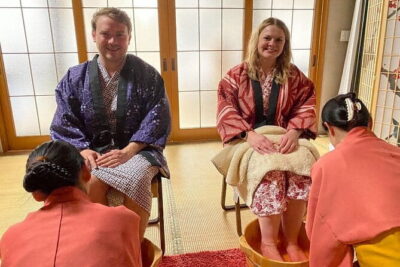
Osaka Reiki Healing and Aroma Massage At The Temple<120min>
Read our review →
Osaka 60 minutes Full body or Facial massage for women
Read our review →This tour also fits