
Reviewed · SHRINE & TEMPLE TOURS
Osaka:Bamboo Healing Massage at the Temple <90-min>
Bamboo healing at a temple in Osaka sounds unusual. This experience pairs a calming foot bath with a full-body oil massage plus bamboo fascia release techniques, then wraps it up with a traditional tea ceremony.
I also like that it adds the cultural stuff without turning the day into a lecture. You’ll get staff in kimonos welcome you, have a chance to wear a yukata, and get a complimentary souvenir photo, all anchored in a small temple setting. One consideration: the meeting address can be tricky to find, so plan to arrive a little early and double-check directions.
In This Review
- Quick hits for this Osaka temple bamboo massage
- Osaka Temple Massage in Bamboo, Oil, and Tea
- Your Arrival at Tossa de coracao, and How the Setup Works
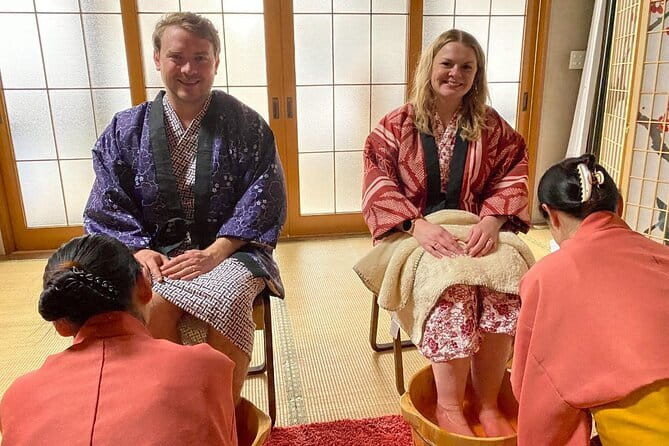
- Foot Bath First, Then Essential Oil Choice, Why the Start Matters
- Full-Body Oil Massage and Bamboo Fascia Release With a Stick
- How Temple Etiquette and Worship Lessons Add Value
- Yukata Photo Time: Keeping the Memory Without Overthinking It
- Tea Ceremony With Wagashi, a Calm Finish for Your Whole System
- Price and Timing: Is $130.31 Worth It?
- Who Should Book This Private Session in Osaka
- Should You Book This Osaka Bamboo Healing Massage?
Quick hits for this Osaka temple bamboo massage
- Foot bath first: A warm reset before you lie down for the oil massage.
- Choose your essential oil: You use your favorite scent during the full-body massage.
- Bamboo fascia release: A bamboo stick technique aimed at easing stubborn tightness.
- Yukata + complimentary photo: You take home a ready-to-share memory of the temple vibe.
- Temple explanation time: Staff explain temple history and how to worship, using guidebooks.
- Tea ceremony with wagashi: You finish with Japanese sweets and a quiet cultural moment.
Osaka Temple Massage in Bamboo, Oil, and Tea
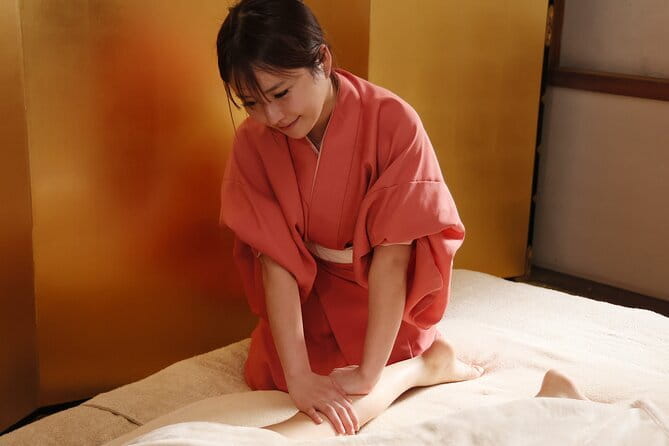
This is the kind of Osaka experience that feels more like a reset than a sightseeing stop. You start with a warm foot bath, then move into a full-body oil massage designed for relaxation and tension release. The key twist is the bamboo stick fascia release technique, which aims to loosen deep tight spots you might not notice until someone helps your body find a better rhythm again.
What makes this feel special is the way the physical and cultural parts support each other. The massage is not just a generic rub-down. It is tied to a traditional temple atmosphere, with staff dressed in kimonos and time set aside for temple-related education. Then you end with an authentic tea ceremony and wagashi, which gives your body a chance to cool down after the massage work.
The result is a full mind-body rhythm, not a checklist. If you want a day in Osaka that’s calm and personal, this fits. If you prefer loud, crowded attractions, this will feel quieter than you might expect.
Quiet spaces between the neon
- Osaka: Minoh, Katsuoji Temple, & Minoh Falls Full-day Tour★ 4.9 · 172 reviews
- Sagano Romantic Train & Arashiyama, Kiyomizudera, Fushimi Inari Taisha Day Tour★ 4.5 · 171 reviews
- Full Day Kyoto Tour : Bamboo Forest, Golden Temple, Fushimi Inari★ 5.0 · 84 reviews
- Osaka Temple Cool Foot Bath & Matcha Experience〈45min〉★ 4.9 · 82 reviews
- Osaka: Mind & Spirit Balance Temple Reiki Healing★ 5.0 · 41 reviews
Your Arrival at Tossa de coracao, and How the Setup Works
The session starts and ends back at the meeting point: Tossa de coracao, 1-chōme-6-19 Kitahorie, Nishi Ward, Osaka (550-0014). It is near public transportation, which helps a lot, since temple experiences often live in areas where you do not want to rely on taxis alone.
This is a private activity, meaning only your group participates. For solo travelers, that matters. You still get full attention from the staff, without the feeling of merging into a bigger crowd.
When you arrive, staff in traditional kimonos welcome you. They also introduce the temple setting, including the history and origins, and basic guidance for worship. You’ll use guidebooks during this part, so you can follow along at your own speed rather than trying to catch every spoken detail.
A couple of practical notes based on how experiences like this usually run, and what’s stated here:
- Expect setup time before the massage, including changing into a yukata if you choose to wear one.
- A mobile ticket is provided, so have it ready on your phone.
- Service animals are allowed.
Foot Bath First, Then Essential Oil Choice, Why the Start Matters
The program starts with a soothing foot bath. That may sound like a small detail, but it sets the tone. Warm water helps your body shift out of travel mode, and it primes you for the oil massage that comes next. By the time you get on the massage setup, you are already physically and mentally slowing down.
After the foot bath, you move into the full-body oil massage. You get to use your preferred essential oil. That choice is more than a cosmetic touch. Scent affects how relaxed you feel, and you can steer the mood toward what you find calming. If you are sensitive to strong fragrances, think in advance about what you want to avoid, and choose carefully when the oil selection happens.
Timing-wise, the course is described as a 90-minute course, but the overall experience duration is listed as about 2 hours. That gap is normal for temple-style sessions, where you need time for changing, explanation, photo setup, and the tea ceremony finish. Plan for roughly 2 hours on the clock.
What you should look for in this part is the pace. This is not a rushed, get-in-get-out routine. You should feel guided and supported, like someone is taking care of your comfort first, massage second, culture third.
Full-Body Oil Massage and Bamboo Fascia Release With a Stick
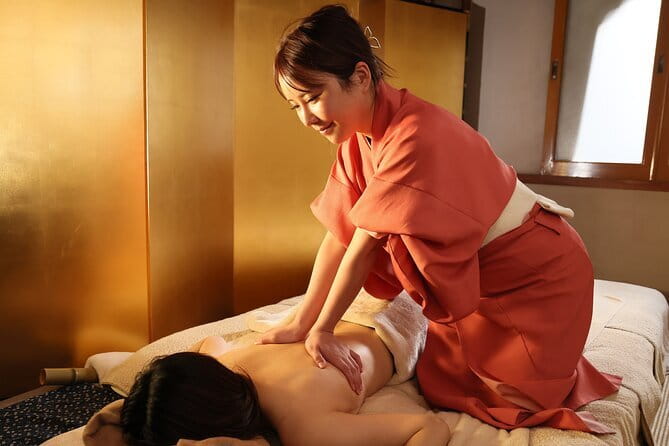
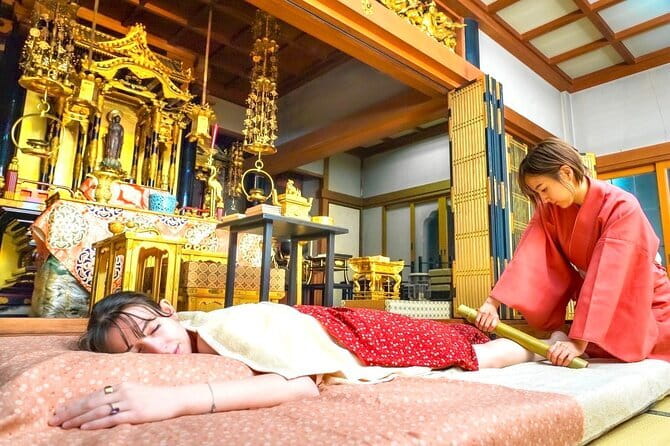
The core relaxation portion has two parts: an oil massage and fascia release using bamboo.
First, the full-body oil massage uses the essential oil you selected. The goal is tension release and rejuvenation, with techniques meant to help your body feel looser afterward. Oil-based massage typically works well for relaxation because it reduces friction and helps hands glide smoothly. It also gives you that classic spa feeling, where your body starts to trust the process.
Then comes the bamboo stick technique for fascia release. Fascia is connective tissue that can hold onto tension, especially around shoulders, back, hips, and areas that get locked up from daily posture. Bamboo fascia release uses a bamboo stick method intended to ease deep-seated tightness.
Here’s the practical way to think about it: if you carry stress physically, you might feel a difference not just during the session, but in the days afterward as your body adjusts to the new level of looseness. This is also where personal preference matters. Some people love that more targeted feel; others prefer gentle, traditional massage only. The program here is clearly designed to include the bamboo method, so go into it expecting that there will be more focused physical work than you’d get from a purely relaxing massage.
If you have any body concerns, keep your communication straightforward. Tell staff what feels good, what feels too intense, and what areas you want them to focus on or avoid. This is private, so you have room to guide the flow.
How Temple Etiquette and Worship Lessons Add Value
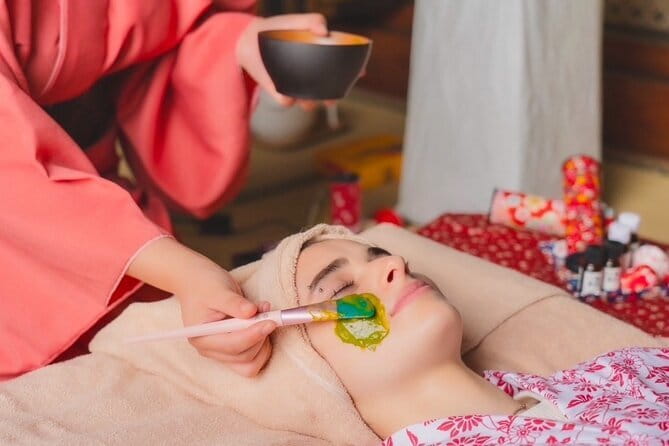
Most massage add-ons in travel packages are superficial. This one ties the whole experience to a temple setting, which changes the tone in a helpful way.
Before or around the massage portion, staff explain the history and origins of the temple and share guidance on how to worship, using guidebooks. Even if you do not become a temple scholar in 90 minutes, this context matters. It gives your time a sense of purpose, not just entertainment.
It also helps you behave appropriately without stress. You are not guessing what is expected, because someone is actively walking you through the basics. That can be especially valuable if you’re visiting Japan for the first time and want to show respect without worrying about mistakes.
A small cultural extra mentioned in feedback: some sessions include a brief meditation moment in the shrine area. If your group is offered something like that, treat it as a cool-down after the massage. It helps your mind settle. Even if you are not a meditation person, a short sitting is often easier than you think once you’re in that quiet temple setting.
Bottom line: the education part is short and practical. It helps the massage feel grounded in place.
Other ways to spend a day in Osaka
- Osaka Temple :Warm Bamboo Oil Massage – Deep Restore〈90min〉
★ 5.0 · 14 reviews - Osaka: Japanese Zen Massage and Facial at the Temple/180-min
★ 4.8 · 10 reviews - Zen Japanese Massage, Head Spa & Facial at the Temple <180-min>
★ 5.0 · 9 reviews
Yukata Photo Time: Keeping the Memory Without Overthinking It
One of the easiest ways to make this experience feel worth it is the built-in memory moment. You can wear a yukata, and staff provide a complimentary souvenir photo. That matters because it removes the usual travel hassle of finding a photographer or asking strangers to take pictures in a temple setting.
The yukata also does more than look cute. It puts you into the culture in a physical way. Clothing affects how you sit, move, and relax, and it naturally slows you down. You will likely feel more comfortable during the cultural moments because you are dressed appropriately for the setting.
When the photo happens, do not overthink it. The goal is to capture you in the temple atmosphere, not to produce a magazine shoot. Wear what you’re given or requested for the session, follow staff cues, and let them handle the timing.
Practical tip: if you usually do not like being photographed, this still works because it is guided and time-limited. You get one complimentary photo. You are not stuck in an hour-long photo production.
Tea Ceremony With Wagashi, a Calm Finish for Your Whole System
After the massage and any temple moments, the session ends with an authentic tea ceremony. You also get wagashi, which are traditional Japanese sweets served with tea.
This is a genuinely smart finishing act. Massage can make you feel relaxed but also slightly drowsy or pleasantly unfocused. Tea ceremony is structured and calm. It gives your body a slower rhythm to return to, and it helps your mind land before you re-enter Osaka traffic, crowds, and dinner plans.
Tea and sweets also make the experience feel complete. A massage by itself is great, but tea ceremony adds cultural flavor and a sense of occasion. You are not just leaving feeling physically better, you’re leaving with a clear memory of what Japanese hospitality feels like when it’s quiet and deliberate.
If you have dietary restrictions, the only safe move is to let staff know during your visit. The only detail provided here is that you get wagashi, not which types. So you may want to flag allergies or sugar concerns right away.
Price and Timing: Is $130.31 Worth It?
The price is $130.31 per person, and it is often booked about 46 days in advance. That tells me two things: people value the unique temple setting, and there is enough demand that planning ahead helps.
Is it worth it? Here’s how I’d judge value for your money.
You are paying for:
- A warm foot bath plus full-body oil massage
- Bamboo stick fascia release technique
- Temple context with staff guidance using guidebooks
- Yukata experience with a complimentary souvenir photo
- Tea ceremony with wagashi
- A private format for your group
In other words, you are not only buying massage. You’re buying a compact cultural program built around wellness. That’s why the price does not feel like a plain spa rate. The staff time, photo setup, tea service, and temple explanation all add cost.
Timing also affects perceived value. The overall listing duration is about 2 hours, while the course is described as 90 minutes. Either way, you are not spending half a day getting there and back. For many itineraries in Osaka, a short, calm block like this is easier to fit than a full-day tour.
If you are on a tight budget, this is not a low-cost wellness option. But if you want something different from shopping and street food, and you care about a calm, guided experience, it is strong value.
Who Should Book This Private Session in Osaka
This is a great fit for:
- People who love massage and want something beyond a standard studio session
- Travelers who want Japanese culture in a calm setting, not just at busy sites
- Solo travelers, since the private format means you get attention without feeling lost in a group
- Anyone who wants a physical reset plus a culturally meaningful finish
It may be less ideal if:
- You dislike any focused bodywork beyond gentle relaxation. Bamboo fascia release is part of the plan.
- You need a super easy, no-navigation meeting point. The address is specific, and you should plan to find it smoothly.
It also suits you if you prefer clear structure. The session is built with a straightforward order, and staff guide you through clothing, temple-related basics, massage, and tea.
Should You Book This Osaka Bamboo Healing Massage?
Yes, you should book this if you want a short, memorable Osaka experience that combines wellness with temple culture. The strongest reason to choose it is the complete flow: foot bath, essential-oil oil massage, bamboo fascia release, yukata photo, and tea ceremony with wagashi. That is a lot of value packed into about 2 hours.
Before you book, do two things:
- Check the meeting address carefully and plan buffer time, since the location can feel tricky if your navigation is off.
- Think about your comfort with the bamboo fascia release style and your essential oil scent preferences.
If you want calm, guided, and different from the usual tourist routine, this is one of the better ways to spend time in Osaka.
More Massage & Relaxation in Osaka
- Osaka Temple Head Spa &Matcha Facial – Refresh & Glow〈90min〉★ 5.0 · 24 reviews
- Osaka: Tennen Onsen Naniwa-no-Yu, the famous hot spring spa★ 4.7 · 19 reviews
- ZEN therapy | Shiatsu-style massage, EnergyTherapy & Japanese Tea★ 5.0 · 5 reviews
- Osaka Reiki Healing and Aroma Massage At The Temple<120min>★ 5.0 · 2 reviews
Just added around Osaka
Shrine & Temple Tours, compared.
Minoh, Katsuoji Temple, & Minoh Falls Full-day Tour
Read our review →
Sagano Romantic Train & Arashiyama, Kiyomizudera, Fushimi Inari Taisha Day Tour
Read our review →Full Day Kyoto Tour : Bamboo Forest, Golden Temple, Fushimi Inari
Read our review →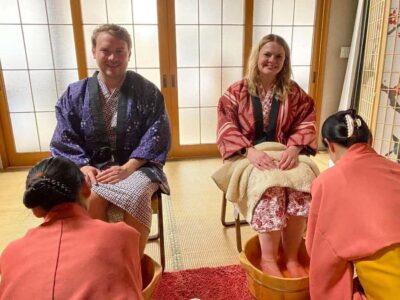
Osaka Temple Cool Foot Bath & Matcha Experience〈45min〉
Read our review →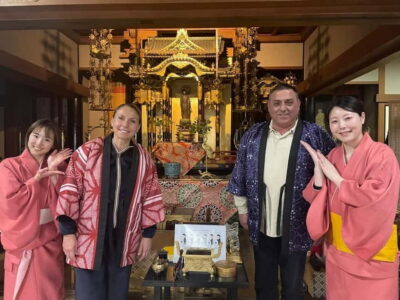
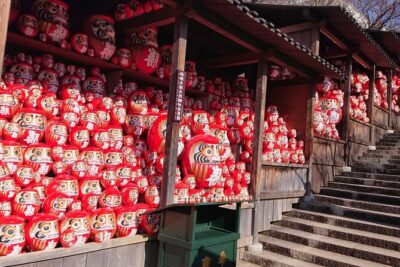
Katsuo-ji Temple, Arashiyama Forest, & Nara Park
Read our review →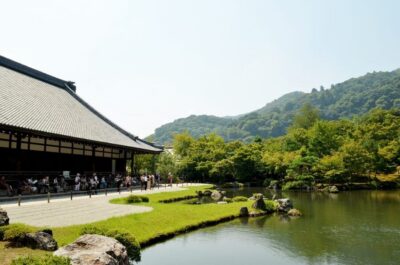
Immersive Arashiyama & Fushimi Inari by Private Car
Read our review →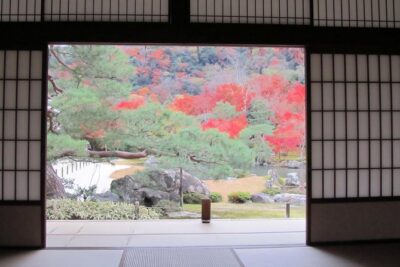
Kyoto Highlights: Arashiyama & Fushimi Inari by Private Car
Read our review →This tour also fits