Reviewed · PRIVATE
Osaka: Traditional Japanese Ceramics Private Experience
Make ceramics like you live here. This private Osaka class turns Shigaraki clay into something you can actually use, not just pose with for a photo.
I love the hands-on pace with step-by-step guidance from Anna, who studied ceramic making in Osaka and Barcelona. You also get real conversation about Japanese ceramics and everyday food culture while you work.
One consideration, the pieces you make can be shipped home, but shipping costs are not included, and the shipping timeline is about 1.5 months.
In This Review
- Key highlights you should know
- Why This Osaka Ceramics Class Feels Local From Teradachō Station
- Meet at Teradachō Station, Then Walk Into Showa-Era Osaka
- Shigaraki Clay and Typical Glazes, What You Actually Make
- Choose Your Food-Themed Set: Sake, Sushi, or Chawan
- The Private Lesson With Anna, From Osaka to Barcelona
- Glazing, Finishing, and Your Sakura-Shaped Parting Gift
- Price and Value: Is $96 Actually Fair for Osaka?
- Who This Osaka Ceramics Workshop Fits Best
- Practical Tips to Make Your 2 Hours Go Smoothly
- Should You Book This Osaka Ceramics Experience?
- FAQ
- What is the meeting point for the Osaka ceramics class?
- How long does the private ceramics experience last?
- What can I make during the class?
- Where does the clay come from?
- What languages are available for the workshop?
- Is the class private?
- Is there a gift included?
- Can I ship the pottery home?
- Is the workshop suitable for children?
- What is included in the price?
Key highlights you should know
- Private class, real attention: you work one-on-one (or with your group) and you are not rushed
- Shigaraki clay: you craft with clay from a famous Japanese pottery region
- Pick your food theme: sake set, sushi set, or chawan for tea
- Culture in plain language: Anna explains how Japanese design connects to eating and daily rituals
- Sakura souvenir included: you leave with a small sushi dish plus a Sakura-shaped chopstick holder
- Optional home shipping: your workshop piece can be sent later, typically taking about 1.5 months
Why This Osaka Ceramics Class Feels Local From Teradachō Station
Osaka has plenty of “make a souvenir” options, but this one is built like a visit to a local workspace. You start at JR Teradachō Station, then you move out of the most touristy streets toward a quieter neighborhood with food shops nearby. It is the kind of route where you notice normal life instead of just landmarks.
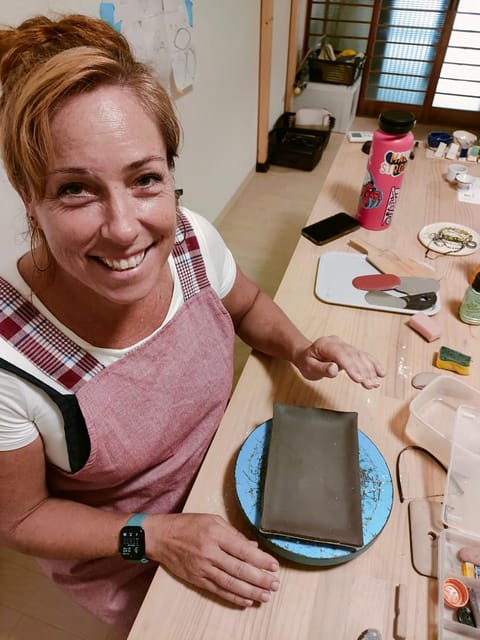
The workshop itself is set in a century-old two-story house, right next to that shop-lined street. That matters because ceramics in Japan is not just craft, it is part of daily living. The room, the pace, and the way the instructor teaches all support that feeling.
As a private experience, it also pays off in a very practical way. You can ask what you want, switch decisions mid-class (within reason), and get corrections tailored to how you are holding the clay. When you only have two hours, that focus is the difference between a nice bowl and a piece you genuinely want to keep using.
Other ways to spend a day in Osaka
- Private Osaka Walking Tour: Highlights & Hidden Gems★ 5.0 · 569 reviews
- 3/4/5 Hours Private Tour in Osaka with Local Guide★ 5.0 · 189 reviews
- Osaka’s Best and Brightest: Private Full-Day Tour by Vehicle★ 5.0 · 147 reviews
- Kyoto & Nara Private customized tour with English speaking Guide★ 4.5 · 99 reviews
- Osaka: Private Custom Walking Tour with a Local Guide★ 4.6 · 97 reviews
Meet at Teradachō Station, Then Walk Into Showa-Era Osaka
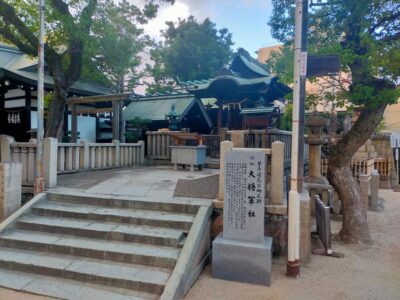
Your day starts with a pick-up from Teradachō Station. The meeting point is very specific, the north exit, and you should look for the guide holding a sign for the studio, Ceramics Tocoton.
After you meet, you head to the studio by foot. The walk is part of the experience, not just transport. You go from the station area toward a street that feels more lived-in, with local food shops along the way. That short transition is one of the easiest ways to get out of “tourist Osaka mode” without adding extra planning.
Timing is important. The experience runs about 2 hours, and if you are more than 15 minutes late, it can be treated as a no-show. So I would treat this like a reservation for a restaurant, not a casual stroll. If your train arrival is uncertain, give yourself buffer time.
Shigaraki Clay and Typical Glazes, What You Actually Make

Here is what makes the materials matter: the clay comes from Shigaraki, one of Japan’s best-known traditional pottery production areas. That gives your piece an authentic base, and it also connects your finished work to a real place with a real ceramics tradition.
Your instructor also uses typical Japanese glazes, the kind of color and finish that makes a piece look like it belongs in Japanese homes and kitchens. You are not just decorating freely. You are learning how Japanese ceramics choices reflect use, seasonality, and taste.
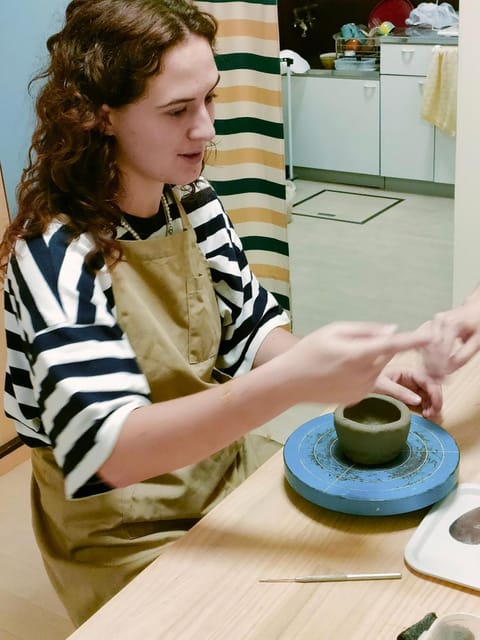
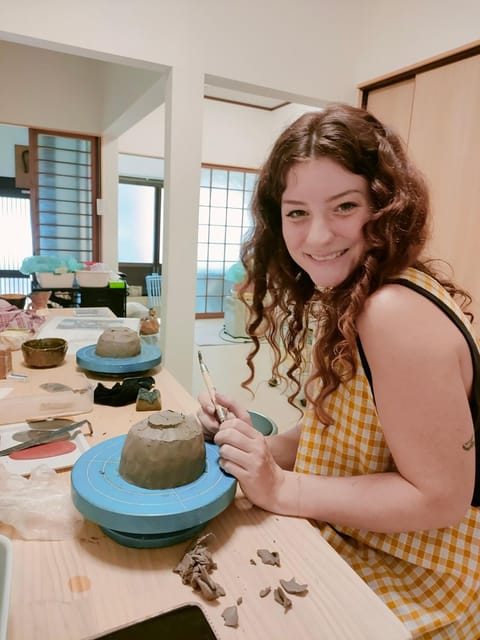
The way the class is set up is also practical for first-timers. You work with clay using a step-by-step approach, so you are not left staring at a lump of wet material wondering what happens next. Multiple reviews describe Anna as patient and clear, and that tone shows up in the structure of the class: guidance when you need it, space when you do not.
Choose Your Food-Themed Set: Sake, Sushi, or Chawan
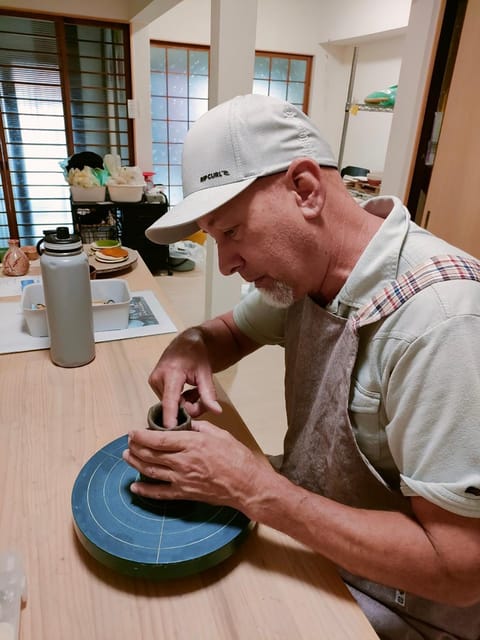
You will make one main ceramic item connected to Japanese gastronomy. You can pick from three options:
- Sake set: a small sake bottle and a glass
- Sushi set: a sushi plate plus a chopstick holder
- Chawan for tea: a tea bowl
I like that you get choices that feel specific, not generic. A sushi plate is not the same experience as a plain dish. A chawan connects directly to the ritual side of tea. And a sake set naturally invites future use when you share meals.
Each option also changes the kind of work you do. A sake bottle often takes more attention to form and balance. A chopstick holder comes with its own details. A chawan usually rewards a relaxed, handmade look. If you are a beginner, choose the item that matches what you actually like to eat or drink, because you will care more as you work.
The Private Lesson With Anna, From Osaka to Barcelona
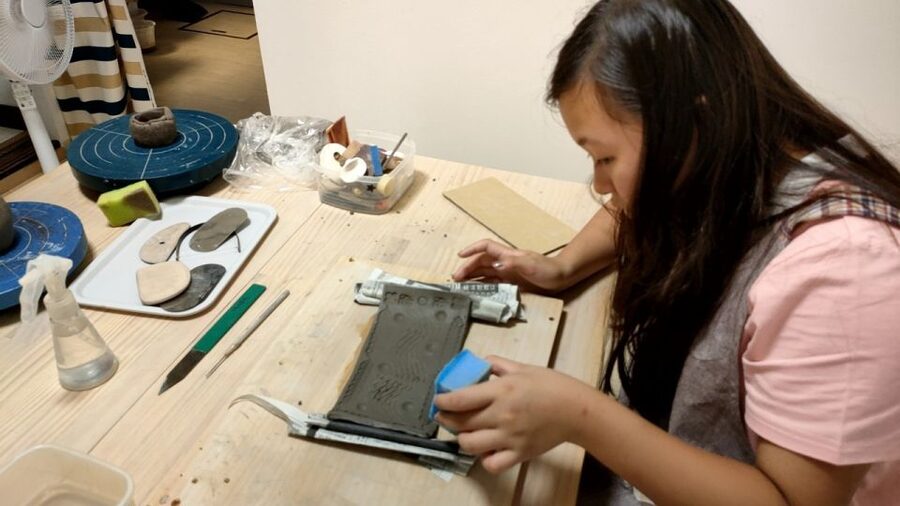
Your instructor for this experience is Anna, and the class is built around her ceramic background. She has studied ceramics making in Osaka and Barcelona, which is a rare mix. It can help you understand both technique and the broader artistic mindset behind craft.
The teaching style is a big part of why the reviews run so positive. Anna explains what you are doing and why it matters, then she walks you through the building steps. You are not watching everything from the sidelines while someone else finishes the piece for you.
For language, you are covered. The workshop can be taught in English, Catalan, Spanish, or Japanese. If you want the comfort of a shared language for culture talk, that is a real advantage.
One small point to keep in mind: this is a private group setup, so your pace is controlled by your group, not by a fixed factory schedule. Reviews highlight how that avoids the feeling of being rushed. In a craft class, that is worth more than it sounds.
Not ready to leave Osaka yet? A few more ways to fill the day.
- Osaka Go Karting Tour with Funny Costume
★ 5.0 · 2,658 reviews - Osaka Castle: Museum and Tower Entry Ticket
★ 4.5 · 2,380 reviews - Osaka: Shinsekai Food Tour with 13-15 Dishes at 5 Eateries
★ 4.8 · 2,204 reviews
Glazing, Finishing, and Your Sakura-Shaped Parting Gift
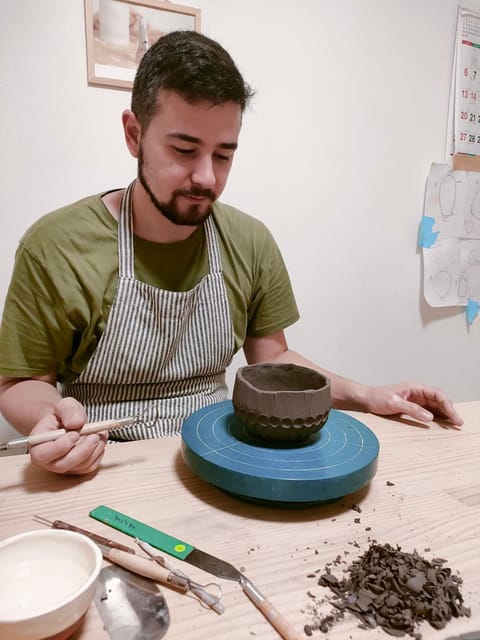
At the end of class, you receive a ready-to-go gift, handmade by your instructor. The included souvenir includes:
- A small sushi dish decorated with a traditional enamel-style pattern
- A Sakura-shaped chopstick holder
This matters because it solves the biggest craft-trip problem, what to bring home without risking breakage. You leave with an item that already has the travel-friendly “souvenir” feel, while your main piece is handled as something you either take home or ship later.
For your workshop piece, shipping is optional. If you choose to send it home, plan for about 1.5 months for delivery. Shipping costs are not included, so treat it like a future add-on rather than a guaranteed perk.
Price and Value: Is $96 Actually Fair for Osaka?
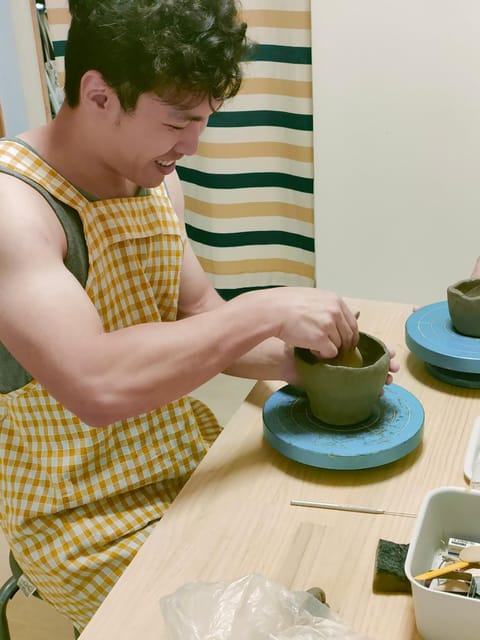
At $96 per person for a roughly 2-hour private ceramics workshop, the value comes from three places.
First, you get the instructor time. Private instruction in a craft setting is expensive in Japan, because technique and attention matter. Here, you are not sharing your teacher with another group.
Second, you get quality inputs. The clay is from Shigaraki, and the glazes are presented as typical Japanese options. That is not a random “paint and pour” setup.
Third, the workshop is tied to cultural context, not just making. You discuss Japanese ceramics and Japanese food culture as part of the lesson. That turns the class into a story you can tell, not just an object you stash in a drawer.
If you are the kind of traveler who already buys souvenirs every trip, this might still be a good choice because it gives you something more personal and more usable. If you are trying to reduce shopping, it can also be a smarter use of your time than another stop where you spend money quickly and forget what you bought.
Who This Osaka Ceramics Workshop Fits Best
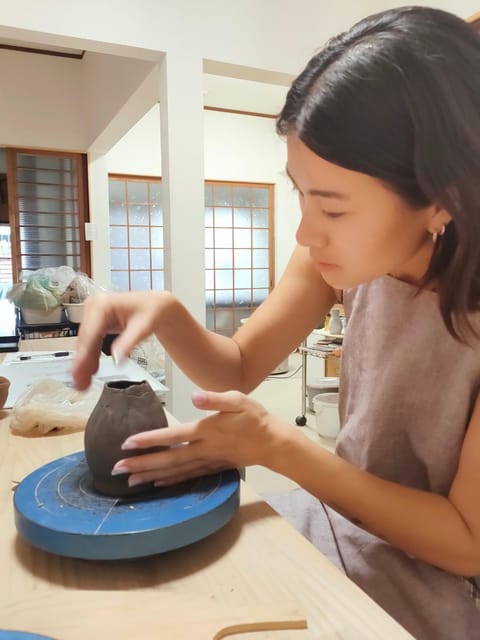
This experience is a strong fit if you want a hands-on activity that feels connected to Japanese daily life. It is also ideal if you like structured guidance, because the class is step-by-step and you choose from food-themed ceramic options.
It is not a fit for very young kids. The activity is not suitable for children under 5 years. For older kids, it can work well when the family wants a calm, creative break from sightseeing.
From what you can expect about the teaching, it also suits different skill levels. Beginner-friendly reviews mention clear instruction and supportive pacing. If you already have pottery experience, you should still find value in the Japanese-specific techniques and the design choices tied to sake, sushi, or tea.
Practical Tips to Make Your 2 Hours Go Smoothly
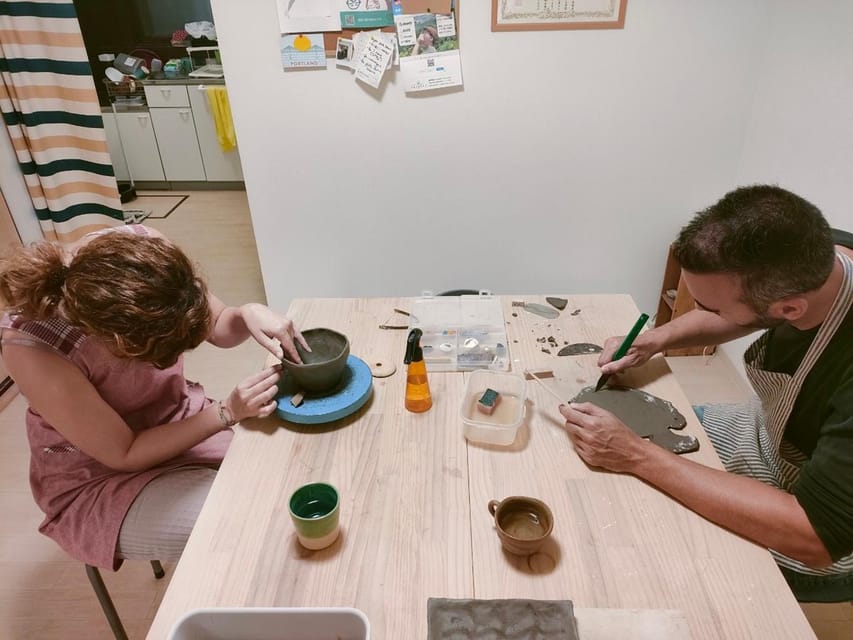
A craft class feels relaxed only after you handle the basics. Here are the things that help most:
- Arrive on time at Teradachō Station north exit. Late arrivals beyond 15 minutes can become a no-show
- Choose the item that matches your food interests. You will enjoy the process more when it connects to what you like
- Ask questions early. Anna is teaching technique and culture at the same time, and those answers help your decisions while you work
- Plan for shipping if you want light packing. Shipping is optional, costs extra, and takes about 1.5 months
- Use the time for conversation. The workshop includes culture and cuisine talk, and that context makes the final piece feel less random
If you are traveling with a packed itinerary, treat the class like a reset. The studio setting, patient instruction, and quiet focus make it an easy counterbalance to Osaka’s nonstop pace.
Should You Book This Osaka Ceramics Experience?
I think you should book this workshop if you want a real craft souvenir in Osaka, with a private class format, culturally grounded teaching, and a clear takeaway. The Shigaraki clay, the food-themed options (sake set, sushi set, chawan), and the Sakura chopstick holder gift make it feel more specific than generic pottery tours.
I would skip it if you only want something you can carry in the moment. Since shipping takes about 1.5 months and shipping costs are not included, it is best when you either plan to take your piece with you or you are comfortable with waiting for delivery.
If you want one “non-touristy” activity that still feels genuinely Japanese, this is an excellent bet. Book it when you have the schedule room to arrive on time and fully focus for the 2 hours.
FAQ
What is the meeting point for the Osaka ceramics class?
Meet at JR Teradachō Station’s north exit. Look for the guide carrying a sign with the name of the studio, Ceramics Tocoton.
How long does the private ceramics experience last?
The experience lasts about 2 hours.
What can I make during the class?
You will create one ceramic item, either a sake set (small bottle and glass), a sushi set (sushi plate and chopstick holder), or a chawan for tea.
Where does the clay come from?
The clay used in the workshop comes from the Shigaraki area.
What languages are available for the workshop?
The workshop languages include English, Catalan, Spanish, and Japanese.
Is the class private?
Yes, it is a private group experience.
Is there a gift included?
Yes. You receive a small gift from your instructor: a small dish with a traditional Japanese pattern and a Sakura-shaped chopsticks holder.
Can I ship the pottery home?
Yes, you can request shipping for the pieces made during the workshop. Shipping costs are not included, and delivery takes about 1 month and a half.
Is the workshop suitable for children?
It is not suitable for children under 5 years.
What is included in the price?
Included are the instructor, materials (Shigaraki clay and typical Japanese glazes), the finished ceramic product, pickup from Teradachō Station, and the included gift.
Just added around Osaka


Private, compared.

Private Osaka Walking Tour: Highlights & Hidden Gems
Read our review →
3/4/5 Hours Private Tour in Osaka with Local Guide
Read our review →
Osaka’s Best and Brightest: Private Full-Day Tour by Vehicle
Read our review →
Full Day Tour of Kyoto with Private Transportation
Read our review →
Kyoto & Nara Private customized tour with English speaking Guide
Read our review →