
Reviewed · DAY TRIPS TO KYOTO FROM OSAKA
From Osaka to Kyoto for a Day of Culture and History
Kyoto can feel like a movie, in real life. This small-group day tour from Osaka strings together the big names and the quieter moments on Kyoto’s eastern side. You get a tight, walking-style route with Shinto shrines, Zen temples, and the Gion district, plus a guide who keeps the stories clear and human.
I like that the group stays small, capped at 8 travelers, so the pace feels doable. I also really appreciate the Tomoki effect from the one standout review you can lean on, clear historical context and cultural curiosities that make each stop click. One drawback to plan for: this is a long sightseeing day (about 6 to 7 hours) and the stops are time-limited, so you will want comfortable shoes and realistic expectations.
If you want Kyoto, but you do not want to feel rushed or lost, this tour is built for that sweet spot.
In This Review
- Key highlights you should know before you go
- Osaka to Kyoto for Culture and History, Without the Stress
- Starting Point at Caffè Veloce – Yodoyabashi, and How the Day Unfolds
- Fushimi Inari Taisha: The Torii Gate World That Sets the Tone
- Gion Streets: Machiya Houses, Teahouses, and a Quiet Sense of Place
- Yasaka Shrine: Old Roots Right at the East End of Gion
- Kodai-ji Temple: Zen Spiritual Beauty With a Clear Backstory
- Yasaka Pagoda (Hōkan-ji Temple): A Five-Story Landmark in Higashiyama
- Kiyomizu-dera: The Big Name Temple, With a Walk-Friendly Time Box
- Why This Route Feels Like Value, Not Just Sightseeing
- Practical Pacing: What 6 to 7 Hours Looks Like in Real Life
- Who Should Book This Kyoto East Side Day Tour
- Should You Book Sparrow Travel’s Kyoto Culture and History Day Tour?
- FAQ
- How long is the Kyoto day tour?
- What does the $124.41 per person price include?
- Are meals included during the tour?
- Where do you meet, and when does the tour start?
- How many people are in the group?
- Which temple admissions are included?
Key highlights you should know before you go
- Max 8 people, which helps you keep up and ask questions without feeling swallowed by a crowd
- Fushimi Inari Taisha first, when the red torii paths set the tone for the whole day
- Gion plus Yasaka Shrine, putting shrine culture and old Kyoto streets close together
- Kodai-ji and Kiyomizu-dera included admissions, so you do not have to manage multiple ticket steps
- Public transportation fare included, which makes the Osaka to Kyoto part simpler
- Mobile ticket for an easier start when you meet up at Caffè Veloce – Yodoyabashi
Osaka to Kyoto for Culture and History, Without the Stress
This is the kind of day trip that works because it is structured, but not frantic. You start in Osaka, travel as a group using public transportation, then spend the day walking through Kyoto’s eastern side. The tour also builds in enough “in-between” time to look around, not just pose and move on.
At $124.41 per person for roughly 6 to 7 hours, you are paying for three things that matter: a guide, access to specific temple admissions, and transportation support. If you were to DIY it, you would spend time figuring out transit and ticket logistics. Here, the day is handled for you, with a maximum group size that keeps your energy from getting drained early.
Another practical win: the tour includes admissions for Kodai-ji and Kiyomizu-dera, while other stops like Fushimi Inari Taisha, Gion streets, Yasaka Shrine, and Yasaka Pagoda are free to visit. That mix is smart for value, because you are not paying admission at every single point.
More temples, thirty minutes up the line
- Osaka/Kyoto: Hiroshima Miyajima Bus Tour & Shinkansen Ticket★ 4.7 · 919 reviews
- From Kyoto/Osaka: Kyoto Top Highlights 1-Day Guided Bus Tour★ 4.5 · 714 reviews
- Ancient Capital Tour: Kyoto and Nara Highlights from Kyoto/Osaka★ 4.5 · 332 reviews
- Osaka/Kyoto: Amanohashidate & Miyama Tour with Boat & Lunch★ 4.6 · 207 reviews
- Kyoto and Nara Day Trip from Osaka★ 4.0 · 175 reviews
Starting Point at Caffè Veloce – Yodoyabashi, and How the Day Unfolds
You meet at Caffè Veloce – Yodoyabashi in Osaka. The address is in the Aioi Nissay Dowa Insurance Yodoyabashi Building (1st to 2nd floor), near the Yodoyabashi area. The start time is 9:00 am, and the tour ends back at the same meeting point, so you do not have to worry about a complicated return.
That “return-to-start” design is underrated on day trips. After a long day, the last thing you want is extra decision-making. You also avoid the stress of getting yourself back across town after the final temple moment when your legs are tired.
This is described as a small group walking tour, and the stop times reflect a pace that is more “guided highlights” than “all-day roaming.” You will see a lot, but you will not be stuck in one place for hours. The upside is variety. The downside is that if you love one specific site deeply, you might wish you had more time there.
Fushimi Inari Taisha: The Torii Gate World That Sets the Tone
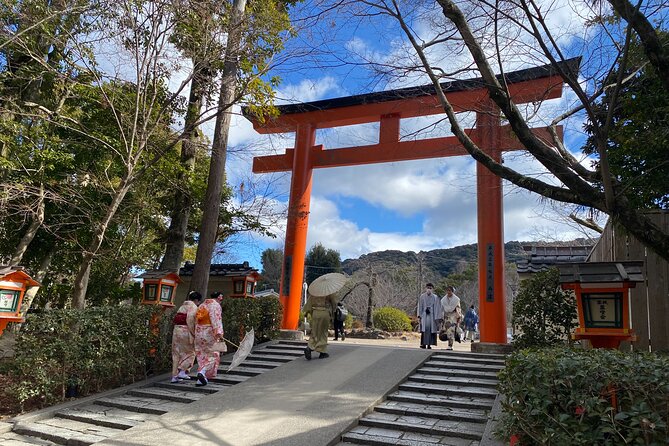
Fushimi Inari Taisha is the perfect opening stop because it gives you an immediate Kyoto feeling. You start at a shrine that is iconic worldwide for its thousands of red torii gates forming winding paths up Mount Inari. The shrine dates back to the early 8th century, so even before you get into any details, you are walking into a place with serious longevity.
You get about 1 hour here, which is enough time to do a meaningful portion of the torii approach without turning it into a full hike. In that hour, focus on two things: the way the torii lines curve as the path climbs, and the shifts in atmosphere as you move from the entrance area toward deeper sections. The tour gives structure, but this stop still rewards slow looking.
One consideration: torii paths can get crowded at peak times, and this kind of tour still draws sightseers. The small-group setup helps your experience feel more organized, but you will want to keep an open mind and stay patient if foot traffic thickens near popular viewpoints.
Gion Streets: Machiya Houses, Teahouses, and a Quiet Sense of Place
After the shrine, you move into Gion, one of Kyoto’s most famous historic districts. This is where the tour changes flavor from spiritual landmark to neighborhood atmosphere. Gion is known for traditional wooden machiya houses, teahouses, and cobblestone streets, with the main area centered around Shijo Avenue.
You have 30 minutes for Gion, and that is intentionally short. I like the strategy here: you get the feel of the district and a chance to spot the kind of architecture you came for, without getting stuck in a bottleneck. Use your time for simple observation, not complicated plans. Look at the wooden storefront facades, the street texture underfoot, and the way the district’s layout shapes movement.
If you are a photographer, you can get plenty of shots in 30 minutes, but the best ones usually come from slowing down at one or two corners rather than trying to sprint through everything. If you want a calmer vibe, keep your eyes open for side streets and small entrances that people miss while walking straight through.
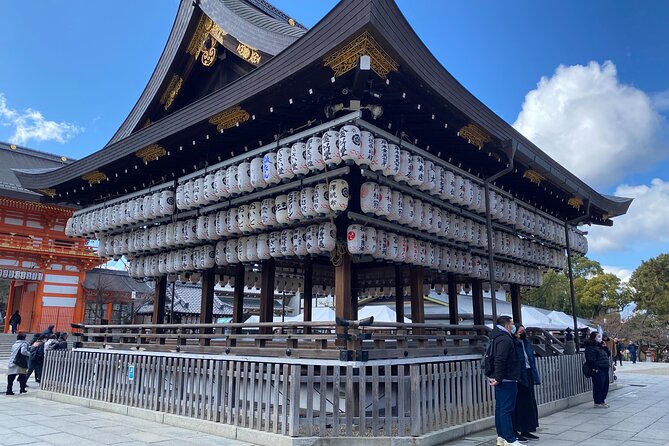
Yasaka Shrine: Old Roots Right at the East End of Gion
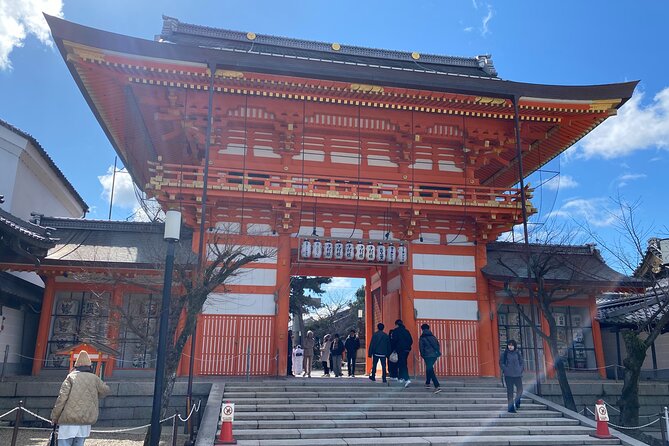
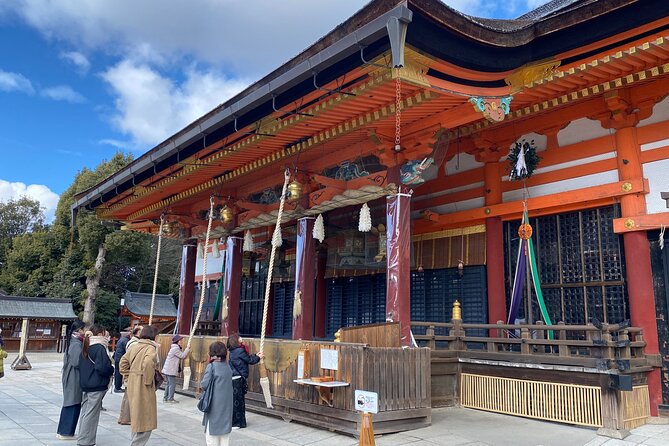
Next is Yasaka Shrine, located at the eastern end of Gion. It is historic, founded over 1,350 years ago, and dedicated to Susanoo-no-Mikoto. You get about 30 minutes here, which is a nice “pause” after the street walking of Gion.
I like this stop because it puts context around the neighborhood you just saw. You can stand there and connect the cultural meaning of shrines to the surrounding old Kyoto streets. Even if you only catch a few guided explanations, the dedication and age of the shrine give you a sense of why this area matters.
Practical tip: if you want better photos, arrive with your camera ready, but do not block the flow of people going in and out. This is a functioning shrine area, so treat it like a respectful public space, not an empty set.
Other ways to spend a day in Osaka
- Osaka: Castle History Walking Tour / Castle Tower Admission
★ 4.9 · 230 reviews - Osaka: Osaka Castle & Historical Museum Guided Tour
★ 4.8 · 28 reviews - Osaka Castle & Samurai History Walking Tour
★ 5.0 · 22 reviews
Kodai-ji Temple: Zen Spiritual Beauty With a Clear Backstory
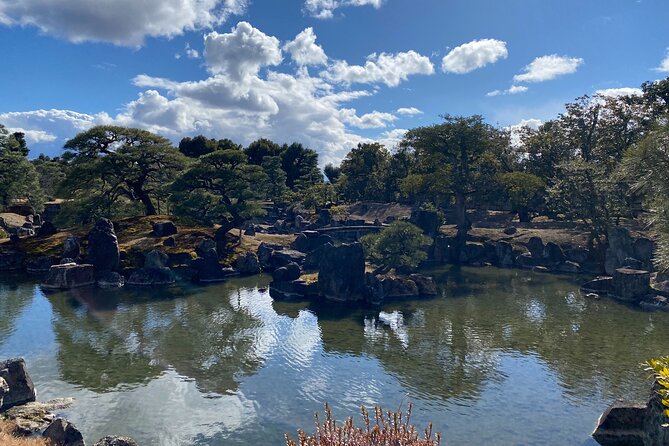
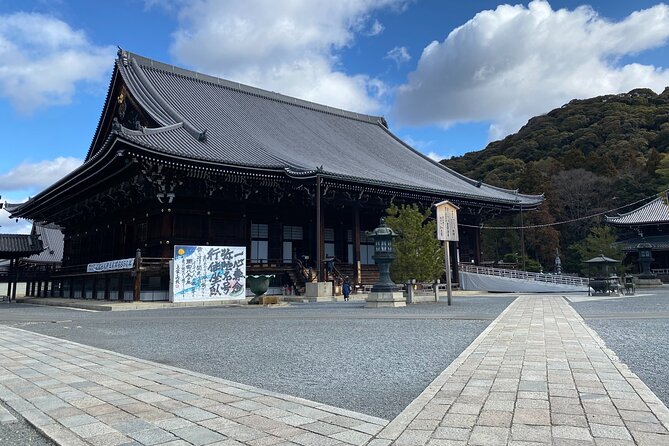
Then you step into the Zen Buddhist side of Kyoto at Kodai-ji Temple. The tour schedules 30 minutes here, and the background is a big part of why the stop matters. Kodai-ji was founded in 1606 by the wife of the powerful warlord Toyotomi Hideyoshi. The temple was built to honor his memory, which ties the site to Japan’s political and cultural shifts, not just religious practice.
This is one of the places where a good guide really earns their fee. In the review, Tomoki is credited with strong historical knowledge and cultural curiosities, and that matters here. Without that context, Kodai-ji can still be beautiful, but you might miss the “why” behind what you are seeing.
You also get admission included for Kodai-ji. That is a value boost and, more importantly, it removes small friction. You can focus on the temple experience rather than figuring out what tickets you need while your group moves.
What to expect with only 30 minutes: you will not see every corner in detail. So I suggest choosing your priority. Pick one main area to study first, then let the remaining minutes be flexible for quiet garden views or additional architectural details.
Yasaka Pagoda (Hōkan-ji Temple): A Five-Story Landmark in Higashiyama
Your next stop is Yasaka Pagoda, officially known as Hōkan-ji Temple. The tour keeps it to 30 minutes, but this is enough time to appreciate why it is such a recognizable Kyoto sight. The pagoda is a five-story structure originally built in the 6th century, located in the historic Higashiyama district near Gion.
I like that the tour places this landmark here, because it acts like a visual anchor. You can look at the pagoda and then remember that you are in a district where old structures still shape how the streets feel today. It is also a good contrast stop after Kodai-ji, since the pagoda’s silhouette and verticality change the way you experience the scenery.
Admission is free at this stop, and that fits the overall tour rhythm: you spend money where it counts (included temple admissions) and you spend time where the atmosphere matters (classic Kyoto districts and landmarks).
Kiyomizu-dera: The Big Name Temple, With a Walk-Friendly Time Box
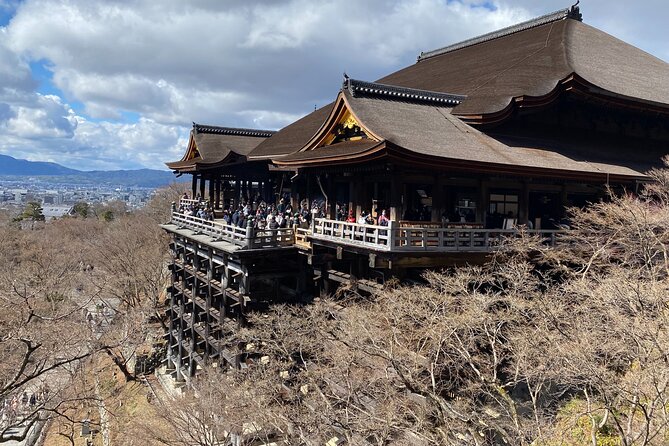
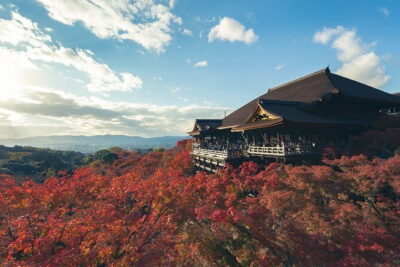
Finally, the tour reaches one of Kyoto’s most famous temples: Kiyomizu-dera. It sits on the slopes of Mount Otowa in eastern Kyoto and was founded in 778. The site is renowned for its wooden stage-like structure, which is part of why it is still a must-see even when you think you have already seen photos of it.
You get 30 minutes, and admission is included. For a place this famous, that time limit can feel short on paper, but it works in practice when you are coming from Osaka and still want the rest of the day to feel balanced. You will have time to see the key features, take photos, and understand what makes the temple important, especially with guide context.
One consideration: because Kiyomizu-dera is a major destination, the area can be busy. Your best strategy is to use your time efficiently. Look for the views from the temple’s main area, then step back when you need a calmer moment. This is one of those stops where “standing around” can be less restful than you expect, so plan to move thoughtfully between viewpoints.
Why This Route Feels Like Value, Not Just Sightseeing
There are two ways to judge the price of a day trip like this. One is the simple math. The other is whether the structure saves you time, stress, and small mistakes.
Here, the included items help you win on both counts. Your tour includes the tour guide fee, admission fees for the stops that require them, and the public transportation fare on tour. You are not paying separately for those major friction points. Also, group discounts and a mobile ticket suggest the operator is trying to make the process smooth, not just sell the itinerary.
So what are you actually paying for? You are paying for someone to connect the dots. Kyoto is not always intuitive if you DIY it. Shrines, temples, districts, and historical timelines can feel like separate “lists” unless someone helps you see relationships. In the review, Tomoki is specifically praised for historical knowledge and cultural curiosities, and that type of guiding is exactly what turns a collection of stops into a coherent day.
The “not included” part matters too: meals and drinks during the tour are not included. That is normal for Japanese day trips, but it does mean you should plan your food strategy. Either eat before you meet, or bring a snack you can handle without messing up the pace. If you wait until you are ravenous, the day can start feeling longer than it needs to.
Practical Pacing: What 6 to 7 Hours Looks Like in Real Life
The tour runs about 6 to 7 hours, starting at 9:00 am. The scheduled stop durations total around 3.5 hours, which tells you there is travel time plus buffer time between locations. That balance is important. If you are doing a lot of walking between famous stops, the in-between time adds up fast.
Because this is a walking tour, I recommend you dress for movement. Kyoto can have different weather swings, and the tour is outdoors for much of the day. Bring water if you can. Since meals are not included, hydration and snacks help you stay comfortable, especially around the heavier foot-traffic stops like Fushimi Inari and Kiyomizu-dera.
Also, keep your expectations aligned with time boxes. This tour is designed for coverage and context, not for lingering for hours in one garden or one hall. If you like to sit quietly for long stretches, you can still do it, but you may need to choose where to spend your extra minutes.
Who Should Book This Kyoto East Side Day Tour
This works best if you want a guided way to see Kyoto’s most important icons without turning the day into a puzzle. The tour is also ideal if you value cultural context, not just photos. That is where Tomoki’s strengths come through in the review: the guide’s explanations made the day feel smarter and more interesting.
You should consider this tour if:
- You are traveling with limited time in Kyoto and want a clear plan from Osaka
- You prefer small groups and easier navigation
- You want both shrine culture and Buddhist temple highlights in one day
- You like your sightseeing with a guide who connects stories to places
You might look elsewhere if:
- You want to spend long unstructured hours at one single site
- You are hoping meals are included
- You dislike walking and would rather do a more vehicle-heavy plan
Should You Book Sparrow Travel’s Kyoto Culture and History Day Tour?
I think this is a smart booking when you want Kyoto to feel organized and meaningful. The mix of Fushimi Inari Taisha, Gion, Yasaka Shrine, Kodai-ji, Hōkan-ji (Yasaka Pagoda), and Kiyomizu-dera gives you a strong cross-section of eastern Kyoto in a manageable time window. Add in included admissions where they matter, transportation support, and a small group size, and the day starts to feel like good value rather than a hurried checklist.
Book it if you want the “best of the east side” with a guide who brings history into focus. If you are the type who thrives on wandering without structure, you might not love the time limits. But if you want a smooth day with cultural context built in, this one is worth your time.
FAQ
How long is the Kyoto day tour?
The tour lasts about 6 to 7 hours.
What does the $124.41 per person price include?
It includes the tour guide fee, admission fees for included sites, and public transportation fare on tour.
Are meals included during the tour?
No. Meals and drinks during the tour are not included.
Where do you meet, and when does the tour start?
You meet at Caffè Veloce – Yodoyabashi, starting at 9:00 am.
How many people are in the group?
The tour has a maximum of 8 travelers.
Which temple admissions are included?
Kodai-ji Temple and Kiyomizu-dera Temple have admission included. Other stops listed are free.
Just added around Osaka
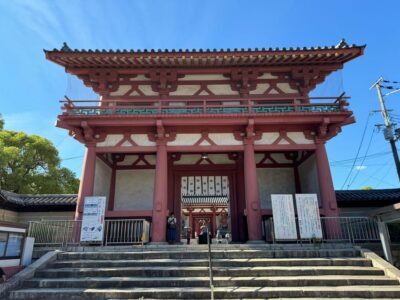
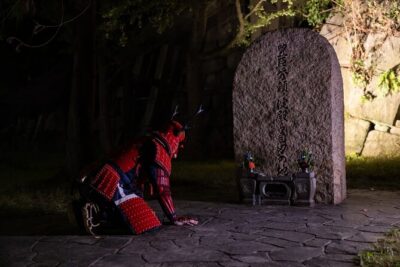

Day Trips to Kyoto from Osaka, compared.
Osaka/Kyoto: Hiroshima Miyajima Bus Tour & Shinkansen Ticket
Read our review →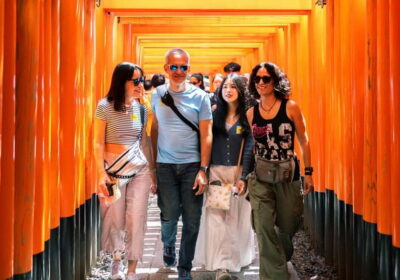
From Kyoto/Osaka: Kyoto Top Highlights 1-Day Guided Bus Tour
Read our review →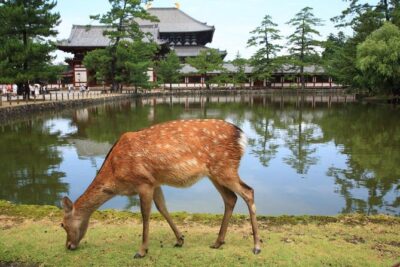
Ancient Capital Tour: Kyoto and Nara Highlights from Kyoto/Osaka
Read our review →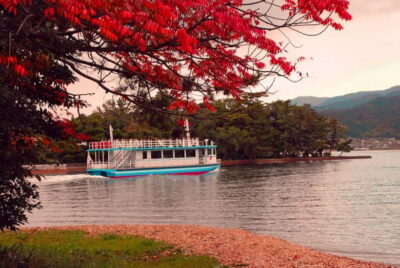
Osaka/Kyoto: Amanohashidate & Miyama Tour with Boat & Lunch
Read our review →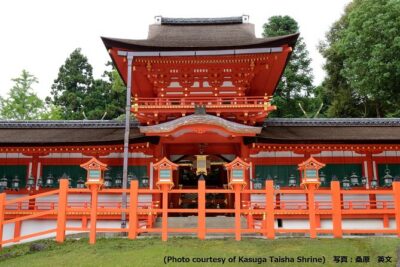

Full Day Tour of Kyoto with Private Transportation
Read our review →
Kyoto & Nara Private customized tour with English speaking Guide
Read our review →This tour also fits