
Reviewed · DAY TRIPS TO NARA FROM OSAKA
Nara 8hr Private Tour – Osaka DEP. with Licensed Guide
Nara is more than deer and temples. This private 8-hour walk puts a licensed English-speaking guide between you and the hardest parts of the day, like navigation, etiquette, and interpretation. You also get 3 to 4 customizable sights, so you can build a route that matches your interests instead of doing a one-size-fits-all checklist.
I like that you set the pace. It feels calm because you are not stuck with a loud, fast group schedule, and your guide can slow down when a place deserves it. I also like the way guides bring Nara to life with practical, memorable touches, like history plus small cultural moments (for example, I’ve seen guides such as Noriko praised for sharing sake and mochi, Hiro for adding a tea ceremony, and Kaeko for highlighting the serenity of garden time).
The main drawback to plan for is cost after the booking. Many of the most famous sites here require separate admission tickets, and food is on you, so your final day budget depends on which stops you choose.
In This Review
- Key things that make this Nara day work
- Price and what you actually get for it
- Getting from Osaka and building your 3 to 4 stop plan
- Todai-ji and Nara Park: the classic start, plus smart pacing
- Kasuga Taisha and Mt. Wakakusayama: shrine focus and viewpoint time
- Horyu-ji: early Buddhism and a quieter, older mood
- Naramachi, Kofuku-ji, and the Fujiwara connection
- Yakushi-ji and Shin-Yakushiji: symmetry, recovery stories, and medicine
- Toshodai-ji and the story of Ganjin
- Nara National Museum and Heijo Palace Museum: when you want indoor clarity
- Isuien and Yoshikien gardens: calm time that actually feels restorative
- Practical pacing tips that keep your day stress-free
- Who this tour is for, and who should skip it
- Should you book this Nara 8-hour private tour from Osaka?
- FAQ
- How long is the Nara private tour?
- Is this a private tour?
- What is included in the price?
- Are temple or attraction admission tickets included?
- Where do we meet the guide?
- Can I choose which sights to visit?
- Can I cancel for a refund?
- Is the tour suitable for everyone, and are service animals allowed?
Key things that make this Nara day work
- Licensed guide, English-first: you get help with signage and temple rules so you spend time looking, not figuring.
- Private, 3 to 4 sights: less rushing, more quality time, especially in the temple and garden zones.
- Route flexibility from Osaka or Kyoto: you can start from either side depending on where your day is anchored.
- A mix of icons and quiet corners: temples, shrines, old merchant streets, gardens, and museums can all fit in one plan.
- Small moments that stick: guides like Noriko and Hiro have been noted for thoughtful extras such as sake or a tea ceremony.
- Easy day rhythm: each stop is set around 30 minutes, which keeps the schedule realistic for walking.
Price and what you actually get for it
This is listed at $198.72 per person for an 8-hour private tour. That price is less about “watching Nara” and more about buying back your time. With a private licensed guide, you are paying for interpretation, route planning, and stress-free movement between key sites.
You should also think of it as a budget strategy, not just a cost. Your tour price does not include most admissions and food, so the value depends on how many ticketed stops you pick. If you choose mostly free or low-cost areas, your overall day spending stays controlled. If you load up on multiple paid sites, you will pay more, but you also get a denser “Nara hits” day.
A nice plus: the tour offers group discounts and uses a mobile ticket, so it’s built for modern day planning. Also, it is booked on average 76 days in advance, which tells me you should reserve sooner if you want specific timing.
Deer that bow back, minutes from Osaka
- Ancient Capital Tour: Kyoto and Nara Highlights from Kyoto/Osaka★ 4.5 · 332 reviews
- Kyoto and Nara Day Trip from Osaka★ 4.0 · 175 reviews
- Discover Himeji, Kobe and Nara from Osaka★ 5.0 · 101 reviews
- Kyoto & Nara Private customized tour with English speaking Guide★ 4.5 · 99 reviews
- Kyoto and Nara UNESCO Highlights Full-day Tour From Osaka★ 4.5 · 50 reviews
Getting from Osaka and building your 3 to 4 stop plan
Meetup is in Osaka, and you connect with your guide on foot within a designated area. That matters because you are not wrangling long transit legs right at the start, and it makes the day feel like a guided walk from the city rather than a remote bus trip.
Before you go, you can customize from a shortlist of Nara must-sees. With only 3 to 4 stops, you’ll be making real choices, not just collecting stamps. If you love big temple architecture, you might pick Todai-ji plus another major temple. If you want calmer breaks, you might prioritize gardens and museums.
This is also private, meaning only your group goes along. That gives your guide space to adjust the route on the fly, like spending extra time where you linger or cutting a stop when you want a breather.
Todai-ji and Nara Park: the classic start, plus smart pacing
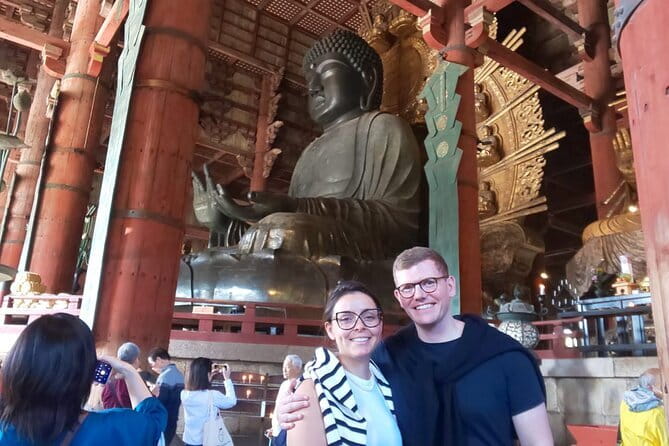
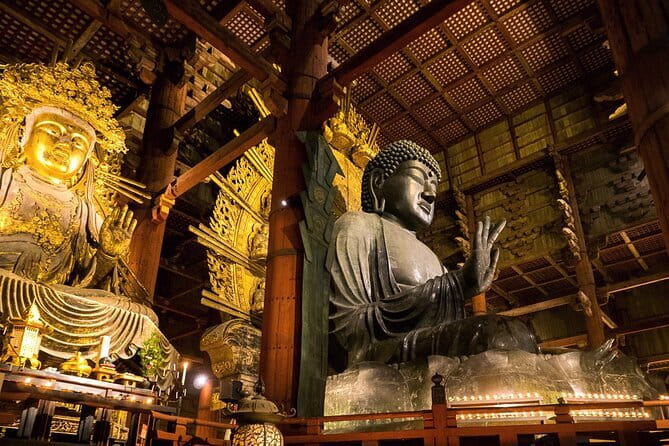
Todai-ji is one of Nara’s headline attractions, famous as a landmark of Japanese Buddhism and built in 752. This is the kind of place where scale hits first, then the details make sense afterward. Your guide’s job here is to translate what you see into something you can remember, like what the temple represented and why it matters historically.
Plan for admission not included at Todai-ji, so look at your day as part ticketed, part walking. The upside is that Todai-ji sets the tone instantly, and it pairs naturally with the next stop.
Right after, you’re in Nara Park, a large central green area established in 1880. Nara Park is where many major attractions cluster, including Todai-ji, Kasuga Taisha, Kofukuji, and the Nara National Museum. This stop is often free, which makes it a great “reset zone” if you need a slower pace between ticketed sites.
One practical tip for this section: even if you know deer are part of Nara, the real challenge is keeping your attention on the place, not just the moment. With your guide leading the day, you can enjoy the deer atmosphere while still moving through the temple approach and main viewpoints at a human speed.
Kasuga Taisha and Mt. Wakakusayama: shrine focus and viewpoint time
Kasuga Taisha is Nara’s most celebrated shrine, established around the same time as the capital era and dedicated to the deity believed to protect the city. This is the stop where the day starts to feel more spiritual than sightseeing. Your guide can explain what the shrine’s role meant locally, which makes it easier to look past just the surface of lanterns, paths, and sacred spaces.
Kasuga Taisha is listed as free, so it’s a strong choice if you want to keep ticket costs down while still hitting one of Nara’s anchor sites. Around this area, you also get a natural flow toward a landscape break.
That’s where Mt. Wakakusayama comes in. It’s a grass-covered mountain around 350 meters tall, positioned between Todai-ji Temple and Kasuga Shrine. The reward is unobstructed views over Nara, which is a nice change from being mostly surrounded by buildings and shrine walls.
Mt. Wakakusayama is listed with admission ticket not included, so budget a separate ticket if required for your chosen time. Also, because it’s a mountain, wear shoes you actually trust, not just clean-looking ones. Even with only about 30 minutes, the terrain can feel steeper than you expect.
Horyu-ji: early Buddhism and a quieter, older mood
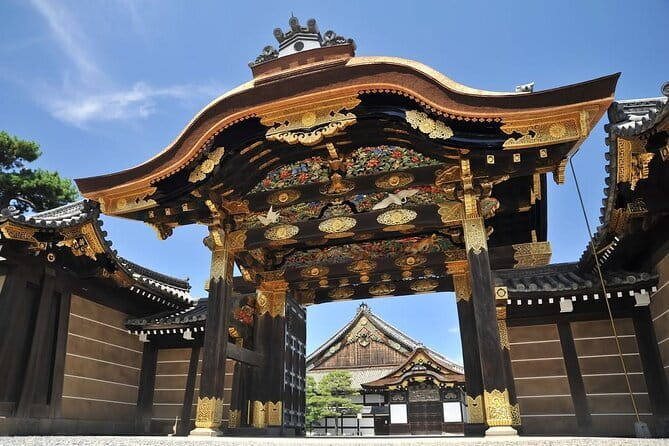
If you want Nara to feel deeper than deer-and-temples, Horyu-ji helps. It was founded in 607 by Prince Shotoku, who is credited with early promotion of Buddhism in Japan. This stop can add a different rhythm to your day because it carries an older, foundational feeling.
Horyu-ji is listed with admission ticket not included, so make sure you factor the cost into your route choice. The “why it’s worth it” is simple: it gives you early-context for the later Nara temples you might see on a standard day.
Time is tight at 30 minutes, so for this stop I’d aim to choose it if you want one major temple beyond the Todai-ji area. If your priority is parks, shrines, and gardens, you can skip it and still have a strong day.
Other ways to spend a day in Osaka
- Private Osaka Walking Tour: Highlights & Hidden Gems
★ 5.0 · 569 reviews - 3/4/5 Hours Private Tour in Osaka with Local Guide
★ 5.0 · 189 reviews - Osaka’s Best and Brightest: Private Full-Day Tour by Vehicle
★ 5.0 · 147 reviews
Naramachi, Kofuku-ji, and the Fujiwara connection
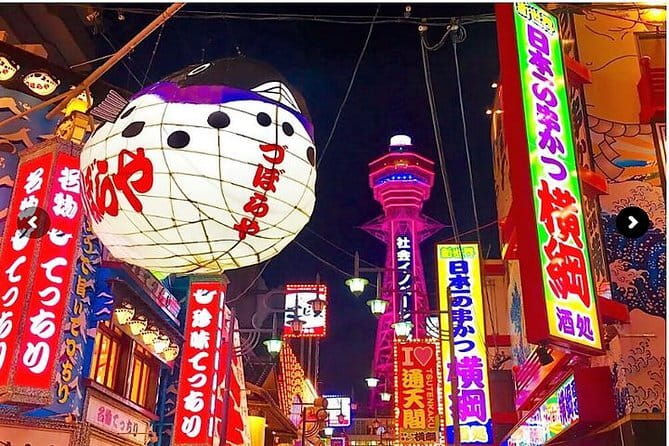
Naramachi is a former merchant district where traditional residential buildings and warehouses are preserved and open to the public. It is often where Nara stops feeling like a museum and starts feeling like a lived-in neighborhood. You’ll likely see boutiques and cafes here, which can be handy for a snack break when your next temple is still ahead.
Naramachi is listed as free, so it’s a good “low-cost, high-reward” choice. It also helps you balance the heavy temple concentration of the day. After the big, formal spaces, walking these streets feels like a natural palate cleanser.
Then there’s Kofuku-ji, which used to serve as the family temple of the Fujiwara clan, the powerful aristocrats of the Nara and Heian periods. This is a stop that connects religion to politics and social power, not just architecture.
Kofuku-ji is listed as admission ticket not included, so if you pick it, decide if you want a ticketed “major temple” moment or if you want to spend your paid time somewhere else. Either way, this stop gives Nara a layer that feels less obvious, and your guide can help make that connection quickly.
Yakushi-ji and Shin-Yakushiji: symmetry, recovery stories, and medicine
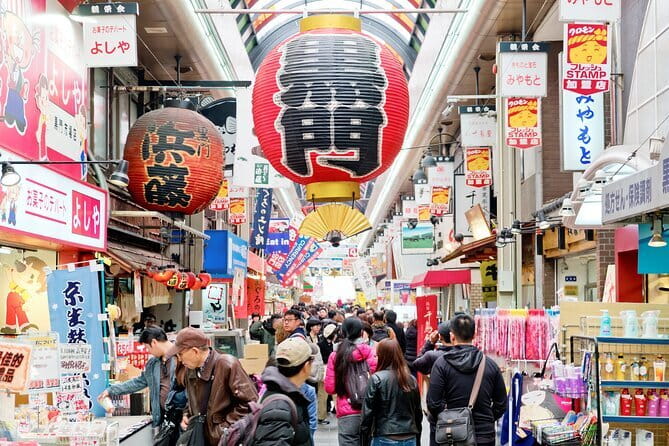
For a themed Nara day, consider the Yakushi cluster: Yakushi-ji, Shin-Yakushiji, and potentially Toshodai-ji. This is where the story shifts from empire and capital life into healing and devotion.
Yakushi-ji was constructed by Emperor Tenmu in the late 7th century for the recovery of the emperor’s sick wife. It’s also known for a strictly symmetric layout, which is the kind of design detail that becomes much more interesting when someone points it out. Admission is listed as not included, so again, choose it based on how many ticketed sites you want.
Shin-Yakushiji (also devoted to Yakushi Buddha) is tied to another recovery story. It was founded in the Nara period by an empress for the sake of an ailing emperor. It is devoted to Yakushi Buddha, the patron of medicine in Japanese Buddhism, which makes this stop feel like it has a clear emotional theme.
Both are admission ticket not included, so if you like meaning behind religious spaces, this is a strong set. If you prefer variety, you could choose just one of them and spend the remaining slot on a museum or garden.
Toshodai-ji and the story of Ganjin
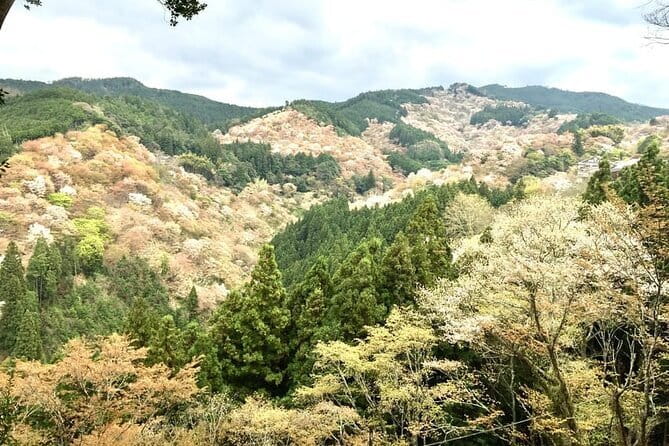
Toshodai-ji is founded in 759 by Ganjin, a Chinese priest invited to Japan by the emperor to train priests and improve Japanese Buddhism. This is a great stop if you want to understand how cultural and religious ideas moved across borders during Japan’s formative centuries.
It’s listed with admission ticket not included, so it’s another ticketed decision. In a day with only 3 to 4 stops, Toshodai-ji works best as your “big concept” stop, the one place where your guide can explain international connections in a way that makes Nara feel bigger than one city.
Nara National Museum and Heijo Palace Museum: when you want indoor clarity
If your legs need a break, museums can be a smart choice. Nara National Museum is in Nara Park and displays Japanese Buddhist art, established in 1889. This is a “look closer” stop, not a “walk around” stop, and it’s helpful when you want context for the temples you just saw or will see next.
The museum is listed with admission ticket not included, so you’ll pay separately. Still, it can be great value if you care about art, iconography, or why certain Buddhist styles matter.
Then there’s the Heijo Palace Museum. During the Nara period, Nara was the capital, known as Heijo-kyo. The palace it references extended about one kilometer wide and one kilometer long, and the museum helps you understand how large-scale governance worked in daily space.
This is also listed with admission ticket not included. Because you have limited time, choose Heijo Palace Museum if you want your day to include “how the state worked,” not just spiritual sites and gardens. It can be a perfect counterweight to temple visits.
Isuien and Yoshikien gardens: calm time that actually feels restorative
Nara can be busy, even when it’s beautiful. That’s why garden stops matter. Isuien is an attractive Japanese garden that uses borrowed scenery, including the way the view incorporates Todaiji’s Nandaimon gate and Mt. Wakakusayama. Isuien also means a garden found through water, which hints at how Japanese garden design pays attention to the feeling of place.
Isuien is listed with admission ticket not included. This is one of the spots where a guide’s pacing matters. You don’t want to rush, because part of the value is noticing sight lines and how the garden frames the bigger world.
Yoshikien is another garden option in central Nara, named after the Yoshikigawa River. It is built on the site of Kofukuji Temple’s former priests’ area, which ties the quiet beauty back to the religious life around it. Admission is also listed as not included.
If you want the day to feel human and not like a checklist, I’d prioritize one garden stop. Your guide, such as Kaeko in past experiences, has been noted for emphasizing how garden time creates peace, which is exactly what you’re buying when you pick a garden slot.
Practical pacing tips that keep your day stress-free
This tour is built around a walking rhythm. Each stop is about 30 minutes, so you will be walking between them, taking breaks, and letting your guide manage the route. That structure is helpful because it prevents your day from turning into a sprint.
Start by wearing comfortable shoes, since Nara Park and the shrine and temple areas can mean steady walking. Also, carry water because food and drink are not included, and you’ll likely want snacks between stops, especially if you choose Naramachi.
For tickets, plan mentally that many sites are admission ticket not included. Your best move is to decide in advance which 3 to 4 stops you most want. Then you budget for those admissions rather than treating the day like a fixed total.
Finally, I value how this program handles real-life moments. In one described experience, a guide helped a group get a phone back after it was left behind. It’s a reminder that a good guide is not just for history, it’s also for problem solving when small things go wrong.
Who this tour is for, and who should skip it
This tour fits best if you want English-speaking guidance and a day that feels organized without becoming rigid. It’s ideal for first-timers in Nara, couples, and small families who want to avoid language confusion and still see the major themes: Buddhist temples, shrine life, old town streets, and calm gardens.
It may be less ideal if you hate walking or you want a fully free day with zero ticket planning. Many of the most famous stops here list admissions not included, so you will be doing some extra budgeting.
Should you book this Nara 8-hour private tour from Osaka?
I’d book this if you want a day that feels both efficient and personal. A licensed guide, private pacing, and the ability to pick your exact 3 to 4 stops is a strong formula, especially in a place where temple etiquette and signage can slow you down if you travel on your own.
I would not book it as-is if you are trying to minimize extra admissions and want everything included in one price. In that case, you’ll still get Nara, but you might end up paying add-ons you didn’t plan for.
If you match the sweet spot, you get something genuinely useful: not just places, but context, and a Nara day that runs on your tempo.
FAQ
How long is the Nara private tour?
The tour runs for about 8 hours.
Is this a private tour?
Yes, it is private. Only your group participates.
What is included in the price?
A government licensed guide is included, along with a customizable private tour of 3 to 4 sights. Pickup is offered, and you’ll receive a mobile ticket.
Are temple or attraction admission tickets included?
No. The tour lists admission tickets as not included for several stops.
Where do we meet the guide?
You meet the guide on foot within a designated area in Osaka.
Can I choose which sights to visit?
Yes. The tour is customizable, and you can choose 3 to 4 sights from the available options.
Can I cancel for a refund?
Yes. You can cancel up to 24 hours in advance for a full refund.
Is the tour suitable for everyone, and are service animals allowed?
Most travelers can participate, and service animals are allowed. The tour is near public transportation.
Just added around Osaka
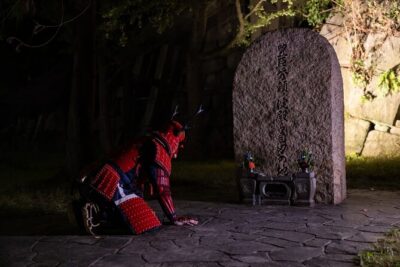

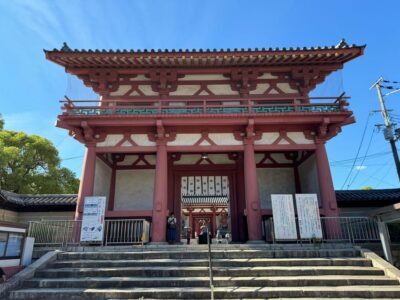
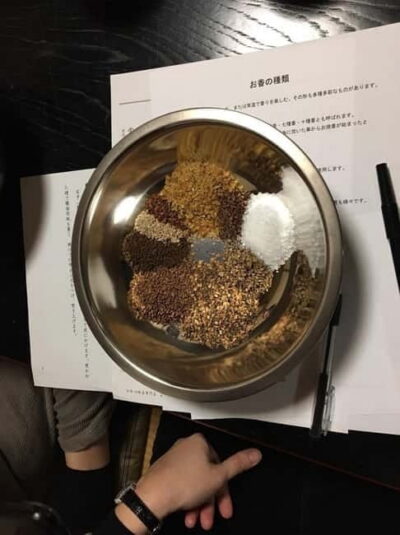
Day Trips to Nara from Osaka, compared.
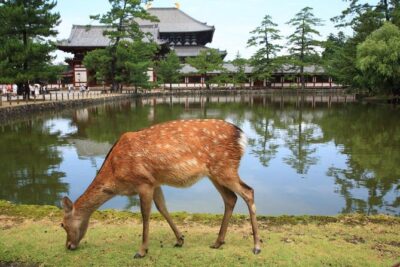
Ancient Capital Tour: Kyoto and Nara Highlights from Kyoto/Osaka
Read our review →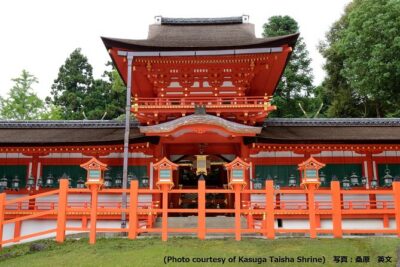

Kyoto & Nara Private customized tour with English speaking Guide
Read our review →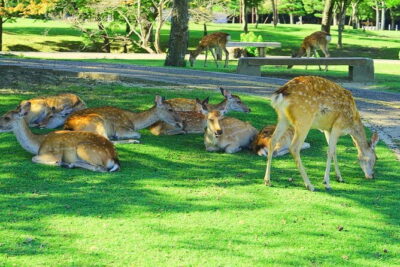
Kyoto and Nara UNESCO Highlights Full-day Tour From Osaka
Read our review →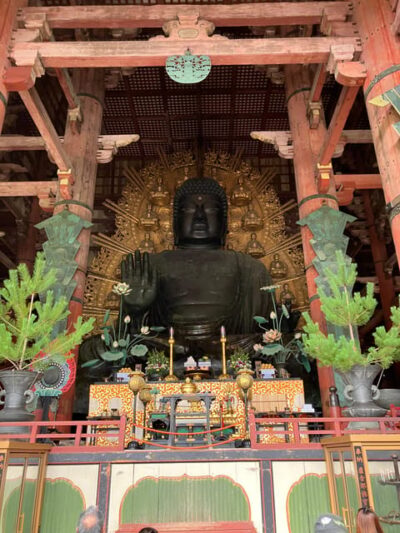
Kyoto & Nara & Uji: Full Day Sightseeing Tour from Osaka or Kyoto
Read our review →This tour also fits