
Reviewed · DAY TRIPS TO NARA FROM OSAKA
Nara and Osaka Highlights Private Day Trip with a Chartered Car
Osaka and Nara in one smooth, guided car. This private day tour stacks Osaka Castle and Dotonbori with classic Nara temples, plus a driver so you skip train transfers and can just focus on the sights.
I especially like the pacing. You get short, guided visits at each major stop, so you spend your time looking, not navigating. I also like the comfort factor of a charter car for a full 10 hours, and the fact that the tour includes entrance fees and lunch, with drinks left as your choice.
One thing to consider is the time you give up to a tight schedule. If you prefer long temple stays or lots of free wandering, the fixed stop times may feel a bit fast.
In This Review
- Key things to know before you go
- Why the charter car day trip is the smart way here
- Osaka Castle in 30 minutes, what you should actually look for
- Todai-ji Temple and the Great Buddha stop you can’t rush
- Kasuga Taisha and the UNESCO link that makes the details click
- Nara Park deer feeding plus a real break from walking
- Horyu-ji Temple in the afternoon, why I like this timing
- Lunch in Nara, with dietary options you can actually use
- Dotonbori at the end of the day, lights and atmosphere with purpose
- Price and value: what $458.37 per person is really buying
- Comfort, flexibility, and accessibility that should matter to you
- Who should book this Osaka and Nara charter tour
- Should you book this tour?
Key things to know before you go
- Private charter car keeps Osaka to Nara travel simple and low-stress
- Guided stops at major sights, with time for photos and quick orientation
- Nara Park deer feeding is built in, not an optional add-on
- All entrance fees and lunch included, so budgeting is easier
- Dietary requests for lunch are supported if you request in advance
- Accessibility support was handled well in at least one recent case, with wheelchair help coordinated
Why the charter car day trip is the smart way here
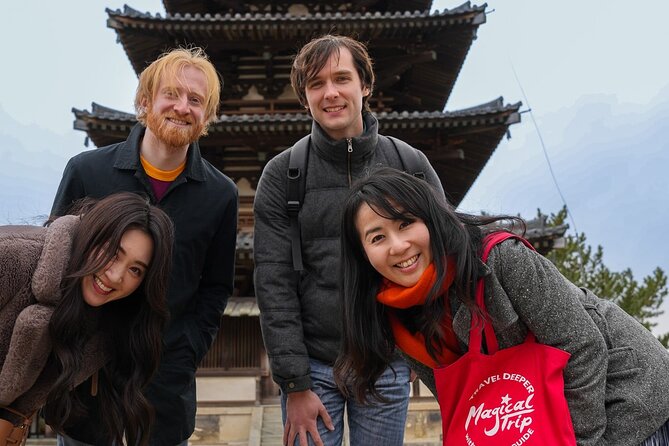
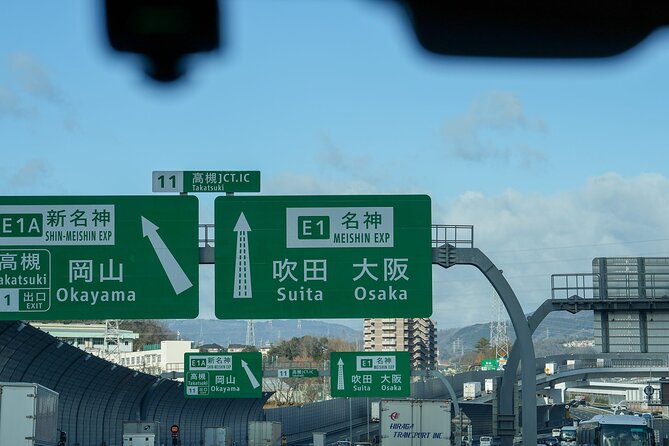
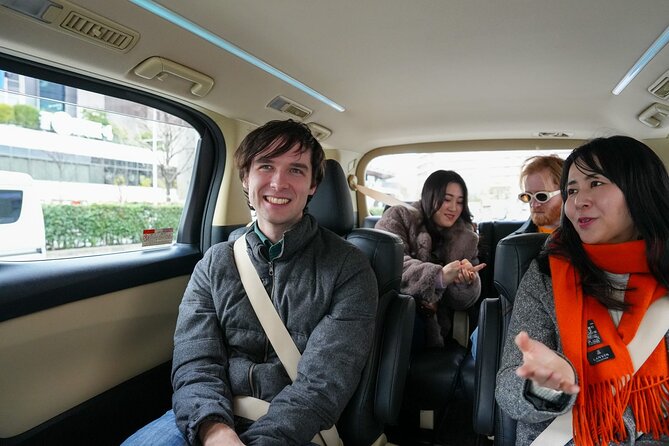
Osaka and Nara are close on a map, but in real life the train route, station walking, and transfers can add stress. This is a full-day program built around one thing: you ride in a private car with a driver, and your guide handles the flow between stops.
That matters because the schedule includes multiple major UNESCO-level sites and temple areas, plus an evening in Dotonbori. When you remove the transit headaches, you can use your brain for what you came for: history, temple details, deer, and the bright energy of Osaka at night.
It also helps that the tour starts in the morning (9:00 am listed) and runs about 10 hours. You get a full-day arc instead of squeezing Nara into a half-day bolt-on.
And since this is a private tour, the rhythm can work better for families, couples, and solo travelers who do not want to worry about meeting strangers or being left behind.
Deer that bow back, minutes from Osaka
- Ancient Capital Tour: Kyoto and Nara Highlights from Kyoto/Osaka★ 4.5 · 332 reviews
- Kyoto and Nara Day Trip from Osaka★ 4.0 · 175 reviews
- Discover Himeji, Kobe and Nara from Osaka★ 5.0 · 101 reviews
- Kyoto & Nara Private customized tour with English speaking Guide★ 4.5 · 99 reviews
- Kyoto and Nara UNESCO Highlights Full-day Tour From Osaka★ 4.5 · 50 reviews
Osaka Castle in 30 minutes, what you should actually look for
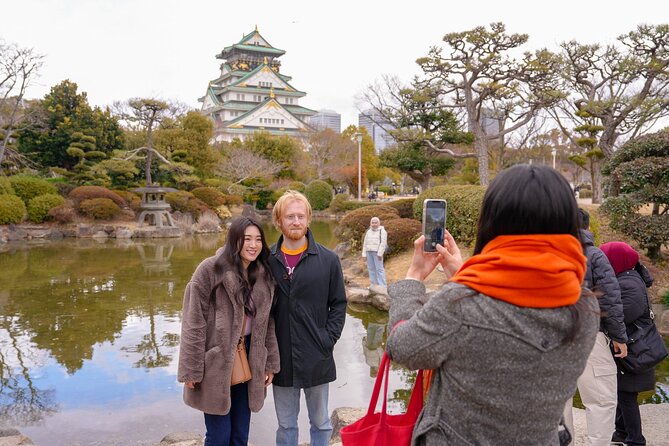
Osaka Castle is a quick hit, about 30 minutes, and admission is included. Even in a short visit, it is worth getting oriented before you go in deep.
Here is what the guide-focused context helps with. The castle’s origins connect to Toyotomi Hideyoshi. It was rebuilt under the Tokugawa shogunate, and later it was used as an army base during the Meiji period. Knowing that timeline makes the grounds feel less like just a big photo spot and more like a marker of how Japan’s power shifted over centuries.
In your 30-minute window, I suggest doing this in order:
1) Find the best viewpoint angle early for wide photos
2) Spend your middle minutes on the key historical display areas
3) Finish with a fast loop, so you do not miss small details you can later search for by name
If you love architecture or story-based history, a guide’s running commentary is a real advantage because you can connect what you see to why it matters.
Todai-ji Temple and the Great Buddha stop you can’t rush
Todai-ji is famous for the Great Buddha of Nara, and it is a full-on visual anchor for the whole day. You get about 30 minutes here, with admission listed as free.
What makes Todai-ji especially satisfying is the name itself tells you something. It is officially also known as Konkomyo Shitenno Gokokuji Temple, and the background includes its founding during the Nara period by Emperor Shomu in the 8th century.
In practice, 30 minutes is just enough time to:
- Identify the main hall area and the sightline to the Great Buddha
- Notice how people move through the space
- Take photos without trying to turn it into a 2-hour museum
If you are someone who needs quiet time at religious sites, this is one of the stops where a guide can help you find the right moment to pause, then move on before you feel rushed.
Kasuga Taisha and the UNESCO link that makes the details click

Kasuga Taisha is another 30-minute stop. Admission is listed as free, and the context matters here too.
The shrine is located in Kasugano-machi, Nara City, and it is part of the Cultural Properties of Ancient Nara on the UNESCO World Heritage List. When you hear that connection out loud while standing there, the visit stops feeling like a checklist and starts feeling like part of a bigger cultural system.
Kasuga Taisha is also a good change of pace after Todai-ji. Todai-ji is monumental and Buddha-centered. Kasuga Taisha tends to feel more like a living shrine space where you can slow down, notice the smaller shrine elements, and just absorb the atmosphere.
Keep your time focused. Since you have only around half an hour, pick one or two things you want to remember, then let the rest wash over you.
Nara Park deer feeding plus a real break from walking
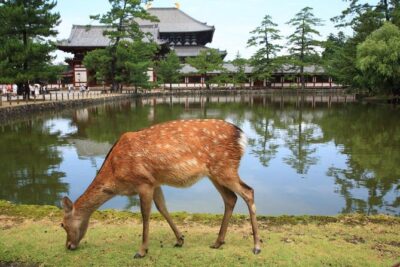
Nara Park is where the day becomes fun in a very direct way. You get about one hour here, and admission is listed as free. Deer feeding is included, and this is one of the most memorable parts of the itinerary.
If you have never done deer feeding in Nara Park, the big takeaway is this: plan to move carefully, watch your footing, and stay calm. Deer are not props, they are animals acting like animals.
A one-hour slot is the right length. It is long enough to:
- See the deer in the open areas
- Feed them without feeling rushed
- Take a breather after temple stops
You also get a little emotional payoff here. In a day full of temples, it is nice to have one stop that feels casual and human, where you can laugh and take photos without needing to understand every historical reference.
Other ways to spend a day in Osaka
- From Kyoto/Osaka: Kyoto Top Highlights 1-Day Guided Bus Tour
★ 4.5 · 714 reviews - Hiroshima & Miyajima 1 Day Bus Tour with Bullet Train Tickets
★ 4.5 · 105 reviews - From Osaka: Hiroshima and Miyajima Day Trip by Bullet Train
★ 4.6 · 83 reviews
Horyu-ji Temple in the afternoon, why I like this timing
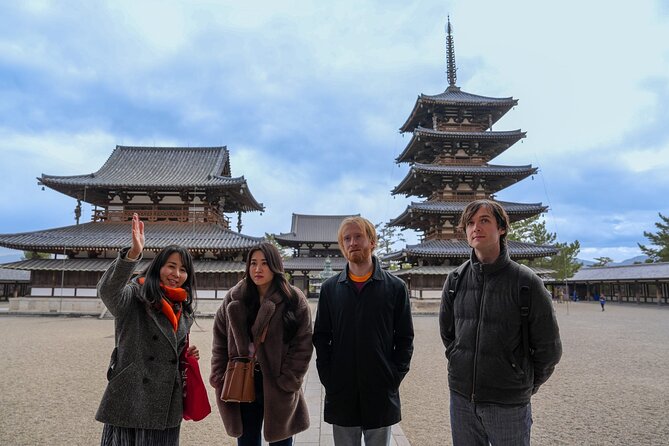
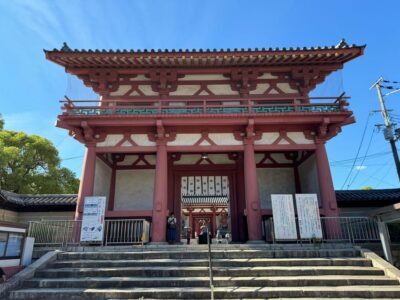
Horyu-ji Temple is associated with Prince Shotoku and is located in the Horyu-ji Mountains area in Ikaruga-cho, Nara Prefecture. You have about 30 minutes, and admission is listed as free.
This is a great afternoon stop because it tends to feel different from the earlier Nara Park and Todai-ji vibe. Horyu-ji has a calmer tone, and being tied to Prince Shotoku adds a thread you can follow. The stop being registered as a UNESCO World Heritage site also helps: it is not just a pretty temple, it is part of a globally recognized record of Japan’s early temple culture.
You may find 30 minutes is enough for a first-timer visit, especially when the guide helps you focus on the right areas. If you are the type who always wants one more viewpoint, plan on doing a few extra photos from whatever angle gives you the best overall sense of the complex.
Lunch in Nara, with dietary options you can actually use

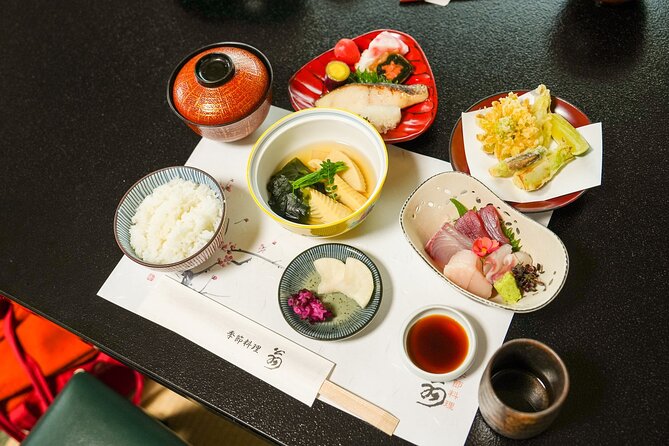
Lunch is included at the Nara stop, about one hour. Vegetarian, vegan, and gluten-free options are available if you request in advance.
That matters because in Japan, eating well with restrictions often depends on preparation. Here, you are not trying to wing it at a restaurant after a temple day. You know lunch is built into the plan, and dietary needs are supported ahead of time.
Because the schedule is tight, I treat this lunch hour like a reset. Eat enough to keep your energy steady for Dotonbori later. If you want to be strategic, ask your guide during the morning or before the meal where the lunch fits into the day so you can time bathroom breaks without stress.
Dotonbori at the end of the day, lights and atmosphere with purpose
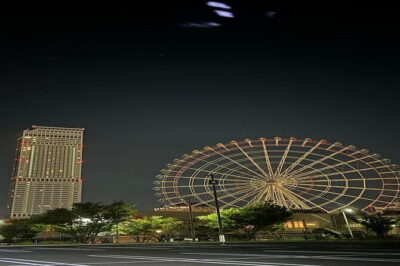
Dotonbori is the evening payoff: you get about one hour and the area is known for its famous signboards and media presence along Dotonbori Dori by the river.
The tour places Dotonbori after the Nara portion, which is smart. After temples and deer, you do not want another quiet culture site. You want energy, photos, and the feeling that Osaka is doing what Osaka does best.
In your one hour, do not try to do everything. Instead:
- Walk the main area for the iconic signage photos
- Pick one or two snack or drink stops based on your taste
- Leave time to just stand by the river and take it in
Also note this: entrance fees are covered, and lunch is included. Drinks in Dotonbori are your call, so you can keep spending under control and still enjoy the scene.
Price and value: what $458.37 per person is really buying
The tour price is listed at $458.37 per person, and it is a private day trip. That can sound steep until you look at the package.
You are paying for:
- A private charter car (not just a taxi, and not shared transit transfers)
- An expert guide who keeps the stops connected and understandable
- Admission for Osaka Castle included, and the other listed temple stops marked as free
- Lunch included
- Entrance fees included overall per the tour features
The value gets stronger if you hate wasting time on train transfers, if your group has a mix of ages, or if you want a schedule that actually works for a full day. It also helps when you are traveling with a mobility concern or just prefer less walking between distant points. One recent experience specifically praised the ability to adapt for a wife’s walking disability, including wheelchair help coordinated with the driver, with the guide named Yuka handling the accommodation details.
One consideration is that private pricing can vary in how it feels depending on who is in your group. If you can share the cost across multiple people, it often feels more reasonable. If you are solo, you are still getting a true private service, so you are essentially buying time saved and convenience purchased.
Comfort, flexibility, and accessibility that should matter to you
Private car tours can be a pure comfort upgrade, but the real test is whether support is practical.
A recent experience highlighted that Yuka, the guide, provided adaptation for a walking disability. The driver and vehicle were described as excellent, and the team requested to provide a wheelchair in advance. That simplified the day and helped everything run smoothly.
If you have mobility needs, this is the part I would take seriously when deciding. Ask questions early about pickup logistics, how you handle stairs or uneven ground at temple sites, and whether wheelchair support can be coordinated when needed.
Even if you do not require a wheelchair, this tour’s approach tends to be calmer because you are not battling transit crowds or station transfers.
Who should book this Osaka and Nara charter tour
This is a strong fit if you want:
- A single guided day that covers Osaka Castle plus the Nara temple classics
- Less time figuring out trains and more time seeing sights
- Lunch included, with diet options handled by request
- Evening time in Dotonbori for lights, photos, and food
It is also a good choice for families who want structure, and for couples who prefer a private schedule that does not feel like a crowded group scramble.
If you are a hardcore temple wanderer who wants long solo time, you might find the stop durations brief. Still, you can treat it as a best-of route, then return to your favorite place on another day.
Should you book this tour?
Book it if you want a low-stress, guided hits-and-highlights day that connects Osaka Castle, Todai-ji, Kasuga Taisha, Nara Park, Horyu-ji, and Dotonbori without you juggling transit.
Skip it or plan carefully if you know you need extra time at temples, or you dislike schedules where each stop is timed tightly. You will still get the big sights, but it is not built for endless wandering.
If you value comfort, clear guidance, and a plan that includes lunch and entrance fees, this one is worth serious consideration, especially given how the tour handled accessibility support through guide Yuka and coordinated wheelchair assistance.
Just added around Osaka

Day Trips to Nara from Osaka, compared.
Ancient Capital Tour: Kyoto and Nara Highlights from Kyoto/Osaka
Read our review →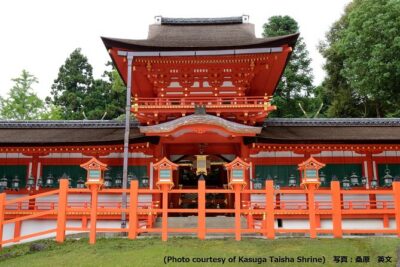
Kyoto & Nara Private customized tour with English speaking Guide
Read our review →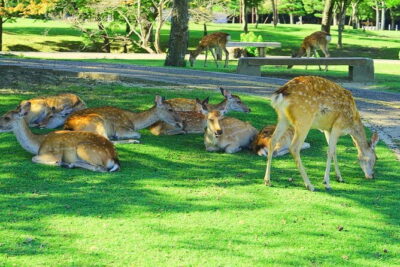
Kyoto and Nara UNESCO Highlights Full-day Tour From Osaka
Read our review →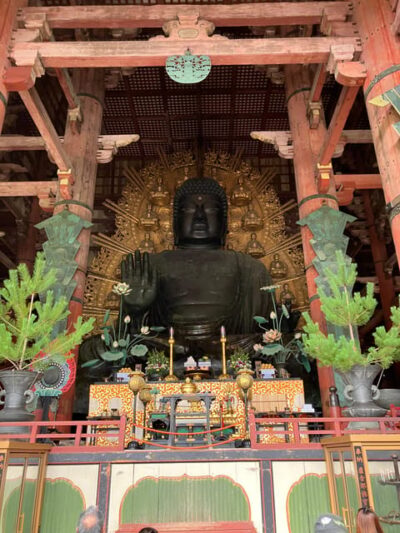
Kyoto & Nara & Uji: Full Day Sightseeing Tour from Osaka or Kyoto
Read our review →This tour also fits