
Reviewed · DAY TRIPS TO NARA FROM OSAKA
Nara Day Trip from Osaka with a Licensed Guide
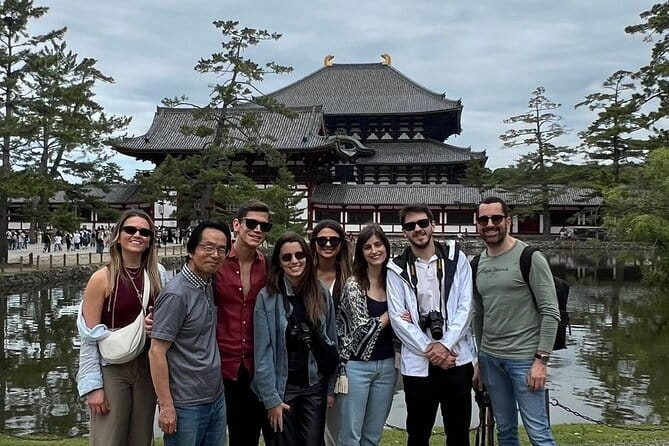
Deer, temples, and gardens, all in one day. This Nara day trip from Osaka pairs a smooth train plan with a national licensed English guide, so the big sights feel clear instead of confusing. I like the convenience of hotel pickup and the way the guide adds context at each stop. One heads up: it is a full 8-hour day with outdoor time around deer and gardens, so a hot afternoon can make pacing feel tougher.
You are not just ticking off landmarks. You are getting a traditional side of Japan that feels more relaxed than Tokyo and less rushed than Kyoto. Guides like Aki, praised for being patient with families, and Mark, noted for staying flexible on a very hot day, are the kind of leadership that helps you keep moving without feeling herded.
In This Review
- Key things to know before you go
- A private Nara day from Osaka, with hotel pickup and a timed plan
- Nara Park deer feeding and temple views, without losing your day
- Todai-ji Nandai Gate and the Great Temple visit that actually makes sense
- Kasuga Grand Shrine for a slower Shinto experience
- Isuien Garden and shakkei, borrowed scenery made visible
- Price and value: what $319 per person really covers
- Timing, heat, and walking: how to have a good day in Nara
- Who should book this Nara tour from Osaka
- Should you book this Nara Day Trip with a Licensed Guide?
- FAQ
- How long is the Nara day trip from Osaka?
- What does the $319 per person price include?
- Is hotel pickup included?
- Are lunch and personal expenses included?
- How much time do we spend at each major stop?
- What is the cancellation policy?
Key things to know before you go
- Hotel pickup plus train time: your day starts with meeting your guide in Osaka, then heading toward Nara by public transport.
- Nara Park deer, with crackers: you get the famous deer moment built into the schedule, not as an afterthought.
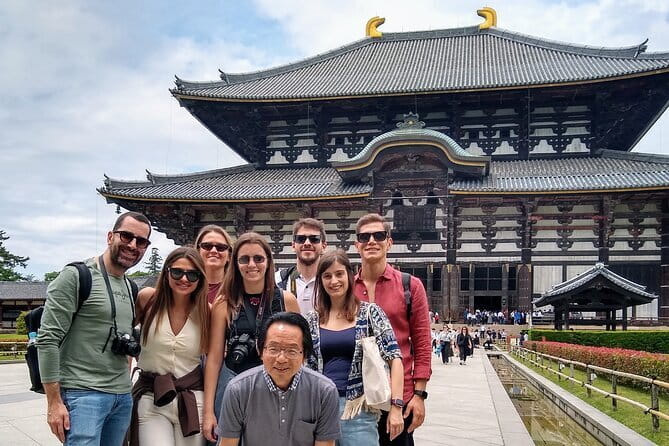
- Todai-ji in two parts: you see the huge Nandai Gate first, then spend focused time at Todaiji Temple.
- Kasuga Grand Shrine for atmosphere: a slower, longer stop (about 2 hours) for Shinto details.
- Isuien Garden is short, but special: a 30-minute visit to a garden known for shakkei, borrowed scenery.
A private Nara day from Osaka, with hotel pickup and a timed plan
This is built as a private tour, meaning only your group participates. That matters because Nara can get crowded, especially around the park and temple areas. With a guide, you can keep your day on track without constantly re-checking transit or walking routes.
The total duration is about 8 hours, and you’ll start by meeting your guide at your hotel in Osaka. From there, you head to Osaka Station and take the train to Nara. The schedule gives you travel structure, so you are not wandering for the first hour wondering what to do next.
One more practical point: the tour uses a mobile ticket. That is a small thing, but it reduces friction once you are on the move. Also, public transportation fees are included, so you are not stacking extra costs right after paying for the tour.
If you prefer a day that feels planned but not robotic, this format is a good match. If you want total free time to choose your own order and linger wherever the mood hits, you may feel slightly scheduled.
Deer that bow back, minutes from Osaka
- Ancient Capital Tour: Kyoto and Nara Highlights from Kyoto/Osaka★ 4.5 · 332 reviews
- Kyoto and Nara Day Trip from Osaka★ 4.0 · 175 reviews
- Discover Himeji, Kobe and Nara from Osaka★ 5.0 · 101 reviews
- Kyoto & Nara Private customized tour with English speaking Guide★ 4.5 · 99 reviews
- Kyoto and Nara UNESCO Highlights Full-day Tour From Osaka★ 4.5 · 50 reviews
Nara Park deer feeding and temple views, without losing your day
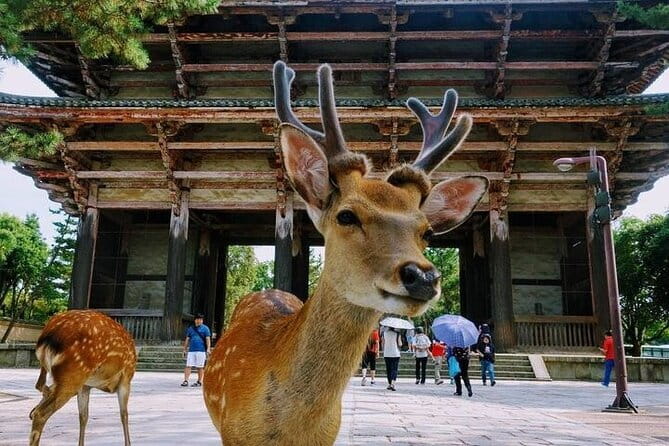
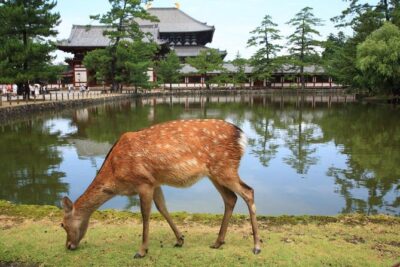
Your first major sightseeing block is Nara Park. This area is enormous, about 660 hectares, which is why it can feel both iconic and manageable at the same time. The big draw is the free-roaming deer, and the tour includes time to buy and use special deer crackers to feed them.
How to enjoy this stop:
- Expect the deer interaction to take longer than you think if you have kids or you want photos. Build in patience.
- Keep your snacks and food handled carefully. The deer are curious, and you do not want surprise moments around your own belongings.
- If it is hot, plan to pause often. The park is open, and shade is not always evenly spaced.
The schedule gives you about 1 hour at Nara Park, plus a transition to the next section of sights. That is long enough to get the deer moment you came for and still reach Todai-ji with energy.
A key value of a guided plan here is simple: the guide helps you not just see deer, but also understand what you are looking at, including how the deer and shrine-temple areas fit into Nara’s traditional flow.
Todai-ji Nandai Gate and the Great Temple visit that actually makes sense
Next up is Todai-ji Temple, with a split approach that I really like. You start at the Todai-ji Temple Nandai Gate, then you move into Todai-ji Temple proper.
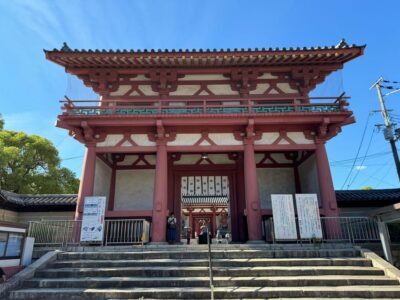
At the Nandai Gate, the tour focuses on the dramatic architecture: the gate is about 25 meters high, and you’ll notice the guardian kings standing in dark alcoves on both sides. This is one of those places where a guide can make a huge difference. Without context, you might admire the size and move on. With context, you start noticing details and symbolism.
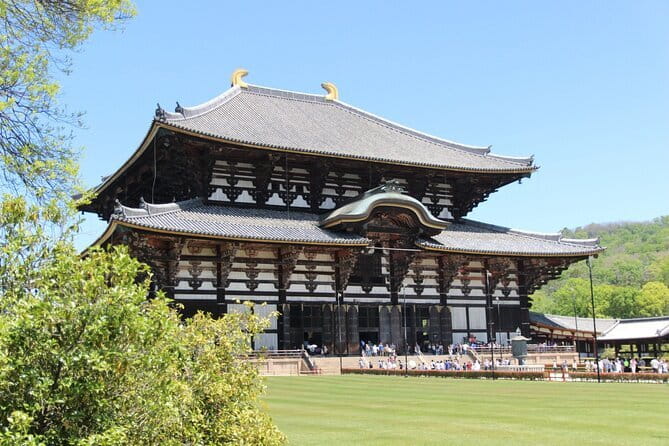
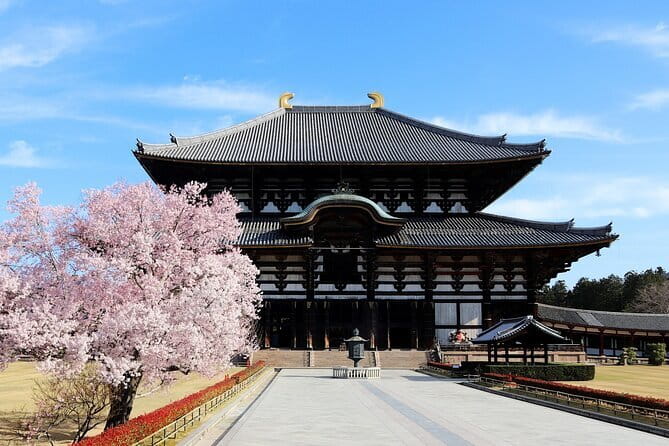
After that, you get about 1 hour 30 minutes at Todaiji Temple. The tour’s description highlights why this site matters: the temple was built in 752, and it became the head temple of Buddhist temples in Japan. That date is so early that it helps you understand why Nara feels like the roots of modern Japan’s religious and cultural story, not just an old-town vibe.
Practical timing note: 30 minutes at the gate plus 1.5 hours at the temple gives you enough time to look carefully without rushing. You will still be walking, and you should wear comfortable shoes. Even if you are not doing heavy hiking, temple days add up.
Tickets: the itinerary marks the Nandai Gate as free, and it marks Todai-ji Temple admission as included, so you avoid the common frustration of figuring out what is covered on-site.
Kasuga Grand Shrine for a slower Shinto experience
After Todai-ji, the itinerary shifts to Kasuga Grand Shrine (Kasuga Taisha). This is about 2 hours, which is a strong hint that the stop is not meant to be a quick photo break.
The shrine is described as one of Japan’s most sacred. It is known for numerous gods enshrined there, and it draws both locals and tourists. That matters because Kasuga Taisha does not feel like a museum. It feels like a living spiritual place, even as you do see plenty of visitors.
What you can expect from a guided visit:
- You’ll spend more time noticing shrine features instead of only looking for the biggest structures.
- The guide can help you separate what is visually impressive from what is spiritually meaningful.
- You get time to absorb the pace, so the shrine does not feel like a stop you zip through.
A realistic consideration: if you are traveling with kids, shrine time can feel slower than a park. However, the longer duration also means there is room for breaks, and a patient guide can keep the group from getting cranky.
Isuien Garden and shakkei, borrowed scenery made visible
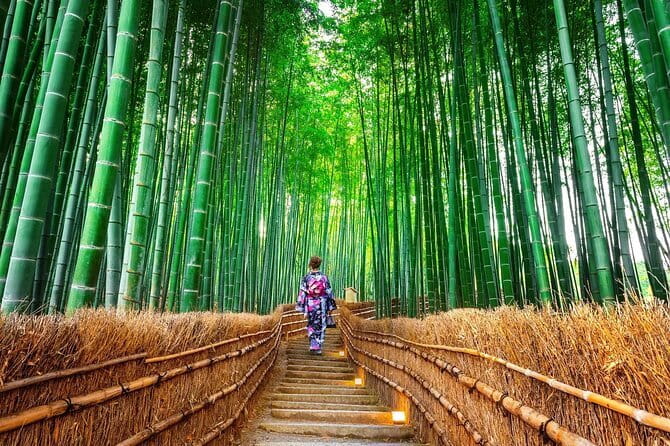
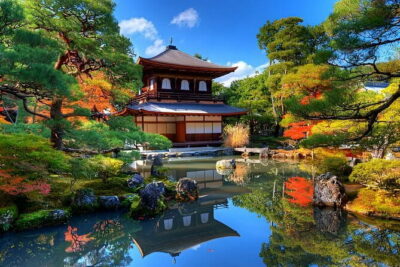
Your final sightseeing stop is Isuien Garden, with 30 minutes on the schedule. That is not a lot of time, but it is enough if you focus on the garden’s signature idea: shakkei, or borrowed scenery.
The tour notes that the garden uses the surrounding landscape, including Mt. Wakakusa, as part of the view. In plain terms, the garden is designed so the background becomes part of the composition. This is a different kind of sightseeing than temples, where you look at buildings and statues. Here, the main “object” is the picture you get when the garden and the outside world line up.
How to make your 30 minutes count:
- Treat it like a viewpoint challenge. Pause more than you walk.
- Pick one or two spots to stand and look, instead of trying to see everything at once.
- If the weather is clear, the borrowed scenery concept can feel especially rewarding.
The itinerary marks Isuien Garden admission as included, so you can spend your attention on the garden rather than ticket logistics.
Other ways to spend a day in Osaka
- From Kyoto/Osaka: Kyoto Top Highlights 1-Day Guided Bus Tour
★ 4.5 · 714 reviews - Hiroshima & Miyajima 1 Day Bus Tour with Bullet Train Tickets
★ 4.5 · 105 reviews - From Osaka: Hiroshima and Miyajima Day Trip by Bullet Train
★ 4.6 · 83 reviews
Price and value: what $319 per person really covers
At $319 per person, this is not a budget hop. But the value is real if you add up what is included.
What you get included:
- A national licensed English-speaking guide
- Hotel pickup
- Public transportation fees
- Admission fees for the stops that require them
Excluded:
- Lunch, estimated around $10 to $20 per person
- Personal expenses
Here is the key way to think about the cost: you are paying for convenience and interpretation. Nara can be easy to reach, but it is not always easy to read. The guide helps you move from place to place, and you also get context at major stops like Todai-ji.
If you plan to visit Todai-ji and Kasuga Taisha anyway, and you want an English guide plus smooth transport, the price starts to look more sensible. If you are the type who likes to wander freely, speak no English, or would rather spend the day in DIY mode, you may find cheaper alternatives.
Still, for families, first-timers, or anyone who wants to make Nara feel organized, this pricing can be a practical trade.
Timing, heat, and walking: how to have a good day in Nara
This day is listed for moderate physical fitness. Translation: you do not need to be a runner, but you should expect walking on uneven ground and spending time outdoors.
One theme from the experience description is hot weather resilience. The tour schedule includes deer and open areas in Nara Park, so heat can be the factor that slows everyone down.
My advice:
- Start hydrated. Then hydrate again mid-day.
- Wear breathable clothes and comfortable shoes that handle steady walking.
- Bring small hand towels or tissues. Deer feeding can get messy, and you will feel better if you are prepared.
- Use the guide’s pace. If it is getting too hot, a good guide will adjust timing so you still get the major highlights.
Also, the itinerary notes it may change due to weather or other reasons. That is normal for outdoor city days. The guide format helps you absorb those changes without your day falling apart.
Who should book this Nara tour from Osaka

This tour is a strong fit if you want:
- A structured first visit to Nara with English interpretation
- The major big-name highlights, including Nara Park, Todai-ji, Kasuga Grand Shrine, and Isuien Garden
- Hotel pickup and public transport support so you do not lose time figuring things out
It also fits well for families. One reason is the guides have been described as patient, which matters when kids need a slower rhythm.
Adventure seekers can also enjoy it, because the deer interaction and the “garden picture with borrowed scenery” gives you variety, not just one type of sightseeing.
The only group that might hesitate is someone who hates any schedule at all. This is a full-day itinerary, about 8 hours, and it is designed to cover multiple major areas efficiently.
Should you book this Nara Day Trip with a Licensed Guide?
If you are going to Nara for the first time from Osaka and you want the day to feel organized, I would lean toward booking. The combination of hotel pickup, a national licensed English guide, and admission and transport support makes it easier to enjoy the sites instead of managing logistics.
Book it especially if:
- You want to understand what you see at Todai-ji and Kasuga Taisha
- You are traveling with kids or prefer a smoother pace
- You would rather pay for convenience than plan trains and admissions yourself
Skip it or look for another option if:
- You want a fully free-form day with lots of unscheduled time
- You are extremely price sensitive and do not value a guided explanation
- You are uncomfortable with a long hot day outdoors, even with breaks
FAQ
How long is the Nara day trip from Osaka?
It runs for about 8 hours (approx.).
What does the $319 per person price include?
It includes a national licensed English-speaking guide, public transportation fees, hotel pickup, and admission fees (where the itinerary lists them as included).
Is hotel pickup included?
Yes, hotel pickup is offered.
Are lunch and personal expenses included?
No. Lunch is not included, and it is estimated at about $10 to $20 per person. Personal expenses are also not included.
How much time do we spend at each major stop?
You have about 1 hour at Nara Park, about 30 minutes at Todai-ji Temple Nandai Gate, about 1 hour 30 minutes at Todai-ji Temple, about 2 hours at Kasuga Grand Shrine, and about 30 minutes at Isuien Garden.
What is the cancellation policy?
You can cancel for a full refund up to 24 hours before the experience starts. If you cancel less than 24 hours before, the amount paid is not refunded.
Just added around Osaka

Day Trips to Nara from Osaka, compared.
Ancient Capital Tour: Kyoto and Nara Highlights from Kyoto/Osaka
Read our review →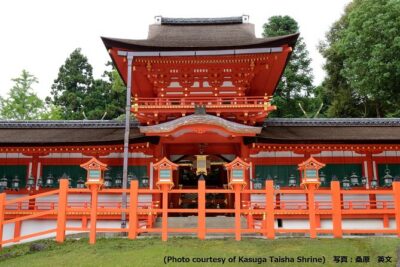

Kyoto & Nara Private customized tour with English speaking Guide
Read our review →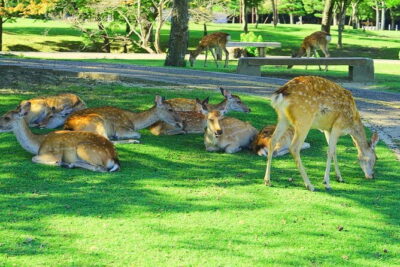
Kyoto and Nara UNESCO Highlights Full-day Tour From Osaka
Read our review →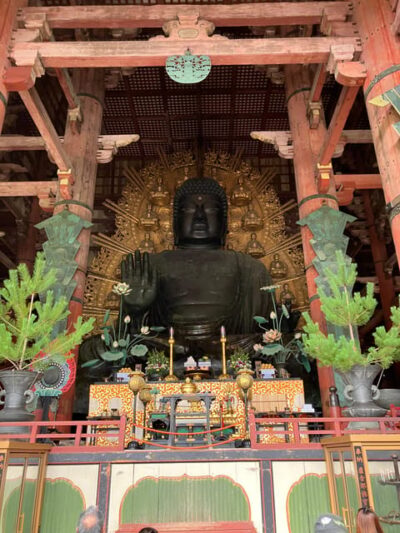
Kyoto & Nara & Uji: Full Day Sightseeing Tour from Osaka or Kyoto
Read our review →This tour also fits