Reviewed · DAY TRIPS TO KYOTO FROM OSAKA
Nara : Private Day Walking Tour (From Osaka/Kyoto Possible)
Nara is the kind of day that feels different fast. You’ll walk through UNESCO temples and then spend real time with the area’s famous deer in Nara Park. It’s a private, customizable route, so you can slow down for photos or speed up if you already know what you want.
Two things I like a lot: first, the mix of big-ticket sights like Todai-ji’s Great Buddha and the quieter art-focused stop at Kofuku-ji. Second, the deer time in Nara Park, which turns temple legs into park legs and keeps the whole day feeling playful rather than stiff.
One possible drawback to plan for: this is a walking city tour, not a full inside-monument experience, so if you’re hoping for lots of interior rooms or long guided explanations inside every building, you may want to ask your guide how the day is paced for your interests.
In This Review
- Key Highlights You Should Know Before You Go
- Why Nara Works as a 6-Hour Walking Day from Osaka or Kyoto
- Meeting Your Private Guide and Getting Tickets Sorted
- Stop 1 Kofuku-ji Temple: The Ashura Statue and UNESCO Calm
- Stop 2 Todai-ji Temple: The Great Buddha and Nandaimon Gate
- Nara Park Deer Time: Fun, Rules, and Best Moments for Photos
- Kasuga Taisha and the National Treasure Hall: Red Shrines and Art
- Pace, What You Will See, and What You Should Plan Around
- Price and Value: What You Pay For and What You Get
- Guide Quality Matters, So Choose Your Expectations
- Who This Tour Fits Best (and Who Might Want a Different Style)
- Should You Book This Nara Private Walking Tour?
- FAQ
- How long is the Nara private walking tour?
- Is this tour private?
- Can you be picked up from a hotel?
- Are entrance tickets included?
- Will the tour be only walking?
- Are food and drinks included?
- What is the cancellation policy?
Key Highlights You Should Know Before You Go
- Private and customizable: it’s just your group, and you can shape the route within the main sights
- UNESCO stops in a tight loop: Kofuku-ji, Todai-ji, and Kasuga Taisha are all on the same day plan
- National Treasures as your anchors: like the Statue of Ashura and the Kongo Rikishi at Nandaimon Gate
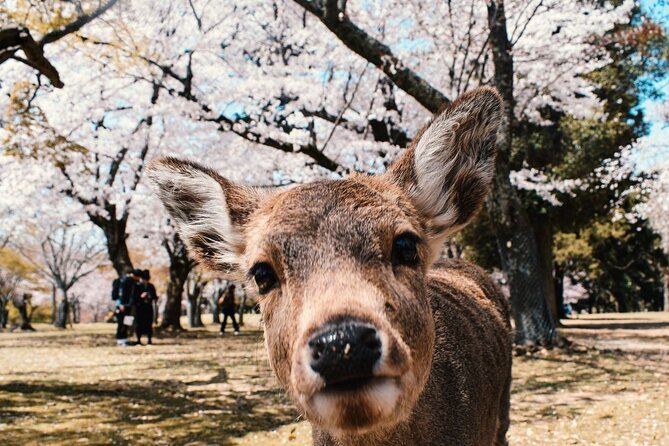
- Nara Park deer, up close: feeding is part of the fun, and it’s a very different vibe from Kyoto temples
- Ticket help included: the team supports booking for the visits you choose
- Multi-language, in-person guide: English, Spanish, or French speaking
Why Nara Works as a 6-Hour Walking Day from Osaka or Kyoto
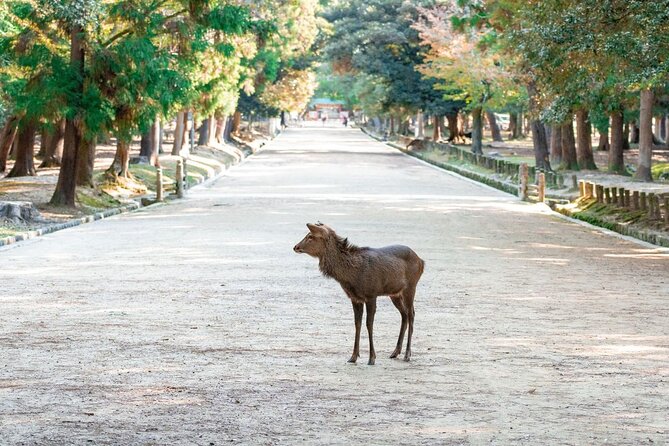
Nara is ideal for a day trip because the best sights cluster together. This tour is built around a 6-hour walking block that keeps you moving through the core atmosphere of the city, not bouncing around with long transfers every hour.
If you’re coming from Osaka or Kyoto, you’ll likely value the simple rhythm: meet up, start with a major temple, stack another iconic temple, then switch to nature and deer. It turns what could be a temple marathon into a day with a clear emotional arc, awe first, then laughter, then calm again.
Also, this is one of those rare days where “walking” is actually the best way to do it. You’re not rushing from one far-flung landmark to another. You’re moving through Nara’s temple neighborhoods and then out into a park that people visit for the mood as much as the photos.
Deer that bow back, minutes from Osaka
- Ancient Capital Tour: Kyoto and Nara Highlights from Kyoto/Osaka★ 4.5 · 332 reviews
- Kyoto and Nara Day Trip from Osaka★ 4.0 · 175 reviews
- Discover Himeji, Kobe and Nara from Osaka★ 5.0 · 101 reviews
- Kyoto & Nara Private customized tour with English speaking Guide★ 4.5 · 99 reviews
- Kyoto and Nara UNESCO Highlights Full-day Tour From Osaka★ 4.5 · 50 reviews
Meeting Your Private Guide and Getting Tickets Sorted
You meet your guide at your chosen pickup point, which can be your hotel if you’re in Osaka, Kyoto, or Nara, or another designated location. That matters because it removes the need to coordinate trains or a meet-up at a busy junction.
You’ll also get practical help from the team to book tickets for the desired visits. The route is structured so the key stops are included, but ticketing support reduces stress, especially if you’re trying to make the day fit your timing.
The tour is private and exclusive, meaning you won’t share the experience with other groups. In plain terms, that usually means two good things: your pace is yours, and you can ask questions without feeling like you’re holding everyone back. The tour is also offered with English, Spanish, or French speaking guides, so you can actually understand what you’re seeing, not just point at it and hope.
Stop 1 Kofuku-ji Temple: The Ashura Statue and UNESCO Calm
Kofuku-ji Temple is a UNESCO World Heritage Site and a strong opener for a reason. You start your day with a place that gives you context for Buddhist art before you hit the bigger, showier spectacle later.
You’ll spend about an hour and a half here. The big attraction is the Statue of Ashura, listed as a National Treasure. Even if you’re not a sculpture specialist, it’s the kind of piece that makes you slow down because it’s detailed and symbol-heavy. It also sets up a useful contrast for later, when Todai-ji’s Great Buddha becomes your scale lesson.
One more practical note: this is described as a city tour, not a tour inside every monument. So while there’s temple ground to explore and you’ll focus on the major highlights, don’t expect a long, room-by-room interior tour at every stop. If you care about interiors, it’s worth asking your guide what’s realistic given the time and the focus of the route.
Stop 2 Todai-ji Temple: The Great Buddha and Nandaimon Gate
Todai-ji is the stop most people remember. It’s another UNESCO site, and it’s built for impact.
You’ll spend about an hour and a half. The visual headline is Japan’s largest Great Buddha statue, housed within the temple complex. This is where the day’s tone shifts from “nice temples” to full-on, stand-back-and-look status.
Before you even reach the Buddha, you get a great photo and interpretation anchor at the Nandaimon Gate. That includes the Kongo Rikishi statue, which frames the entrance with fierce, protective energy. It’s one of those details that makes a landmark feel more alive, because it’s not just architecture, it’s characters in stone.
If you like architecture plus symbolism, Todai-ji hits both. If you’re short on attention span for explanations, the scale still does the heavy lifting. The Great Buddha is the kind of sight that works even when you’re tired from walking.
Admission is listed as free for this stop, so the main “cost” is time and energy. Plan to arrive with comfortable shoes and a camera ready for wide angles as well as close-ups at the gate area.
Nara Park Deer Time: Fun, Rules, and Best Moments for Photos
Then you step into Nara Park, and the whole day gets lighter. This is the stop people often call out as the difference-maker because it turns your visit into an experience, not just sightseeing.
You’ll have about an hour and a half here. Nara Park is known for its population of wild deer, and feeding them is part of the popular activity. The deer are famously tame and friendly, and that matters for families and first-timers. It’s one of those rare travel moments where people laugh even if they thought they only came for temples.
A practical thing to keep in mind: because deer are wild, you’ll want to follow your guide’s lead on how close to get, how to move, and how to handle any feeding. The tour includes guidance and timing, which is helpful because it keeps the park portion from turning into chaos.
Best-photo logic, simple and useful: you’ll get better shots when you’re not rushing. Walk a little, pause often, and let the deer come into your frame rather than constantly chasing them. If your day schedule allows, earlier park time often feels calmer, but the tour’s flow already groups your deer time after Todai-ji.
This is also a great moment for younger travelers. In past experiences, a parent and child pair particularly loved this shift from temple awe to deer fun, and it’s easy to see why.
More temples, thirty minutes up the line
- Osaka/Kyoto: Hiroshima Miyajima Bus Tour & Shinkansen Ticket
★ 4.7 · 919 reviews - From Kyoto/Osaka: Kyoto Top Highlights 1-Day Guided Bus Tour
★ 4.5 · 714 reviews - Osaka/Kyoto: Amanohashidate & Miyama Tour with Boat & Lunch
★ 4.6 · 207 reviews
Kasuga Taisha and the National Treasure Hall: Red Shrines and Art
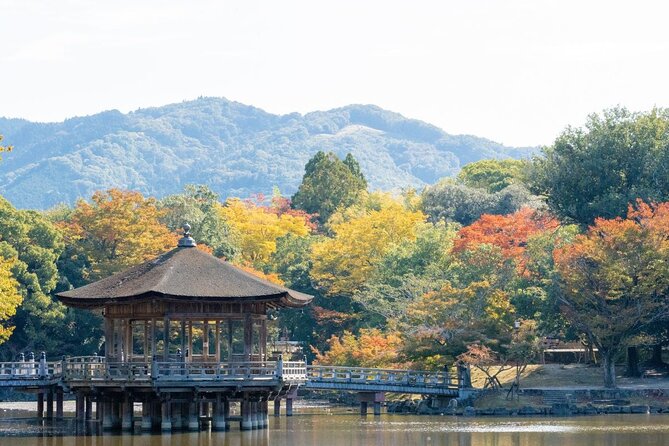
After the park, you shift back to spiritual architecture at Kasuga Taisha. Like the other major stops, it’s UNESCO-listed, and it brings a different look to the day.
You’ll spend about an hour and a half. The main shrine is known for its striking red architecture, and it creates a visual change from Todai-ji’s big, bold presence. The colors help the day feel varied, not repetitive.
The itinerary also includes the Kasuga-Taisha National Treasure Hall. This is where you’ll see valuable Buddhist art and artifacts tied to the shrine’s cultural importance. If you like having at least one stop that feels more like an art and object lesson, this is the place.
Keep your expectations aligned with the tour style. Since it’s a walking city tour, the focus is on key areas and highlights rather than an all-day interior marathon. Still, the National Treasure Hall gives you a chance to slow down and connect the dots between symbols and shrine culture.
When the day ends here, you’ll feel like you saw Nara’s range, from sculpture and gate guardians to deer energy and shrine architecture.
Pace, What You Will See, and What You Should Plan Around
The whole tour runs about 6 hours with four main stops, each roughly 1.5 hours. That’s a good pace for most people, especially if you’re combining major highlights without spending half your day on transit.
Because it’s private and customizable, your guide can help you adjust. If you’re the type who loves photos, you’ll likely want a bit more time at Todai-ji gate angles and Nara Park close-ups. If you prefer understanding what you’re looking at, you’ll do best by asking for a quick interpretation at each stop, especially around the National Treasures.
One thing to internalize: the tour is explicitly described as a city tour, not a tour inside the monuments. So if your personal travel style is “I want deep interior access everywhere,” this may feel lighter than you expect. On the other hand, if you want the best Nara highlights with less friction, this structure is exactly the point.
A smart move is to wear shoes you can walk in comfortably for hours. The temples are major, but you’re also doing transitions between sites and spending time on foot inside the grounds and park.
Price and Value: What You Pay For and What You Get
At $174.29 per person, this isn’t a budget stroll. But for a private guided day built around four major stops, it can be good value if it matches what you want from the day.
Here’s where the value comes from:
- You’re paying for a private, exclusive guide experience, not a crowded group pace.
- You get customization, meaning you can steer your time toward what you actually care about.
- Hotel pickup is included for Osaka, Kyoto, or Nara, which can save time and coordination.
- Ticket booking help is included, which reduces the “admin time” you spend figuring things out.
What’s not included also helps you plan. Food and drinks are on you, and transport during the tour is your own expense. Tips are optional.
So the best way to think about the price is this: you’re buying a smooth, guided, high-efficiency day where you don’t have to stitch the logistics together yourself. If you enjoy traveling with structure and want someone to help you see what matters, the cost starts to make sense.
If you’re a total DIY traveler who already knows exactly how to time Nara sights and you don’t need ticket help, you might find other options cheaper. But if you want an easy win day with built-in pacing, this is the kind of tour that saves energy.
Guide Quality Matters, So Choose Your Expectations
A private tour is only as good as the guide you get. In one case, a guide was described as not sharing much beyond basic links, with little insight into the sites. In other cases, guides like Kokoro and Hugo were specifically praised for being helpful and guiding the day well.
You can’t control everything, but you can protect yourself by setting your expectation early. I’d suggest asking your guide one simple question at the start like:
- What is the one detail you want me to notice at Kofuku-ji?
- What story should I connect to the Great Buddha at Todai-ji?
If your guide answers with specifics, you’re in great shape. If they only point at what you could find online, you can still enjoy the sights, but the day may feel more like a walk with directions than a guided experience.
Who This Tour Fits Best (and Who Might Want a Different Style)
This tour is a great fit for you if you want:
- a private day with a flexible pace
- the big Nara highlights in one run, without thinking too hard about logistics
- a day that includes both temples and an actual fun break with the deer
It’s also a solid choice if you’re traveling from Osaka or Kyoto and want something structured for about a half day to full day window.
You might want to consider a different format if:
- you expect long, inside-heavy monument tours at each site
- you want lots of deep interpretation, stop by stop, rather than a highlight-based approach
- you’re traveling with a very strict budget and don’t value guide time
For most people, the mix hits the sweet spot: meaningful UNESCO temples plus the playful Nara Park deer stop that turns a sightseeing day into a memory day.
Should You Book This Nara Private Walking Tour?
I’d book it if you want a smooth, guided Nara day with four iconic stops and the deer experience built in. The private setup, hotel pickup option (for Osaka, Kyoto, Nara), and ticket help are real practical wins, especially if you’re not in the mood to plan transit and entry details.
I’d hold off if you’re chasing a heavy, inside-monument experience every time you enter a temple. This tour is more about walking the city, seeing the highlights, and keeping the day moving at a comfortable pace.
If you do book, do one smart thing: arrive ready to ask your guide for specific details you care about. When the guide is on, the day can be magical, and the deer stop alone can make the whole trip feel worth it even if temples aren’t your top priority.
FAQ
How long is the Nara private walking tour?
The tour is about 6 hours.
Is this tour private?
Yes. It’s a private, exclusive tour, and only your group participates.
Can you be picked up from a hotel?
Hotel pickup is offered if your accommodation is located in Osaka, Kyoto, or Nara. You can also meet at another designated location.
Are entrance tickets included?
Admission ticket entries are listed as free for the main stops on the itinerary. The tour also includes help from the team to book tickets for the desired visits.
Will the tour be only walking?
Yes, it’s a walking tour with city strolling between the main sights.
Are food and drinks included?
No. Drink or food is not included.
What is the cancellation policy?
You can cancel for a full refund up to 24 hours in advance of the experience start time. If you cancel less than 24 hours before, you will not receive a refund.
More Walking Tours in Osaka
- Osaka Local Foodie Walking Tour in Dotonbori and Shinsekai★ 5.0 · 985 reviews
- Osaka: Deep Backstreets Walking Tour with Dinner Option★ 4.9 · 902 reviews
- Ultimate Osaka Walking Tour: Castle, Dotonbori & Hidden Gems★ 5.0 · 862 reviews
- Osaka: Main Sights and Hidden Spots Guided Walking Tour★ 4.9 · 702 reviews
Just added around Osaka

Day Trips to Kyoto from Osaka, compared.
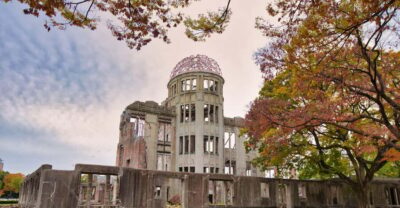
Osaka/Kyoto: Hiroshima Miyajima Bus Tour & Shinkansen Ticket
Read our review →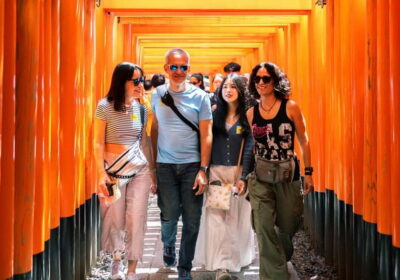
From Kyoto/Osaka: Kyoto Top Highlights 1-Day Guided Bus Tour
Read our review →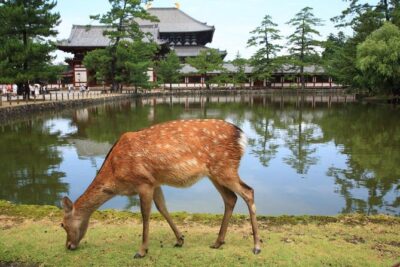
Ancient Capital Tour: Kyoto and Nara Highlights from Kyoto/Osaka
Read our review →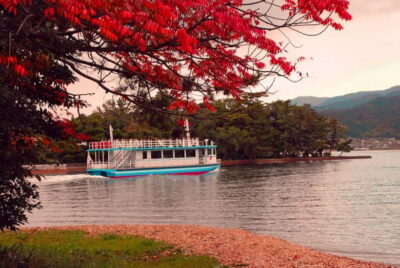
Osaka/Kyoto: Amanohashidate & Miyama Tour with Boat & Lunch
Read our review →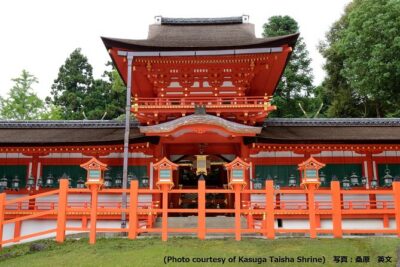

Full Day Tour of Kyoto with Private Transportation
Read our review →