
Reviewed · DOTONBORI EXPERIENCES
Nostalgic Osaka walk, totally different from Dotonbori
Osaka has a quieter side than you expect. This nostalgic walking tour trades Dotonbori crowds for older neighborhoods, shop windows tucked into side streets, and everyday local life you can actually see on foot. You also get a guide who helps you spot what most people walk right past.
What I like most is the mix of traditional crafts and local shopping along the way, from tatami-making to century-old bonito. I also like the pacing of the small-group format, which makes it easier to ask questions and move through narrow areas without turning them into a spectacle.
The main thing to consider is that this is real walking, including slight uphill or downhill stretches. You’ll also be in quiet residential lanes, so you need to keep voices down and follow the guide’s lead.
In This Review
- Key highlights at a glance
- Why this walk feels different from Dotonbori neon
- Small-group pacing, 2 hours of real walking, and what to bring
- Meeting point and how the route stays simple
- Stop 1: Inoue Seijosho and why tatami starts the story
- Stop 2: Karahori Shopping Street, machiya lanes, and everyday Osaka
- Stop 3: a hidden café in a renovated old house
- Stop 4: Maruyo-shoten and the long timeline of bonito
- Stop 5: Ek Chuah chocolate in Karahori’s Kura shop
- Stop 6: Len – Karahori Residence, a renovated residence turned shopping complex
- The hidden café alley and the moat wall you can still see
- What you learn from Chieko-san style guiding (and why it matters)
- Food, drinks, and shopping: how to handle it without derailing the tour
- Price and value: why 36.13 for 2 hours can make sense
- Who this tour suits best
- Should you book the Nostalgic Osaka walk?
- FAQ
- How long is the tour?
- Is it offered in the morning or afternoon?
- What does the price include?
- How big is the group?
- Where do we meet, and does the tour end nearby?
- What if I arrive late or there is poor weather?
Key highlights at a glance
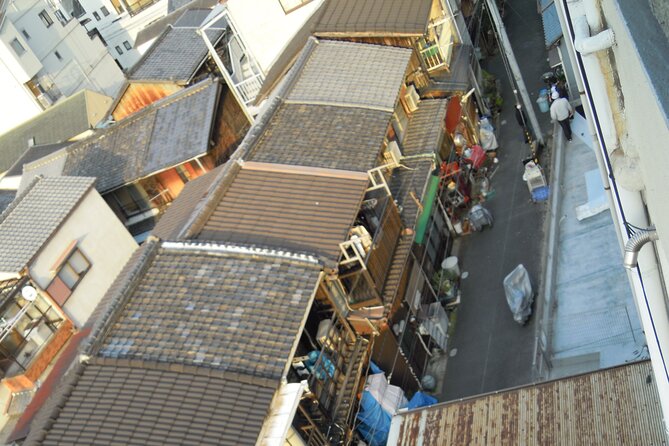
- Karahori, the “old Osaka” feel: narrow streets, preserved machiya, and a slow neighborhood vibe
- Craft stops that explain what you’re looking at: tatami materials, how they’re made, and why it matters
- Local shopping streets, not tourist traps: daily-life shops and artisan makers
- Renovated houses turned into mini destinations: cafés and shop spaces in older buildings
- Built-in navigation and context: a local guide helps you understand terrain, walls, and old structures
- Small group size (max 6): more conversation, fewer crowds, more respect for the lanes
Why this walk feels different from Dotonbori neon
Dotonbori is all lights, noise, and big-ticket food stops. This tour goes in the opposite direction, toward places where Osaka feels more residential and historical. Instead of chasing the next famous photo spot, you slow down and notice the shape of the neighborhood.
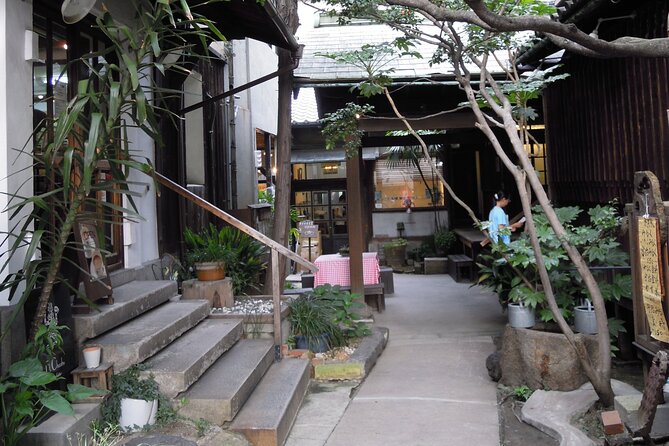
You’ll spend time in Karahori, an area known for older houses (machiya) and a street layout that still tells a story. The result feels less like sightseeing and more like you’re borrowing a local’s route for an afternoon stroll.
If you like Japan at street level, this kind of Osaka tour tends to land better than a “check the landmarks” day. You get to practice reading the city visually, with a guide pointing out details you might otherwise miss.
The glowing strip everyone photographs
- Osaka Local Foodie Walking Tour in Dotonbori and Shinsekai★ 5.0 · 985 reviews
- Osaka: Dotonbori District River Cruise with Drink Discount★ 4.2 · 876 reviews
- Ultimate Osaka Walking Tour: Castle, Dotonbori & Hidden Gems★ 5.0 · 862 reviews
- Tea Ceremony Experience in Osaka Doutonbori★ 5.0 · 754 reviews
- Osaka: Ramen and Gyoza Cooking Class in Dotonbori★ 5.0 · 378 reviews
Small-group pacing, 2 hours of real walking, and what to bring
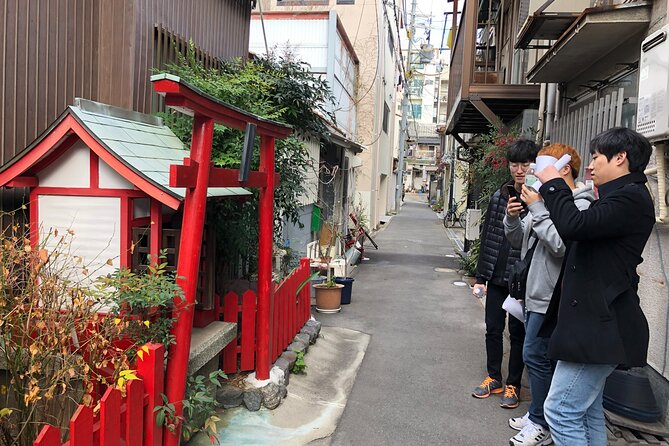
This is a 2-hour walking tour with options in the morning or afternoon, so you can plug it into your schedule without losing your whole day. The group stays small, up to 6 travelers, which matters in narrow alleys and residential pockets.
The tour includes bottled water, which is a small detail that still feels considerate on a walking route. What you should bring is the basics: comfortable shoes, a light layer (weather can shift), and cash or a card if you want to shop.
Also plan for movement. Some parts include slight uphill or downhill from the overall walking route, so sneakers are not optional. If you’re sensitive to stairs or uneven pavement, tell your guide early so they can help manage the pace.
Meeting point and how the route stays simple
The meeting point is at 6-chōme-2-24 Tanimachi, Chuo Ward, Osaka (542-0012), and the tour ends back at the same location. That means you can usually plan your Osaka day with less anxiety about how far you’ll end up from your next plan.
Because it’s near public transportation, it’s also easier to join without complicated transfers. If you’re navigating Osaka by train, this kind of start-stop loop keeps things from turning into a maze.
The guides emphasize staying on schedule too. If you arrive more than 15 minutes late, you can’t join the trip so the group doesn’t get delayed. It’s a small rule, but it protects the flow of the route in narrow places.
Stop 1: Inoue Seijosho and why tatami starts the story
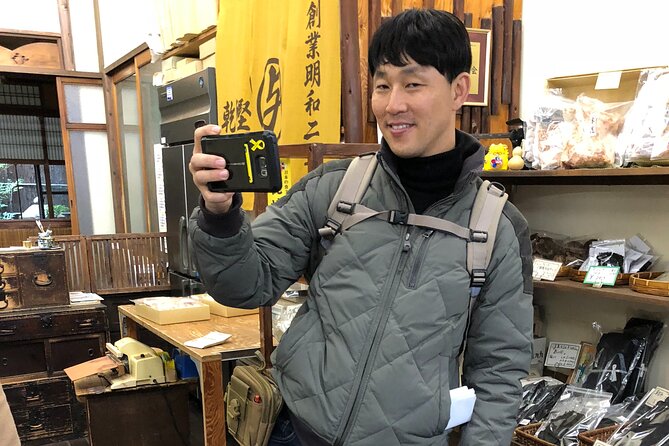
Your first stop is Inoue Seijosho, where you’ll see how tatami mats are made. You can watch the master show tatami materials and the tatami making machine. There’s something satisfying about seeing a craft move from raw material to the finished feel of a home interior.
Tatami is one of those things visitors notice but rarely understand. Here, you get the “how” behind the “what,” and that makes the rest of the day more meaningful. When you later see older houses, machiya details, or traditional interiors, your brain already has a reference point.
The stop is about 10 minutes and the admission ticket is free, so it doesn’t eat your time. It works as a warm-up, too, because you get orientation to the local craft mindset right away.
Stop 2: Karahori Shopping Street, machiya lanes, and everyday Osaka
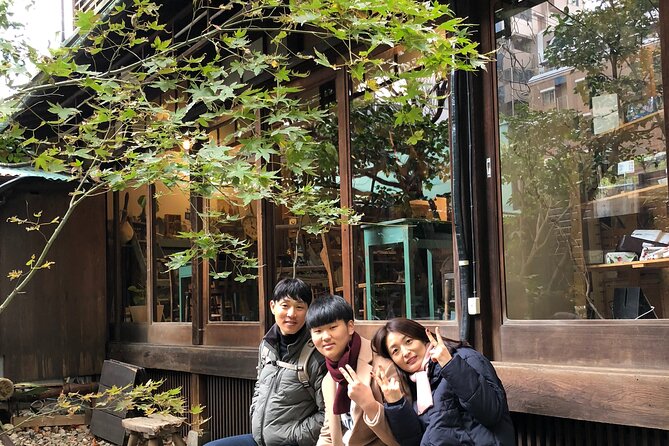
Next is Karahori Shopping Street, a daily-life shopping strip where you can feel like a local for a while. This is where the neighborhood character shows up, with old houses and machiya that are over 100 years in the area.
You’ll walk through lanes that feel quieter than the big tourist corridors. The point is not just to look, but to understand how people actually shop and move through their own streets. This stop is the bridge between “traditional craft” and “living neighborhood.”
It lasts about 1 hour, which gives the guide enough time to explain what you’re seeing and route you through interesting side streets. If you like street-level observation, this is one of the best sections of the tour.
A practical note: because these are narrow residential streets, you’ll want to keep your walking rhythm steady. Don’t stop suddenly in the middle of a lane, and always follow what the guide signals.
Other ways to spend a day in Osaka
- Osaka: Deep Backstreets Walking Tour with Dinner Option
★ 4.9 · 902 reviews - Osaka: Main Sights and Hidden Spots Guided Walking Tour
★ 4.9 · 702 reviews - Private Osaka Walking Tour: Highlights & Hidden Gems
★ 5.0 · 569 reviews
Stop 3: a hidden café in a renovated old house
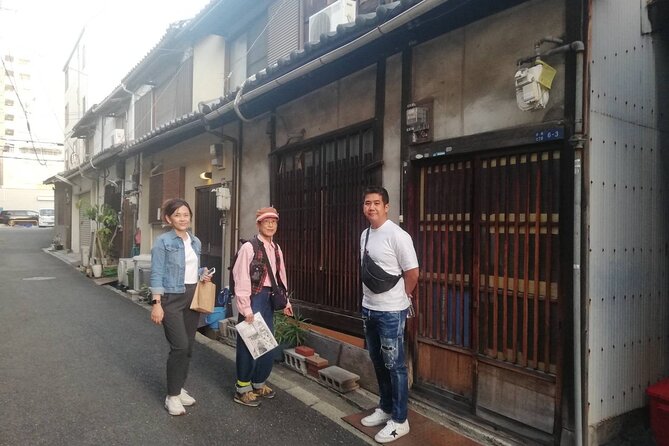
At クーデリーカフェ, you’ll get a short stop, about 15 minutes, at a café tucked inside a renovated older building. The idea here is simple: you don’t just see old Osaka, you see how people reuse older structures today.
This is also a chance to look for items you might not find at airport souvenir shops. If you enjoy small, local-focused stores, this kind of stop often becomes a highlight because it feels personal and not mass-produced.
Admission is free, but the guide may point you toward what’s available. If you want to buy food or drinks, you’ll handle it yourself, since meals are not included.
Even if you skip purchases, it’s still a good palate break. Walking is great, but your brain needs a moment to sit with what you’ve learned.
Stop 4: Maruyo-shoten and the long timeline of bonito
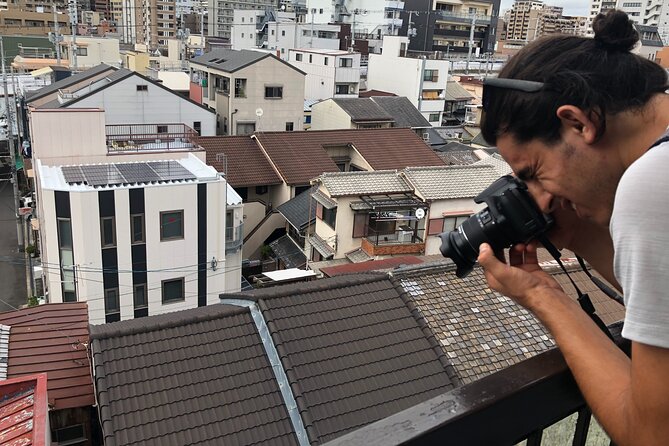
Next is Maruyo-shoten, a bonito shop established in 1765, meaning it has over 250 years of history. The short stop is about 5 minutes, and the payoff is in the focus: what authentic bonito looks like and how it fits into Japanese food culture.
Bonito can feel mysterious if you only know it as “fish flakes” in a restaurant dish. Here, you get a quick, direct way to connect the product with tradition and craftsmanship.
Because the stop is brief, it doesn’t turn into a sales pitch that drags your day. It’s positioned like a snapshot, so you learn without losing momentum.
Stop 5: Ek Chuah chocolate in Karahori’s Kura shop
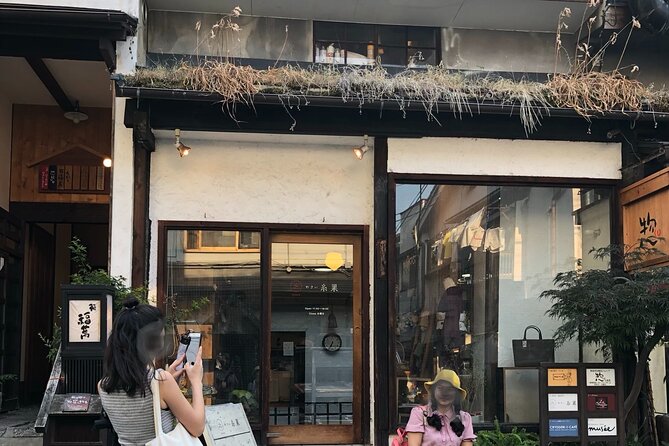
After that comes chocolatier Ek Chuah, specifically the Karahori “Kura” Main Shop. Another 5-minute stop, and yes, it’s meant for chocolate lovers. The emphasis is on taste and on finding something tied to local retail rather than chain distribution.
This is the kind of stop that helps justify doing a guided route. You’re not just learning about the neighborhood, you’re getting access to shops that you likely wouldn’t find on your own. And if you do buy something, it becomes a souvenir you can actually remember with flavor.
Like the other shopping stops, admission is free. You buy if you want, otherwise you can enjoy a quick look and keep rolling.
Stop 6: Len – Karahori Residence, a renovated residence turned shopping complex
The final featured shopping stop is Len – Karahori Residence Refurbished Commercial Complex. You’re visiting a traditional house that’s been renovated into a shop complex, which means you get both architecture and retail in one short stretch.
This stop is about 10 minutes. It’s especially useful if you’re shopping for something that feels like it belongs to Osaka, not something that could be sold anywhere in Japan.
Look for small items and gifts rather than trying to do a big haul. With a walking tour, your bag space becomes a real factor, and the guide’s suggestions help you avoid buying things that don’t travel well.
The hidden café alley and the moat wall you can still see
The tour also includes a hidden café in an alley, and right beside it you can see Osaka Castle original moat wall. The wall remains from the 15th century, which is one of those details that makes you stop walking for a second, even if the group is moving.
This is the part of the tour where the guidance feels most valuable. The moat wall is not exactly something you would reliably locate if you were just wandering. With a local guide, the neighborhood structure becomes legible.
The tour is designed so that the “old Osaka” story keeps getting reinforced in small ways, not crammed into one big monument stop. That’s a big reason the experience scores so highly for history lovers and photo-free travelers alike.
What you learn from Chieko-san style guiding (and why it matters)
Many walks give you facts. This one leans more toward explaining everyday context: how the streets connect, how the old terrain shows where the moat had been, where wall sections remained, and how authentic machiya survive both in repair and in reformed use.
When I think about why people rave about this tour, it’s not only the sites. It’s the way the guide keeps the route respectful and readable, including greeting local people and making sure you don’t disrupt residents during the quiet path segments.
A key tip: when the walk turns into hidden paths, act like you’re visiting someone’s neighborhood, not a theme park. Keep voices low and don’t crowd doorways or private areas. The tour explicitly asks you not to disturb residents, including older neighbors still living in the area.
Food, drinks, and shopping: how to handle it without derailing the tour
The tour includes bottled water, but meals are not included. That means you’re free to buy snacks or eat on your own at local shops and cafés along the way, but you’ll want to plan your budget accordingly.
Coffee and tea are also not included. If you need a caffeine break, treat it as your add-on choice rather than a built-in perk. On the other hand, the route includes café moments, so you won’t feel like you’re stuck walking hungry for the entire two hours.
For shopping, expect small artisan shops and renovated spaces. The big advantage is variety of “local gift” options that feel less like mass retail. If you care about bringing home items with a story, this route does a better job than buying from large convenience-style stores.
The practical strategy is to decide early what you want: something edible like bonito or chocolate, a small craft-related item, or a souvenir tied to local architecture. Then shop with intention during the short stops.
Price and value: why 36.13 for 2 hours can make sense
The price is listed at $36.13 per person for about 2 hours in a group of up to six. On paper, it’s not “cheap,” but value in walking tours often comes from the parts that save you time and confusion.
You’re paying for:
- Someone local to route you through the quieter Karahori streets
- Context so the history feels understandable, not random
- Access to craft and shop stops you might not locate on your own
- A small group that keeps the experience calm and personal
Also, the tour includes bottled water, and most stops are free to enter. That helps you avoid hidden add-on costs at each location.
If you’re the type who gets frustrated trying to find the one alley that matters, guided navigation is worth real money. If you love strolling without structure and you already know exactly where to go, you might feel like you could do it alone. For most people, though, this route hits a sweet spot between guided structure and neighborhood freedom.
Who this tour suits best
This tour is a strong fit if you:
- Want a calmer, older side of Osaka that isn’t dominated by Dotonbori
- Like neighborhood walking and small shops over big attractions
- Enjoy crafts and food culture details like tatami and bonito
- Prefer small groups and conversation time with the guide
It might feel like a mismatch if you:
- Need step-free routes the entire time (the tour involves walking with some gentle uphill or downhill)
- Want a mostly seated, low-walking experience
- Are hoping for a single mega site like Osaka Castle’s main halls as your main stop
Should you book the Nostalgic Osaka walk?
I think you should book if your Osaka plan includes time for “local life” and you want your day to feel different from the usual neon circuit. This tour is built around Karahori, old streets, renovated houses, and the kind of details you can’t easily pull together without a guide.
I’d skip it if you want a super low-effort sightseeing day, or if your schedule is tight enough that arriving late by more than 15 minutes would be likely. Timing matters because the guide works to respect other guests and residents.
If you do book, treat it like a neighborhood visit: wear comfy shoes, keep your voice down in the hidden lanes, and come with an open mind about crafts and smaller shops.
FAQ
How long is the tour?
It runs for about 2 hours.
Is it offered in the morning or afternoon?
Yes. You can choose either a morning or an afternoon tour based on your schedule.
What does the price include?
The tour includes bottled water. Meals, and coffee or tea, are not included.
How big is the group?
The tour has a maximum of 6 travelers.
Where do we meet, and does the tour end nearby?
You meet at 6-chōme-2-24 Tanimachi, Chuo Ward, Osaka 542-0012, Japan, and the tour ends back at the meeting point.
What if I arrive late or there is poor weather?
If you’re late by more than 15 minutes, you can’t join the trip to respect other guests’ time. The experience requires good weather, and if it’s canceled due to poor weather, you’ll be offered another date or a full refund.
Just added around Osaka


Dotonbori Experiences, compared.

Osaka Local Foodie Walking Tour in Dotonbori and Shinsekai
Read our review →
Dotonbori District River Cruise with Drink Discount
Read our review →
Ultimate Osaka Walking Tour: Castle, Dotonbori & Hidden Gems
Read our review →

Dotonbori River Cruise with Glico Sign & Neon Views
Read our review →

Roll and Authentic Sushi Making Class in Dotonbori
Read our review →This tour also fits