
Reviewed · DOTONBORI EXPERIENCES
Tea Ceremony Experience in Osaka Doutonbori
Tea ceremonies in Osaka feel oddly perfect. You get matcha training, etiquette lessons, and a quiet pause from the neon-and-noise of Dōtonbori, all inside about 45 minutes.
I like that this isn’t a show you stand outside and watch. You learn the culture and history, then you make and drink your own tea. I also like the human touch from hosts I saw on different days, including Kazu and Mai, who keep things warm, clear, and interactive.
One thing to consider is that it is small and structured, so it may not suit very young kids. If you’re traveling with a child under 5, the regular plan may not allow them to enter, so you’ll want to plan ahead.
In This Review
- Key highlights to know before you go
- A calm tea room in loud Dōtonbori
- Finding the exact meeting spot on Dōtonbori’s streets
- What your 45 minutes actually includes
- Etiquette lessons you’ll remember after the last sip
- Making matcha, then drinking it the right way
- Sweets, kids, and caffeine-free matcha milk
- Small-group attention, and why your host matters
- Price and value for what’s included
- Who should book this matcha ceremony in Osaka
- Should you book Tea Ceremony Osaka The Osaka?
- FAQ
- How much does the tea ceremony in Osaka cost?
- How long is the Osaka tea ceremony experience?
- Where is the meeting point in Dōtonbori?
- What will I do during the class?
- Is there a caffeine-free option for children?
- Are there age restrictions for children?
- What is the maximum group size?
- Can I cancel and get a full refund?
Key highlights to know before you go
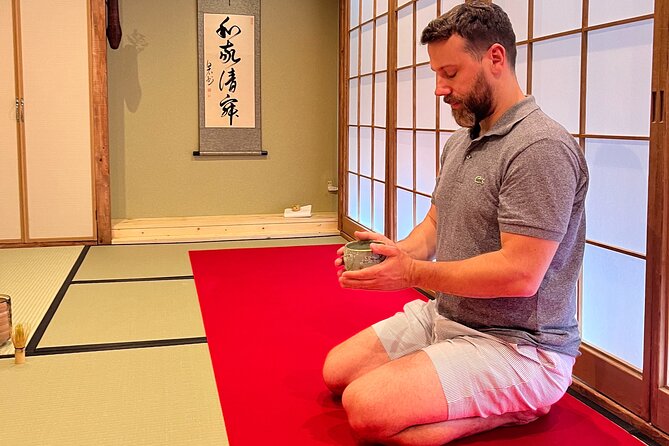
- Hands-on matcha: Watch the ceremony, then make and drink your own bowl
- Small-group feel: Maximum 15 travelers, so you’re not lost in a crowd
- Family-friendly options: Caffeine-free matcha milk for children is available
- Etiquette and context: You learn serving, drinking, and the story behind the ritual
- Central Osaka location: It’s in Dōtonbori, close to public transportation
A calm tea room in loud Dōtonbori
Dōtonbori is famous for its lights, crowds, and constant motion. This experience gives you a different Osaka side, the one where people slow down on purpose. The contrast is the point, and it works fast.
You’ll step into a space where the attention is on ceremony rules, tools, and how to treat the moment with care. One of the best parts is that you’re not just listening. You’re doing, tasting, and getting feedback while you practice.
If you’re visiting Osaka for food and street energy, this is a smart counterbalance. It’s also a solid pick when you want something cultural that still feels light and friendly.
Slow down for a bowl of matcha
- Osaka: Tea Ceremony Experience★ 4.9 · 1,426 reviews
- Matcha Making Class in Osaka with Authentic Japanese Sweets Set★ 5.0 · 509 reviews
- Osaka: Matcha Making Experience with Japanese Sweets★ 5.0 · 146 reviews
- Osaka: Japanese Traditional Sweets Making and Tea Ceremony★ 4.7 · 118 reviews
- Osaka Temple Cool Foot Bath & Matcha Experience〈45min〉★ 4.9 · 82 reviews
Finding the exact meeting spot on Dōtonbori’s streets
The meeting point is Tea Ceremony Osaka The Osaka (茶道体験 The Osaka), and it’s on the 2nd floor of the building at 1-chome “Higashi”-5-26, Dōtonbori, Chuo Ward. The full address detail matters because it’s easy to punch in the wrong numbers.
Here’s the practical approach I’d use:
- Open Google Maps and search for tea ceremony osaka the osaka
- Then verify you have the address with Higashi in it
- Double-check you see “1-chome Higashi 5-26” and not a simplified version
A common mistake is swapping it to 1-5-26. If your map result looks slightly off, take two seconds to fix it before you go upstairs.
You can also expect it to be near public transportation, which is a real advantage in Osaka. You’re not stuck budgeting time for a long trek through busy blocks.
What your 45 minutes actually includes
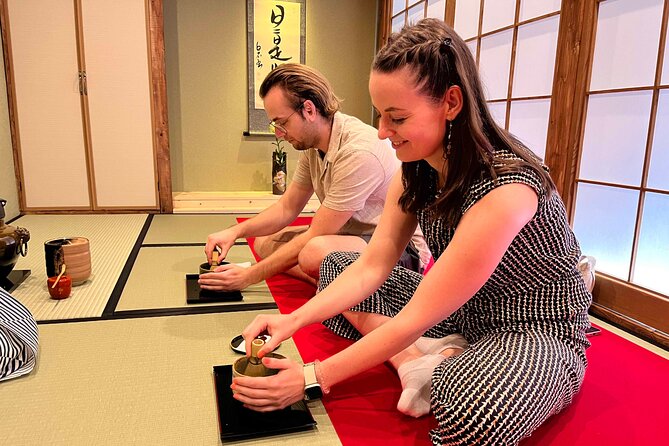
This experience runs about 45 minutes. The format is simple: learn the tradition, watch the instructor perform, then make and enjoy your own tea with sweets.
Here’s the flow you should expect:
- Welcome and setup
You’ll be guided to the tea space and introduced to the basics of what you’re about to do.
- Culture, traditions, and etiquette talk
The instructor covers why tea ceremonies matter, plus practical rules for how to serve and drink.
- Watching a traditional preparation
You see how the tea is made by the host using proper tools and technique.
- Your turn to make matcha
You create your own matcha tea and then drink it the traditional way.
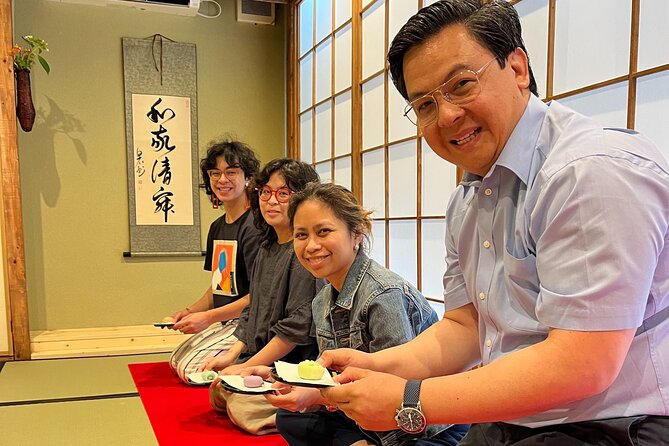
- Sweets afterward
You enjoy Japanese sweets alongside your matcha.
This timing is ideal if you want something meaningful but don’t want to give up half a day. You get context and hands-on practice, without the feeling that the lesson is dragging.
Etiquette lessons you’ll remember after the last sip
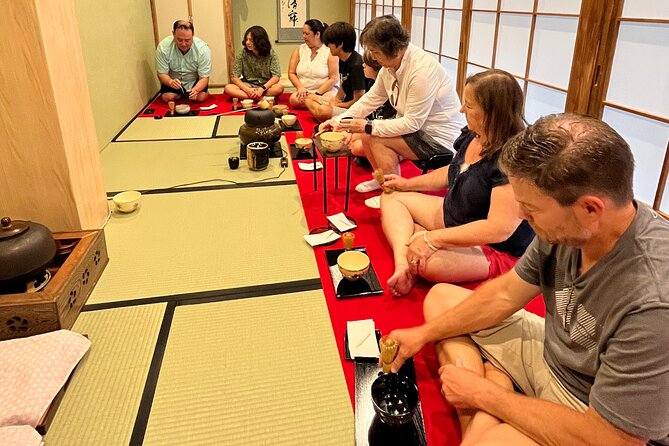
Tea ceremony etiquette can sound stiff on paper. In practice, you’ll get it broken down into clear, do-this-now steps. You’re also shown how to handle the tools properly, which is where many first-timers feel the most difference.
One theme you’ll hear is how tea culture became a way for people to connect in a calmer setting. There’s also a practical historical angle: tea was discussed in samurai contexts as a time for conversation, including strategy and politics, and the ceremony encouraged participants to join as equals.
That history matters because it reframes the ceremony. It’s not just about tasting bitterness-sweet green tea. It’s about behavior, respect, and focus.
You may also see the instructor keep the room playful in small ways. In one experience, the host guided a fun feet shuffle moment with sound effects, which makes the training feel human rather than museum-like.
Making matcha, then drinking it the right way
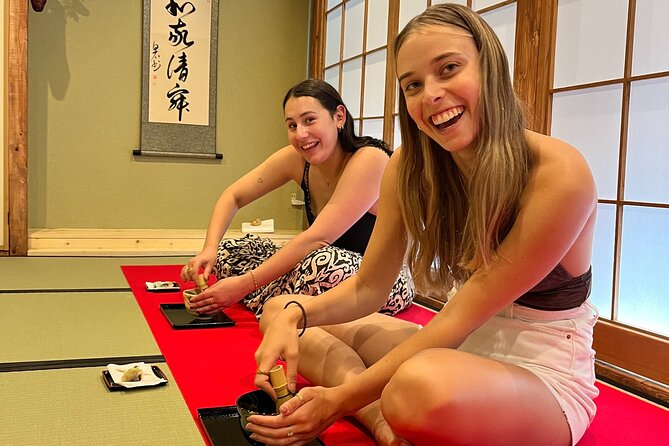
The core of this class is the matcha part. You’ll watch matcha being prepared, then you make your own. You don’t have to be crafty or coordinated. The instructor guides you step by step, and the interaction is built for small groups.
The thing I appreciate is that you’re taught not only to make the tea, but also how to serve and drink it properly. That means your cup isn’t just a souvenir photo. It’s a real attempt at the ritual, and you leave knowing what you did and why.
And because you take a moment to drink it correctly, the flavors land better. Matcha has a distinct taste, and you notice it more when you’re not rushing. Afterward, you’ll feel calmer than when you started, even if Dōtonbori is still vibrating outside.
The glowing strip everyone photographs
- Osaka Local Foodie Walking Tour in Dotonbori and Shinsekai
★ 5.0 · 985 reviews - Osaka: Dotonbori District River Cruise with Drink Discount
★ 4.2 · 876 reviews - Ultimate Osaka Walking Tour: Castle, Dotonbori & Hidden Gems
★ 5.0 · 862 reviews
Sweets, kids, and caffeine-free matcha milk
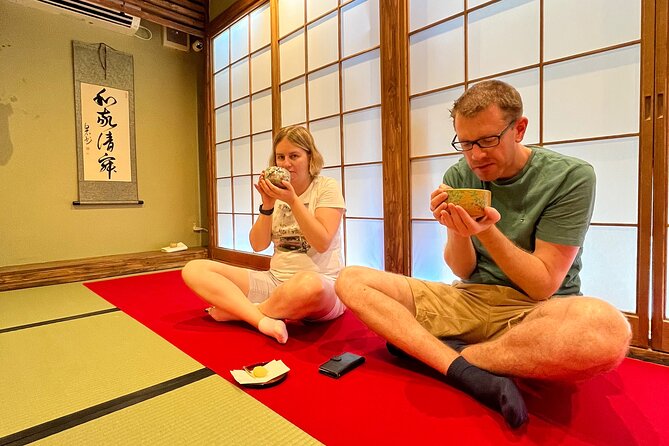
You also get traditional Japanese sweets with your tea. Some days include a pastry pairing, including a mocha pastry, so you’re not stuck with only one type of treat.
If you’re traveling with kids, this is one of the stronger family-friendly points. For children’s matcha, they offer caffeine-free matcha milk. That’s a useful detail when you want the experience for your whole group but don’t want the stimulant factor.
One more age note matters: if you’re with a child under 5, you should contact in advance because they cannot join the regular plan. Children under 5 may not be allowed to enter even with an adult ticket, so don’t assume a ticket equals entry.
So for families, it’s best to think of it as family-friendly for many ages, with an important exception for the under-5 set.
Small-group attention, and why your host matters
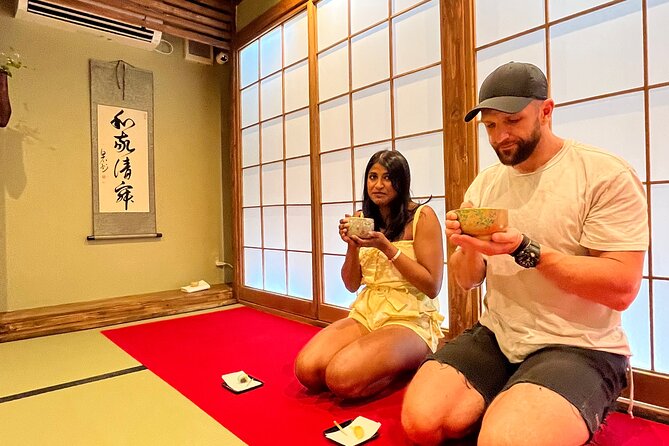
This class caps at 15 travelers. That size is big enough to meet others, but small enough that you’re not just another number.
In practice, the difference shows up immediately. You get personal attention, and the instructor can correct your pace, your grip on tools, and your way of serving. That’s why guests often rate this so highly.
Names you may hear from hosts include Kazu and Mai, and both show up in the experience with the same pattern: warm welcome, clear guidance, and good English. One host also handled a real-time issue during a session by contacting someone and waiting until a phone was returned, which tells you the room is actively managed, not just taught and forgotten.
If you care about authenticity, small-group teaching is where it lives. A large group can turn tea ceremony into a check-the-box act. A smaller group keeps it closer to the real rhythm.
Price and value for what’s included
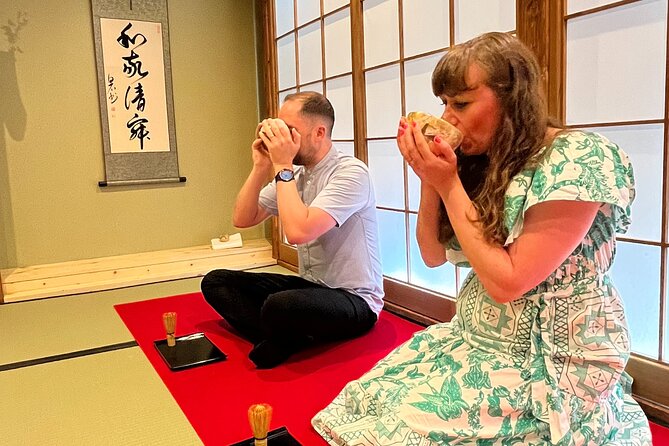
It costs $20.69 per person for about 45 minutes. That price is fair for what you actually get: instruction in tea ceremony culture, watch-and-learn demonstration, and hands-on matcha making plus sweets.
You’re also paying for experience design, not just the tea. The short class length is intentional, and it makes the activity easier to fit between Osaka meals and sightseeing. In a city where paid food tours can add up quickly, this stands out as a lower-cost cultural stop that still feels complete.
Two value tips I’d give you:
- Bring extra cash if you want to purchase items. Some sessions mention that you can buy things, and having cash avoids a minor hassle.
- Go in hungry for calm, not hungry for lunch. The sweets are part of the tea experience, not a full meal.
Overall, for a first-time tea ceremony in central Osaka, the price-to-time ratio is solid.
Who should book this matcha ceremony in Osaka
Book it if:
- You want a hands-on cultural activity, not just sightseeing
- You’re visiting Dōtonbori and want a quiet break inside the city energy
- You’re traveling with family and want a caffeine-free option for children
- You like experiences where you learn etiquette and leave with a skill you can repeat
Consider skipping it if:
- You want an all-day event. This is about 45 minutes, so it’s not a half-day replacement.
- You’re traveling with a child under 5 and can’t or don’t want to risk the regular plan age limits. In that case, confirm before you go.
If this is your first trip to Japan, it’s also a smart orientation activity. You’ll come away with a clearer sense of what tea ceremony is meant to do, not just how to taste matcha.
Should you book Tea Ceremony Osaka The Osaka?
Yes, if you want something short, authentic-feeling, and genuinely interactive. The small group size, the focus on etiquette, and the chance to make and drink your own matcha make this more than a quick photo stop.
If you’re planning a visit around Dōtonbori, it’s a convenient way to add depth to your day without sacrificing time. Just be careful with the address details, plan for the under-5 child rule, and come ready to sit, learn, and taste.
FAQ
How much does the tea ceremony in Osaka cost?
The price is $20.69 per person.
How long is the Osaka tea ceremony experience?
It runs for about 45 minutes.
Where is the meeting point in Dōtonbori?
You meet at Tea Ceremony Osaka The Osaka (茶道体験 The Osaka) Make matchaJapan, 542-0077 Osaka, Chuo Ward, Dōtonbori, 1-chome Higashi-5-26, Dōtonbori Building 2F.
What will I do during the class?
You’ll learn about the culture, traditions, and etiquette of the tea ceremony. You’ll also watch the ceremony, enjoy matcha green tea and Japanese sweets, and you can make and drink your own matcha.
Is there a caffeine-free option for children?
Yes. For children’s matcha, there is caffeine-free matcha milk.
Are there age restrictions for children?
If you are accompanied by a child under 5, you need to contact in advance because they cannot join the regular plan. Children under 5 may not be allowed to enter even with an adult ticket.
What is the maximum group size?
The activity has a maximum of 15 travelers.
Can I cancel and get a full refund?
Free cancellation is available up to 24 hours in advance for a full refund.
Just added around Osaka
Dotonbori Experiences, compared.
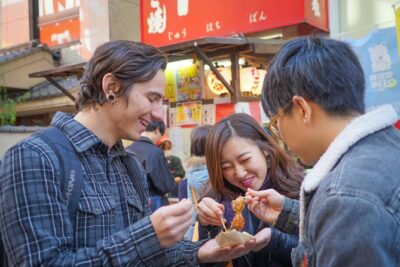
Osaka Local Foodie Walking Tour in Dotonbori and Shinsekai
Read our review →
Dotonbori District River Cruise with Drink Discount
Read our review →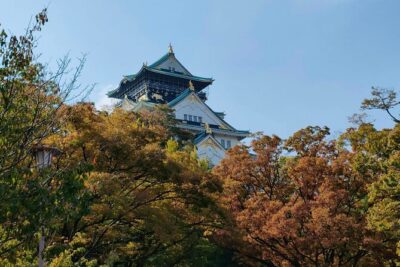
Ultimate Osaka Walking Tour: Castle, Dotonbori & Hidden Gems
Read our review →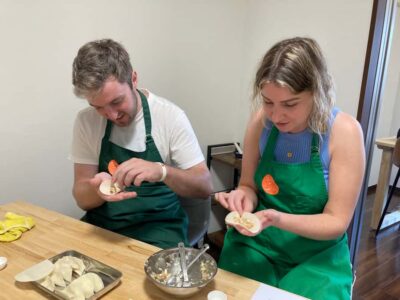
Dotonbori River Cruise with Glico Sign & Neon Views
Read our review →

Roll and Authentic Sushi Making Class in Dotonbori
Read our review →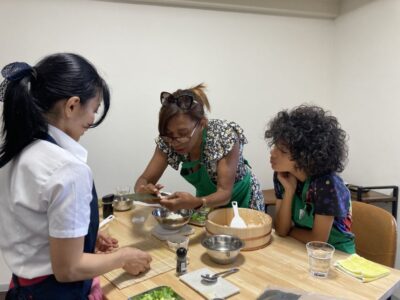
This tour also fits